


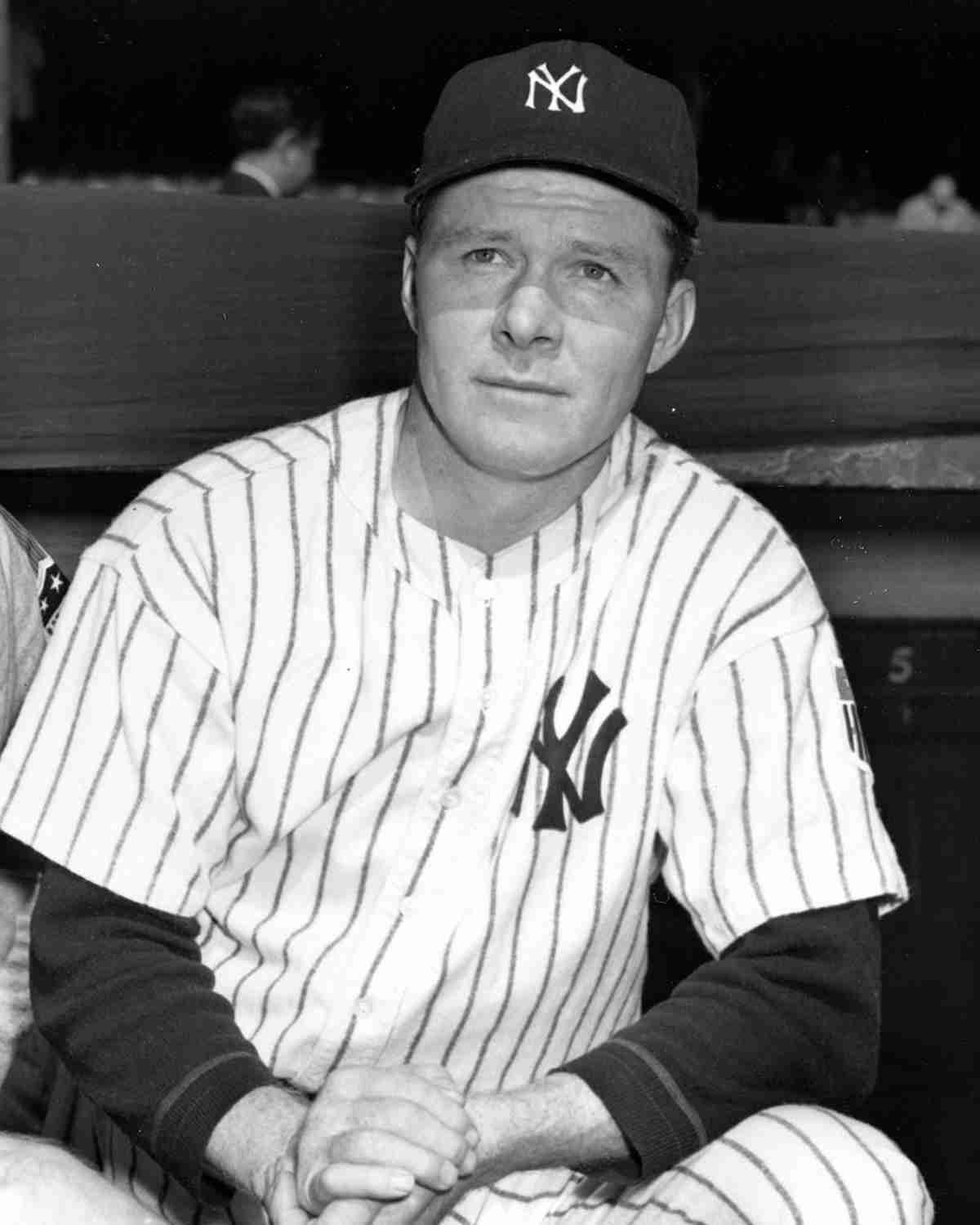



"Spud" Chandler patrolled the area around the pitching rubber at Yankee Stadium with fierce intensity that treated hitters like enemies. Because he didn't debut until age 29 and missed nearly two prime summers to WWII, many overlook his legacy.
We won’t do that here.
Armed with a heavy, biting slider, a relatively rare and devastating pitch that sharply cut across the plate, Chandler specialized in breaking opposing bats and inducing weak contact. Despite limitations from nagging arm fatigue and injuries in his early thirties, he fully realized his potential as a dominant, front-of-the-rotation pitcher as the 1940s began. He was a steadfast workhorse for manager Joe McCarthy, posting an impressive 16–5 record in 1942 and delivering an outstanding performance the following summer.
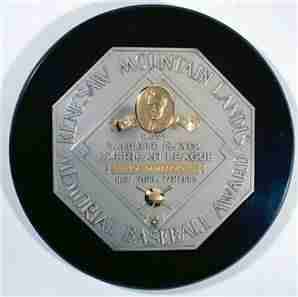
His historic 1943 regular-season performance remains one of the most dominant pitching displays in Bronx history. Chandler completely shut down American League lineups, leading the staff with 20 wins against only 4 losses. He showcased exceptional run prevention, finishing the season with 20 complete games, 5 shutouts, a tiny 0.992 WHIP, and a stellar 1.64 ERA; the lowest single-season ERA by any Yankees starter in the modern era. His consistent excellence was so evident that he overwhelmingly won the 1943 American League Most Valuable Player award, making him the only starting pitcher in franchise history to earn this honor.
During the postseason, Chandler transformed into an indispensable asset. He contributed to six World Series wins with the Yankees (1937, 1938, 1939, 1941, 1943, and 1947), but his standout performance was in the 1943 Fall Classic against the St. Louis Cardinals. He pitched in two games, delivering two complete-game victories, allowing only one unearned run over 18 impressive innings, and sealed the championship with a dominant Game 5 shutout, securing the title for the Yankees.
Just as he reached the peak of his powers, his career was significantly interrupted. Chandler dedicated almost all of the 1944 and 1945 campaigns to serving in the United States Army. Upon returning to the Bronx full-time in 1946, he didn't miss a beat. At age 38, he pitched a career-high 257.1 innings, completed 20 games, and struck out 138 batters, achieving his second 20-win season.
A four-time All-Star who spent his entire 11-year career in the pinstripes, Chandler pitched his final major league game in 1947 due to severe elbow chips that severely affected his arm. He retired with an impressive 2.84 ERA, a 109-43 record, and 26 shutouts, setting a high standard of competitive excellence. Bill Dickey called him the best pitcher he ever caught, and Ted Williams often listed him among the toughest opponents he faced; a distinguished legacy for a winner who refused to let the Bronx down.

Comments powered by CComment