

44. Kevin McReynolds
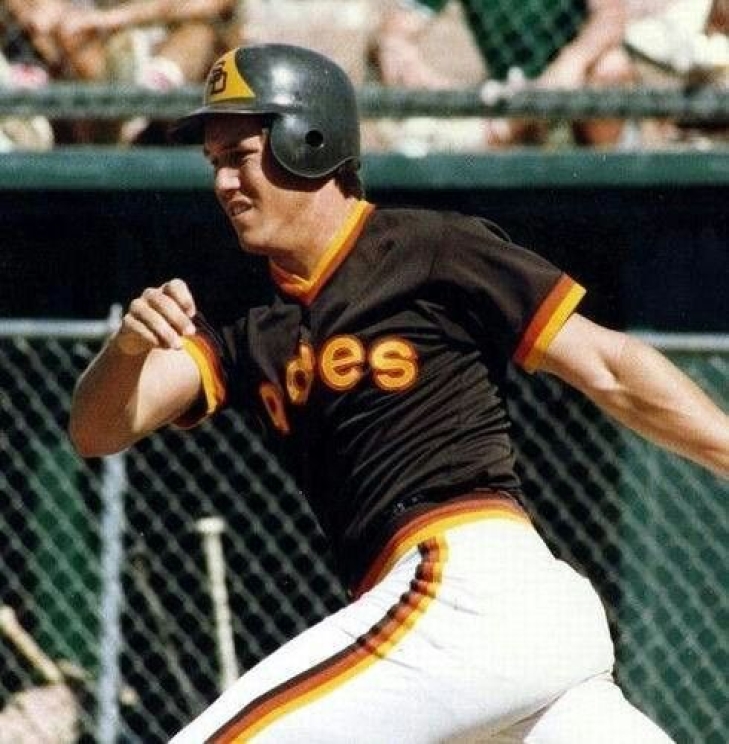
Kevin McReynolds was among the most highly regarded prospects nationwide, a first-round pick who proved his significant raw talent by winning the 1983 Pacific Coast League MVP while with Triple-A Las Vegas. Once he secured his spot on the major-league roster, this composed, powerfully built center fielder displayed a distinctive paradox: an easy, smooth running style that sometimes unfairly criticized his effort, combined with a notably heavy, high-impact skill set that added strength to the young team's lineup.
In 1984, upon becoming a full-time regular, McReynolds immediately contributed a crucial combination of defensive prowess and power hitting in the middle of the lineup. He adopted a disciplined approach to managing the expansive gaps of Jack Murphy Stadium as his designated territory, which was reflected in his leading the entire league's senior circuit center fielders with an impressive 2.76 Range Factor per Game and maintaining the league's top position with 18 Total Zone Runs. Offensively, he co-led the 1984 pennant-winning team with 20 home runs and 75 RBIs, establishing a highly dynamic and youthful outfield partnership with Carmelo Martinez known as the 'M&M Boys.'
Tragically, his postseason contributions ended when he suffered a severely broken wrist during Game 4 of the NLCS against the Cubs while sliding to break up a double play. This injury sidelined him for October, and he watched from the dugout as his teammates reached the Fall Classic, where the Detroit Tigers defeated them.
He bounced back beautifully from the wrist fracture to deliver two more durable, productive summers under the Southern California sun. He swiped a career-high 26 home runs and drove in 96 runs during a spectacular 1986 offensive breakthrough, elevating his career total to 65 round-trippers and posting a rock-solid .790 franchise OPS.
Surprisingly, the front office executed an explosive, eight-man blockbuster deal in December 1986—shipping their homegrown outfielder to Shea Stadium in exchange for a package headlined by Kevin Mitchell. Because the trade materialized just two months after the Mets had captured their famous 1986 world title, McReynolds arrived right after the party concluded.
With the Padres, McReynolds accumulated 467 total appearances, 456 hits, 85 doubles, 65 home runs, and 241 runs batted in.
41. Kevin McReynolds
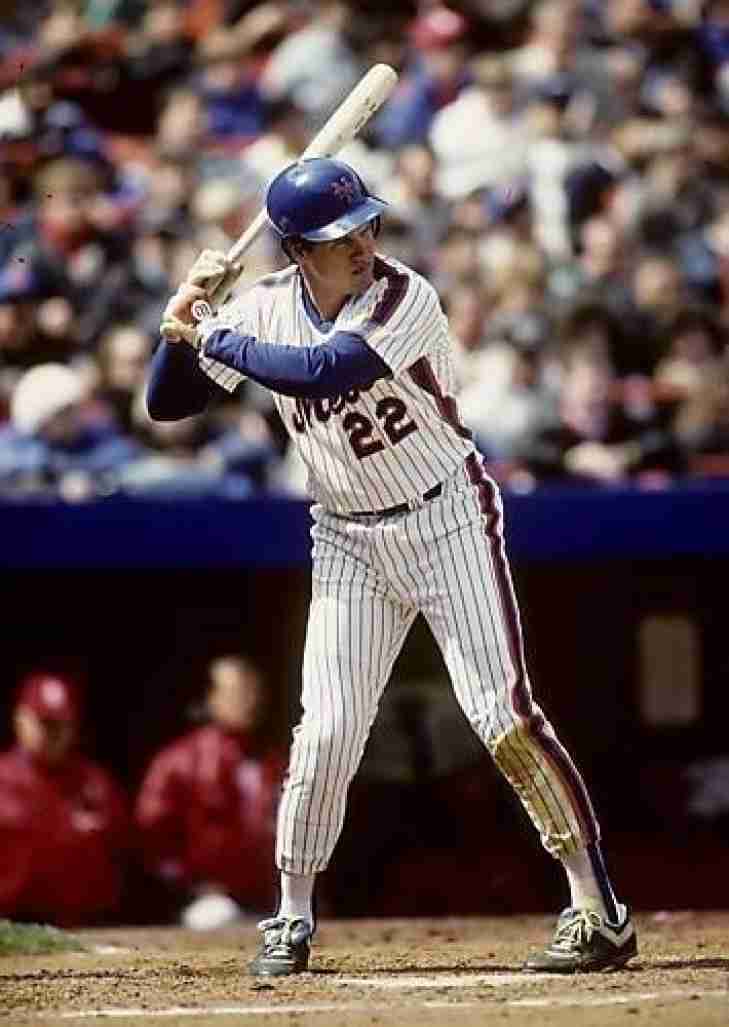
Kevin McReynolds joined the Mets in Flushing before the 1987 season, offering a calm, understated contrast to their often loud clubhouse. Traded from San Diego in a major eight-player deal that sent Kevin Mitchell to the Padres, the quiet outfielder was signed by manager Davey Johnson to support Darryl Strawberry and the defending World Series Champions in the lineup. Unlike many teammates who attracted tabloid attention, McReynolds was a steady presence in left field, providing the Mets with a reliable power threat.
His initial campaign in pinstriped blue and orange validated the trade. McReynolds adapted quickly to Shea Stadium pressure, hitting 29 home runs, driving in 95 runs, and anchoring the middle of the order. He gained a reputation for deceptive athleticism, with a sturdy frame, elite range in the outfield corners, an accurate arm that nailed runners at the plate, and a highly analytical approach to running bases.
During the 1988 season, McReynolds's precise baserunning helped the Mets win the NL East. He stole 21 bases flawlessly, setting a major league record for most successful stolen bases in a season. He also hit .288 with 27 home runs and 99 RBIs, finishing third in NL MVP voting behind Kirk Gibson and Strawberry.
The high level of production stayed consistent over the following two summers. He surpassed 20 home runs for four straight years in New York, hitting 22 in 1989, a season in which he also hit for the cycle against St. Louis, and then adding 24 more in 1990. During this time, he was one of the National League's most underrated defensive players, frequently leading all left fielders in outfield assists and total chances.
As the team's championship window closed, his initial five-year tenure ended after the 1991 season, when the front office traded him to Kansas City in the deal that brought Bret Saberhagen to Queens. However, his relationship with the franchise came full circle in 1994, when the Royals traded him back to New York for a final, brief stint before he retired. He finished his time as a Met with 791 hits and 108 home runs.
