


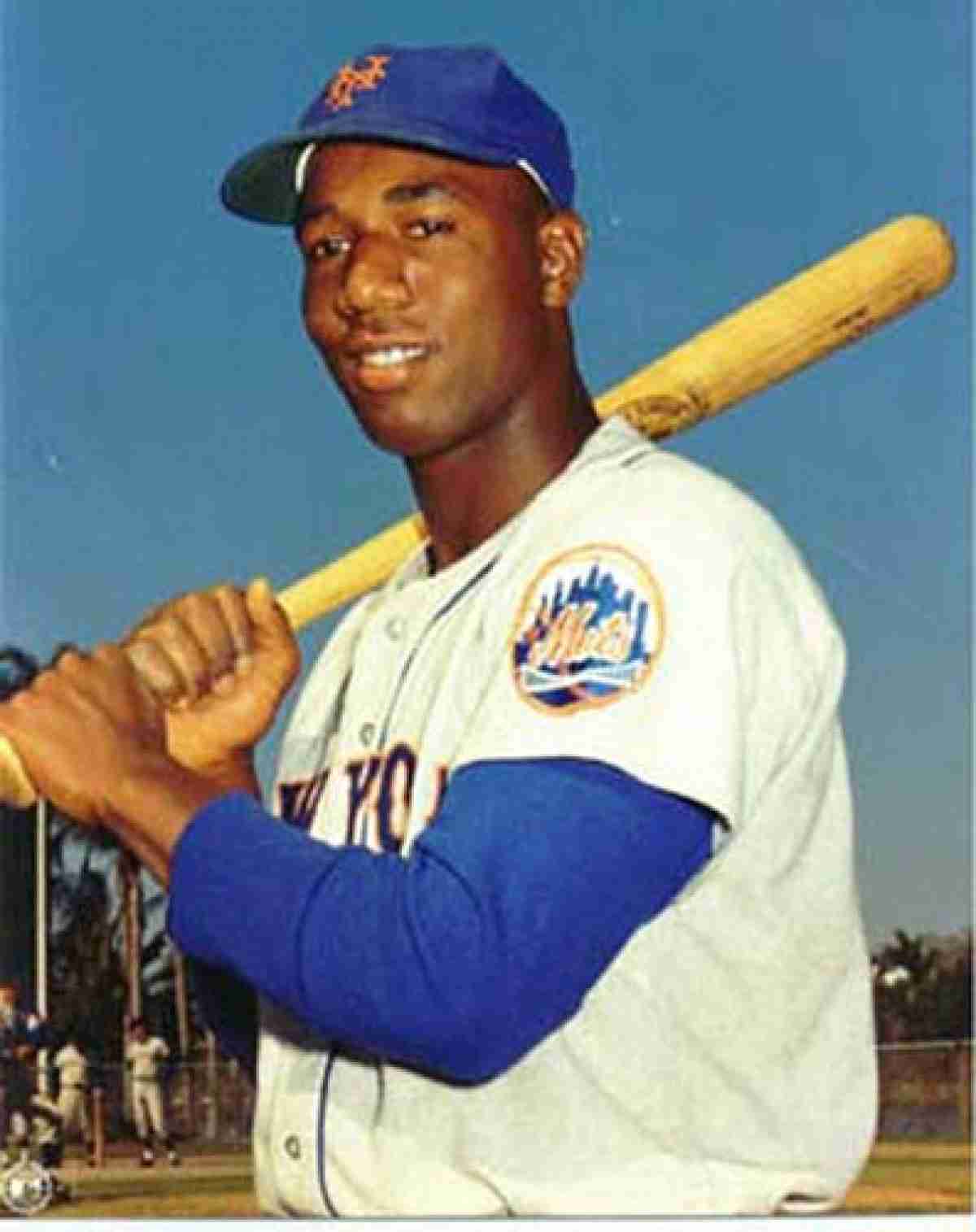



Cleon Jones entered Shea Stadium's grass in 1963 as a talented, multi-sport athlete from Alabama, who would become the key offensive force during the franchise’s initial golden era. Although history often remembers his famous kneeling catch on the outfield dirt, Jones was the driving competitive spirit of the team well before their success was celebrated.
Jones’ New York highlight peaked in 1969 when he made contact hitting, earning his first All-Star and battling for the National League batting crown. He hit .340 with a .422 on-base percentage, setting a franchise record for nearly 30 years. He was a key player with 164 hits and 75 RBI, propelling the team to 100 wins. Jones cemented his status as a New York icon through October highlights beyond his regular-season brilliance. He hit .429 in the NLCS against Atlanta and created a famous World Series moment in Game 5 when manager Gil Hodges proved Jones was hit in the foot by showing shoe polish on the baseball. Moments later, Jones scored the tying run and later made the final out in left field, sliding to his knees in ecstasy as Shea Stadium erupted.
Jones was a steady contributor who maintained high production into the next decade, batting .319 in 1971 and helping guide the Mets to the 1973 Fall Classic during the "Ya Gotta Believe" pennant run. His career in Flushing ended in July 1975 after an injury-plagued stretch and a dispute with management. Time healed wounds, and in 1991, the Mets inducted him into their Hall of Fame.
Overall, Jones compiled 1,188 hits, 93 home runs, and a .281 batting average.

Comments powered by CComment