

248. Frank Viola
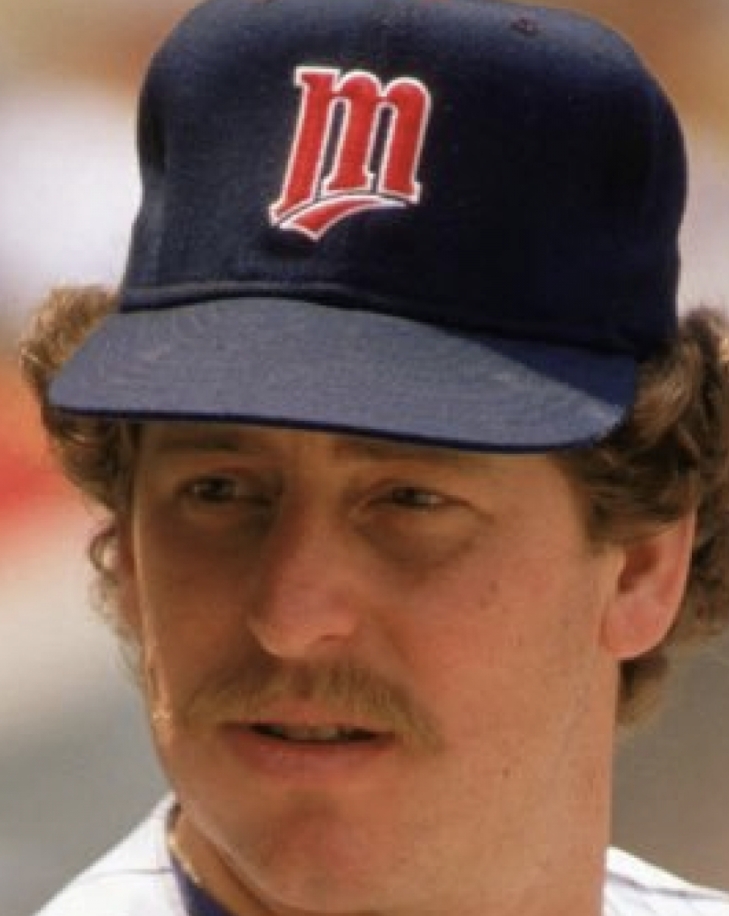
Frank Viola was a star Pitcher known for his stint with the Minnesota Twins, where his work there made him a legend in the state.
25. Frank Viola
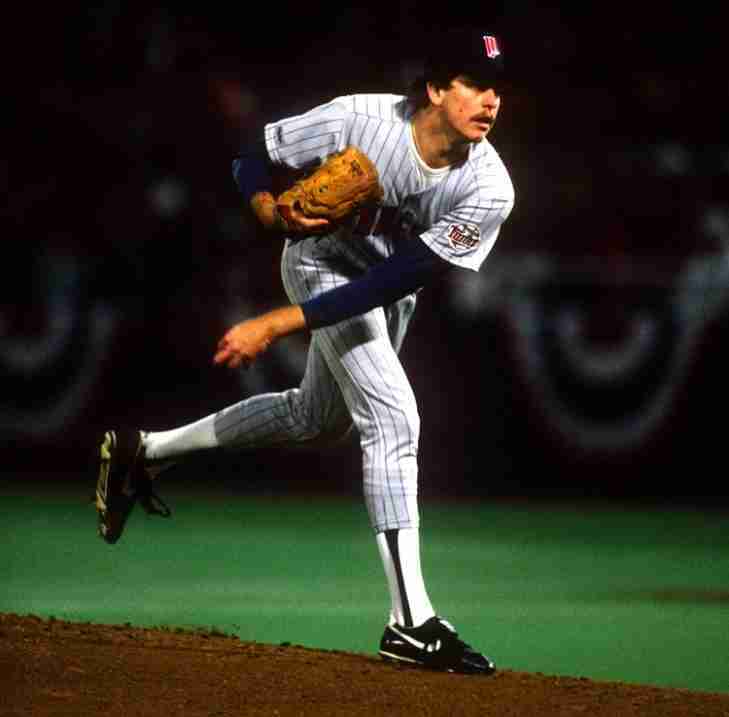
Frank Viola emerged as a left-handed powerhouse for Minnesota in the early 1980s, eventually becoming the rotation's definitive ace. While he earned the nickname "Sweet Music" for his specialized changeup and poise, he served as the high-voltage engine that powered the franchise's first championship run.
Viola achieved a historic streak of four 16-win seasons, reaching his peak in 1987 when he helped the Twins secure the division and then was named World Series MVP, cementing his postseason legend and bringing Minnesota its first title. During the 1987 World Series, Viola led with three key starts against the St. Louis Cardinals. In Game 1, he allowed one run over eight innings for a win. After a setback in Game 4, he pitched eight innings in Game 7, allowing two runs. His poise earned him the MVP trophy.
While the Twins did not make an appearance in October baseball in ’88, that year was Viola’s finest, winning the Cy Young Award with a 24-7 record. With the Twins struggling during the 1989 season, Viola was traded midway through to the New York Mets.
He would win 112 Games as a Twin and was inducted into the Twins Hall of Fame in 2005.
45. Frank Viola
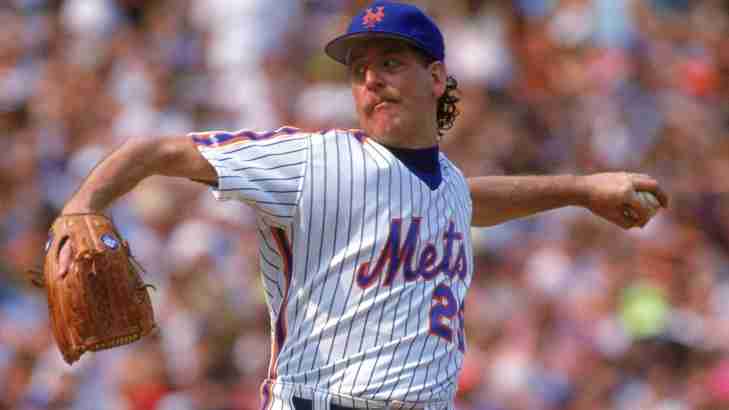
New York’s trade for Frank Viola in Queens in late July 1989 was a clear signal that the front office was pushing all its chips into the center of the table. Fresh off an AL Cy Young campaign in Minnesota, the left-handed ace landed with the Mets in a blockbuster trade that sent five players to the Twins. Viola joined a rotation already featuring Dwight Gooden and Ron Darling, instantly giving New York one of the most formidable pitching staffs in the National League.
His first complete season in Flushing in 1990 served as a distinguished exhibition of his signature changeup. Viola emerged as the primary pitcher of the staff, accumulating a substantial 249.2 innings over 35 starts. He led the National League with 20 victories, received his inaugural National League All-Star selection, and placed a close third in the Cy Young Award voting. His remarkable durability and command resulted in an impressive 2.67 ERA, ranking him second among pitchers in the senior circuit in overall value.
The momentum persisted into the 1991 campaign, during which Viola continued to serve as the focal point of the rotation amid a period of organizational transition. He achieved a second consecutive All-Star selection in July, demonstrating veteran poise at Shea Stadium and stabilizing a fluctuating pitching staff under increasing pressure. Although the team's offense underperformed around him, impeding the prospect of replicating his high win totals from the previous summer, he nonetheless contributed 13 victories and maintained a commendable 3.17 ERA over 232.2 innings.
His tenure in New York concluded promptly after the 1991 season when he transferred through free agency to join the Boston Red Sox. Although his residence in Queens lasted merely two and a half summers, Viola departed with 38 wins, a 3.31 ERA, and an enduring reputation as an elite postseason starter who provided the high-caliber performance for which the Mets had traded.
