

Our Top 50 All-Time Milwaukee Brewers are now up
With the 2017 Major League Baseball Season underway, we are pleased to present our next top 50, which features the Milwaukee Brewers.
The Blue Brew Crew has only made the playoffs four times, with only one trip to the Fall Classic, a losing effort in 1982. Still this is a team who has produced Hall of Famers and has a healthy fan base that should see this team remain in the state of Wisconsin.
The entire list can be found here, but let’s reveal the top five right away!
1. Robin Yount
2. Paul Molitor
3. Ryan Braun
4. Cecil Cooper
5. Teddy Higuera
There will be more coming, but of course we would love to hear your input on our latest creation!
42. Dave Nilsson
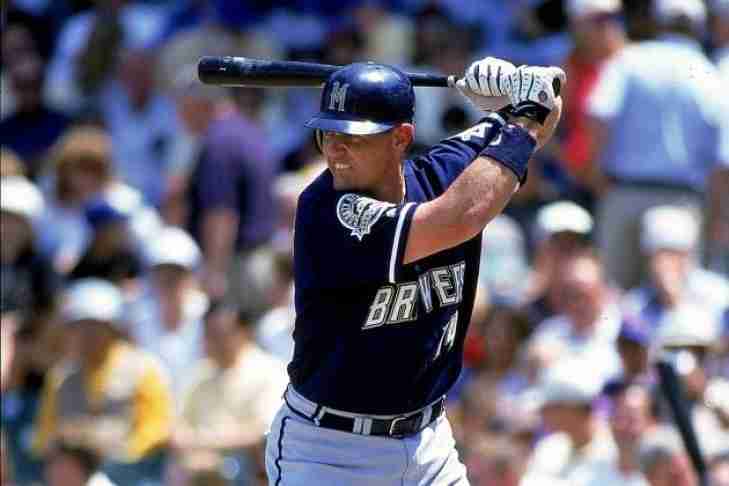
Dave Nilsson came to Milwaukee in 1992 as a left-handed catcher from Brisbane, making history as the first Australian to play in a Major League All-Star Game. His journey to this achievement was quite unique, especially when he decided to leave a lucrative contract at his peak to represent his country in the Olympics.
Following a standout debut in 1992, Nilsson peaked offensively in 1996. Despite enduring various injuries, he posted a career-best .331 batting average, along with 17 home runs and 84 RBI. That summer, he demonstrated complete control of the American League, finishing sixth in batting and becoming the first Brewer to hit two home runs in a single inning, a milestone he achieved on May 19 against the Twins.
During his final year in the Major Leagues in 1999, he delivered an outstanding first half, batting over .300 and showcasing impressive power with double digits. He reached a historic milestone by being selected for the All-Star Game, proudly representing the Brewers at Fenway Park as the first Australian All-Star ever. He wrapped up the season with 21 home runs and an impressive .309 batting average.
At just 29 and after an All-Star year, Nilsson chose to stay a free agent, declining MLB offers to play in Japan and captain Australia in the 2000 Sydney Olympics. He left Milwaukee as a ‘Lifer," with all 837 MLB games played for the Brewers, recording 789 hits and 105 home runs.
45. Pete Vuckovich
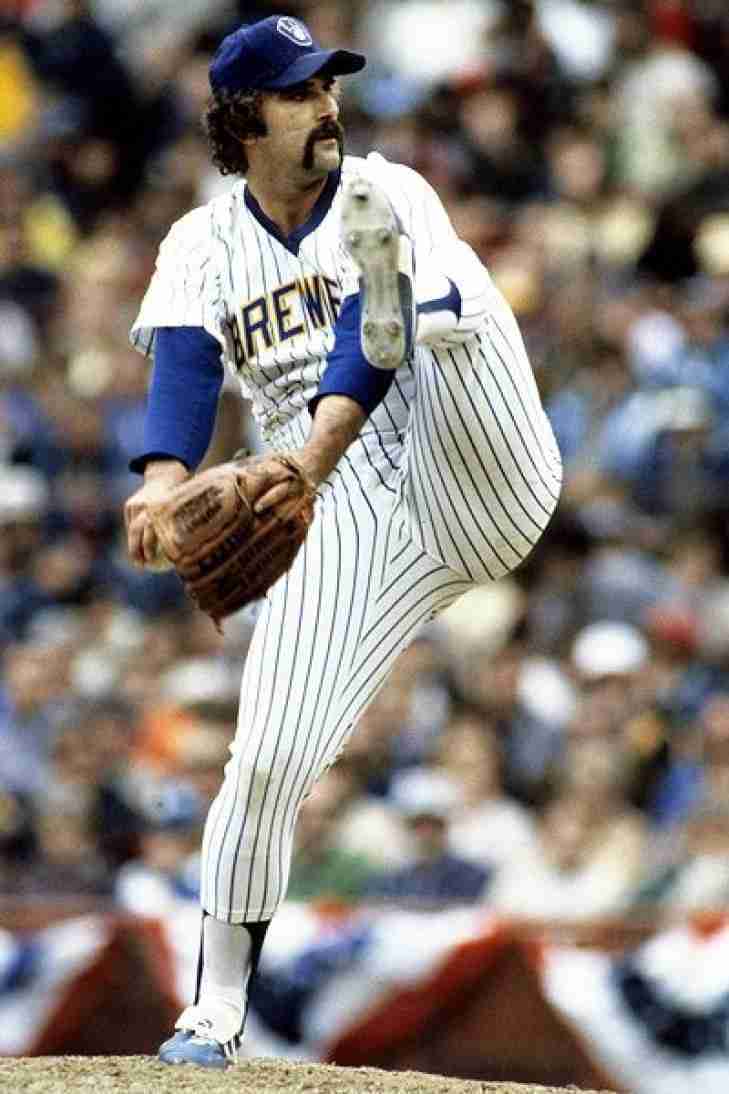
Pete Vuckovich arrived in Milwaukee in late 1980 as a key part of a major trade in baseball history. During the Winter Meetings in Dallas, the Brewers completed a seven-player deal with the St. Louis Cardinals, acquiring Vuckovich along with Hall of Famers Rollie Fingers and Ted Simmons. Milwaukee sent Sixto Lezcano, Lary Sorensen, Dave LaPoint, and prospect David Green in the trade. Although mainly remembered for the hardware it brought, Vuckovich became the team's gritty anchor, bringing “The Mad Monk” to Milwaukee.
In the 1981 strike-shortened season, Vuckovich led the American League with 14 wins and a .778 winning percentage. He played a key role in the Brewers winning the second-half title and reaching the postseason. That summer, he finished fourth in Cy Young voting, establishing himself as the rotation's most intimidating presence.
During the 1982 championship season, he posted an 18-6 record with a 3.34 ERA and earned the AL Cy Young Award. Despite a 1.502 WHIP and 102 walks, he demonstrated total command of "mound psychology,” outdueling Jim Palmer and pitching every fifth day despite a shoulder injury that was ending his career.
His shoulder injury ultimately defined the end of his pitching career in 1983, when he was limited to just three games and had to sit out the entire 1984 season. Despite these setbacks, he showed incredible resilience by making a comeback in 1985 and 1986. Although he never quite reached the same top speeds or dominance as before, he left a lasting legacy with a 40-26 record during his time with the Brewers. His achievements and spirit have earned him a place on the Brewers Wall of Honor, celebrating his commitment and grit.
In traditional wins and losses, he went 40- 26 and twice led the AL in winning percentage.
32. Charlie Moore
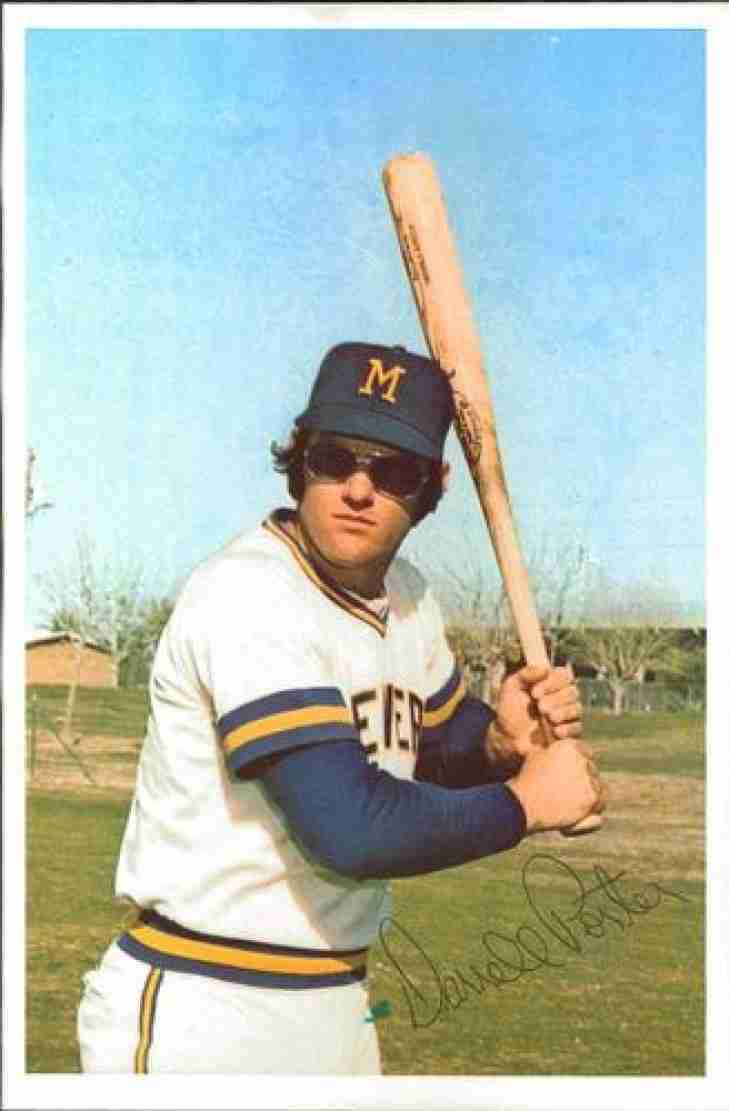
Charlie Moore debuted in Milwaukee in 1973 as a fifth-round draft pick and spent almost his entire 15-year career there. Though not a traditional superstar, he served as a versatile, tactical Swiss Army knife for the Brewers.
By 1975, Moore reached a peak as a young catcher, batting .290 in a platoon role. He showcased total command of the strike zone that summer, proving to be the fastest and most athletic backstop in the American League. Initially providing a steady hand behind the plate for Darrell Porter, his athleticism eventually led to a move to the outfield. In 1982, he became the team's primary right fielder, using his strong arm to record 13 assists and lead AL right fielders in double plays.
While he was a mainstay during the 1992 season, he had a postseason masterpiece as "Harvey’s Wallbangers" captured the pennant. He reached a historic ALCS against the Angels, batting.462 and making a key defensive play by throwing out Reggie Jackson at third. He continued his performance in the World Series, batting .346 against the Cardinals.
Following the 1986 season, Moore retired from the Brewers after reaching a historic plateau for a role player, compiling 1,029 hits and appearing in 1,283 games for the franchise.
44. Dave May
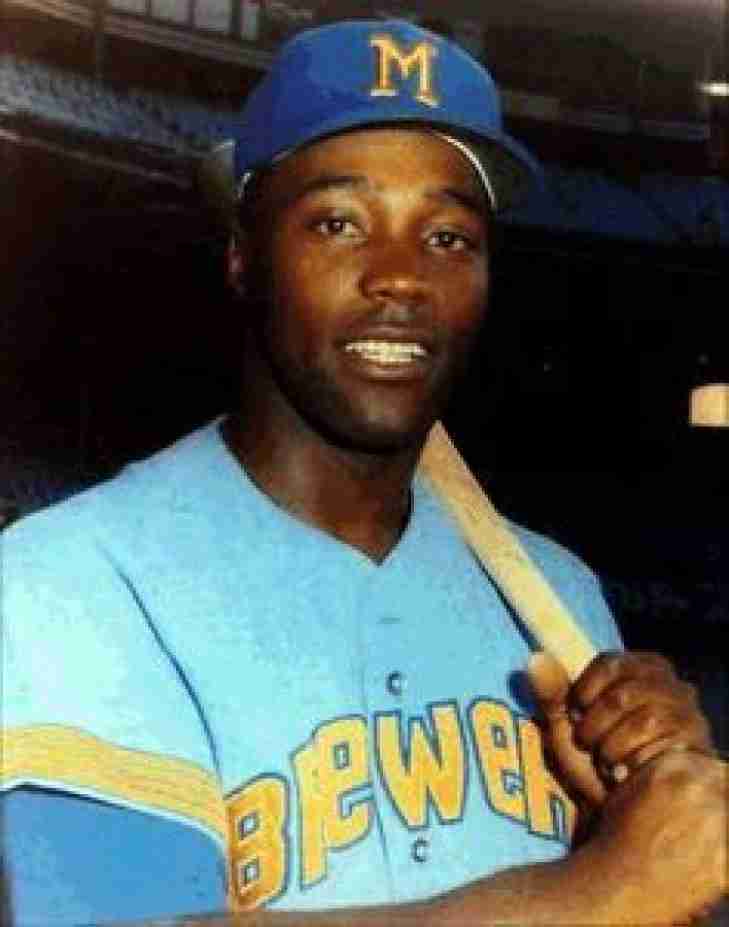
A left-handed outfielder who had been a bench piece for the powerhouse Orioles, Dave May was traded to Milwaukee in May of 1971, and the move proved beneficial to both parties.
May’s time as a Brewer was truly remarkable, marking a peak in his career during the expansion era. After establishing himself as a solid player between 1971 and 1972, 1973 became a standout year for him. That summer, he delivered an outstanding season, batting .303 and hitting a career-high 25 home runs. He led the American League in Total Bases (295) and Win Probability Added (WPA), and totaled 189 hits. His impressive performance earned him an All-Star selection, and he finished eighth in the MVP voting, reaching a true highlight of individual achievement.
Although he was a key part of the young franchise's foundation, his first Milwaukee chapter came to a close when he was traded to the Atlanta Braves. This trade marked a historic moment in baseball, as May was the main player exchanged for the legendary Hank Aaron, bringing "The Hammer" back home to Milwaukee to finish his career.
May returned to Milwaukee via trade from the Rangers to provide veteran leadership during the club's first pennant push. Used in a specialized, high-leverage bench role, he reached 652 hits with the Brewers before a late-August trade to Pittsburgh ended his time in the American League. A member of the Brewers Wall of Honor, May had 652 hits, 83 home runs, and a .267 batting average.
48. Darrell Porter
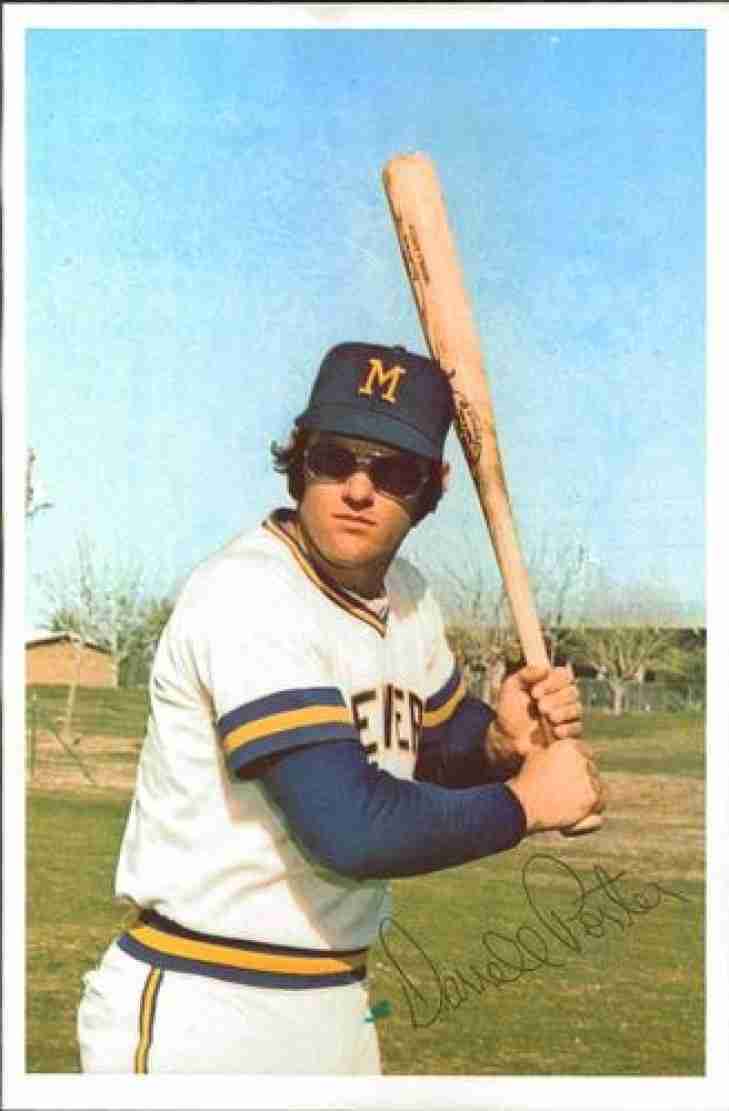
Darrell Porter is far more known for his work with the St. Louis Cardinals and the Kansas City Royals, but he would get his start in Milwaukee, where he was a former fourth overall pick.
After minor league apprenticeship, Porter peaked in 1973 with 16 homers, 67 RBI, and a .363 OBP, finishing third in Rookie of the Year. He gained wider recognition in 1974 with 104 hits and his first All-Star selection. In 1975, he hit a career-high 18 homers and drew 89 walks, second in the American League.
Following the 1976 season, the Brewers reshaped their core with a five-player trade on December 6, sending Porter and Jim Colborn to the Royals. He reached new heights in Kansas City and St. Louis, famously returning to Milwaukee in the 1982 World Series as Series MVP to haunt his former club, but his foundation was built at County Stadium.
Porter compiled 391 hits, 54 home runs, and a .346 on-base percentage as a Brewer.
49. Jose Valentin
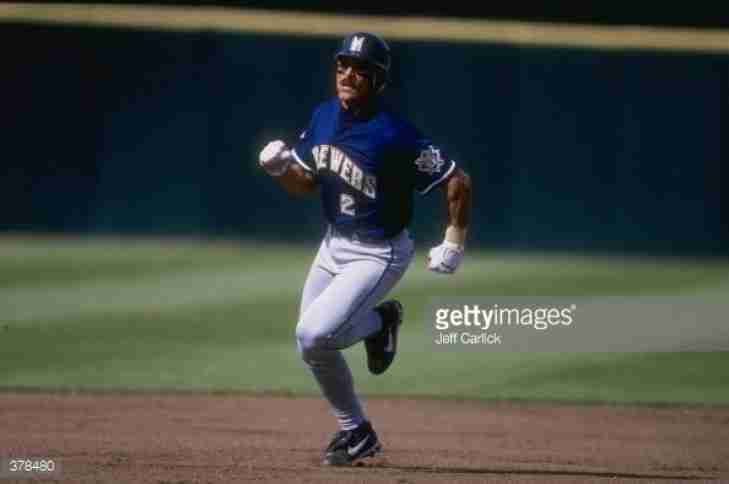
Jose Valentin arrived in Milwaukee in 1992 as a centerpiece of one of the most significant trades in franchise history, joining the Brewers from the Padres alongside Ricky Bones and Matt Mieske in the blockbuster deal for Gary Sheffield.
After an apprenticeship in the early 90s, Valentin reached a historic high in 1994, finishing ninth in AL Rookie of the Year voting after hitting 11 homers in a strike-shortened season. In 1996, he had a remarkable season, hitting 24 homers and driving in 95 runs.
During the late 90s, even as the Brewers moved to the National League, he stayed a key middle infielder, hitting 17 and 16 home runs in 1997 and 1998, and excelling at shortstop. He demonstrated total command of the strike zone, with career highs of 66 walks in 1996 and 63 in 1998.
After the 1998 season, Valentin was dealt to the Chicago White Sox. Valentin compiled 577 hits, 90 home runs, and 343 RBI as a Brewer.
40. John Briggs
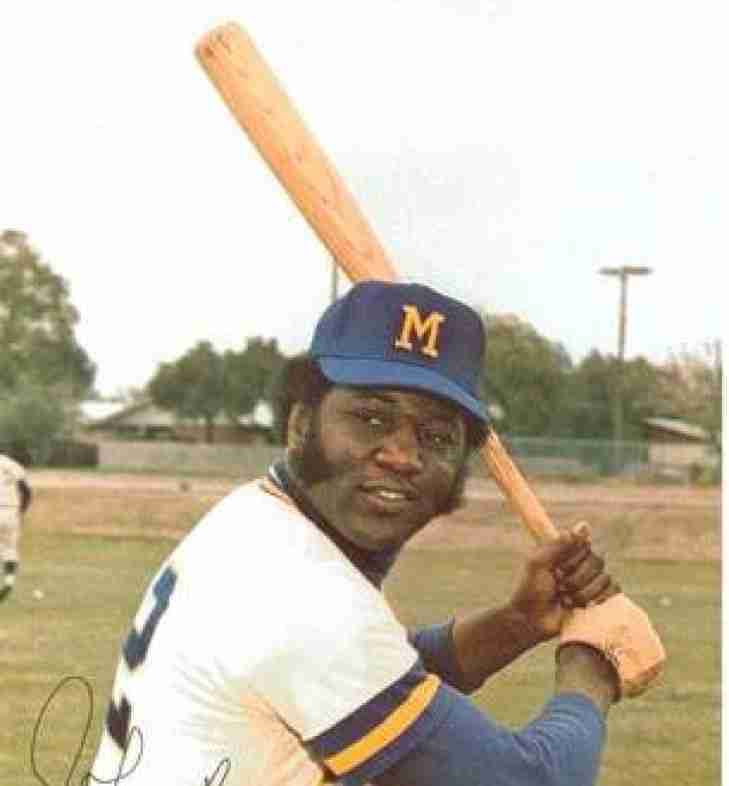
John Briggs arrived in Milwaukee in 1971 as a left-handed outfielder who had spent the first seven years of his career as a part-time player in Philadelphia. His trade to the Brew Crew finally gave him the full-time opportunity he had been looking for, and he responded immediately with a burst of high-level production. Over four and a half seasons in Milwaukee, he became a key figure on offense during the franchise's early years in the American League, offering a unique mix of power and on-base skills that helped establish him as one of the team's first star players.
After just 10 games for the Phillies in 1971, Briggs was traded to the Brewers, where he reached new heights. He dominated the American League that summer, hitting 21 home runs with a .378 on-base percentage. He became a key player for a young roster, providing a left-handed presence in the middle of the order. In 1972, he maintained this momentum, again hitting 21 home runs and recording over 100 hits for the first time.
Briggs made history on August 4, 1973, by going 6-for-6 against the Cleveland Indians, becoming the first Brewer to achieve a six-hit game. That year, he demonstrated complete dominance on the field, hitting 18 home runs and setting a career-high with seven triples. His exceptional performance earned him MVP votes in the American League.
After hitting 17 home runs and 73 RBI in 1974, the organization traded Briggs to the Twins in June 1975 for Bobby Darwin. As a Brewer, Briggs batted .260 with 492 hits and 80 home runs. He was later inducted into the Brewers Wall of Fame.
37. Rickie Weeks
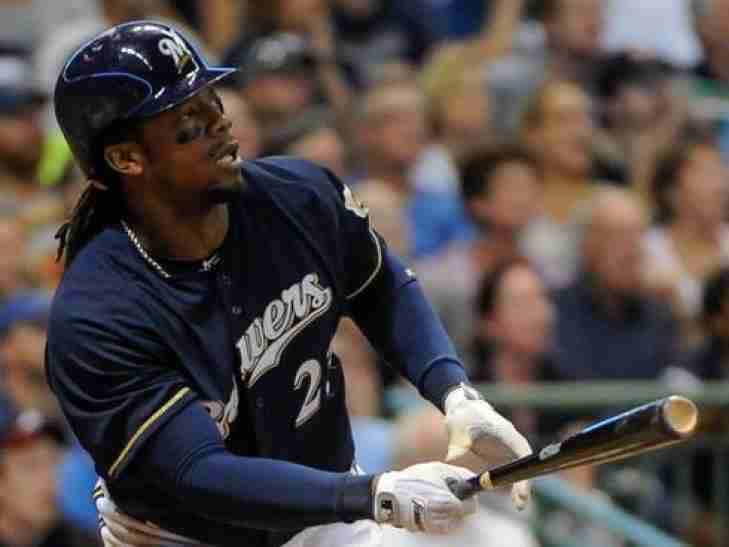
The second overall pick in 2003, Rickie Weeks, came to Milwaukee as a high-voltage prospect out of Southern University with a legendary collegiate pedigree.
After a brief debut at age 20, Weeks reached his career peak in 2010. That season, he demonstrated exceptional durability and strength, hitting 29 home runs, 83 RBIs, and scoring 112 runs. He showed complete mastery of the strike zone, setting a franchise record with 754 plate appearances and leading the National League in at-bats with 651. He proved to be a key player in high-pressure moments, with his aggressive right-handed swing serving as a cornerstone of the Brew Crew's powerful offense.
In 2011, he was voted starting second baseman for the National League All-Star Game. That year, he hit 20 home runs and 122 hits despite a significant ankle injury. This marked his third straight season with 20+ home runs (2010–2012), showing his muscle was a consistent force during the Brewers' "Beast Mode" era.
While he achieved a historic milestone with his 1,000th hit as a Brewer, his legacy was sometimes hindered by defensive struggles. He led the National League in errors at second base five times, overshadowing his offense. He then left in free agency, signing with the Seattle Mariners.
Weeks accumulated 1,009 hits, 155 home runs, and a .249 batting average with the Brewers.
46. Jim Colborn
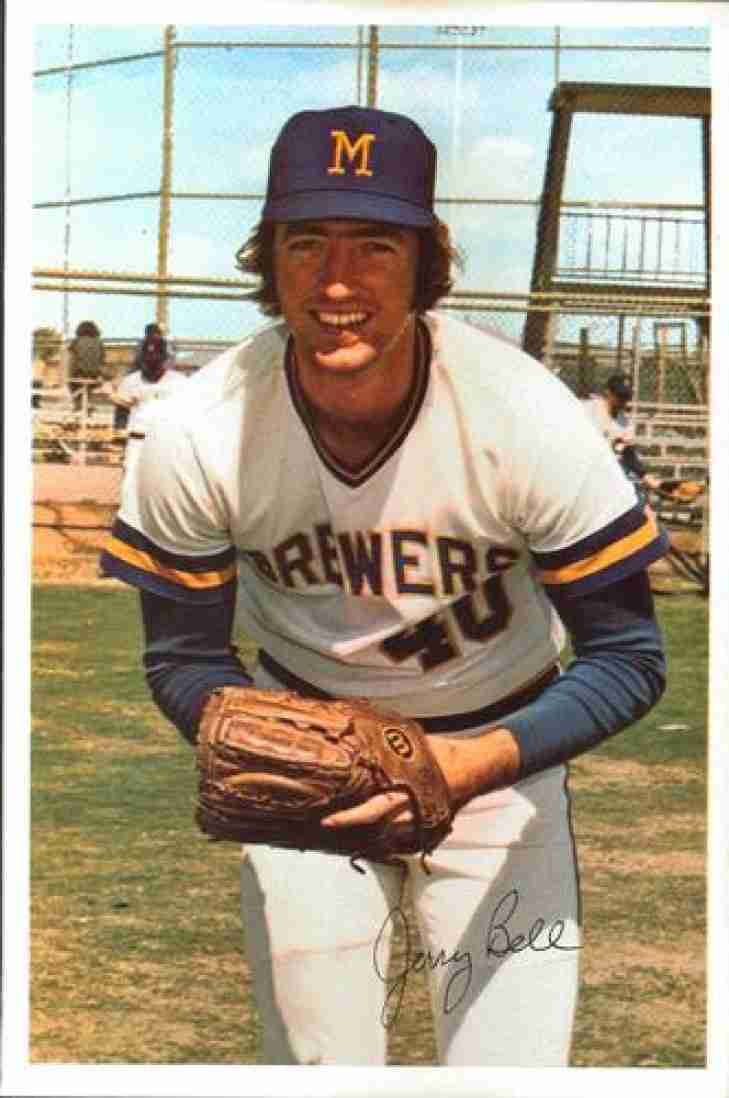
Jim Colborn arrived in Milwaukee in late 1971 via a trade that sent Brock Davis to the Brewers for Jose Cardenal. Initially a versatile pitcher in Chicago, he became the Brewers’ first true pitching star during the expansion era.
After a strong transition year in 1972, Colborn truly shone in 1973. That season, he created a memorable campaign that became a key part of the franchise's history, becoming the first Brewers pitcher to win 20 games. He finished with a 20-12 record, a 3.18 ERA, and completed 22 games, second most in the league. His achievements earned him an All-Star spot and placed him sixth in the Cy Young Award voting, highlighting his growing recognition and success.
Between 1974 and 1976, he was a key player, consistently pitching many innings. Although he didn’t reach his 1973 20-win peak, he had a notable 1974 season with 10 wins and led the staff with 229 innings. After the 1976 season, Colborn was traded to Kansas City. He would later be honored in the Brewes Wall of Honor, and stat-wise, he had a 54-60 record, a 3.65 ERA, and 410 strikeouts.
47. Lary Sorensen
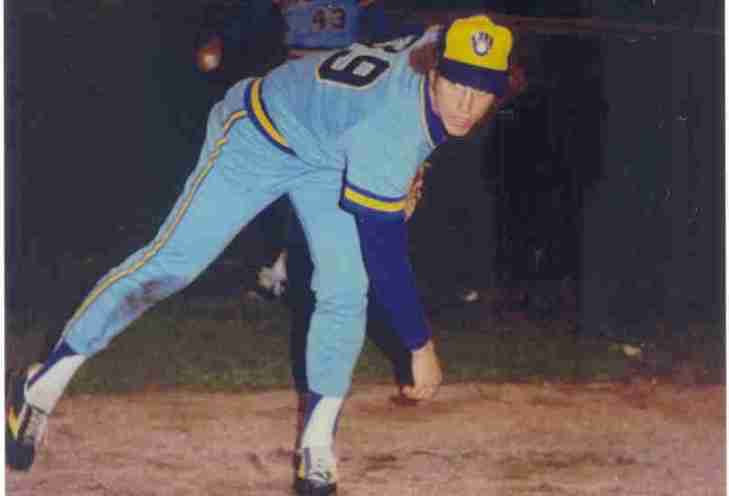
Lary Sorensen debuted in Milwaukee in 1977 as an eighth-round draft pick from the University of Michigan, rapidly ascending through the system to become a foundational arm in the Brewers' rotation.
After a strong rookie debut, Sorensen truly shone during the 1978 season. It was a remarkable year for him, finishing with an 18-12 record and a career-low 3.21 ERA. He ranked second in the American League for walks per nine innings with just 1.6, and came in fifth in complete games with 17. This season also brought him well-deserved recognition, as he was chosen for the All-Star team. During the game, he impressively retired nine straight National League hitters, including legends like Pete Rose and Joe Morgan, during his three innings of pitching.
Between 1979 and 1980, he was a mainstay in the rotation, with back-to-back seasons of at least 12 wins. He showed command of the strike zone, finishing in the top ten in BB/9 both years and leading with 24 complete games. His 'rubber arm’ enabled him to average over 230 innings per season during his peak.
In December of 1980, the Brewers finalized a massive seven-player blockbuster trade with the St. Louis Cardinals. Sorensen was the primary starting pitcher sent to St. Louis in exchange for a package that brought Hall of Famers Rollie Fingers and Ted Simmons, along with Pete Vuckovich, to Milwaukee. Sorensen was honored by the Wall of Fame and as a Brewer, and had a 52-46 record, a 3.74 ERA, and 50 complete games for the squad.
39. Cal Eldred
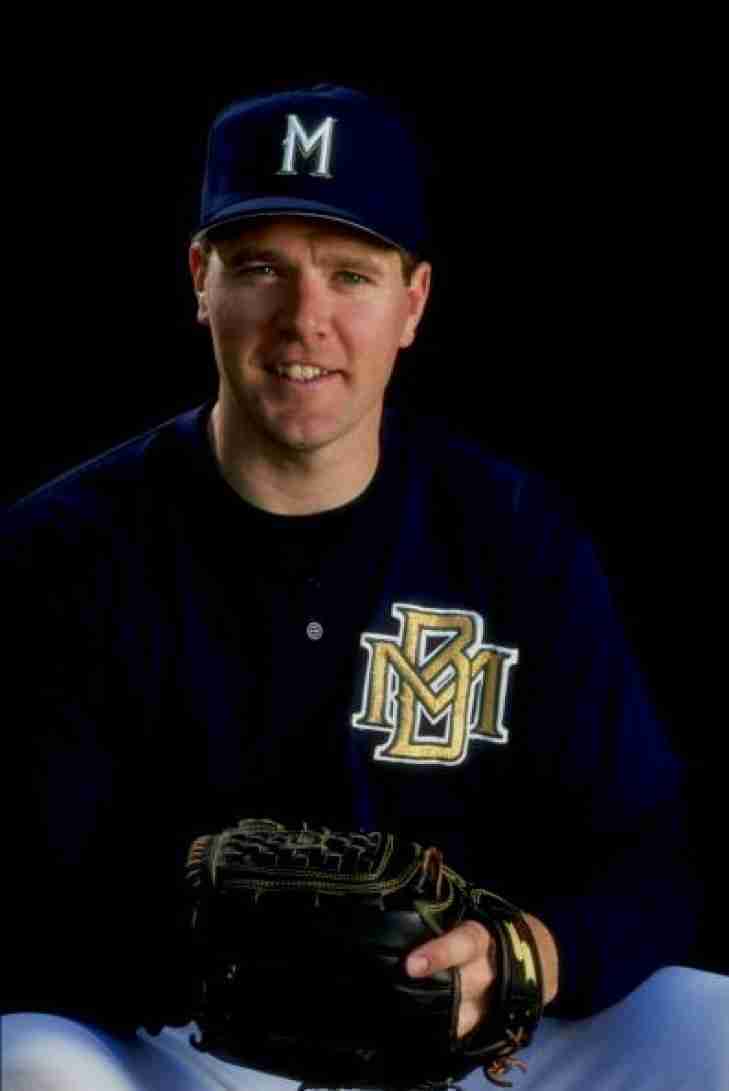
A 1988 first-round pick from the University of Iowa, Cal Eldred debuted for Milwaukee in 1991, and the big, durable right-hander quickly became the centerpiece of the Brewers' rotation in the early 1990s.
After a strong debut in late 1992 with an 11-2 record, Eldred demonstrated exceptional durability in 1993. He led the American League with 36 Games Started, 258 innings pitched, and 1,091 batters faced. That summer, he showed command of his repertoire, ending with 16 wins and a 4.01 ERA.
After 11 wins in the strike-shortened 1994 season, he reached frustration in 1995 when a major elbow injury led to Tommy John surgery. Yet, he made a remarkable comeback, achieving a new peak in 1997 with 13 wins and over 200 innings. After slumping, he was traded to the Chicago White Sox after the 1999 season.
Overall, with Milwaukee, Eldred posted a record of 64-65 with 686 Strikeouts.
27. Rollie Fingers
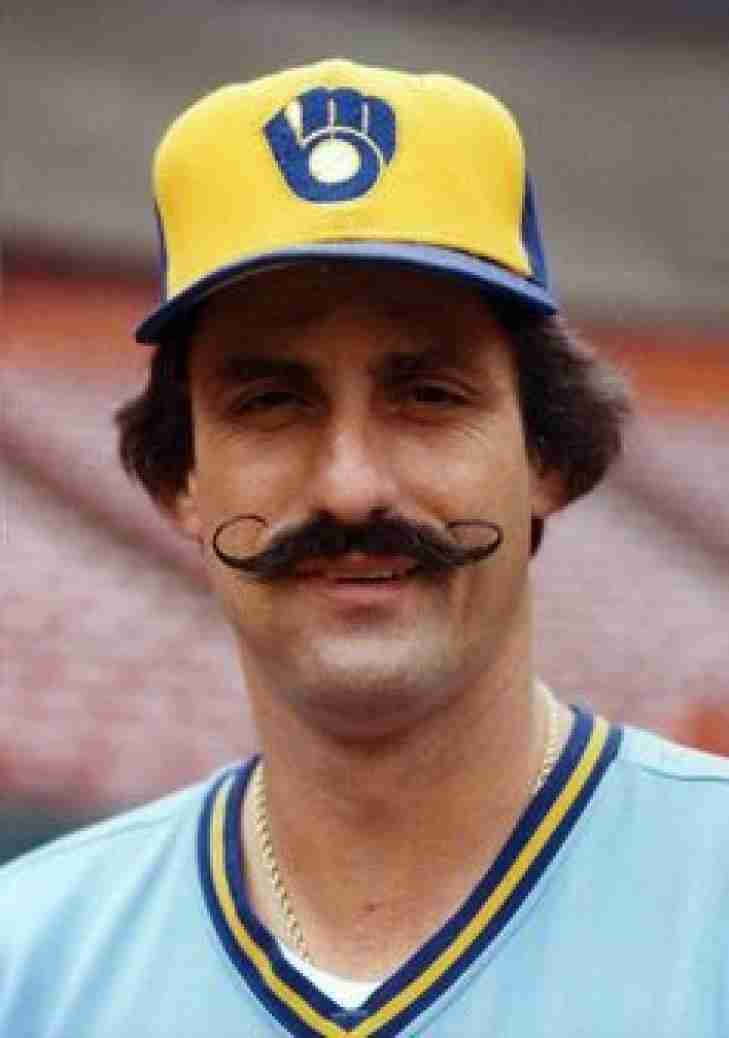
Rollie Fingers arrived in Milwaukee in December 1980 through a major trade. His journey was quick; he had been with the St. Louis Cardinals for only four days. After acquiring Fingers from San Diego in an 11-player swap on December 8th, Cardinals GM Whitey Herzog, having also acquired Hall of Famer Bruce Sutter, decided to trade Fingers to Milwaukee on December 12th.
Fingers was sent to the Brewers alongside catcher Ted Simmons and starter Pete Vuckovich in exchange for a package that included Sixto Lezcano, Lary Sorensen, and prospects David Green and Dave LaPoint. While the Cardinals eventually won the 1982 World Series against Milwaukee, the Brewers essentially "won" the trade in the short term, as they netted the next two AL Cy Young winners in Fingers (1981) and Vuckovich (1982).
During the strike-shortened 1981 season, Fingers reached an absolute summit of performance that remains the gold standard for relief pitching. He authored a minuscule 1.04 ERA and led the league with 28 saves, allowing just nine earned runs over 78 innings of work. He showcased a total command of the American League, finishing the year with a 0.872 WHIP and proving to be the foundational spark that led the Brewers to their first-ever postseason berth. This masterpiece of a campaign made history; he became the first reliever to ever win the Cy Young Award and the MVP in the same season, a dual-honor plateau that remains one of the rarest feats in the game.
Fingers reached new postseason legend during the 1982 "Harvey's Wallbangers" run. Although he missed the World Series due to a torn forearm muscle, his regular-season contributions were vital to the team’s success. He recorded 29 saves with a 2.62 ERA, anchoring a bullpen that supported the team's potent offense. After a disabled list stint that caused him to miss the entire 1983 season, he returned with resilience, recording 23 saves in 1984, showing his veteran poise remained a key asset.
As his 17-year career's high-velocity innings took their toll, he finished his playing residency where it all started—in Milwaukee's Cactus League. He left with 97 saves and a 2.54 ERA, marking the final chapter of a Hall of Fame career. In 1992, the organization retired his number 34, symbolically honoring him.
30. Moose Haas
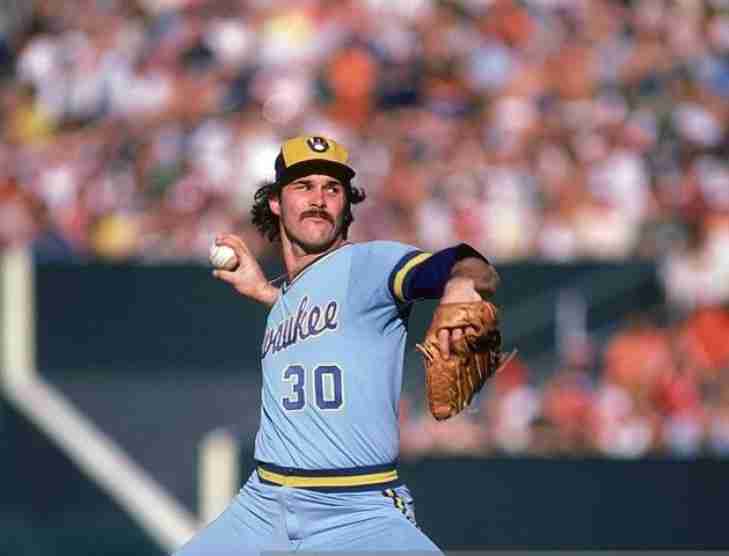
Moose Haas arrived in Milwaukee in 1976 as a second-round pick from Maryland, a 20-year-old right-hander with a nickname suggesting a hulking presence he didn't quite possess in stature—though his arm frequently told a different story. He was not the most imposing figure, but he operated with durability and a "strike-throwing" mindset that led to the franchise's most successful decade.
In 1978, Haas achieved peak efficiency by striking out 14 New York Yankees in one game, setting a franchise record that stood for over 25 years. He demonstrated control of his repertoire and famously fanned Reggie Jackson four times. An arm injury shortened that season, but he made a strong comeback in 1980, with a career-high 16 wins and 252.1 innings pitched. That year, he posted a 3.10 ERA, finishing in the league's top ten.
Haas achieved a new milestone in 1982 during the "Harvey's Wallbangers" campaign. His regular-season stats were steady, but he peaked in the postseason, winning Game 4 of the ALCS to keep Milwaukee’s hopes alive. In 1983, he led the American League in Winning Percentage (.813), with a 13-3 record and 3.27 ERA. Known for efficiency, he ranked in the top ten for BB/9 four times during his career.
Haas was traded to the Oakland Athletics in 1986. As a Brewer, Haas compiled a 91-79 record, a 4.02 ERA, and 800 strikeouts.
23. Jim Slaton
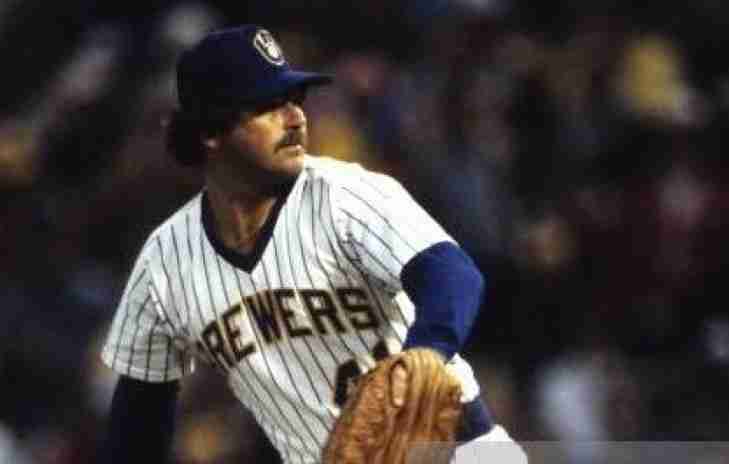
Jim Slaton didn't just play for the Brewers; he essentially grew up with them. Drafted by the Seattle Pilots before they packed up for Milwaukee, the right-hander arrived in 1971 as a 20-year-old and spent the better part of the next 13 years becoming the most prolific workhorse in franchise history.
In the mid-70s, Slaton established a durability benchmark of the era, throwing at least 217 innings for five straight seasons. His first major individual accolade came in 1977 when he earned his only All-Star nod after a strong first half that helped stabilize a transitioning rotation. He demonstrated complete mastery over his pitches, finishing 1976 with 14 wins, a 3.44 ERA, and an impressive 292.2 innings pitched.
After a one-year stint in Detroit, Slaton returned to the 414 in 1979 and quickly achieved a new level of efficiency. He posted a 15-9 record with a 3.63 ERA, helping to bridge the gap to the most celebrated period in Brewers history. His career reached its most memorable point during the 1982 "Harvey's Wallbangers" season. Although his role had shifted to the bullpen, he remained a key part of the team, and his legacy was cemented when he earned the win in Game 4 of the 1982 World Series against St. Louis.
Following the 1983 season, he finalized a deal to join the California Angels. Slaton compiled a 117-121 record, a 3.83 ERA, and 929 strikeouts with Milwaukee.
31. B. J. Surhoff
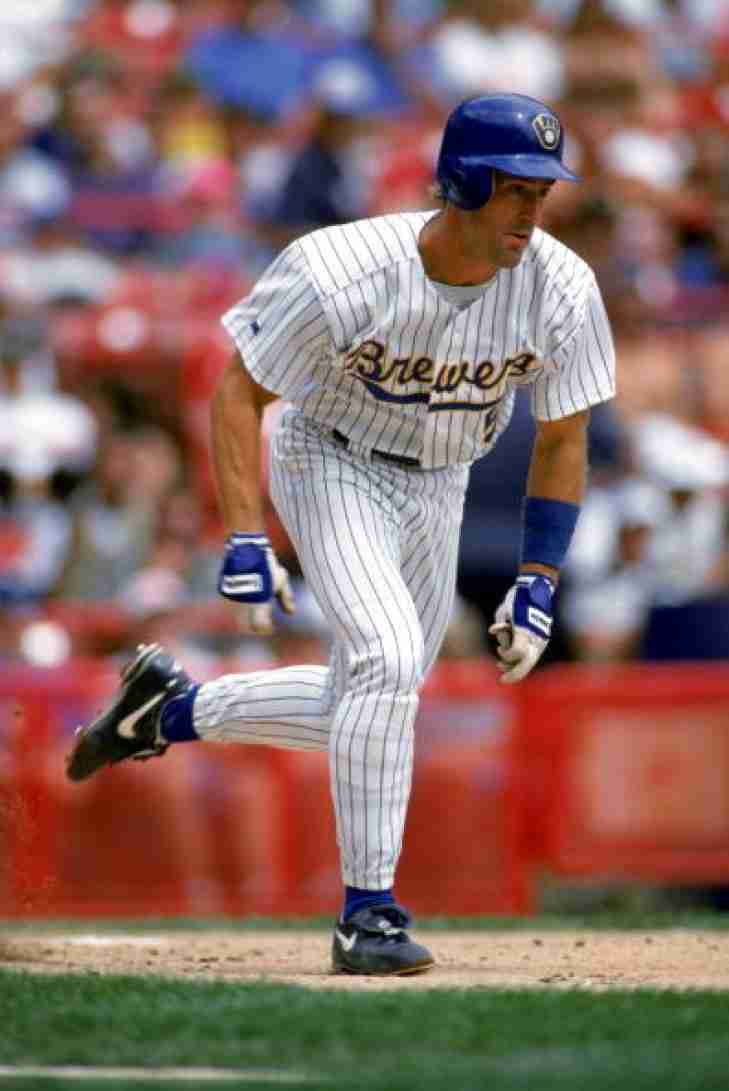
B.J. Surhoff joined Milwaukee in 1987 as the top overall pick from the 1985 draft, a highly regarded prospect known for his unique blend of college success and defensive skill. Although he reached the height of his statistics in Baltimore later on, he spent almost ten years with the Brewers, where he was a key contact hitter and an important part of the team’s lineup.
In 1987, Surhoff hit a remarkable milestone for a rookie catcher by batting .299 and playing a key role in igniting the team's memorable 13-0 start to the season. He demonstrated an impressive mastery of the strike zone right from the beginning, earning a reputation as one of the most challenging outs in the American League. Although he was initially drafted as a catcher, he showed incredible versatility by eventually playing at third base and in the outfield.
Between 1988 and 1991, Surhoff was a key catcher, playing over 125 games each season. He displayed excellent strike zone control, never striking out more than 49 times annually. In 1990, he hit a peak in situational hitting, stealing 18 bases and hitting 21 doubles.
In 1992, the organization started to shift behind the plate. While he remained a key player, with 121 hits and helping Milwaukee vie for the AL East title until the final weekend, he also began to make a special move across the diamond. By 1993, he had become remarkably versatile, taking on the role of the team's main third baseman. That year, he delivered a remarkable display of resilience. After a slow start, he soared to a career-high 38 doubles and 79 RBIs, earning the Brewers' Unsung Hero Award for his smooth transition to the hot corner.
After the 1995 season, Surhoff departed for Baltimore as a free agent. He batted .274 with 1,064 hits for the Blue Brew Crew.
36. Jeromy Burnitz
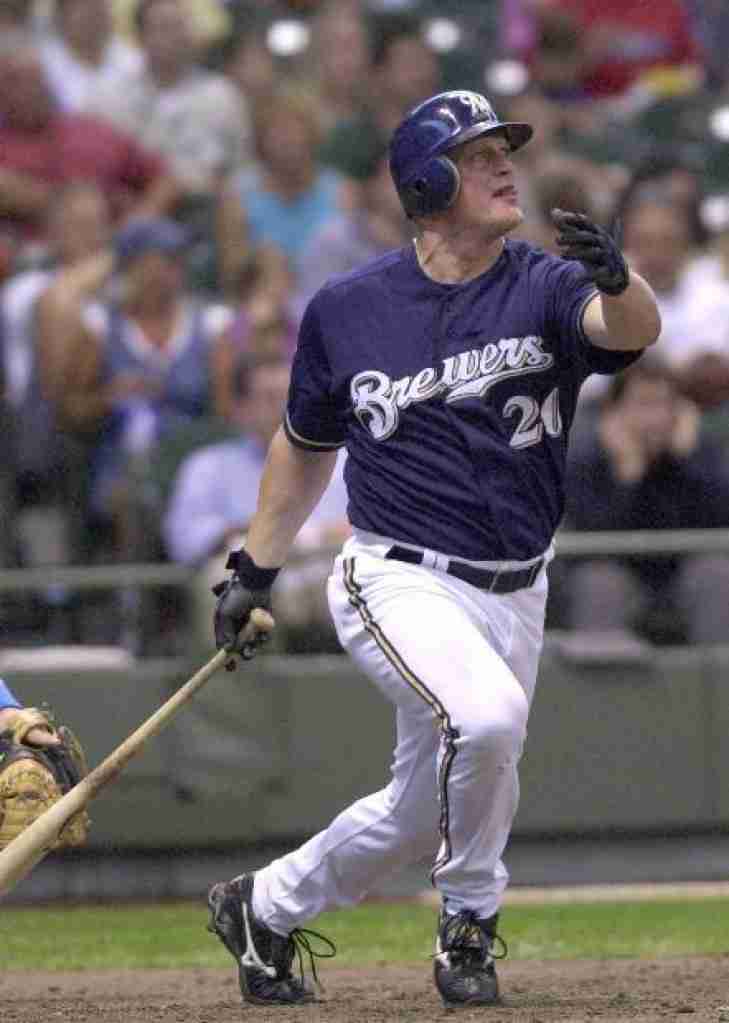
Jeromy Burnitz joined Milwaukee in late 1996, a former first-round draft pick who faced difficulties establishing himself in New York and Cleveland. The transaction that sent him to the Brewers in exchange for Kevin Seitzer is regarded as one of the most advantageous trades in franchise history, as Burnitz promptly became the central force of the Milwaukee offense.
After establishing his footing in late 1996, Burnitz reached a peak in 1997, contributing to a season that included 27 home runs and a career-high 20 stolen bases. He demonstrated comprehensive dominance within the American League during that summer, ranking within the top ten for slugging percentage and triples. Additionally, he became the first player in Brewers history to hit a home run in five consecutive games, exemplifying the essential catalyst for a lineup preparing for its notable transition to the National League.
Between 1998 and 2001, he had four consecutive seasons with at least 30 home runs, becoming only the second player in franchise history to reach that summit after Gorman Thomas. In 1998, he reached a career high in run production, with 38 home runs and 125 RBIs, finishing in the top ten in both categories. He attained a new level of individual recognition in 1999, earning his first All-Star selection and notably finishing as the runner-up in the Home Run Derby at Fenway Park. He was a consistent professional figure who appeared to set a historic milestone each summer, including hitting the first-ever ball into the upper deck in right field at Houston’s Enron Field in 2000.
With Milwaukee, Burnitz had 165 Home Runs, 714 Hits with a .258 Batting Average.
41. Richie Sexson
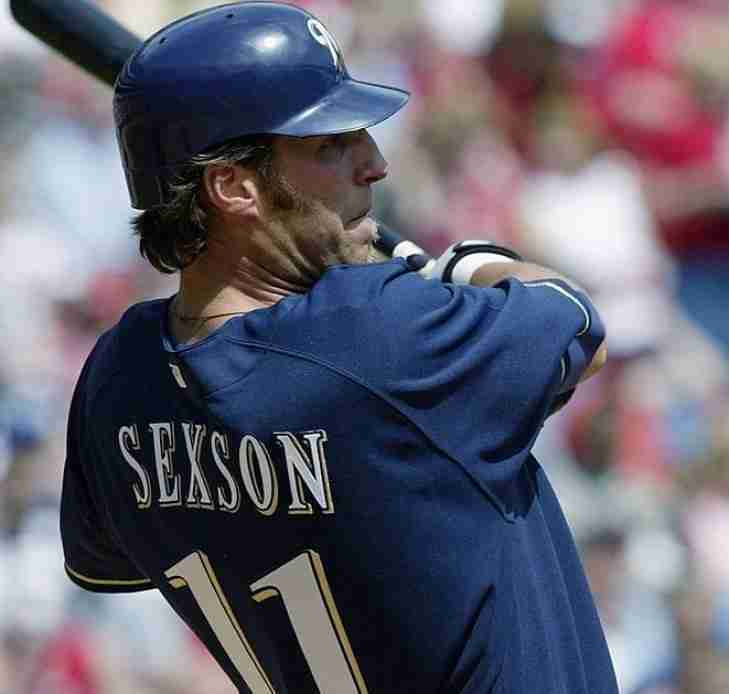
A towering 6-foot-8 presence, Richie Sexson was acquired from Cleveland in a blockbuster trade in 2000 that sent Bob Wickman and Steve Woodard the other way. While he would later play for several other franchises, he had his greatest success in the 414.
In 2001, Sexson’s first full season, he hit 45 home runs, had 125 RBI, and showcased dominance in the National League, finishing top ten in homers and RBI while earning MVP votes. On September 25, he and Jeromy Burnitz became MLB's first teammates to hit three home runs in a game. He reached 100 RBI for the first of three straight years.
Between 2002 and 2003, he remained a middle-order giant, with a slugging percentage over .500 each year for the Brewers. In 2002, he achieved recognition by earning his first All-Star selection, repeated in 2003 during a season where he matched his career-high with 45 home runs.
With his value at an absolute summit and the organization looking to restock its system, the Brewers finalized a massive nine-player trade that sent Sexson to the Arizona Diamondbacks. This deal brought a foundational package of prospects to Milwaukee, including future stars Junior Spivey, Chris Capuano, and Lyle Overbay.
As a Brewer, Sexson would go deep 133 times with a .536 Slugging Percentage.
26. Dan Plesac
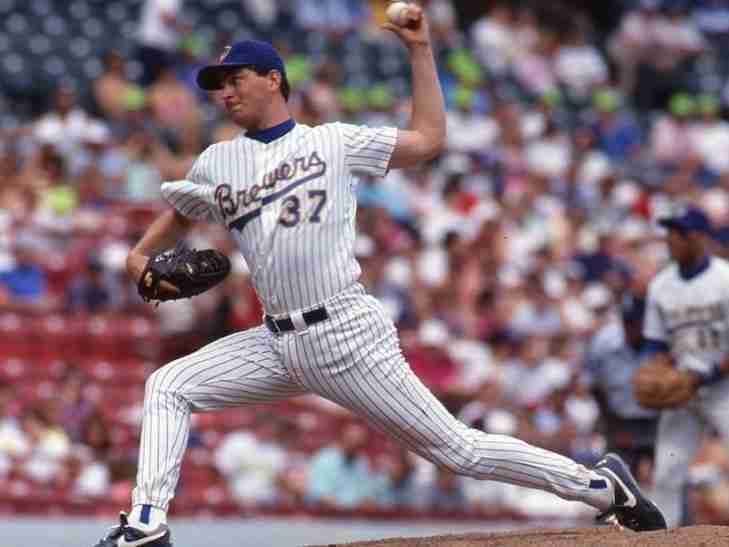
Dan Plesac, a 1983 first-round pick, was a durable southpaw and one of the most dominant relievers in franchise history. Though he started with the velocity of a closer, he anchored the bullpen for seven seasons in Cream City.
After a strong rookie year in 1986 with 14 saves and a 2.97 ERA, Plesac achieved remarkable success by earning three consecutive All-Star selections from 1987 to 1989. During this peak, he demonstrated mastery of the American League, posting a 2.41 ERA in 1988 and a career-high 33 saves in 1989. He was a key late-inning reliever and a vital part of the Brewers’ shift to a relief-focused approach.
Plesac recorded back-to-back seasons with at least 30 saves, becoming the first Milwaukee pitcher to do so. He ranked among the top five in saves three times. During the 1991 season, even when tried as a starter, he remained a high-leverage pitcher, setting a career high in strikeouts and proving his left-handed slider was effective in any role. By 1992, he had achieved a historic milestone few relievers of his era could match.
He departed Milwaukee for the Chicago Cubs before the 1992 season. As a Brewer, Plesac compiled a 3.21 ERA, 133 saves, and 452 strikeouts.
21. Yovani Gallardo
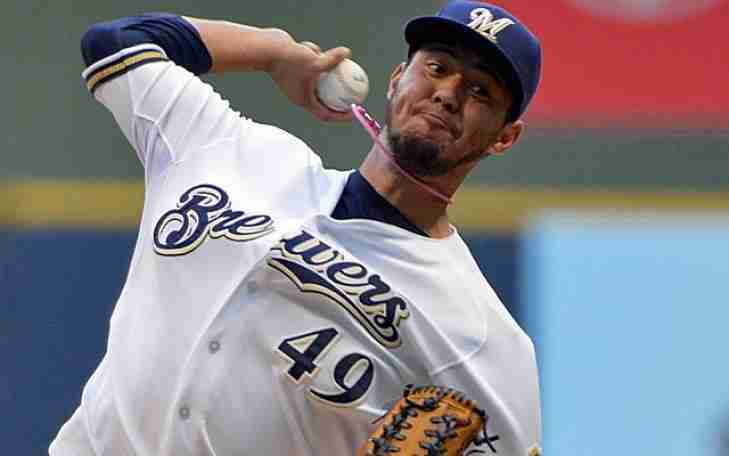
Yovani Gallardo debuted for the Milwaukee Brewers in 2007, a second-round pick out of Texas who quickly established himself as the most dominant right-hander the franchise had seen since the prime of Ben Sheets.
After a brief coffee break in 2007, Gallardo reached a peak in individual performance starting in 2009. He recorded four straight seasons with over 200 strikeouts, consistently ranking in the league’s top ten. During this period, he demonstrated complete mastery of his skill set, especially in 2010 when he earned his only All-Star selection and received the Silver Slugger Award. He was not only a formidable pitcher but also a key hitter in the lineup, once even homering off Randy Johnson to become the only pitcher ever to hit the "Big Unit" deep.
In the 2011 season, he was the primary engine of the rotation, recording a career-high 17 wins and finishing seventh in the Cy Young voting. He proved his mettle as a "big-game" giant in the NLDS against the Diamondbacks, allowing only one run over eight dominant innings in Game 1 and later helping the club reach the NLCS. Across this era, he was a professional mainstay of the Opening Day festivities, eventually setting a franchise record with five consecutive Opening Day starts.
Gallardo was traded to the Texas Rangers before the 2015 season, and he left behind a 89-64 record, a 3.69 ERA, and 1,226 strikeouts.
