


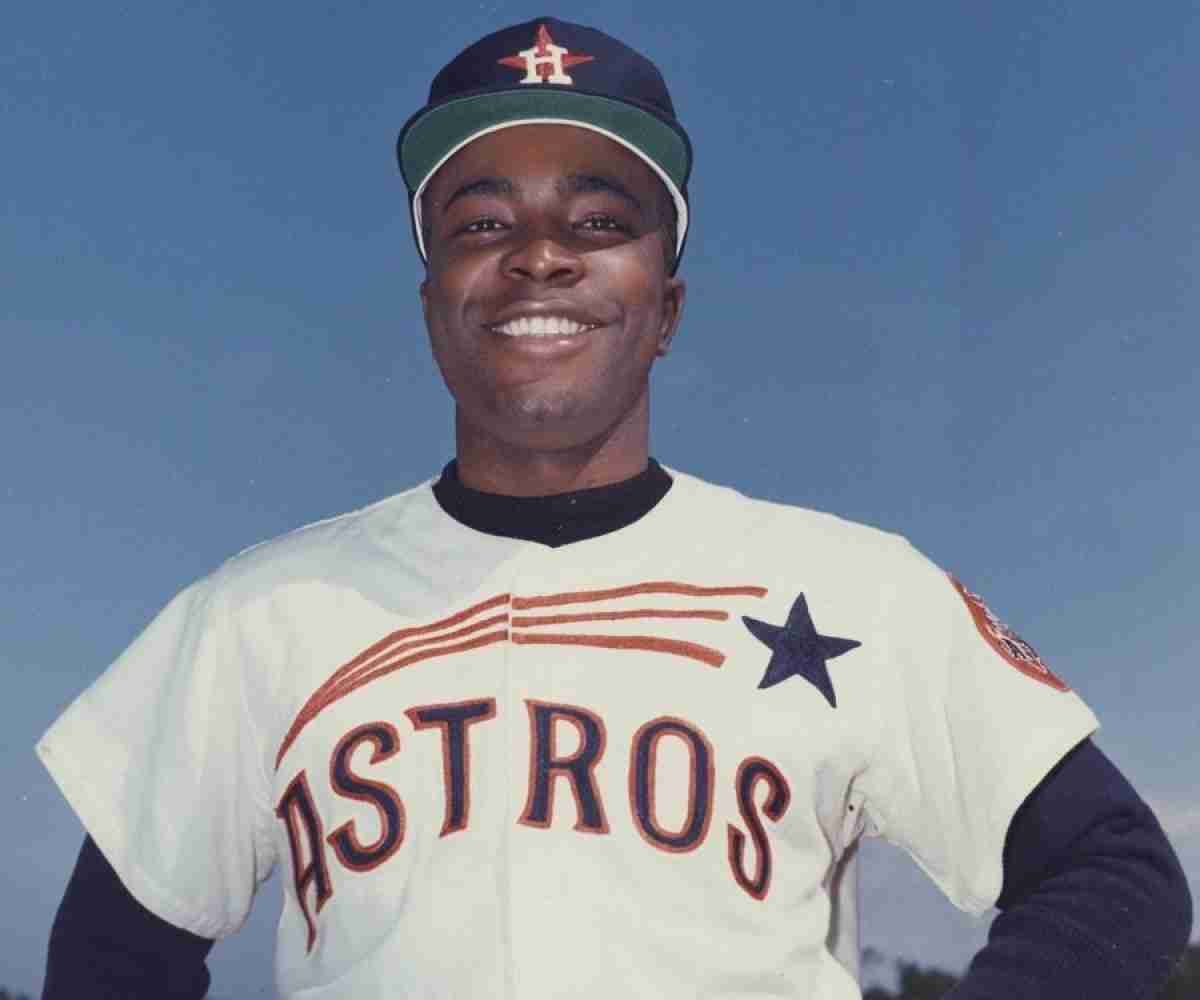
Joe Morgan arrived in Houston as a diminutive spark plug with a specialized batting stance that involved a rhythmic flap of his left arm, a tic designed to keep his elbow up that soon became a nightmare for National League pitchers. While his name is synonymous with the "Big Red Machine" of the seventies, it was in the humid confines of the Astrodome where he first refined the patient, high-velocity style that eventually made him the greatest second baseman of his generation.
Morgan’s rise in Houston began during the franchise’s transition from the Colt .45s to the Astros. He reached a career-defining breakout in 1965, finishing second in the Rookie of the Year voting after leading the league in walks with 97. This early display of plate discipline signaled a transition from a young prospect to a premier table-setter who prioritized on-base percentage long before it was a standard metric. He possessed a focused intensity on the basepaths, paired with a specialized ability to disrupt a pitcher's rhythm, which allowed him to score 100 runs in his first full season.
The heart of his first tenure was defined by a steady-state of elite, all-around production. Between 1966 and 1970, Morgan reached a new gear of consistency, earning two All-Star selections and leading the National League in walks again in 1967. Despite the Astrodome’s reputation as a "pitcher’s graveyard," he showed the organization that he could still provide occasional power, routinely reaching double digits in home runs while maintaining a high-frequency stolen base threat. However, a clash of philosophies with team management led to a sudden shift in direction; following the 1971 season, he was traded to Cincinnati in a blockbuster deal that many Houston fans still view as a franchise-altering mistake.
The story in Houston reached a surprising and poetic second act in 1980. After a legendary run of MVPs and World Series titles in Cincinnati, a veteran Morgan returned to the Astros as a free agent. He reached a final peak of leadership, providing the veteran-like poise that helped guide Houston to its first-ever postseason appearance. Even at age 36, he led the National League in walks for a third time, proving that his eye for the strike zone remained as sharp as ever. He left the club for good after that single-season homecoming, having amassed 972 hits and 219 stolen bases across his two stints in the city.

Comments powered by CComment