


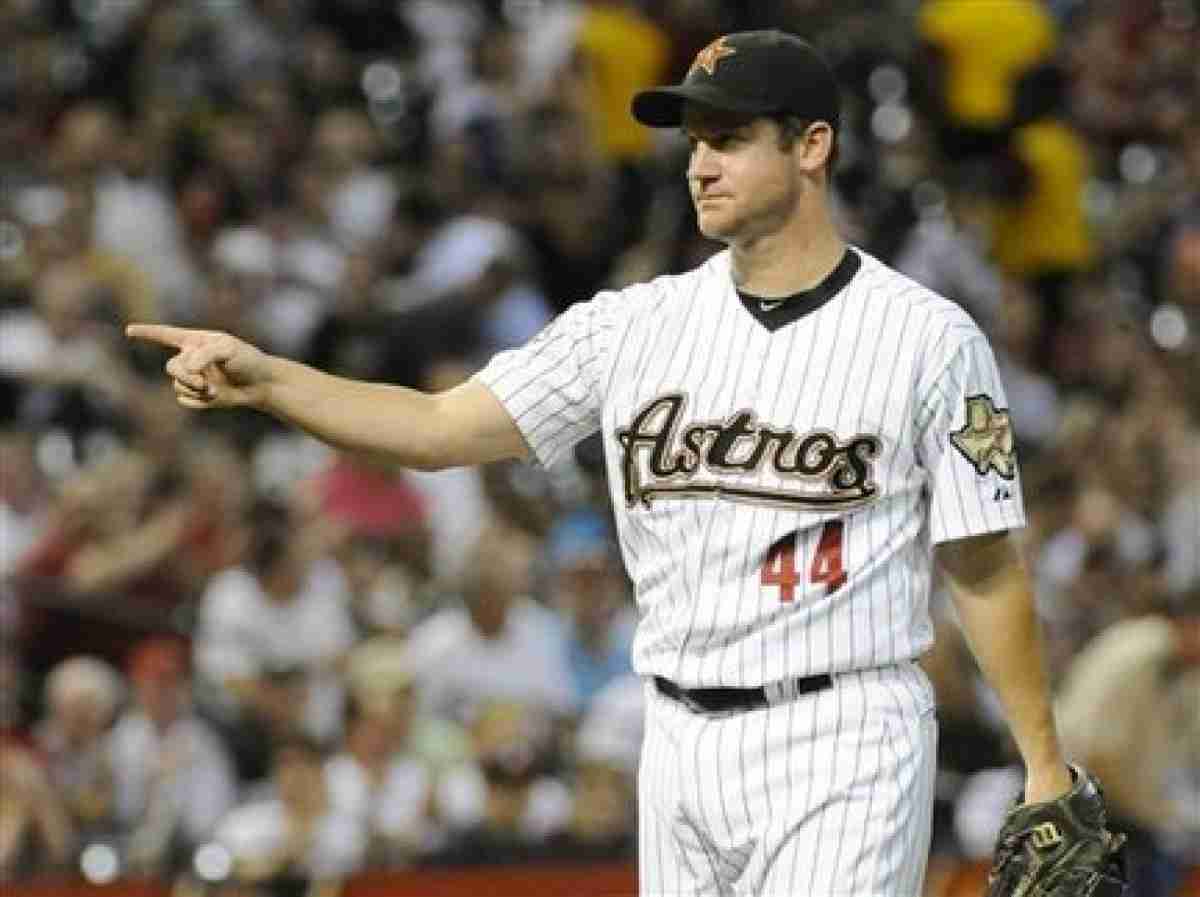


Roy Oswalt’s arrival in Houston in 2001 was like a jolt of electricity to a franchise already boasting legendary arms. A 23rd-round draft pick with a mid-90s heater and a "12-to-6" curveball that dropped off a table, Oswalt skipped the traditional grace period for rookies. He stepped onto the mound at Enron Field and immediately began dismantling big-league lineups with a surgical precision that made his 6'0" frame seem much larger.
He burst onto the scene in 2001 with a 14-3 record and a 2.73 ERA, finishing second for the Rookie of the Year and fifth in the Cy Young race. This wasn't a fluke; it was a blueprint. His best years were between 2004 and 2005, when he recorded back-to-back 20-win seasons, the first Astro to do so in a quarter-century. During this run, he led the National League in wins (2004) and provided a masterclass in durability, consistently eclipsing the 200-inning mark with a focused intensity that demoralized opposing hitters.
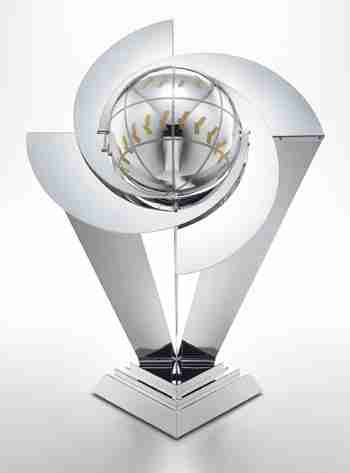
The hallmark of his time in Houston was his ability to rise to the occasion when the stakes were highest. During the 2005 postseason, Oswalt reached a historic outlier status. In the NLCS against St. Louis, he delivered a legendary performance in Game 6, pitching seven innings of one-run ball to clinch the pennant. His efforts earned him the NLCS MVP and famously won him a brand-new Caterpillar bulldozer from owner Drayton McLane. He possessed a specialized mental toughness that allowed him to thrive alongside Hall of Fame teammates like Roger Clemens and Andy Pettitte, often outshining them as the most reliable arm on the staff.
During the 2010 season, Oswalt was traded to Philadelphia, marking the end of a decade-long journey that saw him transform from a late-round sleeper into a statistical titan. He departed with 1,593 strikeouts and a reputation as a man who simply refused to be beaten, especially with a championship on the line.
As an Astro, Oswalt compiled 143 wins and 1,593 strikeouts while securing the 2005 NLCS MVP and an NL ERA title. The organization provided the final punctuation on his legacy in 2020 by inducting him into the Astros Hall of Fame.

Comments powered by CComment