


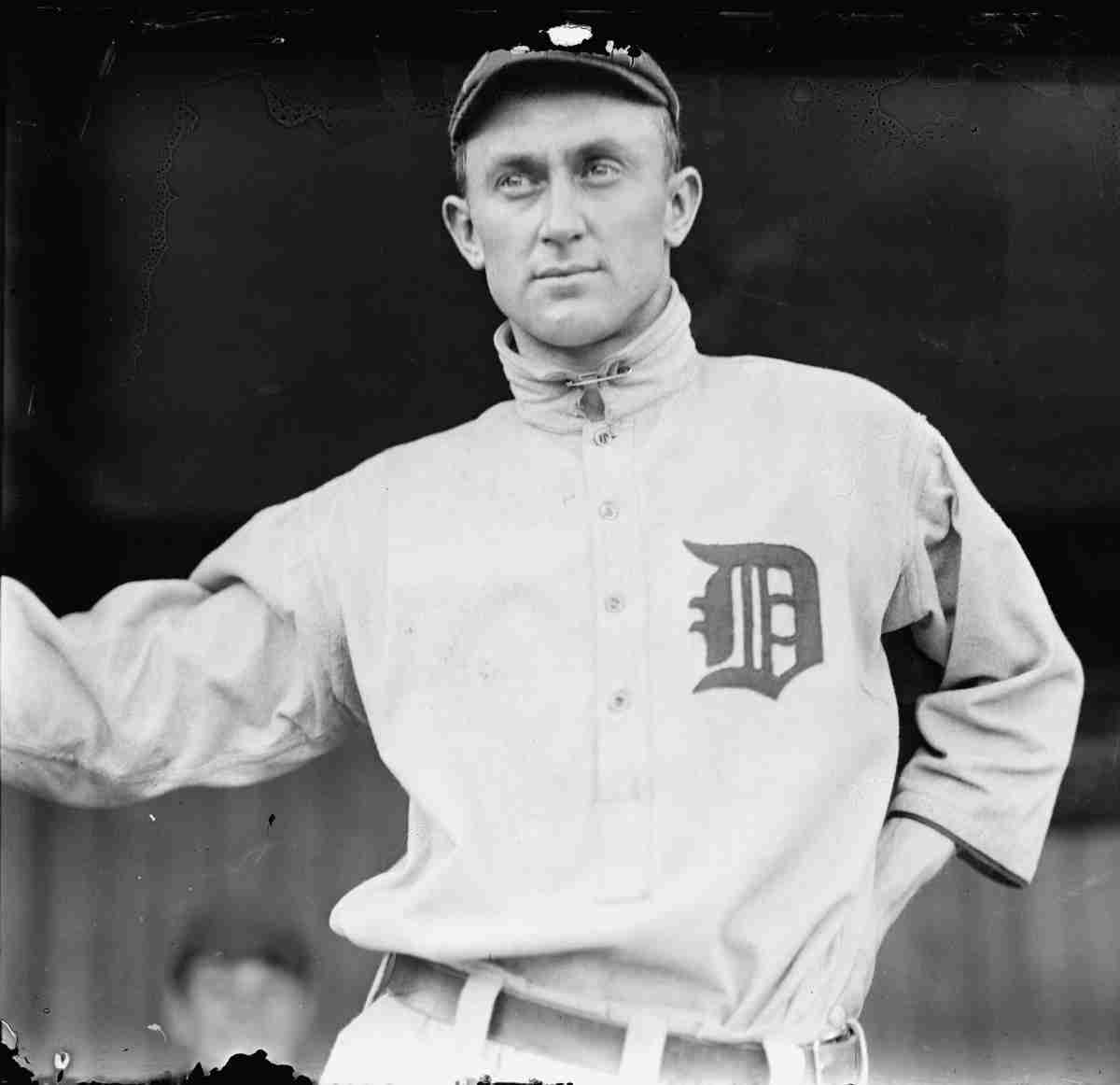



Ty Cobb’s arrival in Detroit in 1905 signaled the birth of a dynasty built on sheer force of will. He surfaced as an eighteen-year-old prodigy and matured instantly into the league’s premier offensive weapon, reaching a level of dominance that essentially turned the American League into his personal playground. He possessed a specialized, split-grip swing that prioritized bat control and field awareness, allowing him to capture a staggering eleven Batting Titles. This craftsmanship was not merely about contact; he was a model of total offensive efficiency, authored by eight slugging titles and ten seasons atop the OPS leaderboards, proving that he could generate power even in an era of mushy balls and expansive outfields.
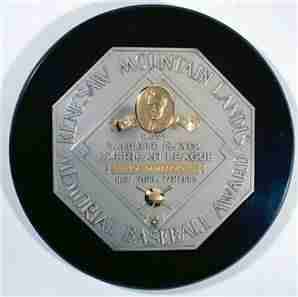
The most singular aspect of his tenure was the relentless pressure he applied once he reached the basepaths. Cobb was a master of the "inside game," utilizing a fearless, sliding style to capture six Stolen Base crowns and lead the league in runs scored five times. He wasn't just a physical outlier; he was a tactical ghost who studied pitchers’ habits and fielders’ positioning to exploit the smallest margin of error. His name became synonymous with excellence, punctuated by the 1909 Triple Crown and the inaugural AL MVP award in 1911. By the time he left Detroit, he had established an all-time batting average of .366, a benchmark that has stood as an unbreakable record for over a century.
His presence was defined by a polarizing, professional resilience and a physical style of play that earned him both respect and enmity from his peers. Cobb remained the heartbeat of the Tigers for over two decades, navigating the transition from the deadball era to the live-ball age without ever losing his elite edge. Whether he was lacing a line drive over an infielder’s head or stealing home to demoralize an opponent, he competed with a focused brilliance that made him a first-ballot immortal. He proved that a player could reach a historic ceiling through a rare combination of scientific preparation and an uncompromising desire to win every individual battle.
The chapter in Detroit concluded after the 1926 season, leaving behind a statistical legacy that included 3,900 hits, 892 Stolen Bases, and a .367 batting average in a Tigers uniform. He departed as the undisputed king of the hit, having set records for longevity and production that required decades, and thousands more plate appearances, or others to even approach.






Comments powered by CComment