


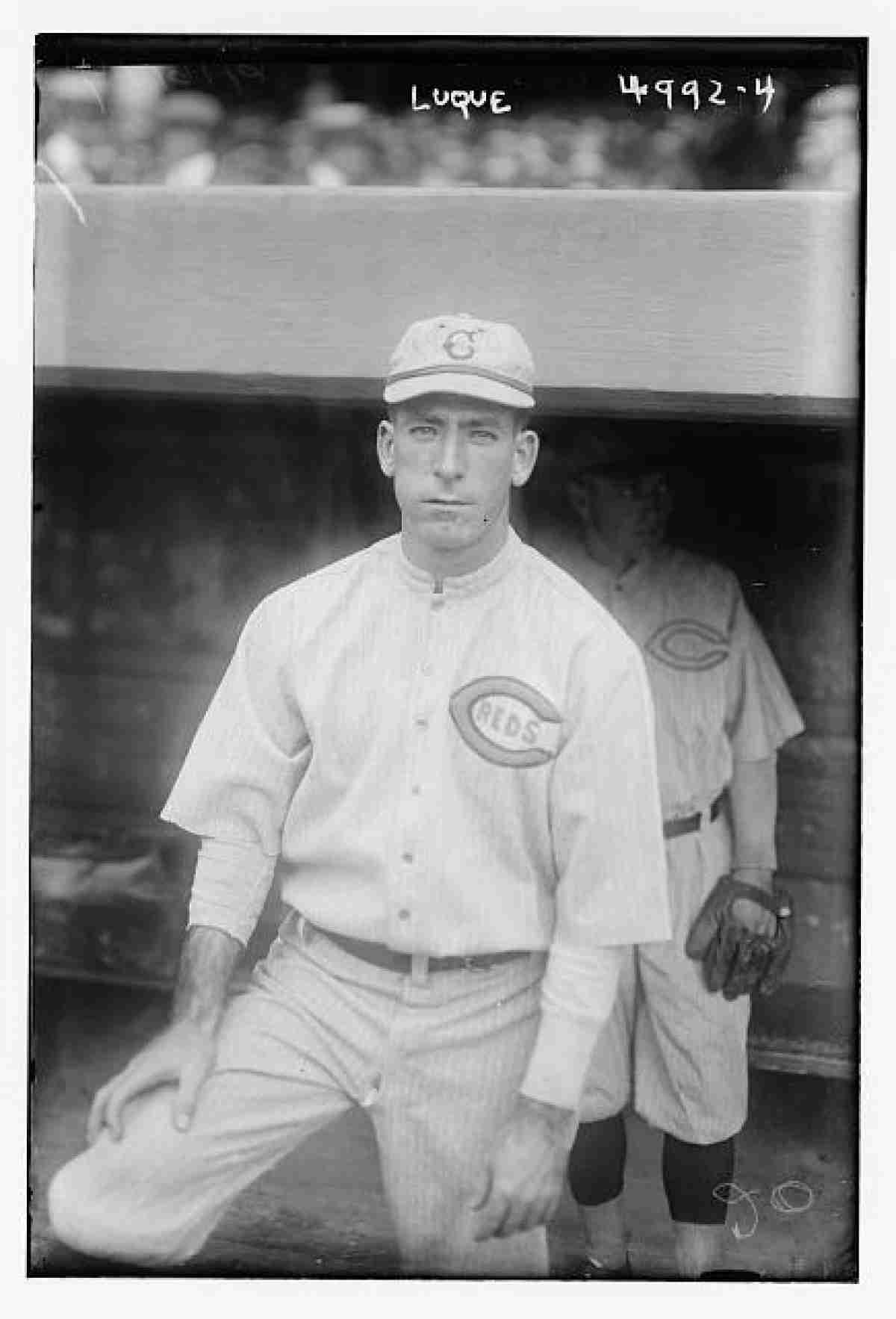


Dolf Luque’s journey to the Major Leagues was as much about navigating social hurdles as it was about mastering the strike zone. He matured into a cornerstone of the Cincinnati staff just as the Deadball Era gave way to the offensive explosion of the 1920s. A master of the breaking ball, Luque possessed a curve that buckled knees from New York to Chicago. He arrived as a young arm looking for a permanent home and quickly became the high-leverage anchor of the Reds' rotation, helping the club secure its first World Series title in 1919.
The absolute pinnacle of his career arrived in 1923, a season of such profound dominance that he was essentially pitching in a league of his own. That year, Luque won 27 games and posted a microscopic 1.93 ERA, leading the National League in both categories. He followed that masterpiece with another ERA title in 1925, a season in which he also led the league in WHIP. He wasn't just a volume-dense workhorse; he was an efficiency machine who could suppress runs even as the league's offensive numbers began to skyrocket.
His identity was defined by a fierce, competitive spirit and a surprising level of athleticism. Luque was a rare pitcher who could help his own cause, tallying 206 hits and a respectable .234 batting average during his tenure. He was a year-round ballplayer, spending his winters in Cuba, where he played and managed for over thirty years, effectively becoming the face of the sport in his home country. Whether he was baffling hitters at Redland Field or dominating the Cuban Winter League, Luque was a model of consistency and longevity.
The chapter eventually closed on his Cincinnati stay after the 1929 season, as he moved on to Brooklyn and later the New York Giants, where he would capture a second World Series ring in 1933. He left the Queen City as one of the most decorated and respected right-handers in the history of the senior circuit, a man who had proven that greatness knows no borders.
The baseball world’s recognition of his impact was as international as his career. Luque was eventually inducted into both the Cuban and Mexican Baseball Halls of Fame, and the Reds ensured his legacy would live on in Cincinnati by inducting him into the franchise Hall of Fame in 1967.

Comments powered by CComment