


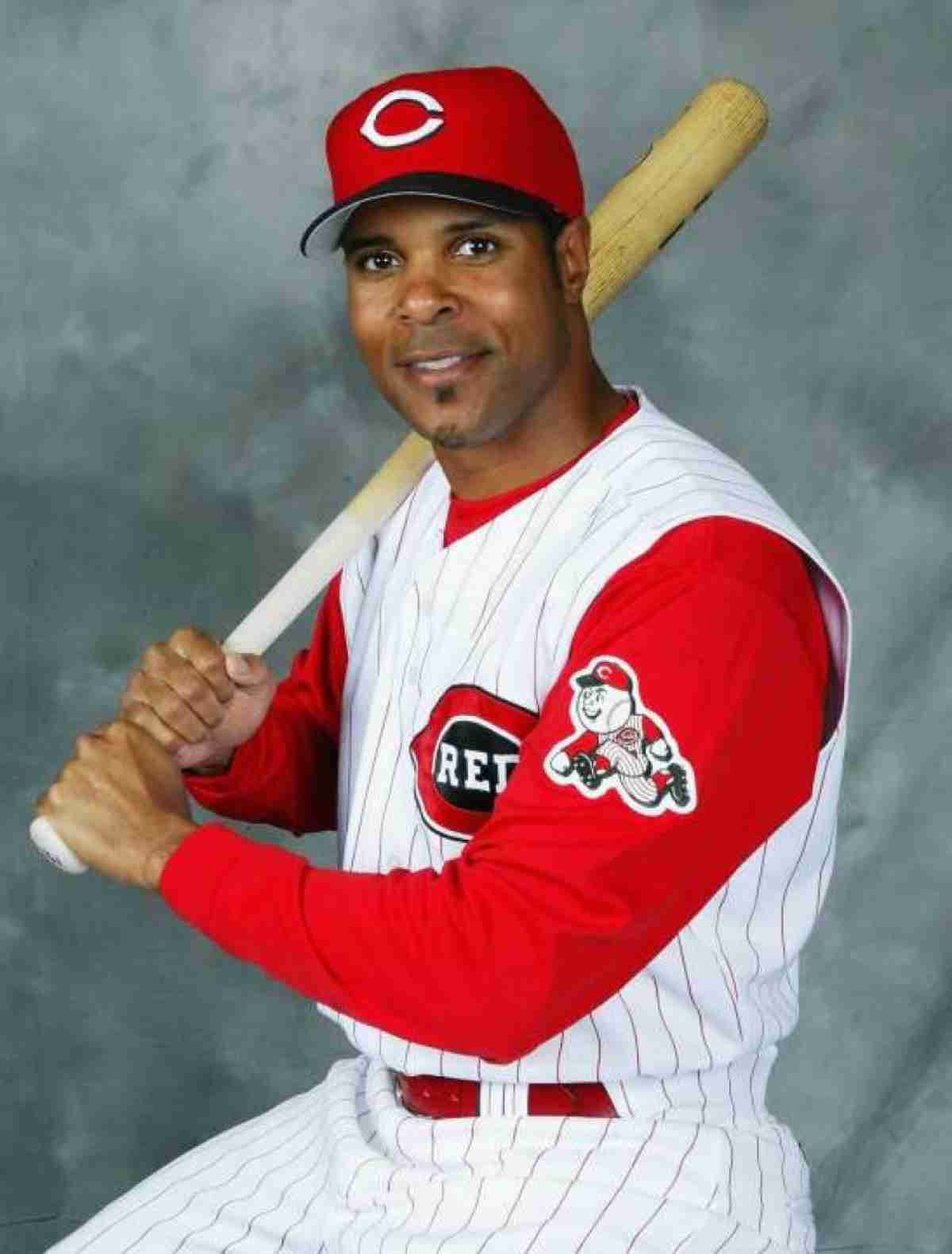






When Barry Larkin arrived on the South Side of Cincinnati in 1986, the city didn’t just gain a shortstop; it gained a favorite son. Born and raised in the area, Larkin played with a level of comfort and command that suggested he had been destined for the position since childhood. He wasn't the flashy, oversized shortstop of the future; he was a surgical, five-tool technician who combined elite speed with surprising power and a gold-glove caliber vacuum at the bag. He arrived as a high-pedigree prospect and immediately began a "Lifer" journey that would see him never wear another professional jersey.
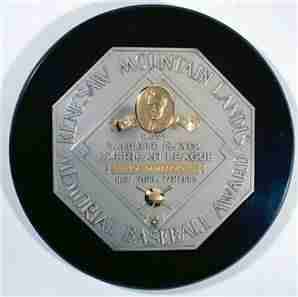
The middle chapter of his residency was defined by the magic of 1990. While the "Nasty Boys" bullpen got the headlines, Larkin was the steady hand that guided the Reds to a wire-to-wire World Series sweep of the Oakland A’s. He batted .353 in that Fall Classic, proving he was a big-game hunter on the grandest stage. As the 90s progressed, he evolved from a "solid contributor" into the undisputed MVP of the league. In 1995, he captured the NL MVP award, and a year later, he made history as the first shortstop to ever record a 30-30 season. He was the prototype for the modern shortstop—a player who could beat you with a stolen base in the first inning and a walk-off home run in the ninth.
Defensively, Larkin was the heartbeat of the infield. A three-time Gold Glove winner, he played with a cerebral intensity that allowed him to compensate for any physical toll the turf at Riverfront Stadium took on his body. He was a 12-time All-Star who led by example, eventually serving as the team's captain and the primary bridge between the championship squad of 1990 and the rebuilding years of the late 90s. His statistical footprint remains staggering for a middle infielder: 2,340 hits and a career slash line of .295/.371/.444.
The final walk toward the exit in 2004 was a bittersweet moment for Southern Ohio. After 19 seasons of unwavering loyalty, Larkin retired as a first-ballot immortal in the eyes of the fans, even if it took three years for the national voters to officially usher him into Cooperstown in 2012. The Reds rightfully hoisted his number 11 to the rafters that same year, cementing his legacy as the most complete shortstop of his generation. He arrived as a local prodigy and left as a permanent hero, the man who proved that you can go home again—and stay there until the end.

Comments powered by CComment