


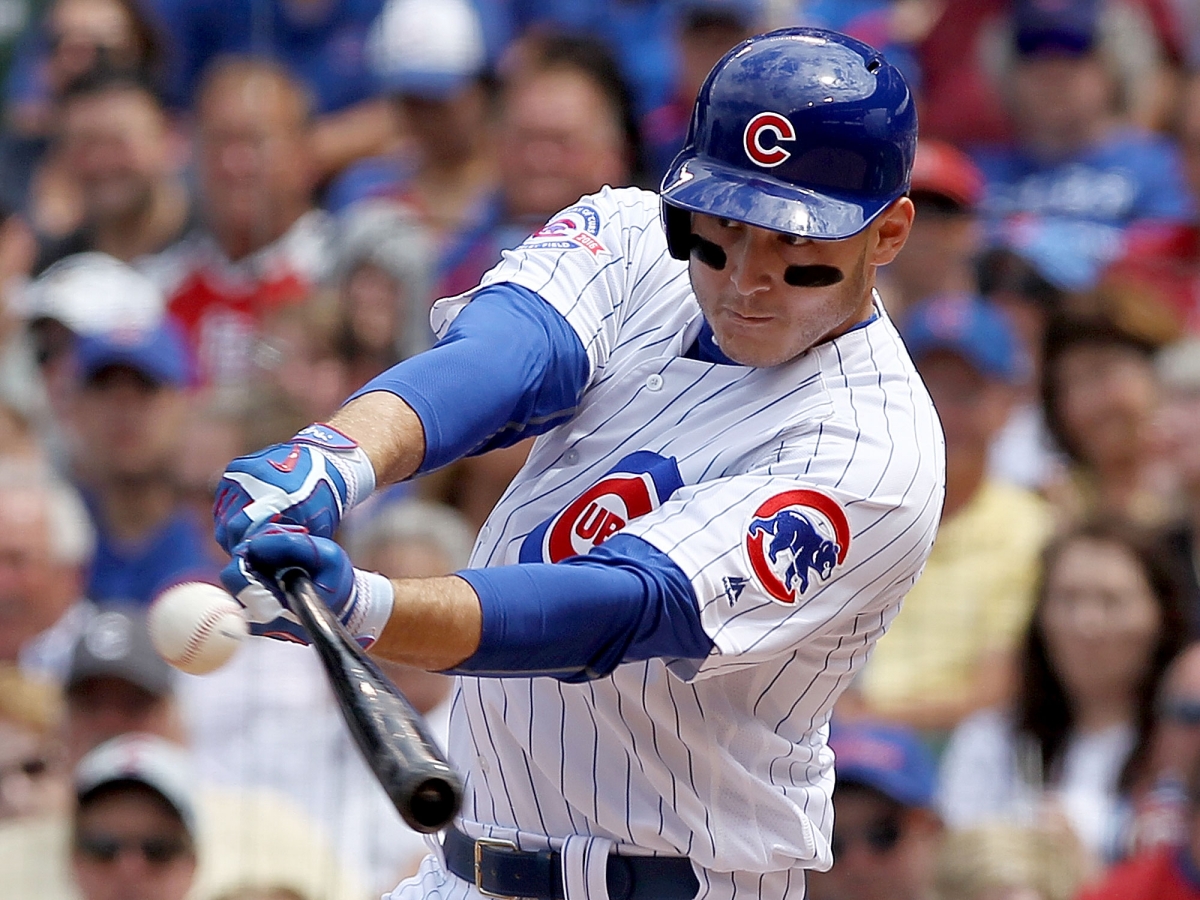



When Anthony Rizzo arrived in Chicago via a low-profile trade in 2012, he was a prospect with high potential but limited major-league experience. He spent a brief period in Triple-A before being called up, and he immediately signaled that the renovation of Wrigley Field had found its cornerstone. He arrived as a young hitter searching for a foothold and quickly matured into an upper-echelon producer, launching 15 home runs in his partial debut season. By 2013, he had locked down first base for the long haul, proving that his left-handed power and high-character leadership were exactly what a rebuilding franchise required.
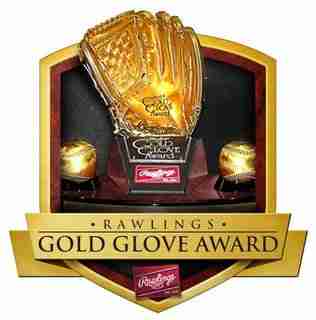
The middle of his Chicago residency was a showcase of remarkable durability. Between 2014 and 2017, Rizzo was a model of consistency, rattling off four consecutive seasons of at least 30 home runs and driving in over 100 runs in four straight years from 2015 to 2018. A three-time All-Star in a Cubs uniform, he combined a "crowd-the-plate" toughness with a refined hitting approach that made him a nightmare for opposing pitchers. He wasn't just a volume producer; he was an elite defender, capturing four Gold Gloves with a surgical ability to pick throws out of the dirt and a high-IQ awareness that often saw him involved in unorthodox defensive shifts.
The high-leverage pinnacle of his tenure was, without question, the historic 2016 campaign. Rizzo didn't just participate in the World Series run; he willed the team through it, batting .320 in both the NLCS and the World Series. His resilience and his ability to keep the clubhouse loose, famously playing through the "glass case of emotion" during Game 7, cemented his legacy as the heartbeat of the championship squad. Beyond the box score, his character was defined by his philanthropy and his leadership, earning him the prestigious Roberto Clemente Award in 2017 for his work off the diamond.
To be direct about his departure, the final walk toward the exit in 2021 was a difficult moment for the Wrigley faithful. As the organization shifted into restructuring mode, Rizzo was traded to the New York Yankees, ending a ten-season residency that saw him belt 242 home runs and collect 1,311 hits as a Cub. He left Chicago as a permanent hero, the man who caught the final ball of the 108-year drought and tucked it into his back pocket—a symbolic gesture for a city that had finally reached the summit.

Comments powered by CComment