


Site Admin
19. Jose Rijo
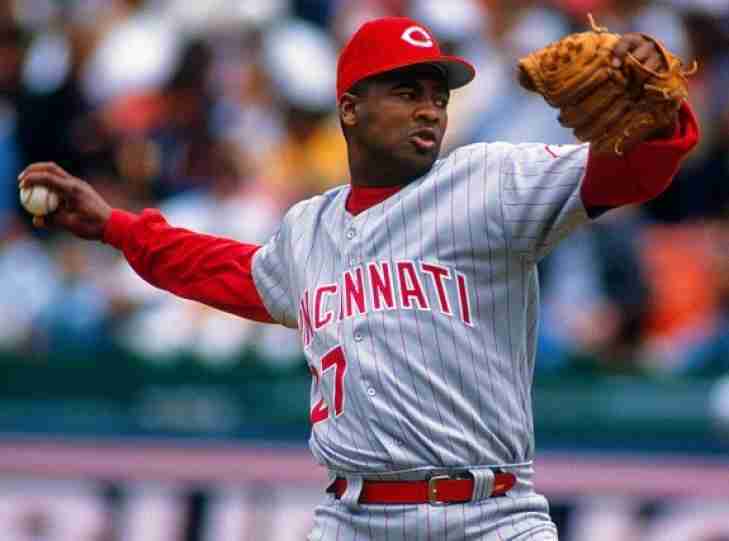
When Jose Rijo arrived in 1988, he was a pitcher looking to harness elite raw tools, but he quickly matured into a tactical ace who thrived under the brightest lights. Though surprisingly only recognized as an All-Star once, his efficiency was undeniable. He was a perennial fixture at the top of the leaderboards, finishing in the top five in ERA four times during his stay. He arrived as a hard-thrower and evolved into an efficiency machine, leading the National League in WHIP in 1991 and in strikeouts and overall bWAR for pitchers in 1993.
The absolute pinnacle of his career, and a defining moment for the franchise, arrived during the 1990 World Series. Facing a heavily favored Oakland Athletics dynasty, Rijo authored a masterpiece of run suppression. He went 2-0 with a microscopic 0.59 ERA in the Fall Classic, essentially silencing the Oakland bats and earning World Series MVP honors as the Reds completed a shocking four-game sweep. He wasn't just a part of the rotation; in that moment, he was the most dangerous man on a baseball diamond, providing the high-leverage excellence that delivered a championship to the South Ohio faithful.
His identity was synonymous with a relentless competitive spirit, though his body eventually struggled to keep pace with his arm. After a series of elbow issues seemingly ended his career in the mid-90s, Rijo made a historic and unprecedented return to the mound five years later, becoming the first player to ever return to the Majors after having already appeared on a Hall of Fame ballot. This two-year stint in middle relief served as a testament to his durability and love for the organization, allowing him to finish his journey where it mattered most.
The chapter finally reached its formal conclusion after the 2002 season, but his impact on the franchise remained indelible. He left the organization as a statistical titan of the modern era, a man whose peak performance was as brilliant as any in the team's long history. He proved that greatness isn't always about accumulating 300 wins; sometimes, it’s about being the absolute best in the world when the world is watching.
In 2005, the Reds ensured his immortality by inducting him into the Cincinnati Reds Hall of Fame.
16. Dave Concepcion
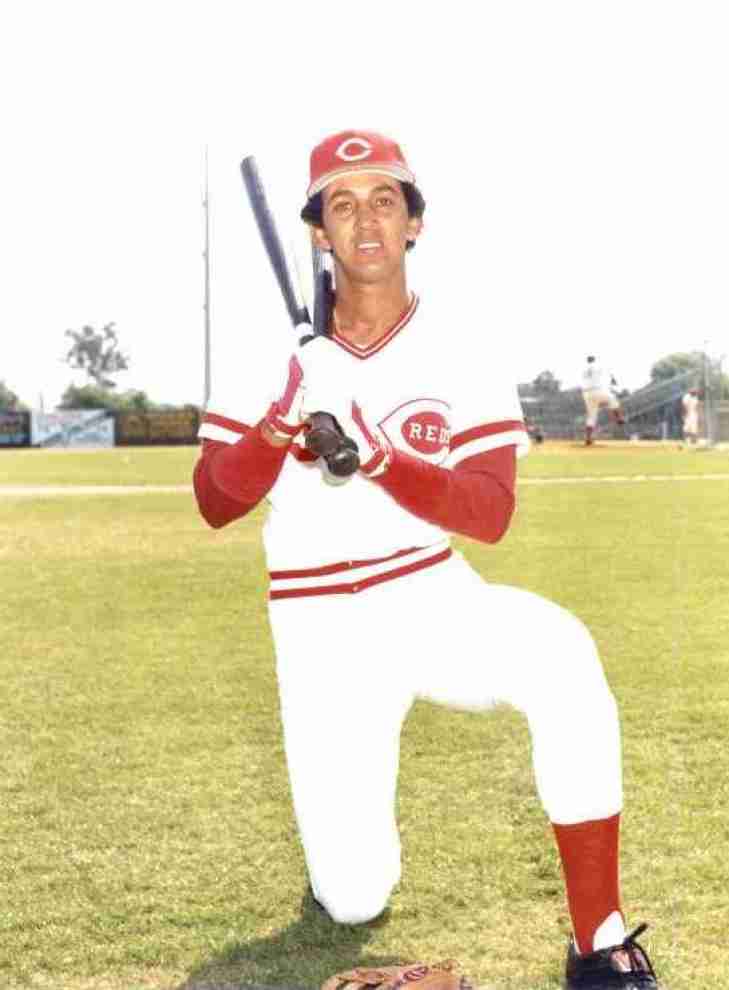
When Concepción arrived in 1970, he was a lean, athletic prospect tasked with manning the most demanding spot on the field for a team with championship aspirations. He matured instantly into a defensive wizard, famously pioneering the "one-hop" throw across the slick Cincinnati turf to beat runners to first base. This innovative approach helped him capture five Gold Glove Awards and earn nine All-Star selections, establishing him as the premier defensive shortstop of the 1970s. He wasn't just a cog in the machine; he was the steady hand that ensured the defense remained as potent as the lineup.
The peak of his career coincided with the franchise’s greatest era. As the Reds marched to back-to-back World Series titles in 1975 and 1976, Concepción provided the stability and veteran poise that allowed the stars around him to shine. He was far more than a defensive specialist, however, developing into a highly productive offensive threat who amassed 2,326 career hits and swiped 321 bases. He finished in the top ten in defensive bWAR seven times, showing a level of consistency that few at his position have ever matched over such a massive volume of games.
His identity was synonymous with the number 13 on his back and the captain’s "C" on his jersey. Concepción played all 2,488 of his Major League games in a Reds uniform, a rare feat that underscored his commitment to the city and the organization. Whether he was diving into the hole to take away a base hit or delivering a high-leverage knock in the postseason, he was the heartbeat of the clubhouse. He concluded his journey in 1988, leaving behind a legacy as the club’s greatest shortstop.
The chapter of his playing days may have closed, but the accolades continued to pour in. The Reds ensured his place in the pantheon of Queen City greats by inducting him into the franchise Hall of Fame in 2000, and in 2007, the organization bestowed the ultimate honor by retiring his iconic number 13.
17. Eppa Rixey
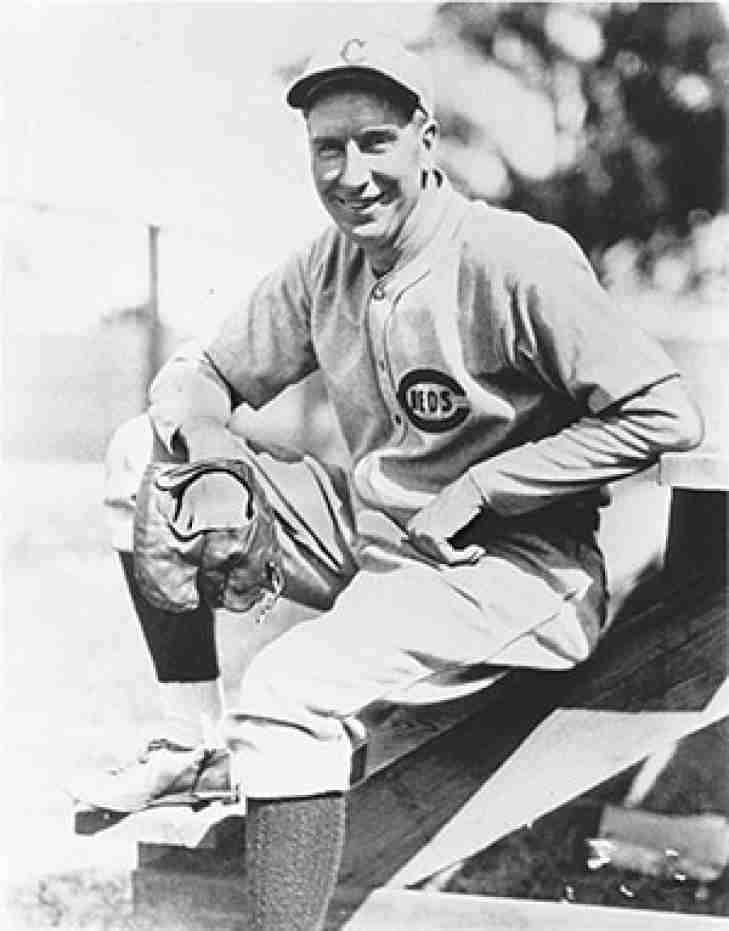
When the Reds acquired the man they called "Jeptha" in 1921, they were adding a veteran who was just beginning to touch his statistical ceiling. Rixey matured instantly into the staff's most reliable weapon, winning 179 games in a Cincinnati uniform and eventually setting the all-time mark for wins by a left-hander, a record that would stand until the arrival of Warren Spahn. He arrived as a respected arm and quickly became the high-leverage anchor of the rotation, rattling off three 20-win campaigns and leading the National League with 25 victories in 1922.
The true genius of his game was found in his ability to keep the ball in the park during an age when home runs were becoming the league's primary currency. In 1921, Rixey authored a masterpiece of efficiency, allowing just one home run over a staggering 301 innings of work. He followed that by leading the league in fewest home runs allowed per game twice more during his tenure. He wasn't just a volume-dense workhorse; he was an expert at run prevention who understood how to navigate the most dangerous parts of a lineup without giving in to the long ball.
His identity was that of a quiet, "amiable" professional who led by example. Rixey was a fixture in the Cincinnati rotation for 13 seasons, providing a level of stability that helped the organization remain competitive throughout the decade. Whether he was logging 300-plus innings or working out of a jam in a close game, he was the arm the Reds leaned on most. He concluded his long journey in 1933, leaving the game as the winningest southpaw in the history of the sport at the time of his retirement.
The chapter of his playing days eventually transitioned into a period of historic recognition. The Reds honored his massive contribution by naming him to the franchise Hall of Fame in 1959, and the baseball world at large followed suit in 1963 by inducting him into the National Baseball Hall of Fame in Cooperstown.
14. Bid McPhee
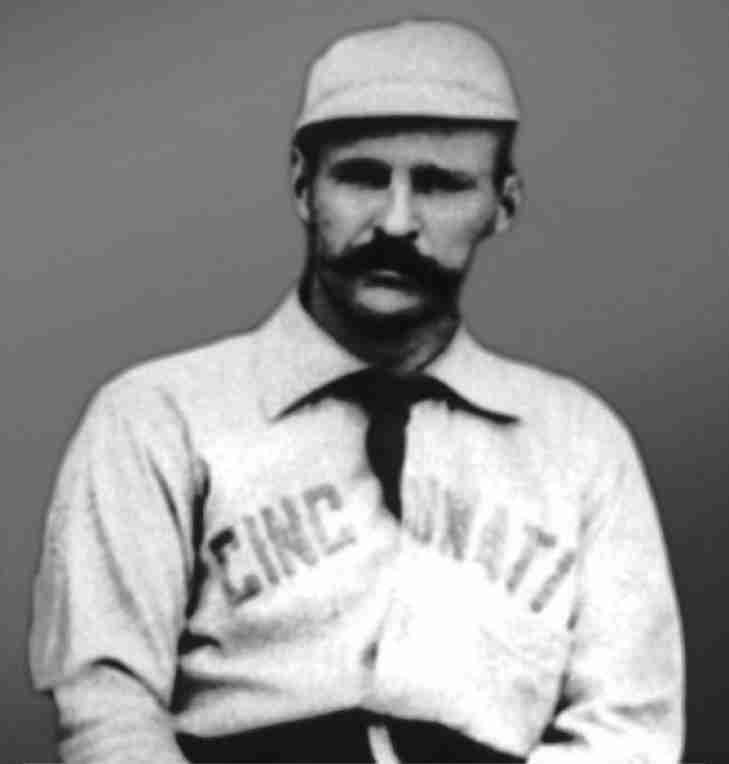
McPhee’s tenure in Cincinnati began in 1882, and over the next eighteen seasons, he became the ultimate lifer, never once donning another uniform. He was far more than a defensive specialist, accumulating 2,258 career hits and serving as a consistent leadoff threat with a keen eye and surprising power for the era. However, his true brilliance was found in the field. He famously resisted the introduction of the baseball glove until the very end of his career, claiming that the leather hindered his ability to feel the ball and make the lightning-fast transitions required at the keystone.
The statistical evidence of his defensive dominance is staggering, even by modern standards. McPhee led the league in double plays turned 11 times and remains the all-time career leader for second basemen in putouts. He was a master of positioning and anticipation, finishing in the top ten in defensive bWAR ten times throughout his career. He wasn't just reacting to the play; he was dictating it, pioneering the art of the double-play pivot and showing a level of durability that saw him average nearly 130 games a season at a time when the schedule was significantly shorter.
His identity was synonymous with Cincinnati baseball during its formative years. Whether he was bare-handedly snaring a liner or navigating the rough-and-tumble baserunning of the 19th century, McPhee was the steady pulse of the organization. He concluded his long journey in 1899, leaving behind a resume that redefined the expectations for his position. He proved that the second base bag could be a place of both high-volume production and elite artistry, a lesson that the game took to heart long after he hung up his cleats.
For decades, McPhee was a forgotten giant of the Deadball Era, but the passing of time only highlighted the magnitude of his achievements. Recognition finally arrived on a national scale in 2000, when he was posthumously inducted into the Baseball Hall of Fame. Locally, the Reds ensured his place in the pantheon of Queen City greats by inducting him into the franchise Hall of Fame in 2002.