

34. Tom Gordon
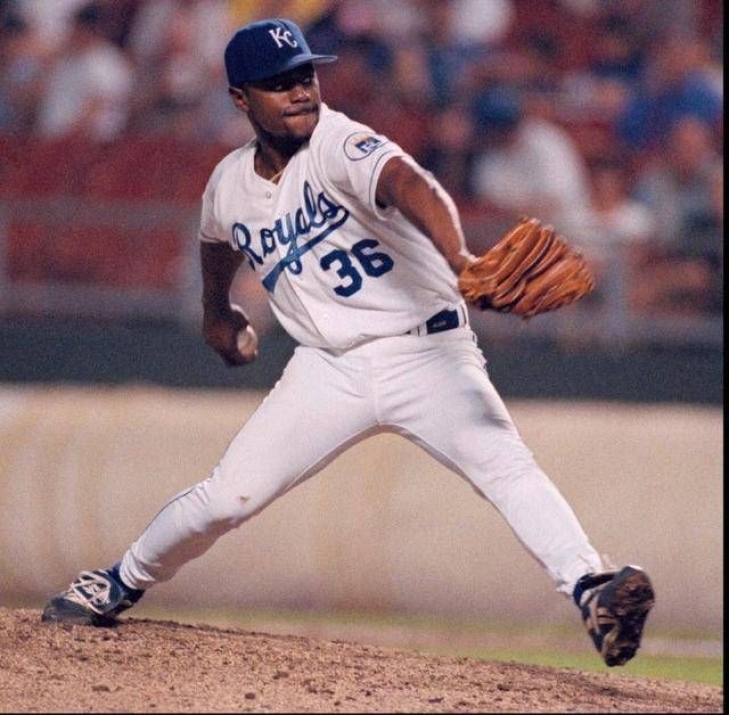
48. Steve Farr
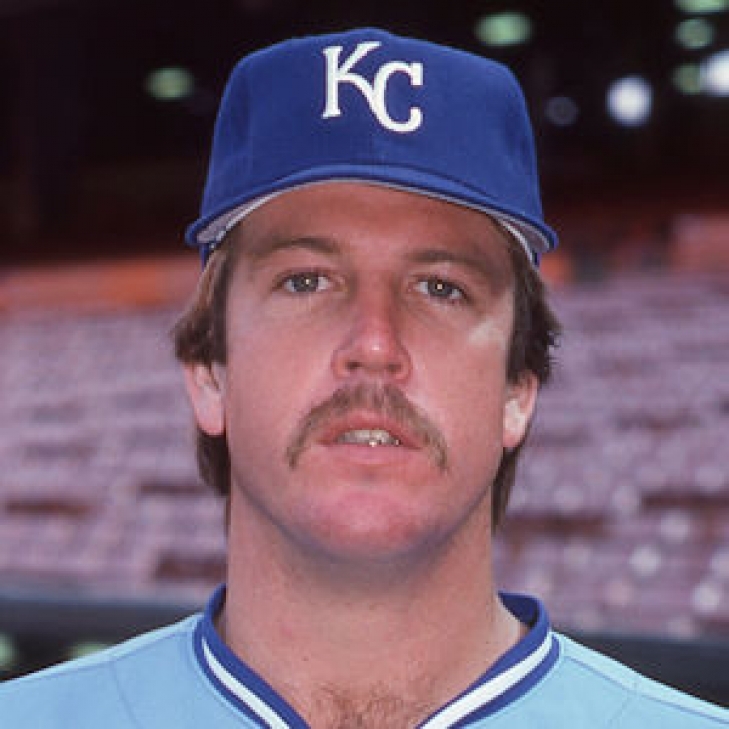
44. Bud Black
Black had a 56-57 record with a 3.73 ERA for Kansas City.
29. Kevin Seitzer
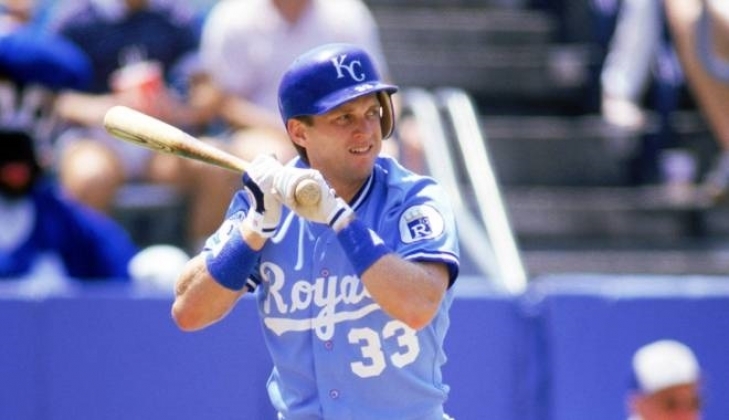
35. David Cone
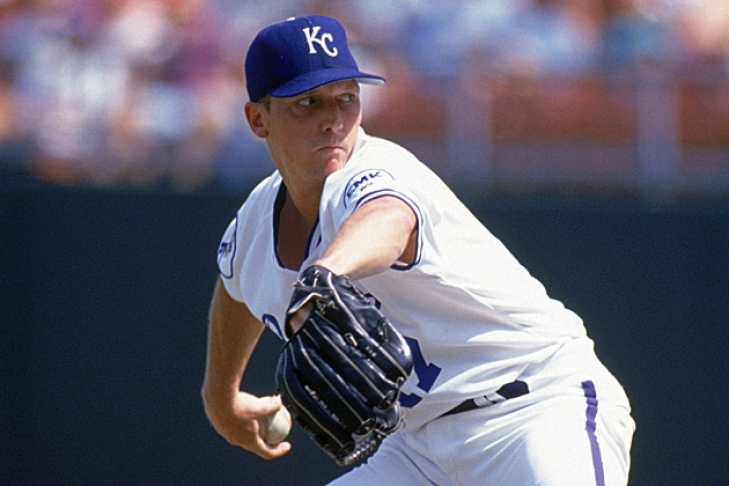
David Cone would become known (right or wrong) as a “gun for hire”, a Pitcher who could get you over the hump. While he was often a Cy Young contender the only time he did win the award was in 1994…when he was a member of the Kansas City Royals.
30. Joakim Soria
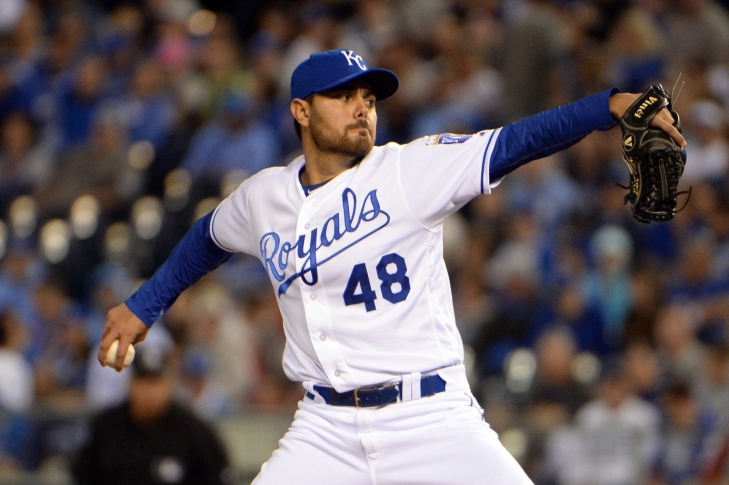
A Rule 5 Draft choice from the San Diego Padres, Joakim Soria was brought in and immediately found a spot in the Royals’ bullpen. Soria saved 17 Games in his rookie year and in the next three seasons he would save 30 or more games while going to two All-Star Games. In those three years he would post an ERA of 1.84 with a 1.005 WHIP and in 2010 he finished second in Win Probability Added and Saves while also finishing tenth in Cy Young voting.
32. David DeJesus
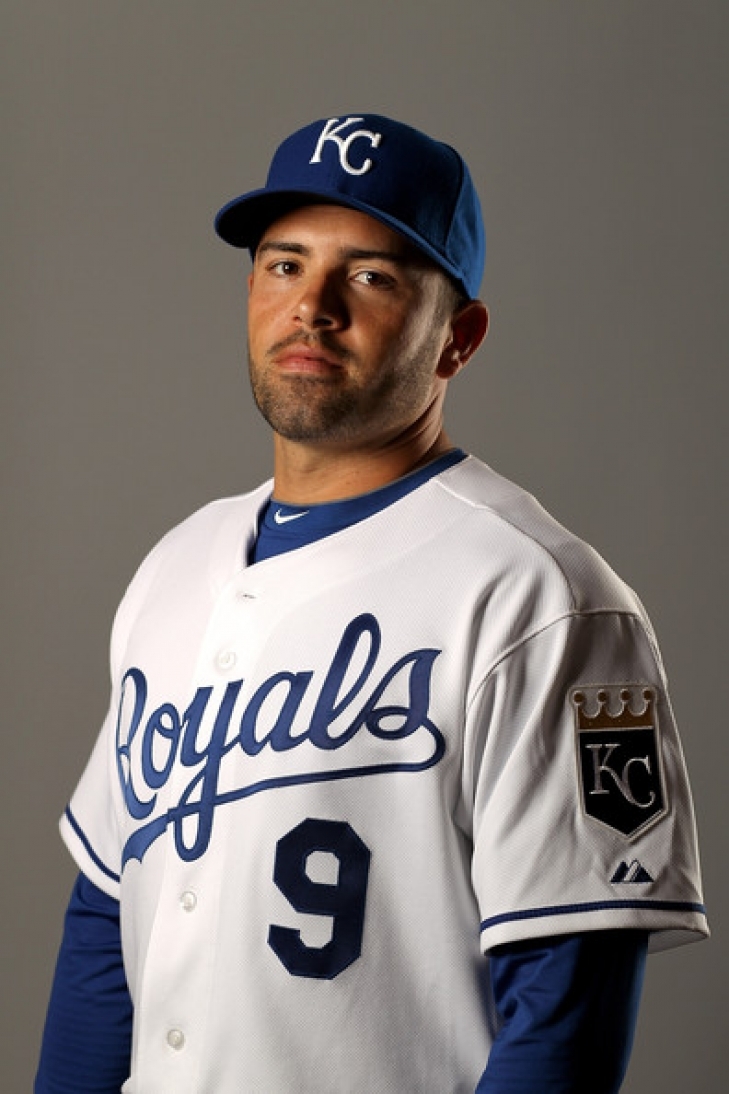
As a Royal, DeJesus batted .289 with 971 Hits.
26. Eric Hosmer
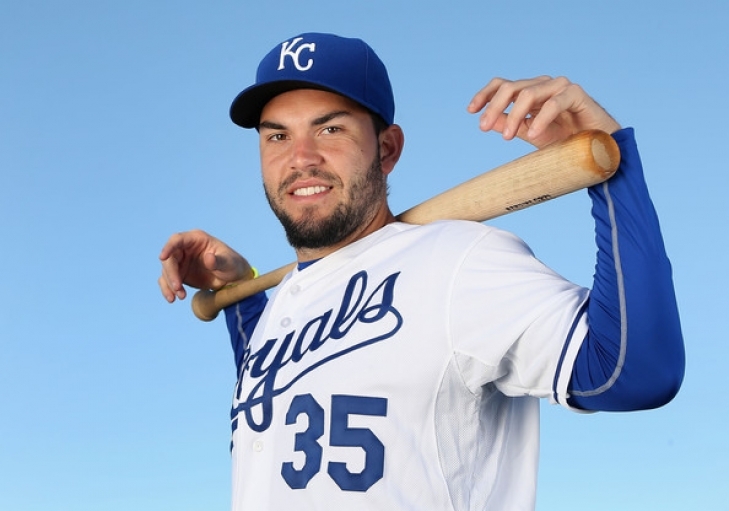
Eric Hosmer was a highly touted rookie and the former third overall pick would finish third in Rookie of the Year voting in 2011. Hosmer would show steady numbers and a gradually increased power game, as he would belt 25 Home Runs in his last two years in Kansas City (2016-17). A member of the 2015 World Series Championship Team, he would be named an All Star in 2016 and in 2017 would earn his lone Silver Slugger as a Royal while putting up a career high .318 Batting Average.
27. Johnny Damon
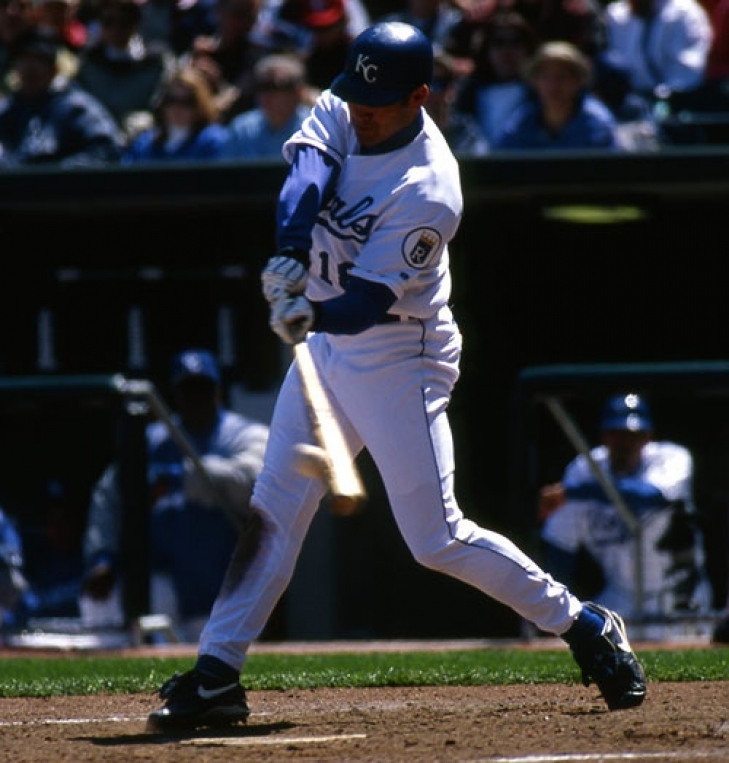
Johnny Damon will always be best known for his run with the Boston Red Sox where he helped them win their first World Series in decades, but his star began as a member of the Kansas City Royals.
21. Carlos Beltran
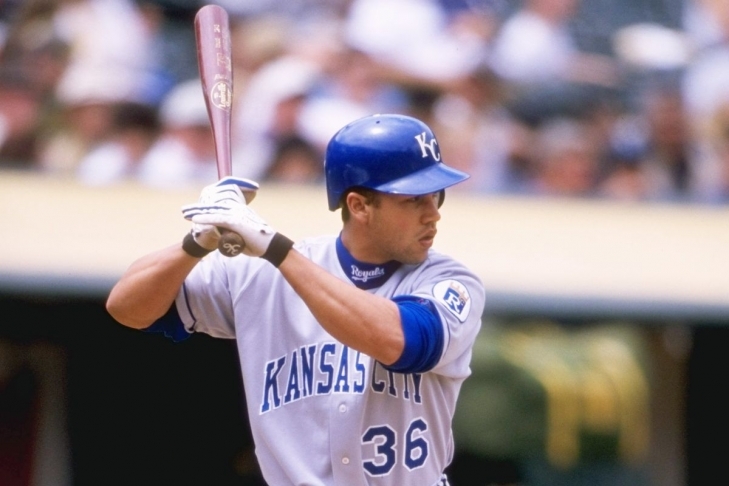
Carlos Beltran has an excellent chance of being a Hall of Famer and it all began in Kansas City. In 1999, Beltran took over the starting Centerfield job and the third spot on the batting order. Not surprisingly, Beltran would win the Rookie of the Year in the AL and he would belt 20 Home Runs and 100 RBIs in all of full seasons with Kansas City.
18. Freddie Patek
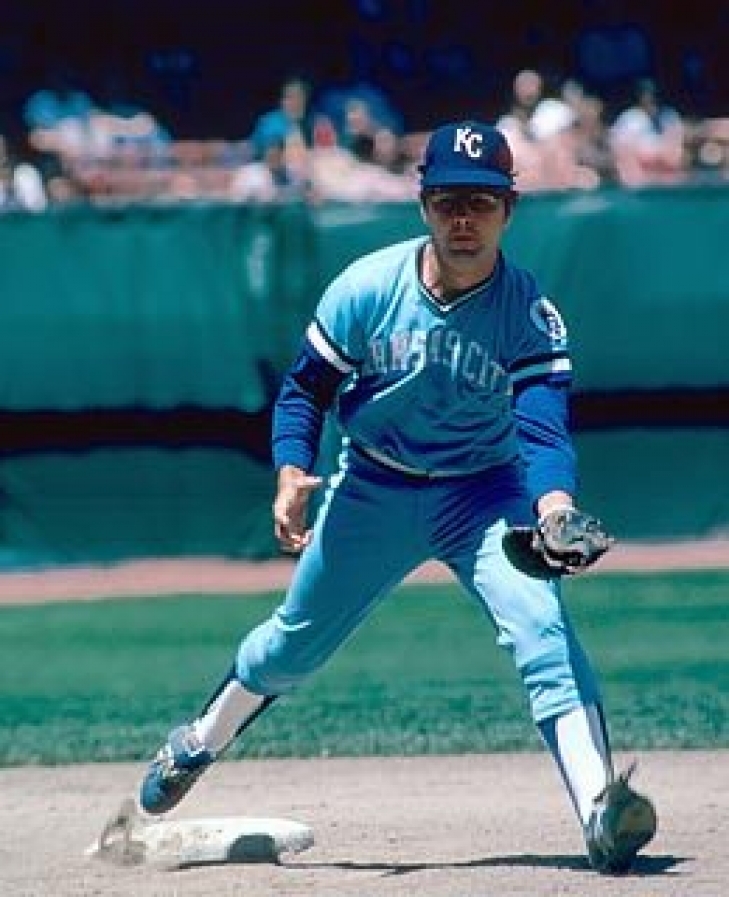
A fixture in the Kansas City Royals infield throughout the 1970’s Freddie Patek brought a strong defensive presence to the lineup. While Patek never won a Gold Glove, he was the American League leader in Defensive bWAR and Total Zone Runs in 1972.
25. Darrell Porter
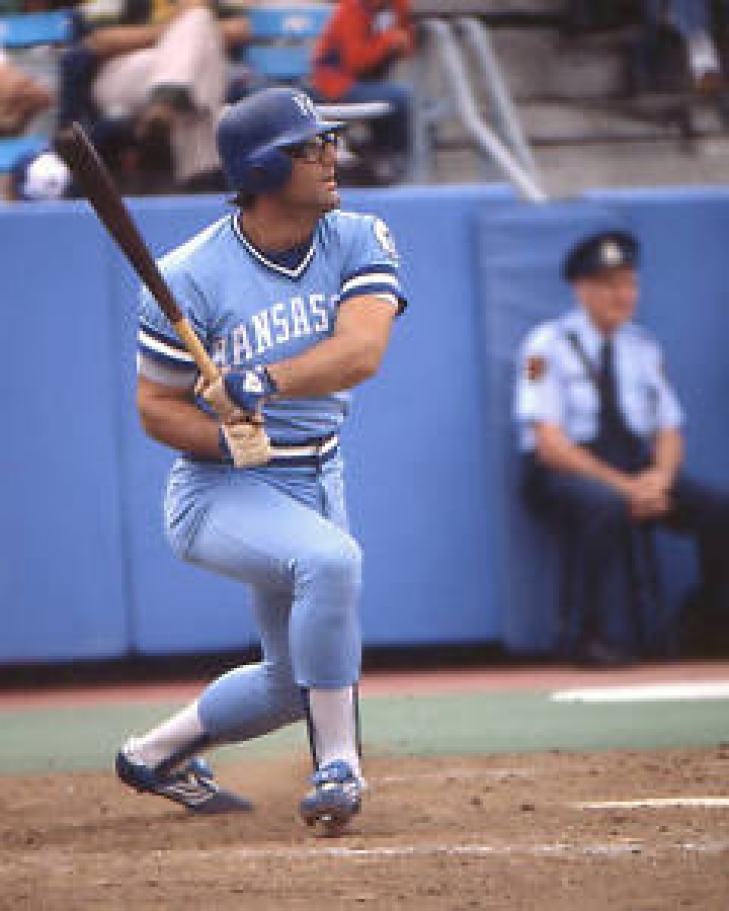
Darrell Porter would play more seasons with Milwaukee and would win a World Series with St. Louis (where he was both the NLCS and World Series MVP) but in between those teams he played the best baseball of his career with the Kansas City Royals.
22. Charlie Leibrandt
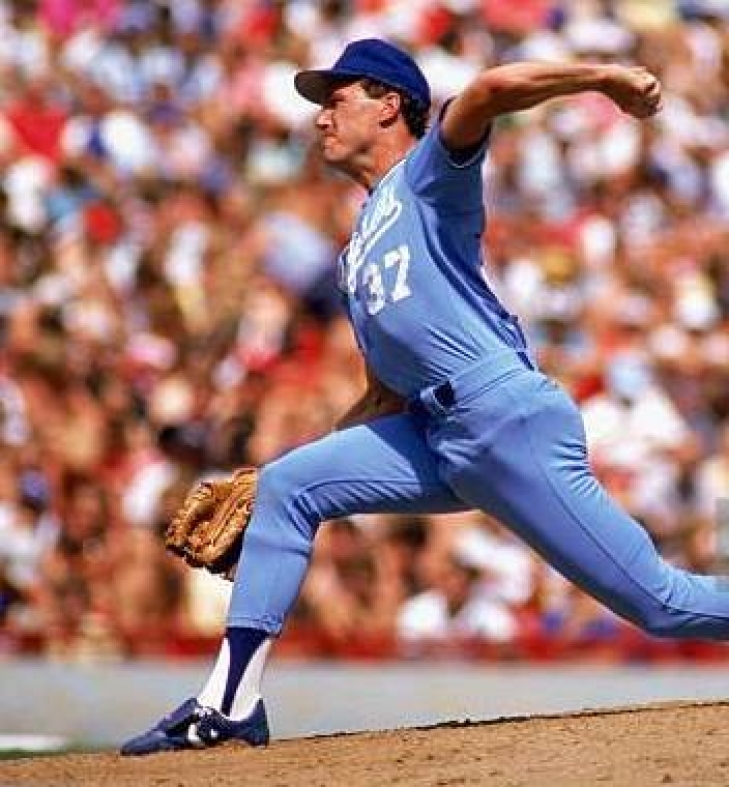
17. Paul Splittorff
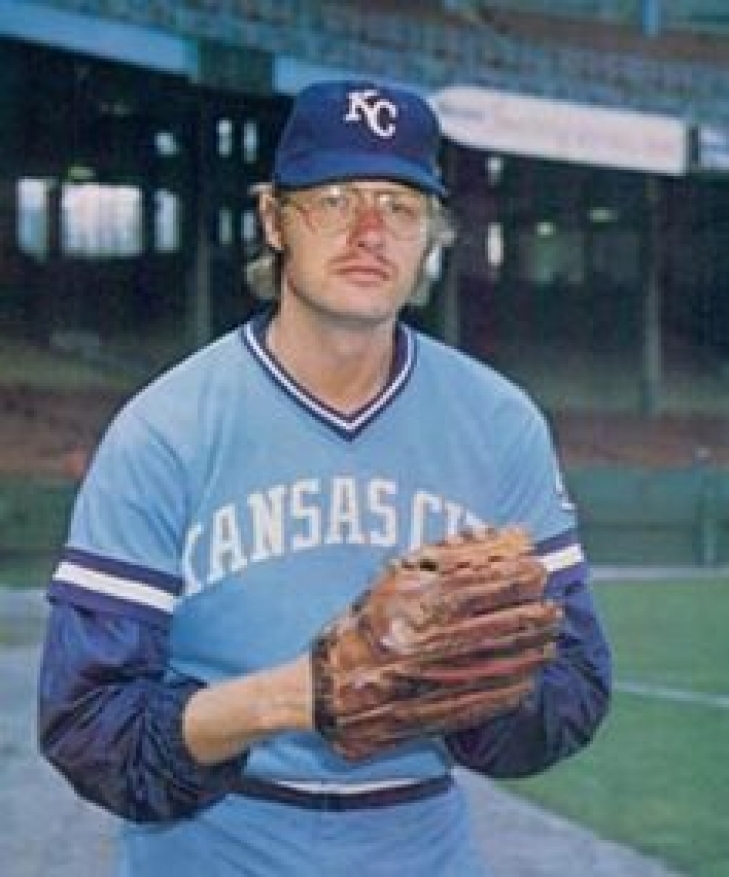
If we were to this list based primarily on longevity and statistical accumulation then Paul Splittorff would be near the top, however, it is hard for us to rank someone higher when he never seriously challenged for any statistical win among hurlers in any season, nor was he really considered the ace of the staff by those in the know.
20. Larry Gura
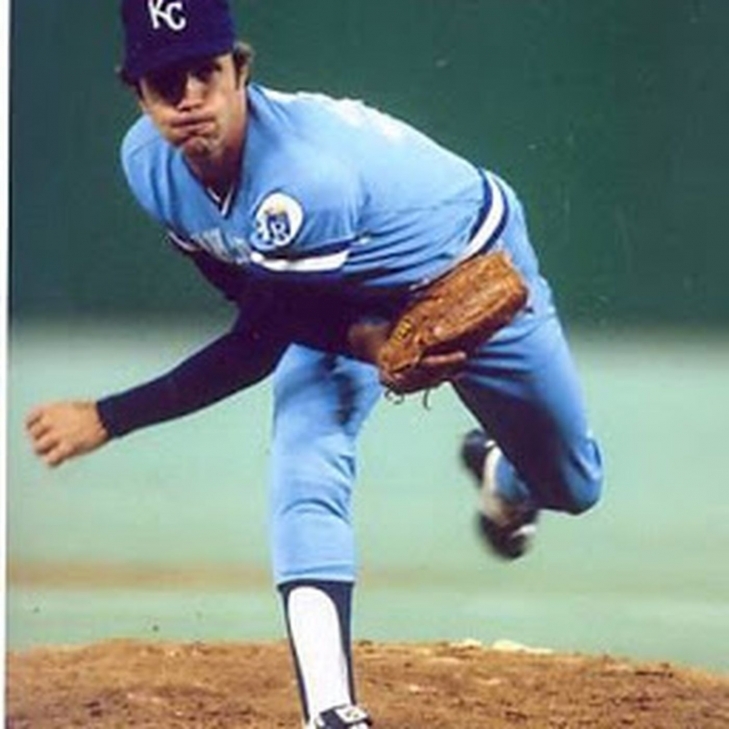
A National Champion at Arizona State Larry Gura would have mediocre stints with the Chicago Cubs and New York Yankees before the latter traded him to Kansas City. It would be in the Midwest where the southpaw would find himself as the Royals’ sometimes ace.
28. Steve Busby
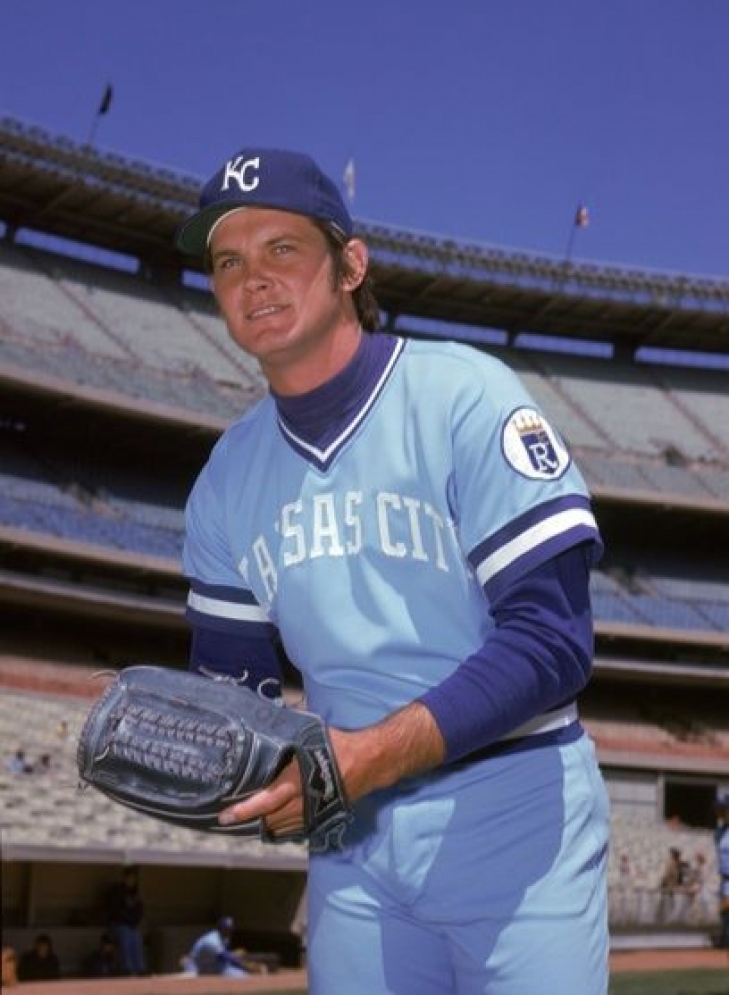
In the mid-1970’s it was expected that Steve Busby would have an incredible career and for a couple of seasons that was certainly the case. In his rookie year, Busby won 16 Games and was a 22 Game winner in his second season (1974) and would go to his first of two straight All-Star Games. 1975 would see Busby net 18 Wins and at this point, it was believed that Steve Busby was considered one of the top ten Pitchers in the American League.
17. Jeff Montgomery
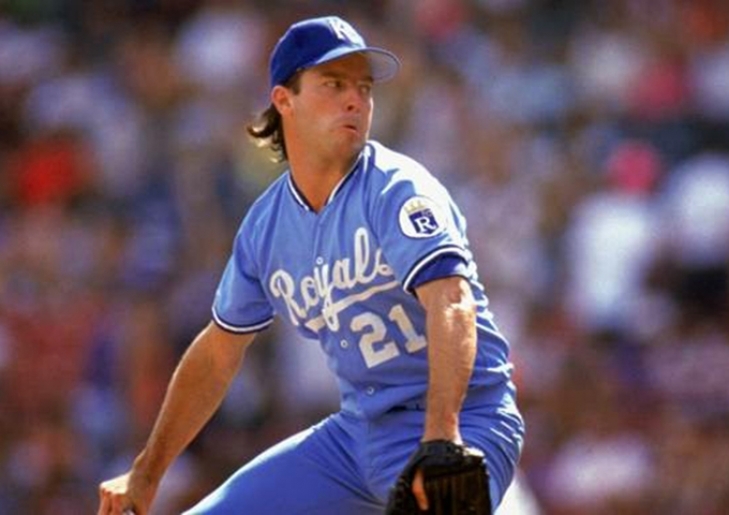
Jeff Montgomery found his professional home in Kansas City after a 1988 trade with the Cincinnati Reds, a move that shifted him from a versatile young arm to a permanent fixture in the bullpen. For twelve seasons, he patrolled the late innings at Kauffman Stadium with a specialized focus on efficiency and a calm, cerebral approach to the closer role.
Montgomery’s journey in a Royals uniform reached a rapid peak shortly after his acquisition. By 1989, he had transitioned into a premier American League reliever, recording 18 saves and a 1.37 ERA. This initial splash signaled a transition from a middle-relief option to a frontline stopper who specialized in generating high-frequency outs in the most leveraged situations. He showed the organization that he was a foundational piece of the pitching staff, earning his first All-Star selection in 1992 and establishing himself as a model of reliability for a club that prioritized late-inning defense.
The core of his time in Missouri was defined by elite, all-around production during the early 1990s. In 1993, Montgomery reached a career peak for individual dominance, leading the American League with 45 saves and capturing the Rolaids Relief Man Award. He possessed a focused intensity that allowed him to thrive under pressure, finishing 13th in the MVP voting and earning his second of three All-Star nods. Despite a lack of overwhelming physical stature, he remained a statistical force, recording five separate seasons with at least 30 saves.
Following the 1999 season, Montgomery chose to retire, and did so with 304 saves in a Kansas City uniform. In 2003, his baseball chapter closed with his induction into the Royals Hall of Fame.
14. John Mayberry
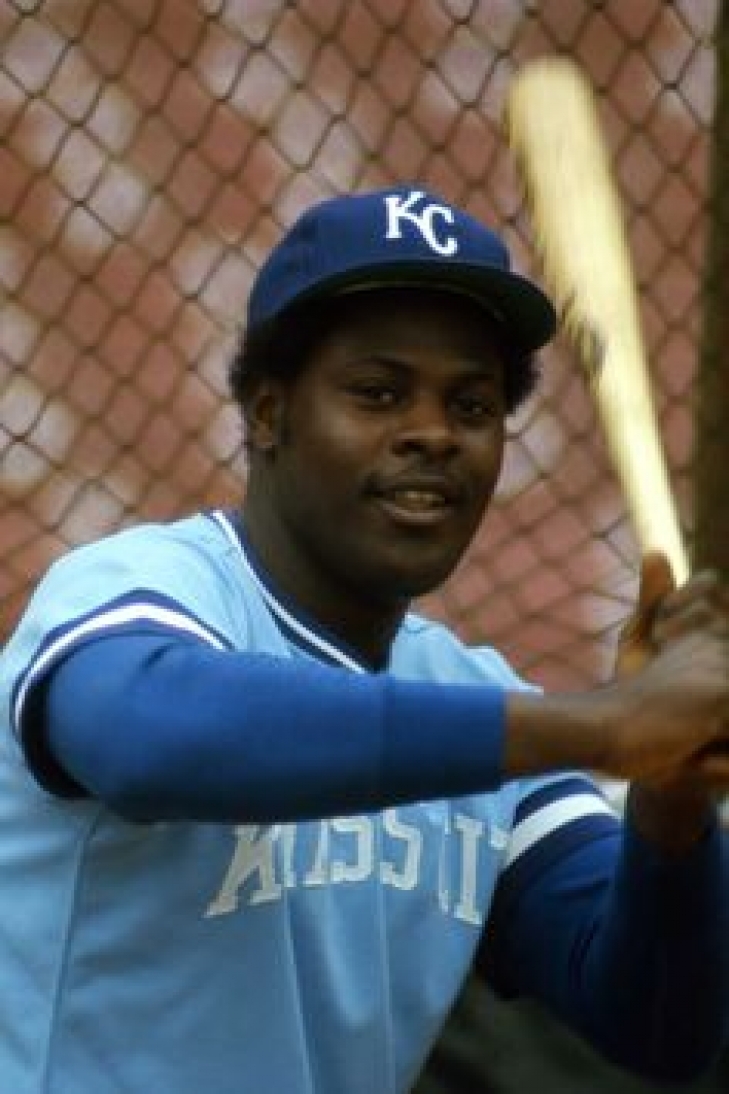
John Mayberry arrived in Kansas City as the first true home run threat for a young franchise, a massive left-handed presence who provided the lineup with an immediate injection of power. For six seasons, he was the primary engine of the Royals' offense, a player whose ability to drive the ball over the fence was matched only by a specialized eye for the strike zone that kept him among the league leaders in on-base percentage.
Mayberry had an immediate impact in 1972 after a lopsided trade with Houston. He reached a career-defining breakout in his debut season with the club, winning the Royals Player of the Year honors and signaling a transition from a young prospect to a premier American League slugger. He possessed a focused intensity at the plate, pairing his strength with a disciplined approach that saw him lead the league with a .417 on-base percentage in 1973. He showed the organization that a first baseman could be both a high-frequency home run threat and a master of the walk, setting a franchise record with 122 free passes that still stands today.
The best season in Kansas City came during the 1975 campaign. That summer, Mayberry became the first player in franchise history to cross the 30-homer threshold, finishing with 34 home runs and 106 RBIs. His performance earned him a runner-up finish for the American League MVP, as he led the league in walks for a second time while recording a career-high 38 doubles. He provided the dependable, day-to-day production that transformed the Royals into a perennial contender, eventually recording three seasons with at least 100 RBIs. Despite his offensive efficiency, his defensive range at first base remained a difficult hurdle that often limited his overall statistical value.
The story in Kansas City took a sudden and turbulent turn during the 1977 postseason. Following a regular season where he hit 23 home runs and hit for the cycle, Mayberry fell out of favor with manager Whitey Herzog. A late arrival before Game 4 of the ALCS against the Yankees led to a benching that effectively signaled the end of his tenure. He was subsequently sold to the Toronto Blue Jays before the 1978 season, leaving the Royals with 143 home runs and 552 RBIs.
In 1996, the Royals inducted him into their Hall of Fame.
13. Dennis Leonard
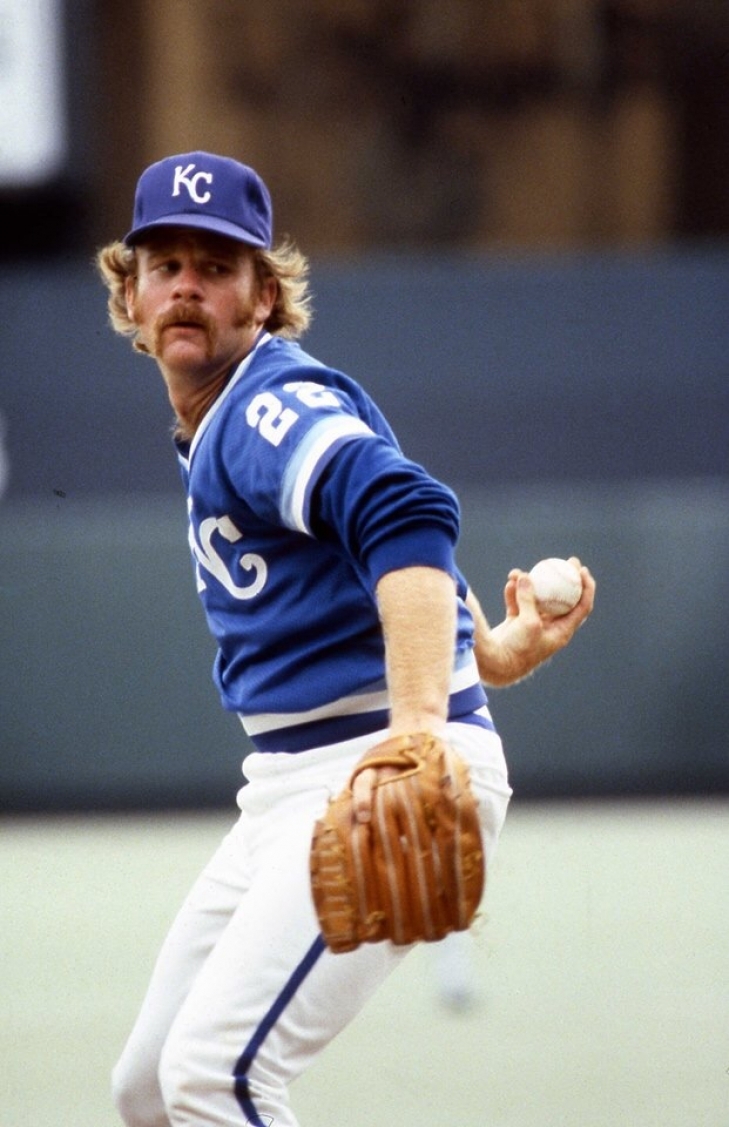
Dennis Leonard was the relentless engine of the Kansas City rotation during their first golden era, a right-hander whose durability was as steady as the mustache he famously wore. In an age where the Royals were constantly battling for American League supremacy, Leonard provided a high-frequency workload that turned him into the winningest right-hander in the sport over a seven-year stretch.
Leonard’s ascent in Kansas City began in 1974, but he reached a major turning point in 1975 when he secured 15 wins and proved he could handle the demands of a full season. He possessed a focused intensity that allowed him to move past his prospect years and become a franchise pillar almost overnight. By 1977, he reached a career peak for volume, winning 20 games for the first time and finishing fourth in the Cy Young voting.
Leonard became the only pitcher in Royals history to record three separate 20-win seasons, reaching that mark again in 1978 and 1980. During the 1980 campaign, he was the primary outlier in the rotation that led Kansas City to its first-ever World Series appearance. He showed the organization that a pitcher could become a legend by simply refusing to yield the mound, eventually amassing more wins than any other right-handed starter in the American League between 1975 and 1981.
Everything seemed to be building toward a historic total until the 1982 season, when the heavy workload of his peak years led to a series of devastating knee injuries. Leonard spent the next few seasons navigating a difficult, injury-plagued plateau, undergoing multiple surgeries that kept him off the diamond for nearly three full years. He showed a remarkable professional resilience by returning to the mound in 1986, winning eight games in a veteran-like comeback that served as an inspiration to the clubhouse. He eventually retired with 144 wins and 1,323 strikeouts, having spent his entire twelve-year professional life in a Royals uniform.
In 1989, the Royals inducted him into their Hall of Fame.
15. Mike Sweeney
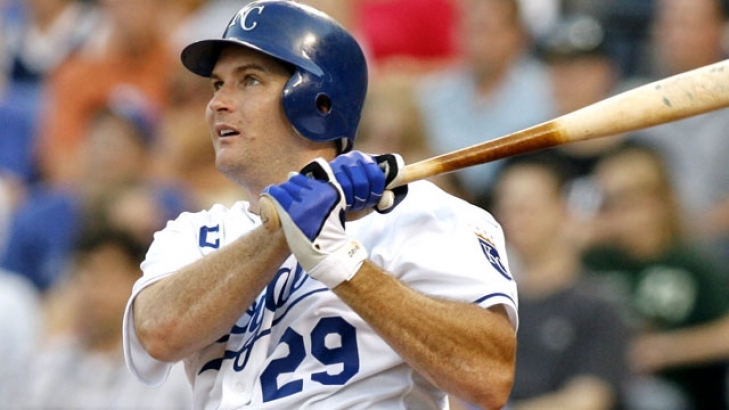
Mike Sweeney arrived in Kansas City as a 10th-round pick with a catcher's mitt and a bat that would eventually make him the heart and soul of the franchise. While he began his journey behind the plate, his path to becoming a Royals legend was paved by a transition to first base and designated hitter, where his offensive production could carry a team through a difficult era. For thirteen seasons in a Royals uniform, he was a beacon of character and consistency, a player who famously wore the captain's "C" on his jersey and served as the bridge between the glory years of the eighties and the resurgence of the 2010s.
Sweeney’s emergence in Kansas City reached a definitive breakout in 1999. After several seasons of splitting time and battling for a permanent spot, he secured the starting job and responded with a .322 batting average and 22 home runs. This performance signaled a transition from a defensive liability at catcher to one of the premier offensive threats in the American League. In 2000. That year, Sweeney set a franchise record with 144 RBIs, a mark of high-frequency production that earned him his first of four consecutive All-Star selections and solidified his status as the most dangerous bat in the lineup.
In 2002, he reached a career peak for average, batting .340, the second-highest single-season mark in Royals history, and finished second in the American League batting race. He showed the organization that he was a foundational piece of the franchise, recording five seasons with a batting average of .300 or better and six seasons with at least 20 home runs. However, his overall value declined due to defensive struggles and a series of back and knee injuries that increasingly limited him to the designated hitter role. Despite these physical hurdles, he remained a model of resilience, providing the dependable leadership the team’s first official captain was required to provide.
Everything culminated in a career that saw him rank near the top of almost every major offensive category in Royals history. He finished his tenure in Kansas City with 1,398 hits, 197 home runs, and a .299 batting average, a statistical footprint that trails only George Brett in the conversation of the team's greatest hitters. However, the toll of chronic injuries eventually led to a departure following the 2007 season. He spent his final professional years as a veteran presence in Oakland, Seattle, and Philadelphia, but he chose to retire as a Royal, signing a one-day contract in 2011 to ensure his journey ended where it began.
The story in Kansas City reached a natural conclusion in 2015 when he was inducted into the Royals Hall of Fame.