If I Had a Vote in the 2021 Baseball Hall of Fame Election
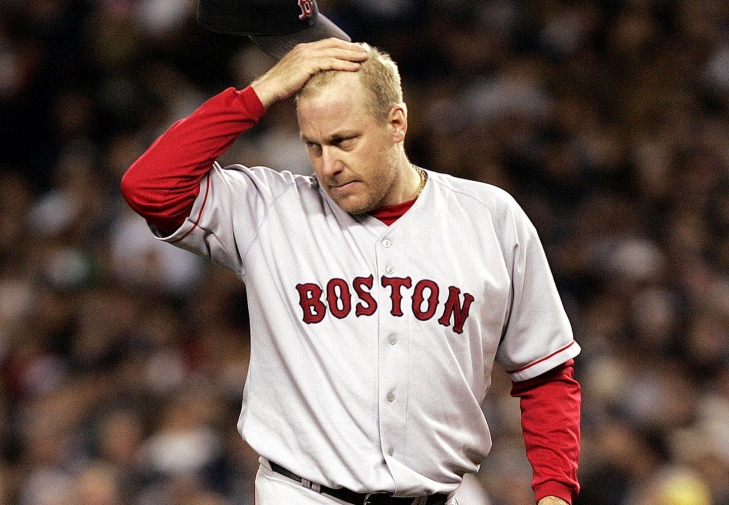
Is this the year Curt Schilling makes it into the National Baseball Hall of Fame? Will Schilling be the only player elected to the Hall this year? After all the tumultuous voting activity of the 2010s, has voting for the Hall returned to "normal"?
Only a crystal ball, or the patience to wait until voting results for the 2021 Baseball Hall of Fame are announced on January 26, 2021, can give us the definitive answers, but of course that doesn't stop us from prognosticating before we learn the results.
For now, the short answers are:
1. Maybe.
2. Possibly.
3. Likely.
2021 BBWAA Hall of Fame Ballot: Executive Summary
Baseball Hall of Fame: Ballot Forecast 2021 to 2025
In a tumultuous year that was not normal for anything and everything including baseball, one thing that might be back to normal is voting for the Baseball Hall of Fame. Granted, the 2021 Baseball Hall of Fame ballot has 14 returning candidates, with just about every one of them owning cases for induction that range from borderline to compelling.
25. Barry Zito
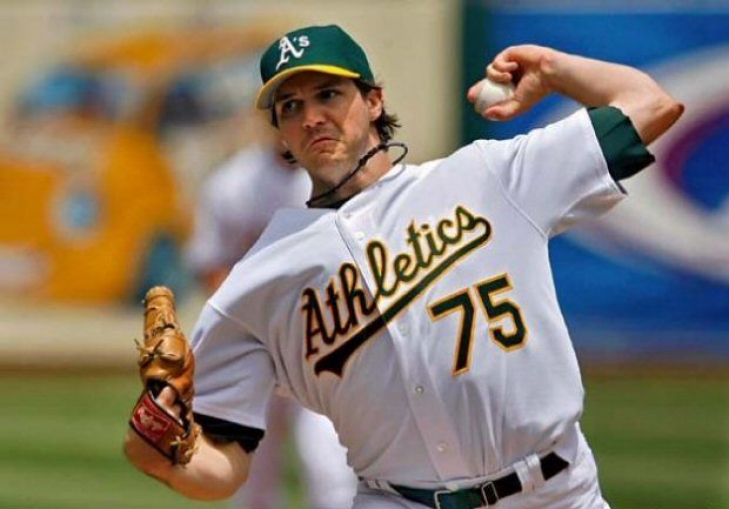
When Barry Zito was called up midway through the 2000 season, he provided the final, mesmerizing piece to a pitching puzzle that would captivate the baseball world. Joining forces with Tim Hudson and Mark Mulder, Zito completed the triumvirate of Oakland’s "Big Three" starting rotation. While his counterpart aces relied on explosive, sinking fastballs to dismantle hitters, Zito operated as a true aesthetic magician on the mound, carving up the junior circuit with a high-arching, 12-to-6 curveball that became the most visually stunning and widely feared weapon of its generation.
His ascent to the highest echelon of major league starting pitchers was remarkably swift. Following an impressive debut period, Zito solidified his status as a top-tier player during the 2001 season, achieving an excellent 17-win record to support the team's wild card pursuit.
The pinnacle of his career was reached during a historic 2002 season. As the leader of the renowned 20-game winning streak that characterized the "Moneyball" era, Zito delivered an exemplary pitching performance. He completely baffled opposing batters, achieving a league-leading 23 victories with only 5 defeats, complemented by 182 strikeouts and an impressive earned run average of 2.75 over 229.1 innings. The national baseball community recognized this outstanding achievement by voting Zito as the 2002 American League Cy Young Award recipient and selecting him for his first of three All-Star Games representing Oakland.
Rather than being a transient highlight, he demonstrated exceptional durability and productivity as the small-market franchise persistently advanced into October contention. Zito accumulated three additional 14-win seasons during his initial seven-year tenure in the East Bay, receiving further All-Star nominations in 2003 and 2006.
Nevertheless, the impending financial considerations of free agency ultimately compelled a geographic relocation across the Bay. After the 2006 season, Zito parted ways with the Athletics to sign a landmark, blockbuster contract with the San Francisco Giants, where he would experience significant postseason successes.
In 2015, following a year of absence from the sport, Zito re-entered professional baseball by signing a minor-league agreement with Oakland. Although he spent most of the summer mentoring prospects in Triple-A, the front office acknowledged his contributions by granting him a September call-up. He participated in only three Major League games during the concluding part of the season, but his final start in the league—a symbolic and emotional contest against his former "Big Three" teammate Tim Hudson provided an ideal, poetic conclusion to his career.
Zito would win 102 Games for Oakland against 63 Losses with 1,098 Strikeouts.
Barry Zito officially retires
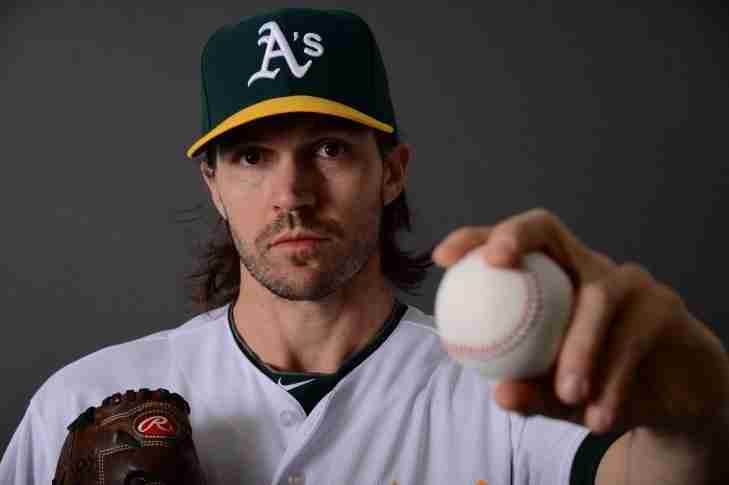
"My baseball career has been a mirror to my life off the field, full of euphoric highs and devastating lows. I've been at the top of a rotation and the 25th man on a roster. I've started Game 1 of a World Series in one year, and I've been left off of a postseason roster in another. I've been labeled as both drastically underpaid and severely overpaid. I've been praised as a savior and deemed a curse."
Pretty self-aware wouldn’t you say?
Over his fourteen year career, Zito spent it all in the Bay Area dividing his time between the Oakland Athletics and the San Francisco Giants. Zito was a three time All Star who won the American League Cy Young Award in 2002. He finishes his career with a 165 and 143 record with 1,885 Strikeouts and a bWAR of 33.5.
Early in his career, Zito seemed to be on a Hall of Fame path, but realistically he will struggle to get more than ten votes and will be a one and done player.
Still, anytime a former Cy Young winner announces his retirement it is big news and we here at Notinhalloffame.com wish Barry Zito the best in his post-baseball career.
Barry Zito