

37. Tom Gordon
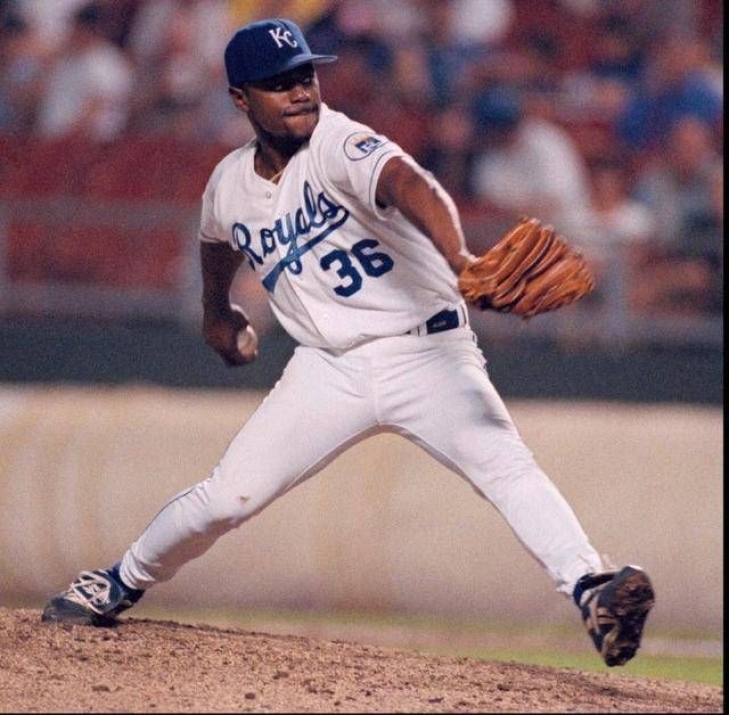
Tom Gordon arrived in Kansas City as a high-velocity prospect drafted in the sixth round of the 1986 draft. Known for an electric curveball and a 90s-era heater, he quickly earned the nickname "Flash" as he surged through the minor leagues.
Debuting in late 1988, Gordon had a spectacular 1989, posting a 17-9 record and a 3.64 ERA. He showed the organization he was a foundational superstar by recording 153 strikeouts, the tenth-highest total in the league, and finishing as the runner-up for the American League Rookie of the Year Award behind Gregg Olson. This breakout performance served as the essential lead-in to a stretch where he became the primary source of power for the Kansas City staff.
Between 1990 and 1993, he logged at least 150 innings in three different seasons and twice recorded more than 160 punchouts. His win-loss records fluctuated during the team's transition away from its eighties glory years. In 1993, he bounced back from a difficult campaign to win 12 games and help stabilize the middle of the rotation.
Flash would exit for the Boston Red Sox in 1995, and with Kansas City, he posted a 79-71 record and 1,043 strikeouts.
48. Steve Farr
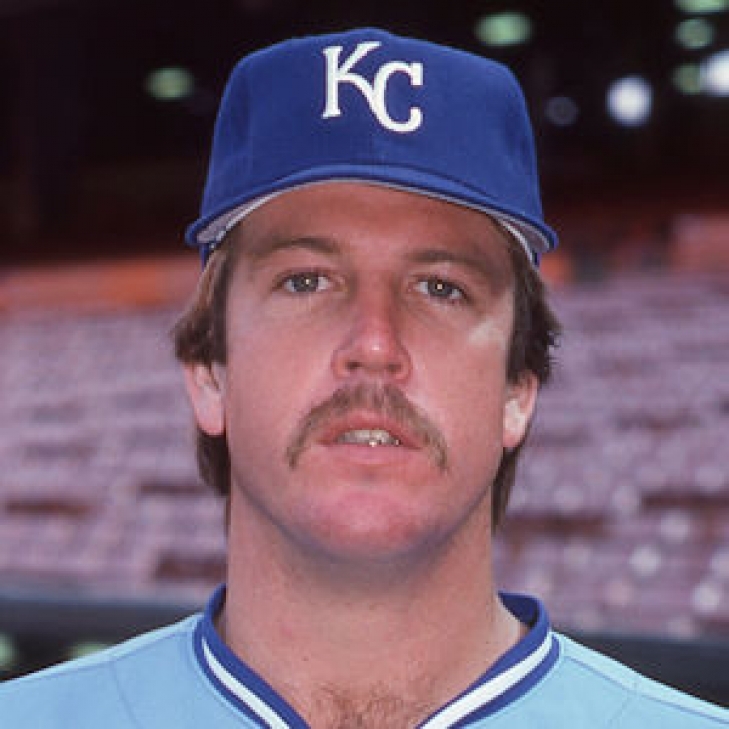
Steve Farr arrived in the Kansas City organization in 1985 via a minor trade with the Cleveland Indians, a right-hander whose specialized, high-velocity sinker and deceptive delivery made him an immediate asset for the bullpen. While he was a member of the World Series championship squad that October, his role during that run was modest as he adjusted to the pressure of a pennant race.
Farr’s specialty was inducing ground balls and escaping late-inning jams. Between 1987 and 1989, he showed the organization that he was a foundational professional by maintaining a sub-4.00 ERA while logging significant innings, often pitching multiple innings to bridge to the ninth. Farr did so well that in 1990, he was given the closer’s role.
In his only season as Kansas City’s top reliever, he recorded a career-high 1.98 ERA and a 0.992 WHIP. He showed the organization he was a foundational late-inning weapon by securing 22 saves. Farr departed the organization for the bright lights of the New York Yankees.
With the Royals, Farr owned a 22-20 record, 49 saves, and a 3.28 ERA.
45. Alcides Escobar
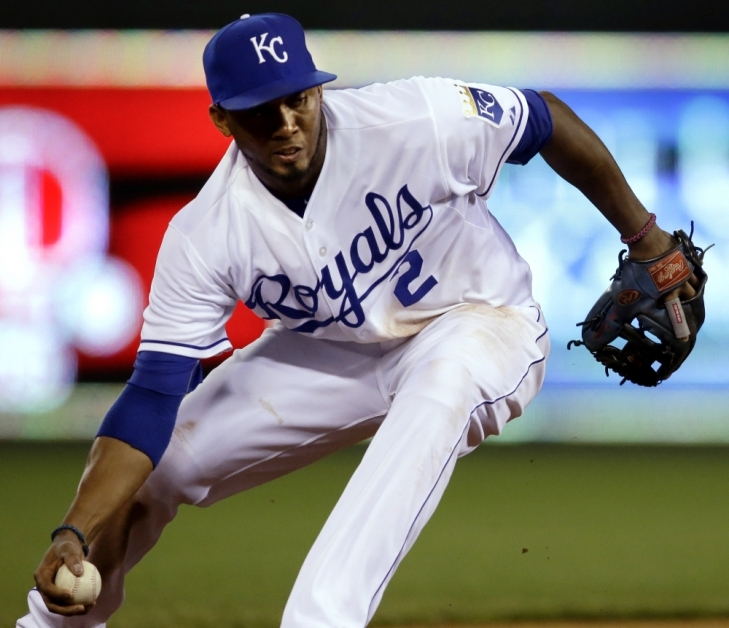
Alcides Escobar arrived in the Kansas City organization via a December 2010 blockbuster trade with the Milwaukee Brewers, a deal that sent Zack Greinke to the NL in exchange for a package of young talent. While he arrived as a highly touted defensive prospect, he evolved into the literal iron man of the franchise's most successful era.
After arriving in the 2010 trade, Escobar immediately took over the starting shortstop duties in 2011, providing a foundational defensive stability the organization had lacked for years. He showed the organization he was a specialized professional by batting .293 with 35 stolen bases in 2012, a high-frequency offensive performance that hinted at his potential as a spark plug. Between 2013 and 2014, he established his reputation as the team's "Iron Man," appearing in nearly every game and serving as the defensive anchor for the 2014 squad that reached the franchise's first World Series in nearly three decades.
This specialized durability and high-tempo approach served as the perfect lead-in to his historic 2015 campaign. That summer, he demonstrated a knack for rising to the occasion, earning his first career All-Star selection and winning a Gold Glove Award. He showed the organization he was a foundational winner during the postseason, where his bat became a localized phenomenon; he was named the ALCS MVP after hitting .478 against the Blue Jays. The Royals went on to win the World Series, though his skills quickly eroded afterward.
Escobar was traded after the 2018 season, and overall as a Royal, he had 1,208 Hits.
43. Bud Black
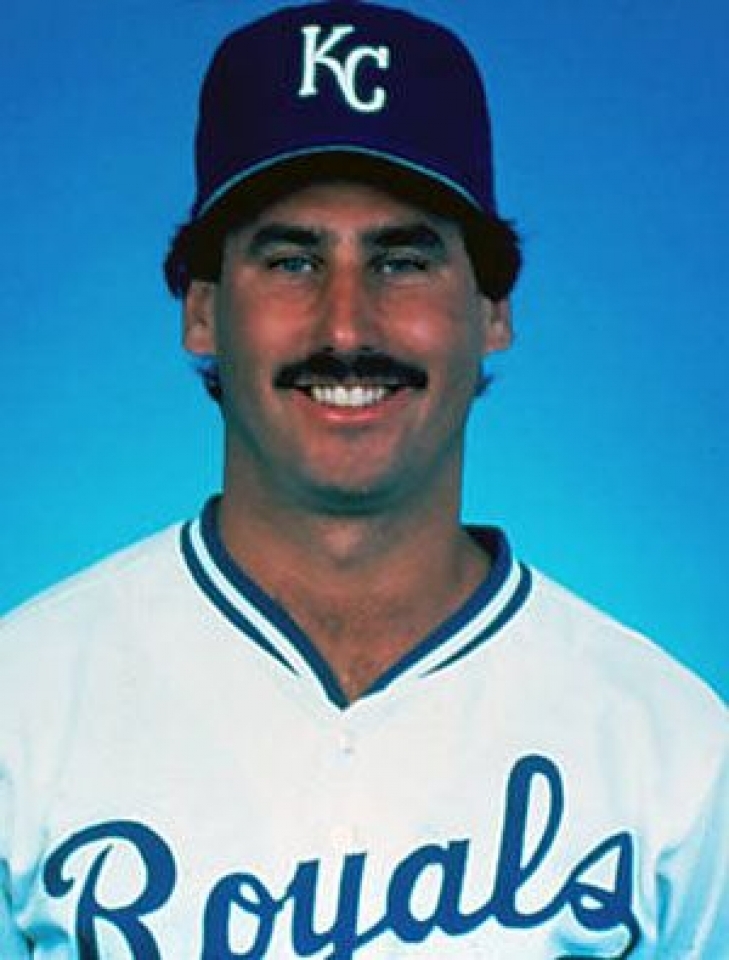
Bud Black arrived in the Kansas City organization in 1982 via a trade with the Seattle Mariners, a move that initially aimed to bolster the bullpen but instead unearthed a dependable left-handed rotation piece. Known for his technical precision and smooth delivery, he became a fixture of the Royals' pitching staff during the most successful era in franchise history.
Black became a full-time starter in 1983, and the season after, he had a coming-of-age campaign. He led the American League with a 1.128 WHIP and recorded a career-high 17 wins. Tossing 257 innings across 35 starts, proving to be the high-volume workhorse the club needed to secure the American League West title. His tactical mastery was evidenced by a 3.12 ERA, the best mark of his career as a full-time starter.
The 1985 championship season saw Black transition into a high-leverage hybrid role when the lights were brightest. While he made 33 starts during the regular season, he demonstrated a specialized ability to adapt in October, serving as both a starter and a high-frequency reliever during the postseason. He showed the organization he was a foundational winner by delivering a scoreless long-relief appearance in Game 6 of the ALCS to keep the Royals' season alive, eventually earning a World Series ring as part of the staff that took down the Cardinals.
With the emergence of young power arms like Danny Jackson and Bret Saberhagen, the Royals found themselves with a surplus of starters but a critical need for a specialized left-handed bridge to the closer, and that is what Black would go towards. He continued in a hybrid role until he was traded to Cleveland during the 1988 season.
Black compiled a 56-57 record, a 3.73 ERA, and a 1985 World Series championship in Kansas City.
32. Kevin Seitzer
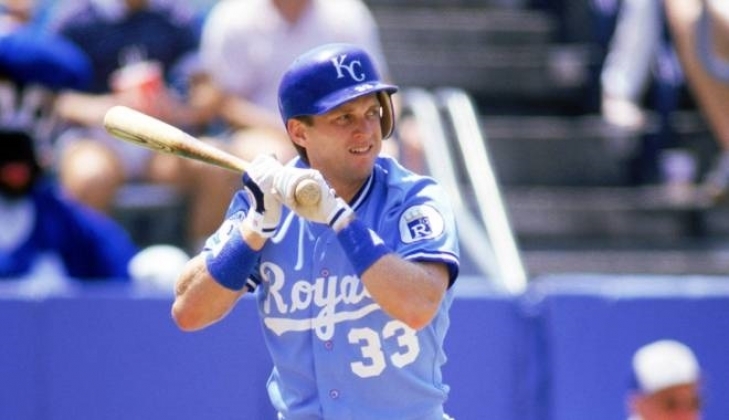
Kevin Seitzer joined the Kansas City organization as an 11th-round selection in 1983, a polished hitter from Eastern Illinois who became an immediate fixture at the hot corner. After a brief cup of coffee in late 1986, he took over the starting job in 1987.
That summer, he evolved into the most prolific hit-maker in the American League, leading the circuit with 207 hits and a league-best 151 singles. He batted .323 and earned an All-Star selection, eventually finishing as the runner-up for the Rookie of the Year Award behind the record-breaking Mark McGwire. His specialized dominance was never clearer than on August 2 of that year, when he tied a franchise record with six hits and drove in seven runs in a single game against Boston.
While he remained a model of steady-state reliability with three additional seasons of at least 165 hits and a stellar .380 on-base percentage in Kansas City, his offensive output gradually dipped as the organization moved toward a new era. The Royals eventually released the veteran third baseman during spring training in 1992, an exit that led to a long and successful second act with the Milwaukee Brewers and the Cleveland Indians.
Seitzer compiled 809 hits and a .380 OBP as a Royal.
33. David Cone
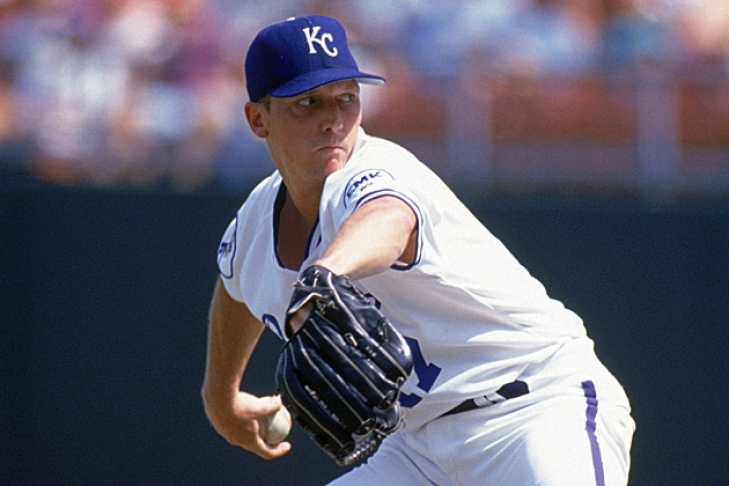
David Cone was the "hometown boy" who became one of the most surgical arms in baseball history. A Kansas City native, he was drafted by the Royals in 1981 and debuted as a reliever in 1986 before the organization made a historic tactical error by trading him to the Mets for catcher Ed Hearn. While his "gun for hire" reputation was forged in New York and Toronto, he returned to the Royals in 1993 to deliver the most efficient individual pitching stretch in franchise history, proving that he was much more than a postseason specialist.
Upon returning as a high-profile free agent, he demonstrated a specialized ability to dominate the American League despite a deceptive 11-14 record in his first year back. He led the league in innings pitched (254.0) and finished third in the AL in bWAR (6.7), showing the organization that he was a foundational ace who simply lacked run support.
The season after was a bittersweet one for Cone, and for MLB in general, as the players’ strike ended the season in August. That summer, Cone demonstrated a focused intensity, posting a 16-5 record with a 2.94 ERA and a league-leading 7.1 bWAR for pitchers. He showed the organization he was a foundational superstar by securing the 1994 AL Cy Young Award and finishing ninth in the MVP voting, marking the first and only time a Royal had won the award since Bret Saberhagen.
In a cost-cutting move, Kansas City traded Cone to the Blue Jays before the 1995 Season. Cone compiled 27 wins, 355 strikeouts, and the 1994 AL Cy Young Award as a Royal.
28. Joakim Soria
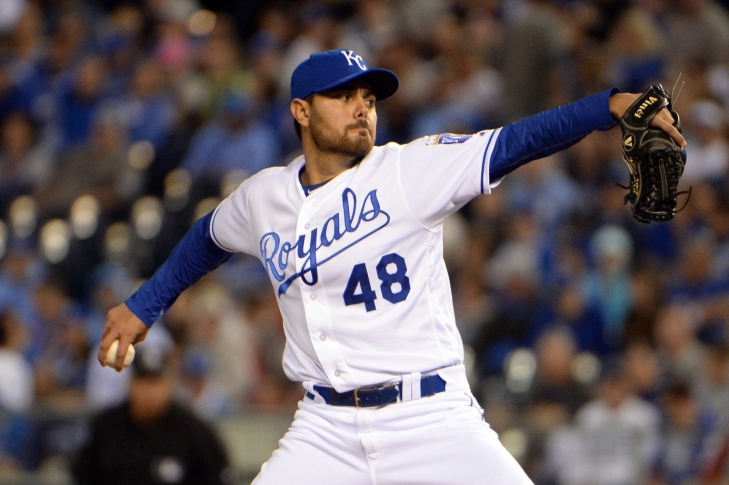
Joakim Soria joined the Kansas City organization as a Rule 5 selection from the San Diego Padres in late 2006, a diamond-in-the-rough find who would immediately transform into one of the most dominant closers in the game. Making his debut in 2007, the right-hander from Monclova quickly earned the nickname "The Mexicutioner" for his cold-blooded efficiency in the ninth inning.
After saving 17 games as a rookie, he evolved into an elite force between 2008 and 2010. During this stretch, he demonstrated a specialized ability to lock down games with a microscopic 1.84 ERA and a 1.005 WHIP. He showed the organization he was a foundational star by earning two All-Star selections and delivering a historic 2010 campaign. That summer, he recorded a career-high 43 saves, finished second in the league in Win Probability Added (WPA), and placed tenth in the AL Cy Young voting, a rare feat for a reliever on a non-contending team.
The heart of his first tenure was defined by elite durability until a torn elbow ligament required Tommy John surgery, which forced him to miss the entire 2012 season. This injury led to a difficult transition; after five dominant years, the Royals chose not to re-sign him, allowing him to test free agency. However, Soria’s story in Kansas City reached a natural second act when he returned to the club in 2016. During this second run, he pivoted into a veteran setup role, providing the steady-state production needed to bridge the gap for a team coming off a World Series title. While his velocity had dipped slightly, his veteran-like poise remained a tactical asset for the bullpen.
Soria was traded to the Chicago White Sox in early 2018 and had 162 saves for Kansas City.
34. David DeJesus
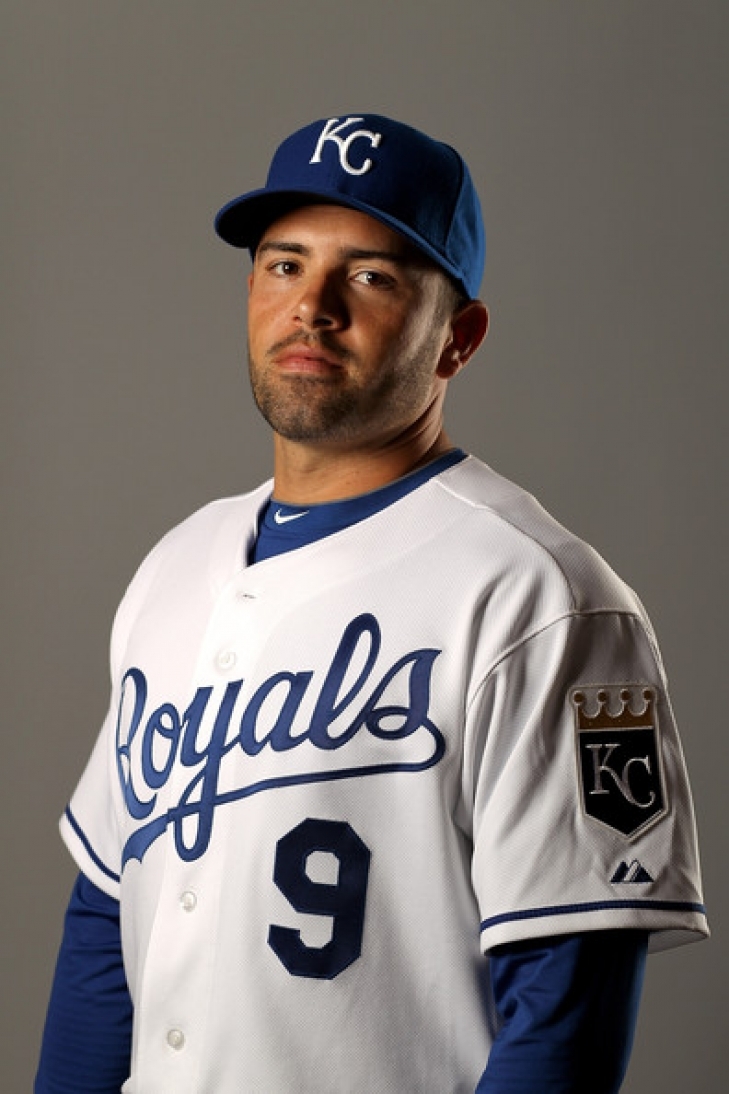
A fourth-round pick from Rutgers in 2000, David DeJesus made it to the bigs in 2003, took over center field in 2004, and immediately finished sixth in the American League Rookie of the Year voting.
During the 2008 campaign, he recorded a career-high .307 batting average with 12 home runs and 73 RBIs while providing steady-state production at the top of the order. He demonstrated a specialized ability to manufacture runs in a cavernous home ballpark, recording 159 hits and a .366 on-base percentage, and from 2007 to 2009 had at least 155 hits per season.
In 2006, he demonstrated a rare, vulnerable quality by leading the American League in hit-by-pitches, a testament to his specialized ability to crowd the plate and reach base by any means necessary. While he never duplicated the hardware potential of his rookie season, he remained a model of offensive consistency, maintaining a .289 career average during his stay in Kansas City.
DeJesus was traded to Oakland in 2010 and, as a Royal, compiled 971 hits, with a .289 average.
27. Eric Hosmer
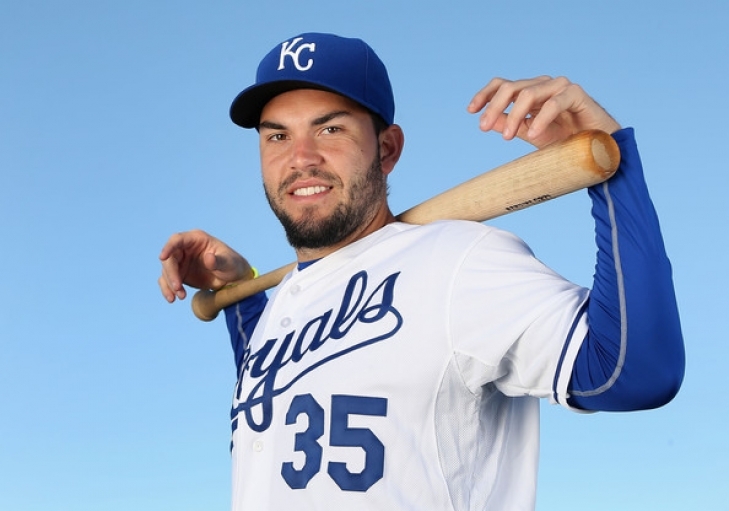
Eric Hosmer joined the Kansas City organization as the third overall selection in the 2008 draft, a high-ceiling prospect from Florida who would become the face of the Royals' resurgence. After a rapid ascent through the minors, he debuted in May 2011 and immediately secured the starting first base job.
In 2011, he demonstrated a specialized ability to handle the bright lights of the American League, batting .293 and finishing third in the Rookie of the Year voting. He showed the organization that he was a foundational winner during the 2014 and 2015 postseason runs, delivering veteran-like poise and a series of signature moments, none more famous than his "mad dash" home to tie Game 5 of the 2015 World Series. This period of rapid growth served as the essential lead-in to his most productive years, proving his worth as a steady-state run driver for a championship-caliber roster.
In 2016, he earned his first All-Star selection and was named the All-Star Game MVP, signaling his arrival as an elite presence in the sport. He followed this with a historic 2017 season, recording a career-high .318 batting average and earning his lone Silver Slugger Award. He showed the organization that he was a foundational star by belting 25 home runs and driving in 94 runs, providing the offensive muscle for a team in transition. While he secured four Gold Glove Awards (2013–2015, 2017) through a reputation for picking low throws and elite scooping, advanced metrics like defensive bWAR and Total Zone Runs remained consistently critical of his overall range and positioning.
Following the 2017 season, Hosmer signed an eight-year contract with the San Diego Padres. With Kansas City, he had 1,132 hits, 127 home runs, and the 2015 World Series title.
30. Johnny Damon
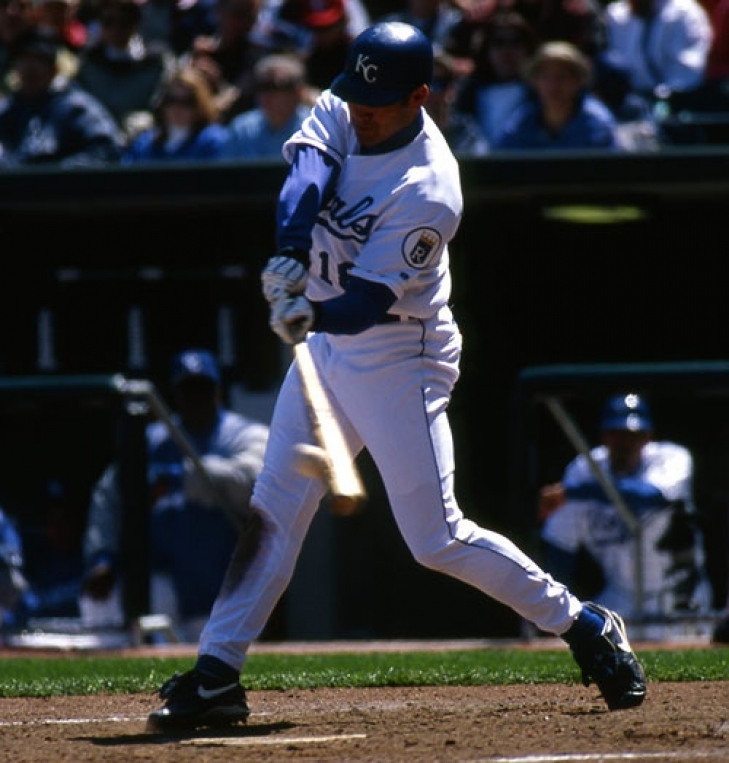
Johnny Damon was selected by the Kansas City organization in the first round of the 1992 draft, a high-ceiling speedster from Orlando who would become the face of the franchise’s late-nineties outfield, and he debuted in 1995 and immediately established himself as a premier leadoff threat.
In 1999, he broke through as a .300 hitter for the first time, recording 101 runs and 36 stolen bases. He followed that with a monumental 2000 season in which he became the most prolific run-scorer in the American League. That summer, he recorded a career-high 136 runs and 46 stolen bases, leading the AL in both categories while amassing 214 hits and a .327 batting average. He showed the organization he was a foundational superstar by providing the offensive engine for a lineup that featured fellow young stars Carlos Beltrán and Jermaine Dye.
With the small-market Royals unable to reach a long-term agreement with the rising star, the club sent Damon to the Oakland Athletics in a deal that brought back AJ Hinch, Angel Berroa, and Roberto Hernandez. He left behind a statistical footprint in Missouri that reflected his status as the premier leadoff man of his era, departing with 896 hits, 156 stolen bases, and a .292 batting average while wearing the Royal blue.
22. Carlos Beltran
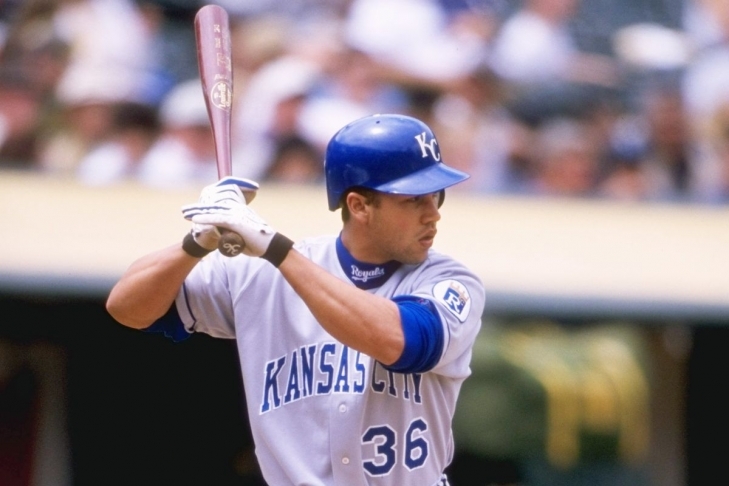
Carlos Beltrán joined the Kansas City organization as a second-round selection in the 1995 draft out of Puerto Rico, a switch-hitting phenom who would quickly become the most electric five-tool talent the franchise had seen in decades. After skipping Triple-A entirely, he debuted in late 1998 and immediately secured the starting centerfield job for the following spring.
In 1999, he demonstrated a specialized ability to dominate the league as a newcomer, becoming just the eighth rookie in the modern era to record 100 runs and 100 RBIs. He surged to the American League Rookie of the Year Award, showing the organization that he was a foundational superstar capable of anchoring the #3 spot in the lineup. This period of rapid growth served as the essential lead-in to a stretch of play where he became a tactical nightmare for pitchers, averaging over 20 home runs and 100 RBIs in every full season he played in Kansas City.
Beltrán’s journey reached a peak of athletic efficiency and defensive mastery between 2001 and 2003. During this stretch, he evolved into the most balanced centerfielder in the junior circuit, leading the league in assists and double plays from the outfield while maintaining a veteran-like poise at the plate. He demonstrated a specialized ability to terrorize the basepaths, recording four seasons with at least 35 stolen bases in Missouri. He showed the organization he was a foundational winner by posting career-highs of 38 home runs and 42 steals in 2004, a season split between leagues that solidified his reputation as a rare 40/40 threat. Despite the small-market doldrums that surrounded the team, he remained a model of offensive prevention and production, eventually amassing 123 home runs and 164 steals while wearing the Royal blue.
Everything culminated in a high-profile three-team trade in June 2004, an exit motivated by the Royals’ inability to secure a long-term deal with their centerpiece star. He was sent to the Houston Astros in exchange for a package that included John Buck and Mark Teahen, a move that allowed him to pursue his first postseason run.
In 2026, Beltran entered the Baseball Hall of Fame.
25. Darrell Porter
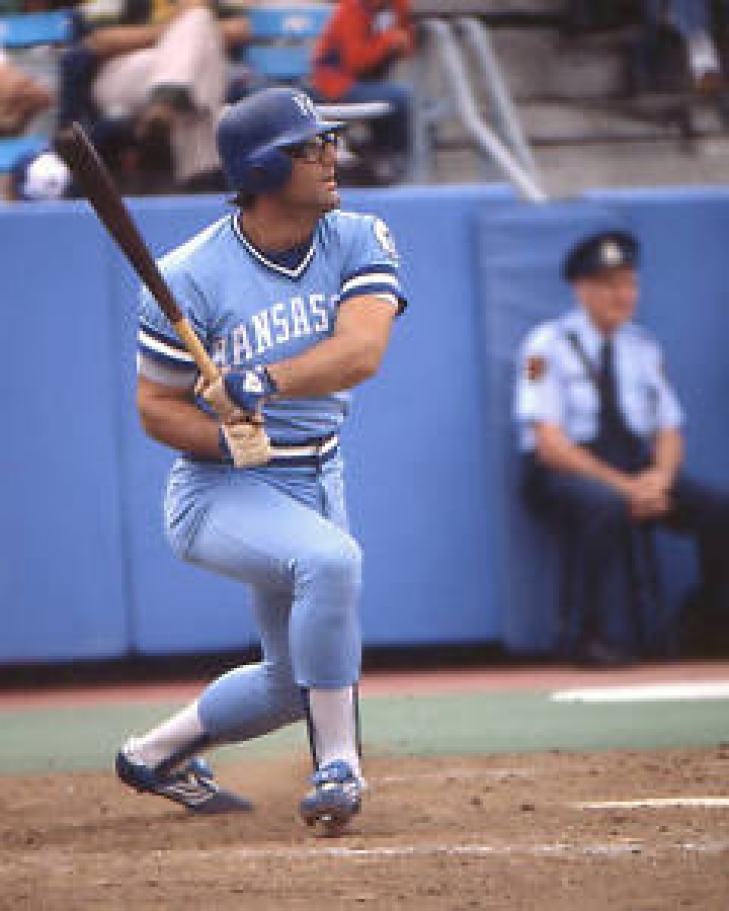
Darrell Porter joined the Kansas City organization in December 1976 via a significant trade with the Milwaukee Brewers, a transaction that sent Jamie Quirk and Jim Wohlford to the Cream City in exchange for the left-handed-hitting backstop. After several seasons of unfulfilled potential in Milwaukee, he arrived in Kansas City and immediately evolved into one of the better offensive catchers in the American League.
After taking over the starting role in 1977, he demonstrated a specialized ability to drive the ball while maintaining an elite eye for the strike zone. He surged into the spotlight in 1978, recording 18 home runs and finishing tenth in the MVP voting, providing the steady-state production needed to secure back-to-back AL West titles. This period of rapid growth served as the essential lead-in to his historic 1979 campaign, showing the organization that he was a foundational superstar who could anchor the heart of the order alongside George Brett.
In the summer of 1979, he became a statistical titan, posting career highs of 20 home runs, 112 RBIs, and a league-leading 121 walks. He demonstrated a specialized ability to manufacture runs, becoming only the second catcher in American League history, joining the legendary Mickey Cochrane, to record 100 runs, 100 RBIs, and 100 walks in a single season. He showed the organization that he was a foundational winner by finishing ninth in the MVP voting and earning his second of three consecutive All-Star selections as a Royal.
He left the club following the 1980 season, signing a landmark contract with the St. Louis Cardinals. However, his story was also defined by immense personal courage; in early 1980, Porter became one of the first professional athletes to publicly address his struggles with substance abuse, checking himself into a rehabilitation facility during spring training. He passed away in 2002.
As a Royal, Porter compiled 492 hits, 290 runs scored, and three All-Star selections.
24. Charlie Leibrandt
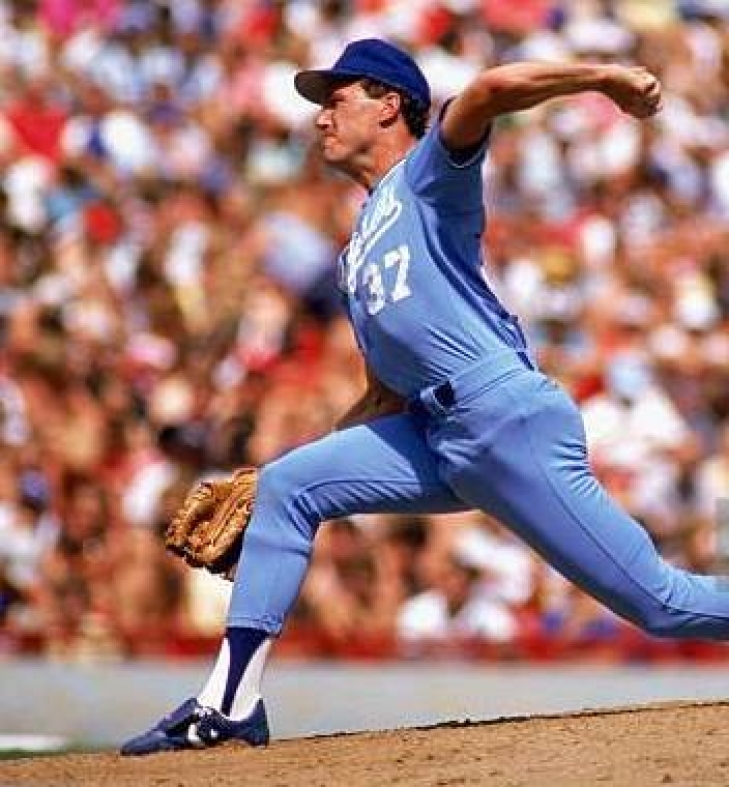
Charlie Leibrandt joined the Kansas City organization in mid-1983 via a trade with the Cincinnati Reds, a transaction that brought the left-hander to Missouri in exchange for Bob Tufts. After spending the remainder of that first summer in the minors, he surged into the Royals' rotation in 1984 and immediately established himself as the team’s most reliable southpaw.
After earning a permanent role in the rotation, he demonstrated a specialized ability to dictate the tempo of a game, recording five consecutive seasons with at least ten victories. He surged into the spotlight during the 1985 campaign, recording a career-high 17 wins and a microscopic 2.69 ERA, a mark that ranked second in the American League. This period of rapid growth served as the essential lead-in to his most iconic moments, showing the organization that he was a foundational winner who could thrive under the intense pressure of October baseball.
Leibrandt’s journey reached a historic peak of efficiency during the 1985 postseason. While he suffered a heartbreaking loss in Game 2 of the World Series against the Cardinals, he demonstrated a specialized resilience by coming out of the bullpen in Game 7 of the ALCS to secure the win that sent Kansas City to the Fall Classic. He showed the organization that he was a foundational big-game performer by tossing nearly eight masterful innings in Game 6 of the World Series, setting the stage for the dramatic ninth-inning comeback that kept the Royals’ title hopes alive. Notably, Liebrandt pitched at least 230 innings in four straight seasons (1985–1988).
After a year where his ERA rose to 5.14, the Royals traded the veteran to the Atlanta Braves in exchange for Gerald Perry and Jim Lemasters. As a Royal, Liebrandt compiled a 76-61 record and a 3.60 ERA.
20. Freddie Patek
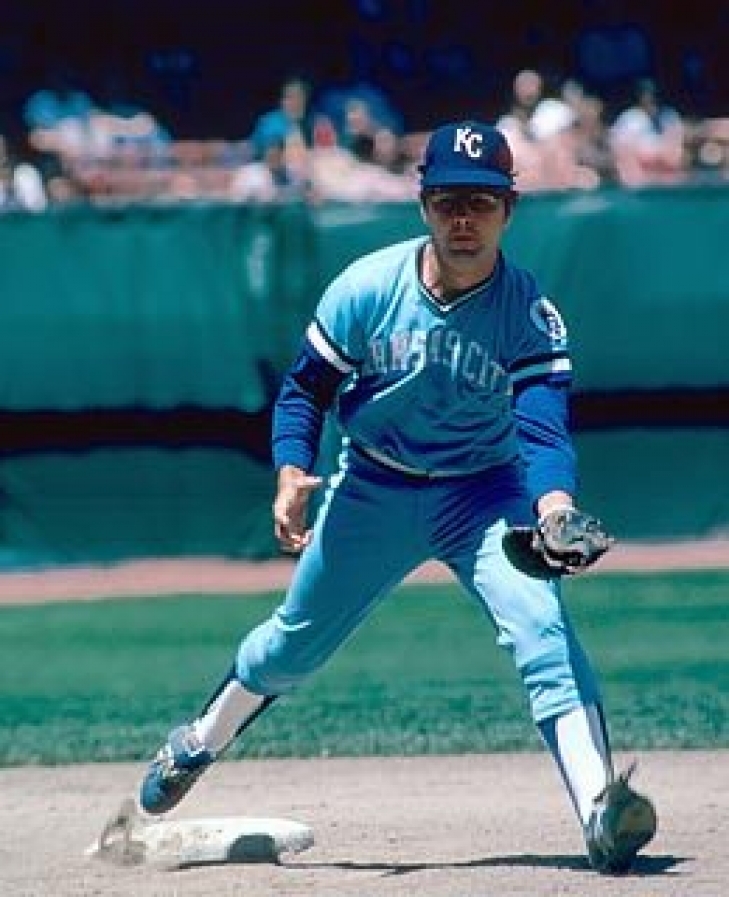
Freddie Patek joined the Kansas City organization in late 1970 via a trade with the Cincinnati Reds, a move that brought the man affectionately known as "The Flea" to Missouri in exchange for Roger Nelson and Richie Scheinblum. At 5-foot-5, he was frequently the smallest player on any field he stepped onto, but he quickly proved that his impact on the game was anything but miniature.
The climb toward Patek’s peak in the mid-1970s was a study in defensive mastery and relentless, high-frequency base-running. After taking over the starting shortstop role, he demonstrated a specialized ability to cover more ground than almost anyone in the American League. In 1972, he reached a peak for defensive efficiency, leading the league in defensive bWAR (3.1) and Total Zone Runs (21), effectively serving as the vacuum of the Kansas City infield. This period of defensive growth served as the essential lead-in to his most productive offensive years, showing that while he might struggle to maintain a high on-base percentage, his presence was a constant tactical headache for opposing pitchers once he reached first.
In the 1977 campaign, he evolved into the premier base-stealer in the American League, recording a league-best 53 swipes and earning his third All-Star selection. He showed the organization that he was a foundational winner by helping lead the Royals to three consecutive AL West titles between 1976 and 1978. He possessed a rare, durable quality that saw him log eight straight seasons with at least 30 stolen bases, providing the steady-state production required to stabilize the top of a lineup that featured icons like George Brett and Amos Otis. Even with a career .309 OBP in Kansas City, he maximized every opportunity, eventually amassing 336 steals, a franchise record at the time of his departure.
Following the 1979 season, Patek signed with the California Angels as a free agent. With Kansas City, he compiled 1,036 hits, 336 stolen bases, and three All-Star selections and was inducted into the Royals Hall of Fame in 1992.
21. Larry Gura
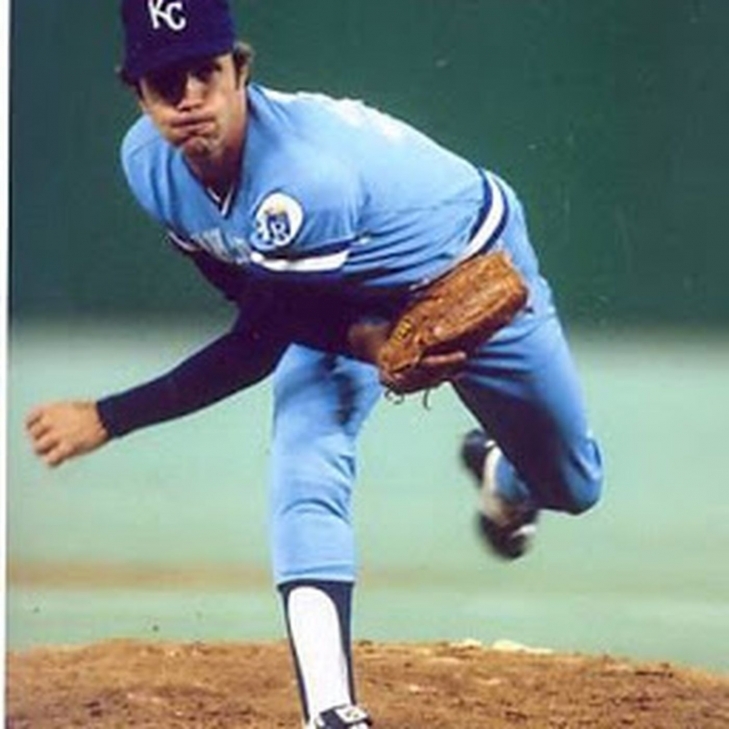
Larry Gura joined the Kansas City organization in mid-1976 via a trade with the New York Yankees, a transaction that sent reserve catcher Fran Healy to the Bronx. While he had struggled to find a permanent role in Chicago or New York, the move to Missouri unlocked a dormant potential in the southpaw.
The climb toward Gura’s peak in the late 1970s was a study in tactical reinvention and high-frequency reliability. After bouncing between the bullpen and the rotation during his first two years in Kansas City, he demonstrated a specialized ability to neutralize the powerhouse hitters of the American League East. He surged into the spotlight in 1978, recording a 16-4 record and finishing seventh in the Cy Young voting. This period of rapid growth served as the essential lead-in to his postseason heroics, showing the organization that he was a foundational big-game performer by finally vanquishing his former team, the Yankees, in the 1978 ALCS.
Gura’s journey reached a historic peak of efficiency and individual recognition during the 1980 campaign. That summer, he evolved into the tactical anchor of the Royals’ rotation, recording an 18-10 record and earning his first All-Star selection. He showed the organization that he was a foundational winner by finishing sixth in the Cy Young voting and leading the club back to the postseason. He possessed a quality that saw him pitch 283.1 innings that year, providing the steady-state production required to lead Kansas City to its first-ever World Series appearance. He famously reprised his role as the "Yankee-Killer" during the 1980 ALCS, delivering a masterful performance that helped exorcise the franchise’s postseason demons against New York.
Between 1978 and 1982, Gura was a statistical standout, recording five consecutive seasons with at least 12 wins and three top-ten finishes in the Cy Young voting. Gura struggled during the 1985 season, leading to his release, but was inducted into the Royals Hall of Fame in 1992.
With Kansas City, Gura compiled a 111-78 record and 631 strikeouts.
19. Paul Splittorff
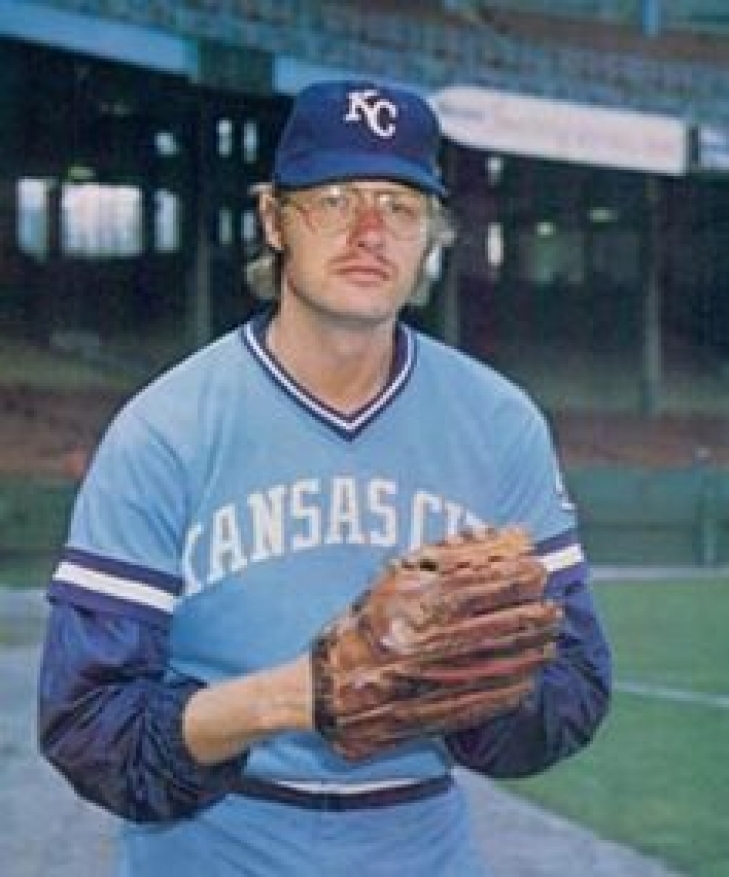
Paul Splittorff became the quintessential fixture of the Kansas City rotation by way of the 1968 draft, joining the organization before they had even played a major league game. For fifteen seasons, the lanky left-hander provided a specialized brand of durability, functioning as the primary engine for the franchise's first championship-caliber teams.
Splittorff’s journey in a Royals uniform reached a historic milestone during the 1973 campaign. That summer, he secured his place in franchise lore by becoming the first 20-game winner in Kansas City history, a high-frequency display of reliability that saw him lead the staff with 38 starts. This achievement signaled his transition from a young prospect to a workhorse who specialized in eating up innings. He showed the organization that he was a foundational piece of the rotation, providing the dependable, day-to-day production required to stabilize a rapidly improving roster.
The bulk of his Missouri years were defined by elite consistency during the team's most competitive era. Between 1977 and 1980, Splittorff was a statistical force of stability, winning at least 14 games each season and routinely surpassing the 200-inning mark. He reached a career peak for high-stakes value during the intense postseason battles of the late seventies, famously earning the "Yankee Killer" moniker for his efficiency in October. He recorded crucial victories in both the 1976 and 1977 ALCS against New York, maintaining a focused intensity that allowed him to thrive even when the national spotlight favored his opponents.
In 1984, he had amassed franchise records for wins, starts, and innings pitched, marks that reflected his status as the most durable pitcher to ever wear the uniform. He left behind a statistical footprint of 166 wins and 1,057 strikeouts,
17. Jeff Montgomery
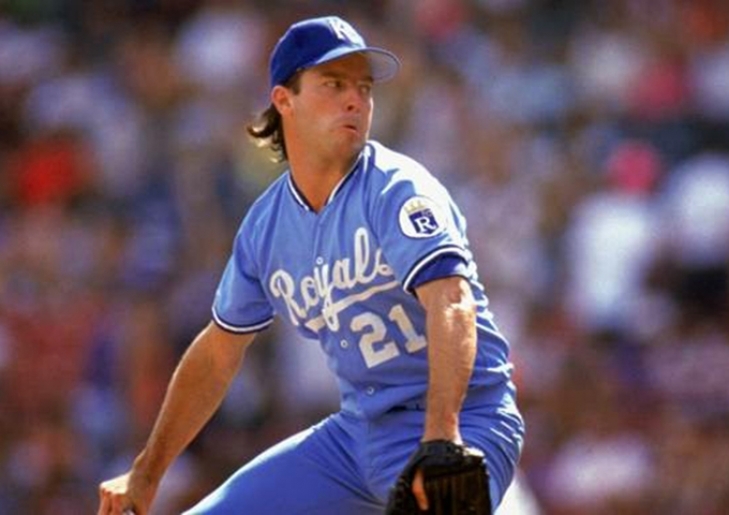
Jeff Montgomery found his professional home in Kansas City after a 1988 trade with the Cincinnati Reds, a move that shifted him from a versatile young arm to a permanent fixture in the bullpen. For twelve seasons, he patrolled the late innings at Kauffman Stadium with a specialized focus on efficiency and a calm, cerebral approach to the closer role.
Montgomery’s journey in a Royals uniform reached a rapid peak shortly after his acquisition. By 1989, he had transitioned into a premier American League reliever, recording 18 saves and a 1.37 ERA. This initial splash signaled a transition from a middle-relief option to a frontline stopper who specialized in generating high-frequency outs in the most leveraged situations. He showed the organization that he was a foundational piece of the pitching staff, earning his first All-Star selection in 1992 and establishing himself as a model of reliability for a club that prioritized late-inning defense.
The core of his time in Missouri was defined by elite, all-around production during the early 1990s. In 1993, Montgomery reached a career peak for individual dominance, leading the American League with 45 saves and capturing the Rolaids Relief Man Award. He possessed a focused intensity that allowed him to thrive under pressure, finishing 13th in the MVP voting and earning his second of three All-Star nods. Despite a lack of overwhelming physical stature, he remained a statistical force, recording five separate seasons with at least 30 saves.
Following the 1999 season, Montgomery chose to retire, and did so with 304 saves in a Kansas City uniform. In 2003, his baseball chapter closed with his induction into the Royals Hall of Fame.
31. Steve Busby
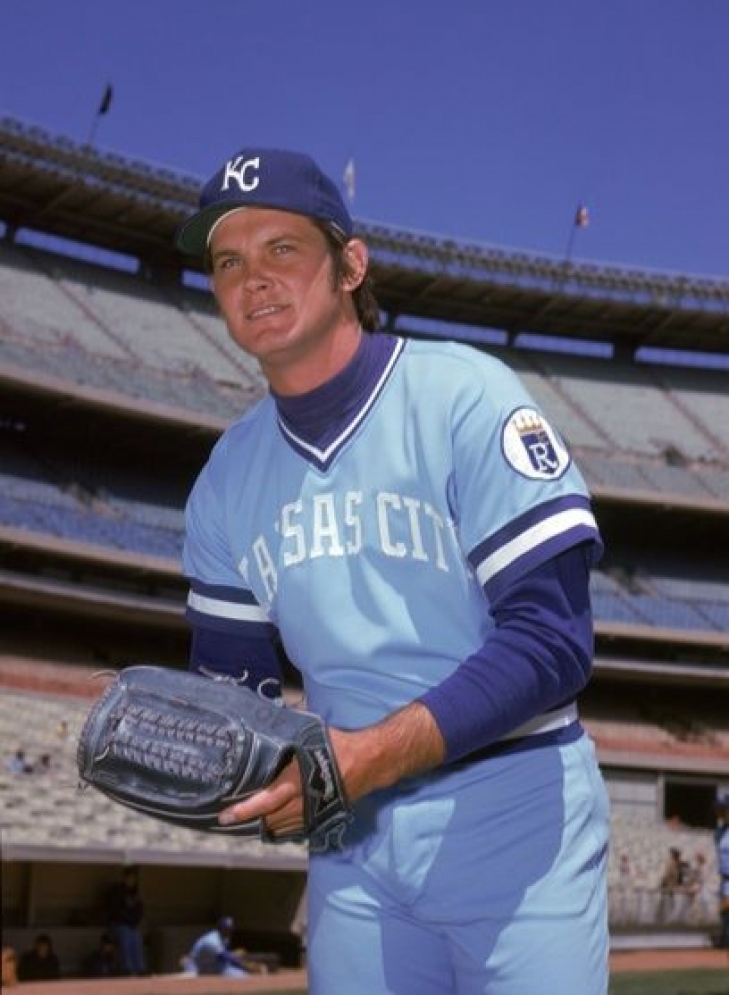
Steve Busby joined the Kansas City organization as a second-round selection in 1971 out of USC, a right-hander whose arrival signaled the dawn of the Royals' competitive era. Debuting in late 1972, he immediately established himself as a historic outlier by tossing a no-hitter in just his tenth career start.
Busby reached a historic peak of efficiency and individual recognition between 1973 and 1975. After a 16-win rookie campaign, he surged to a career-high 22 wins in 1974, becoming the first Royal to reach the 20-victory plateau. He showed the organization he was a foundational superstar by throwing his second career no-hitter that summer, making him the first pitcher in MLB history to record a no-no in each of his first two full seasons. He earned back-to-back All-Star selections and finished in the top five of the 1974 Cy Young voting, providing the steady-state production that stabilized the rotation before the era of Frank White and George Brett truly took hold.
Everything culminated in a tragic transition during the 1976 season when Busby was diagnosed with a torn rotator cuff. In a move that became a medical landmark, he became the first active Major League pitcher to undergo rotator cuff surgery, an injury that was almost universally considered career-ending at the time. To protect his arm during his attempted comeback, he was famously placed on a strict pitch count, a tactic rarely seen in the 1970s that is now the industry standard. While he courageously returned to win six games in 1979, the high-velocity stuff was never the same, and he left the active roster for good following the 1980 season.
Busby compiled a 70-54 record, 659 strikeouts, and two career no-hitters as a Royal.
14. John Mayberry
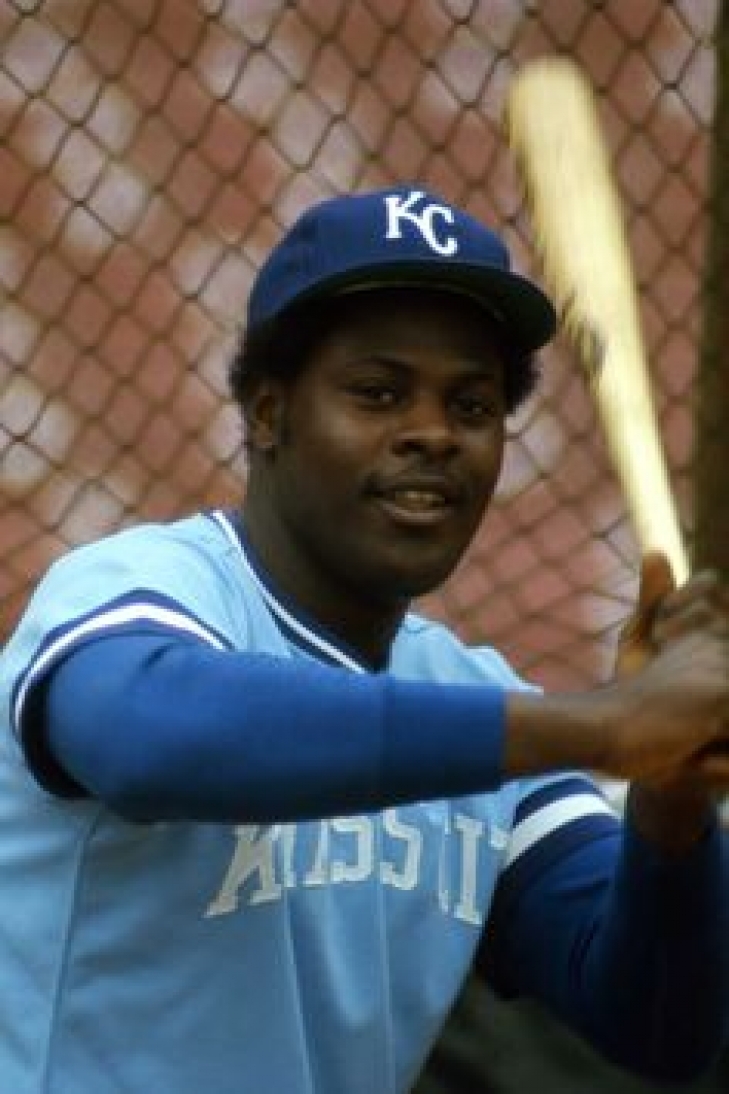
John Mayberry arrived in Kansas City as the first true home run threat for a young franchise, a massive left-handed presence who provided the lineup with an immediate injection of power. For six seasons, he was the primary engine of the Royals' offense, a player whose ability to drive the ball over the fence was matched only by a specialized eye for the strike zone that kept him among the league leaders in on-base percentage.
Mayberry had an immediate impact in 1972 after a lopsided trade with Houston. He reached a career-defining breakout in his debut season with the club, winning the Royals Player of the Year honors and signaling a transition from a young prospect to a premier American League slugger. He possessed a focused intensity at the plate, pairing his strength with a disciplined approach that saw him lead the league with a .417 on-base percentage in 1973. He showed the organization that a first baseman could be both a high-frequency home run threat and a master of the walk, setting a franchise record with 122 free passes that still stands today.
The best season in Kansas City came during the 1975 campaign. That summer, Mayberry became the first player in franchise history to cross the 30-homer threshold, finishing with 34 home runs and 106 RBIs. His performance earned him a runner-up finish for the American League MVP, as he led the league in walks for a second time while recording a career-high 38 doubles. He provided the dependable, day-to-day production that transformed the Royals into a perennial contender, eventually recording three seasons with at least 100 RBIs. Despite his offensive efficiency, his defensive range at first base remained a difficult hurdle that often limited his overall statistical value.
The story in Kansas City took a sudden and turbulent turn during the 1977 postseason. Following a regular season where he hit 23 home runs and hit for the cycle, Mayberry fell out of favor with manager Whitey Herzog. A late arrival before Game 4 of the ALCS against the Yankees led to a benching that effectively signaled the end of his tenure. He was subsequently sold to the Toronto Blue Jays before the 1978 season, leaving the Royals with 143 home runs and 552 RBIs.
In 1996, the Royals inducted him into their Hall of Fame.
13. Dennis Leonard
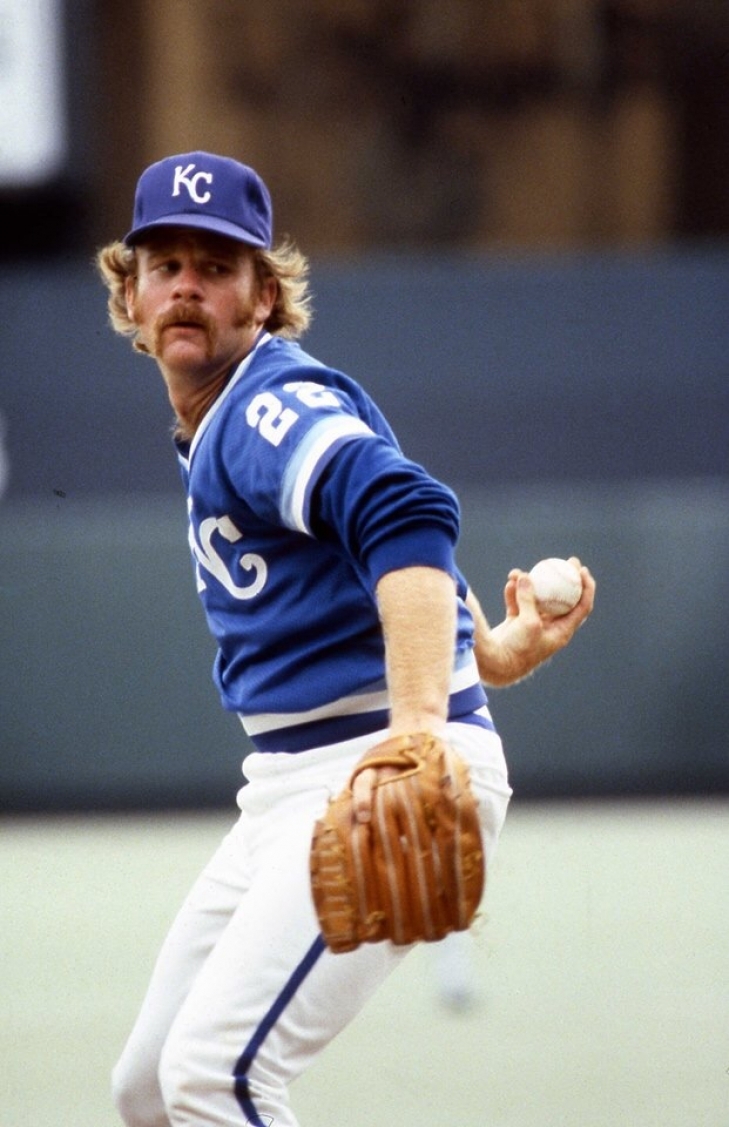
Dennis Leonard was the relentless engine of the Kansas City rotation during their first golden era, a right-hander whose durability was as steady as the mustache he famously wore. In an age where the Royals were constantly battling for American League supremacy, Leonard provided a high-frequency workload that turned him into the winningest right-hander in the sport over a seven-year stretch.
Leonard’s ascent in Kansas City began in 1974, but he reached a major turning point in 1975 when he secured 15 wins and proved he could handle the demands of a full season. He possessed a focused intensity that allowed him to move past his prospect years and become a franchise pillar almost overnight. By 1977, he reached a career peak for volume, winning 20 games for the first time and finishing fourth in the Cy Young voting.
Leonard became the only pitcher in Royals history to record three separate 20-win seasons, reaching that mark again in 1978 and 1980. During the 1980 campaign, he was the primary outlier in the rotation that led Kansas City to its first-ever World Series appearance. He showed the organization that a pitcher could become a legend by simply refusing to yield the mound, eventually amassing more wins than any other right-handed starter in the American League between 1975 and 1981.
Everything seemed to be building toward a historic total until the 1982 season, when the heavy workload of his peak years led to a series of devastating knee injuries. Leonard spent the next few seasons navigating a difficult, injury-plagued plateau, undergoing multiple surgeries that kept him off the diamond for nearly three full years. He showed a remarkable professional resilience by returning to the mound in 1986, winning eight games in a veteran-like comeback that served as an inspiration to the clubhouse. He eventually retired with 144 wins and 1,323 strikeouts, having spent his entire twelve-year professional life in a Royals uniform.
In 1989, the Royals inducted him into their Hall of Fame.
