

33. Greg Vaughn
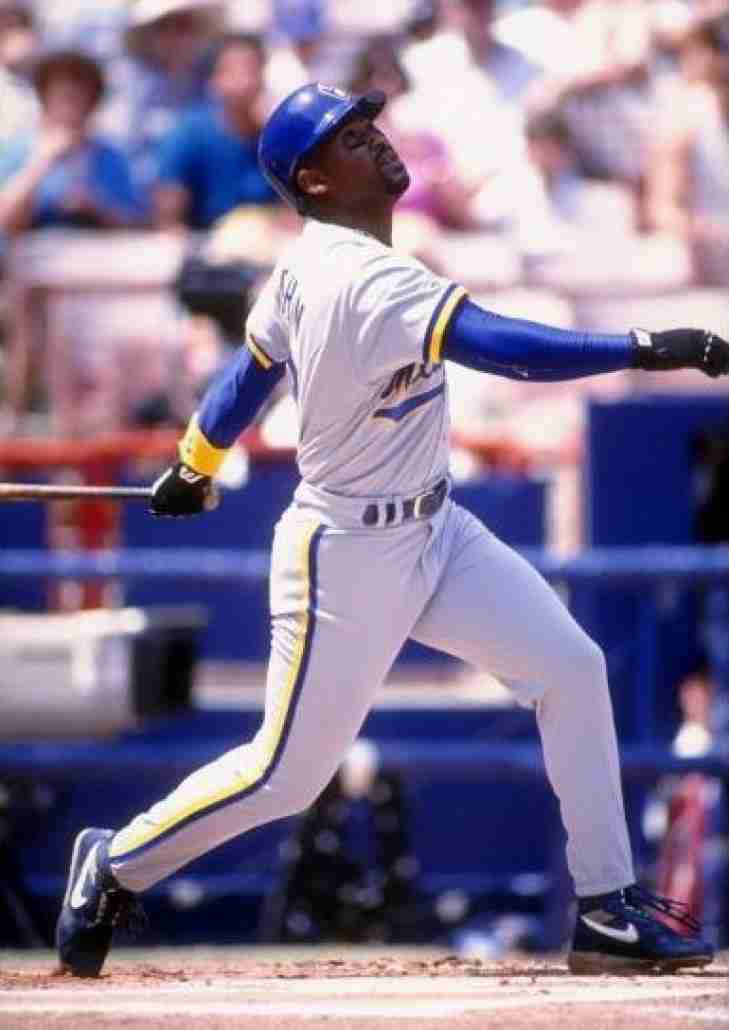
Greg Vaughn debuted for the Brewers in 1989 as a former fourth-overall draft pick. Known for his powerful swing, he inspired the "Vaughn’s Valley" section in the left-field bleachers, which became iconic in Brewers baseball during the early 90s. Although he eventually hit his career high with 50 homers in San Diego, Vaughn spent nearly eight seasons in Milwaukee as the team's leading power hitter.
Following his debut at the age of 24, Vaughn attained a peak of productivity in 1991, orchestrating a breakthrough season with 27 home runs and 98 RBIs. He demonstrated comprehensive mastery of the strike zone typical of a power hitter, initiating a sequence of three consecutive seasons in which he surpassed 20 home runs. By 1993, he achieved a historic milestone for a Brewers outfielder, earning his inaugural All-Star selection and delivering an exemplary season with 30 home runs and 97 RBIs. Throughout this period, he was a consistent professional presence, concluding the year with an impressive .850 OPS.
In 1996, during a pivotal trade deadline, he had a remarkable period in which he hit 31 home runs in just 102 games for the Brewers. That summer, he demonstrated complete dominance in the American League, earning his second All-Star nod and achieving a career-high .948 OPS by July. However, as the organization shifted toward a youth focus, his time in Milwaukee ended on July 31, 1996. The Brewers made a major trade, sending the popular slugger to the San Diego Padres in exchange for a package that included Marc Newfield and Bryce Florie.
In Milwaukee, Vaughn compiled 169 home runs, 566 RBI, and a .244 batting average.
17. Geoff Jenkins
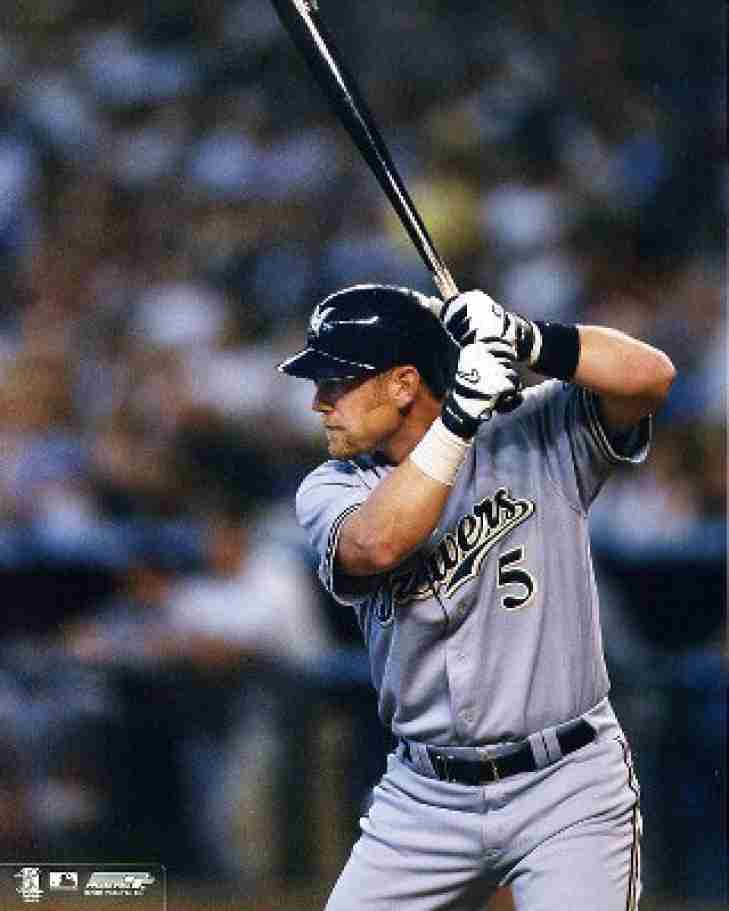
The ninth overall pick in the 1995 draft, Geoff Jenkins brought a violent, left-handed swing that looked tailor-made for the short porches of County Stadium and, later, Miller Park.
Debuting for the Brewers in 1998, Jenkins broke through in 2000, when he was named the team MVP after a year in which he batted .303 with 34 homers and 94 RBIs. Jenkins had five consecutive seasons with at least 20 home runs to start the new millennium. While his journey faced a setback in 2002 due to a gruesome dislocated ankle, he returned with a vengeance in 2003, authoring a first half that saw him voted onto the National League All-Star team as the winner of the final fan vote.
Between 2003 and 2005, he served as the veteran anchor for a young core that included Prince Fielder and Ryan Braun. During the 2003 season, he hit 28 home runs and had 95 RBIs, demonstrating that his power continued to be a fundamental asset for the team. He surpassed the 20-home run mark on seven occasions while playing for the Brewers and concluded his tenure in Milwaukee with 212 home runs, a figure that, at the time of his departure, ranked second in franchise history only behind Robin Yount.
Milwaukee declined his option in 2007, and Jenkins departed for Philadelphia, where he won a World Series immediately. In Milwaukee, Jenkins compiled 1,221 Hits, 212 home runs, and 704 RBIs as a Brewer.
15. Gorman Thomas
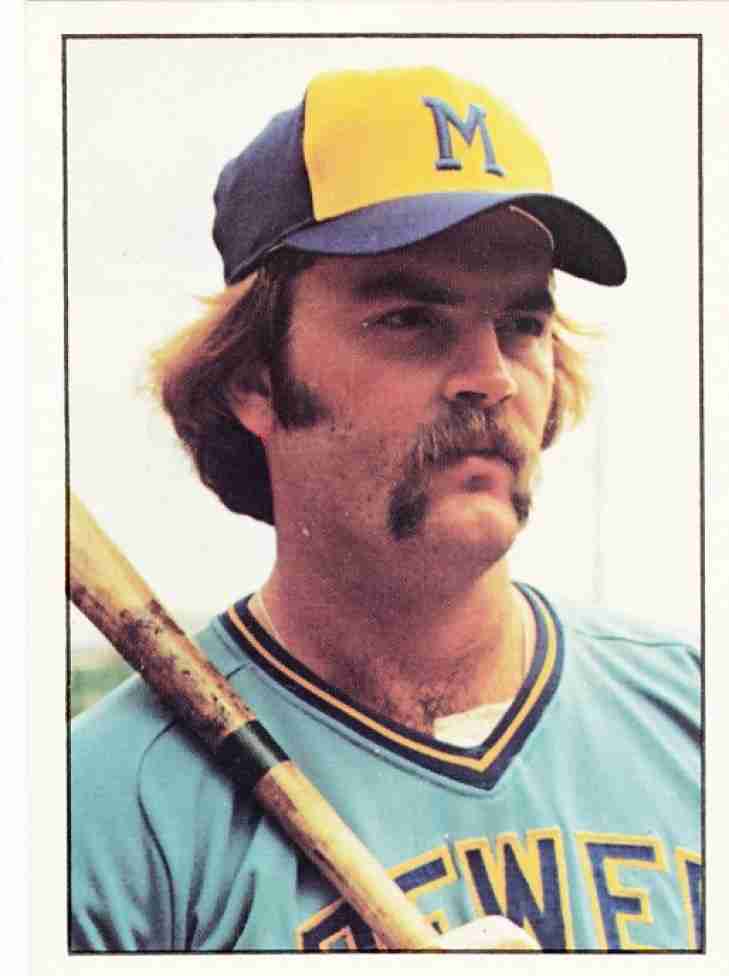
Gorman Thomas commenced his tenure in Milwaukee as the inaugural draft selection for the recently relocated franchise in 1969. He was a center fielder originating from South Carolina, characterized by an unwavering, all-or-nothing batting approach. Although the initial years of his career involved fluctuations between Major League Baseball and minor leagues, including an unusual 1977 season during which he was effectively concealed on the Rangers' roster through a paper transaction, he rejoined the team in 1978 to become the strategic power man of the most formidable lineup in the club’s history.
In 1978, during his first season back with the team, Thomas showcased his power by hitting 32 home runs. He reached a career-defining peak in 1979, setting a standard for Brewers players; he led the American League with 45 home runs and had 123 RBIs, finishing seventh in MVP voting. At this time, he became the first AL center fielder besides Mickey Mantle or Joe DiMaggio to hit at least 45 homers in a season.
In 1982, he was the power-hitting leader for the legendary "Harvey’s Wallbangers" team. He demonstrated expert control of the deep ball, leading the league with 39 home runs for the second time and driving in 112 runs, helping the Brewers secure their first American League pennant. Although he was known for leading the league in strikeouts twice, his main strength was his ability to perform in clutch situations, finishing eighth in MVP voting and participating in the 1982 World Series.
In June 1983, a high-stakes trade sent him to the Cleveland Indians for Rick Manning, a move that left the city in mourning. However, he returned for a final swan song in 1986, finishing his journey where it began before retiring at the end of the year. Thomas compiled 1,051 hits, 208 home runs, and 605 RBIs as a Brewer.
14. Jeff Cirillo
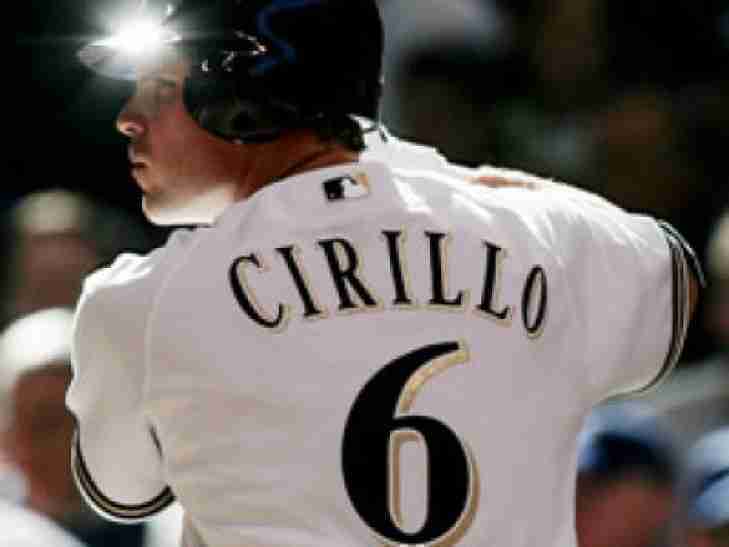
Jeff Cirillo, an 11th-round pick in 1991, was a steady right-handed hitter and a fixture at third base. Though he played for several teams, his time in Wisconsin marked him as one of the most consistent contact hitters for the Brewers.
Debuting in 1994, Cirillo quickly rose to the top tier of American League hitters. From 1996 to 1998, he showed a thorough understanding of the strike zone, batting at least .321 twice and earning his first All-Star spot in 1997. He displayed a professional style centered on line drives and power between gaps, hitting 46 doubles in two consecutive seasons.
His best season with the Brewers was in 1999, a year that cemented his spot in the record books. He achieved a career-high 198 hits and a .326 batting average. He finished the year third in the league in hits. Cirillo was traded to Colorado after that year in a high-stakes gamble, but he returned to the Brewers in 2005 as a veteran presence. He showcased a resilient second act, batting .319 in 2006 and recording his 1,000th hit as a Brewer on the season's final day.
16. Mike Caldwell
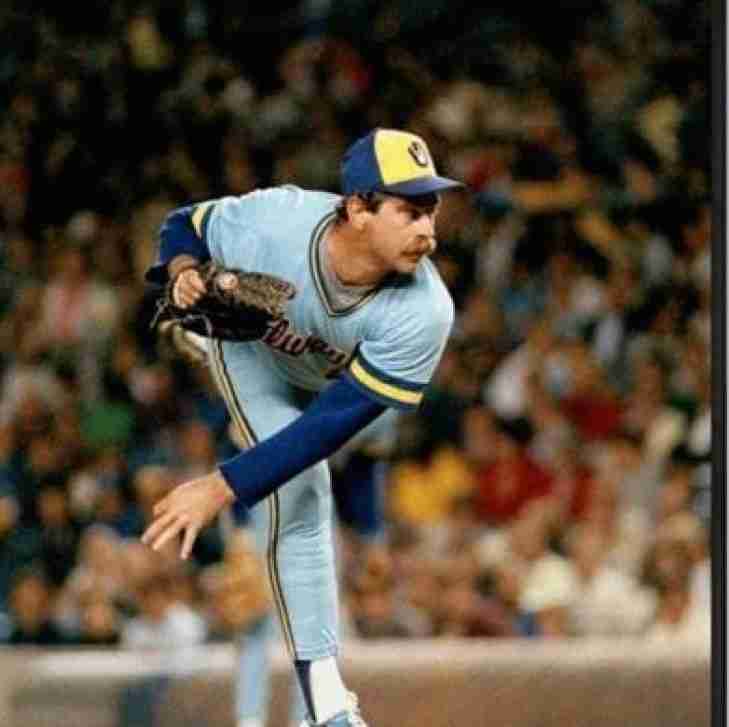
Acquired as a mid-season trade from Cincinnati, Mike Caldwell arrived in Milwaukee during the 1977 season. Caldwell was a left-handed sinkerballer who had bounced through three organizations in the early '70s. After settling in with a solid second half in his debut year, he transformed into the quintessential "Yankee Killer" and a tactical mainstay of the Brewers' rotation.
In 1978, Caldwell produced a remarkable season, ending with a career-best 22 wins and a .710 winning percentage. He dominated opposing lineups by leading the American League with 23 complete games and achieving a notable 2.36 ERA. This outstanding performance earned him the AL Comeback Player of the Year award and a second-place finish in the Cy Young voting, behind Ron Guidry's historic season.
Between 1979 and 1983, he achieved double-digit victories for six seasons. He had a durable arm, often pitching over 200 innings, and was a steady presence supporting a strong offense. Notably, he was a threat to the Yankees, with a 12-5 record and 2.66 ERA against them.
During the 1982 American League Pennant run, Caldwell provided some of the most clutch pitching in team history. While he was a professional workhorse during the regular season, he found an even higher gear in the 1982 World Series against St. Louis. He authored a brilliant performance in Game 1, throwing a complete-game shutout, and finished the Series with a 2-0 record and a 2.04 ERA.
Caldwell retired after the 1984 season. As a Brewer, he posted a 102-80 record, a 3.74 ERA, and 81 complete games.
18. Carlos Gomez
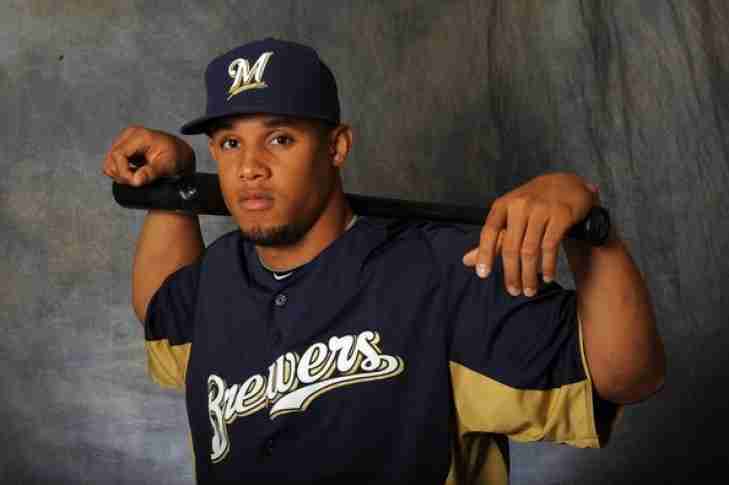
A raw athlete from the Twins organization, Carlos Gomez was traded to the Brewers in 2010, bringing with him unmatched speed but an undisciplined approach at the plate.
In 2012, Gomez achieved a new level of production with 19 home runs and 37 stolen bases, highlighting his athleticism. He followed with a historic 2013 season, earning his first Gold Glove, the first Brewer in 31 years, and his first All-Star selection. He finished with a career-high 24 homers, 40 stolen bases, ranked 9th in MVP voting, and led the National League in bWAR (7.6).
At this time, Jenkins was also showing great work with the leather, winning the Wilson Defensive Player of the Year Award in back-to-back seasons (2012–2013) and earning a reputation for robbing home runs at the wall. In 2014, he reached a second consecutive All-Star plateau, batting .284 with 23 home runs and 34 stolen bases.
In the middle of the 2015 season, they traded Gomez and Mike Fiers to the Houston Astros in July for a package of prospects that included Josh Hader and Domingo Santana. As a Brewer, Gomez compiled 601 hits, 87 home runs, and 152 stolen bases.
22. Chris Bosio
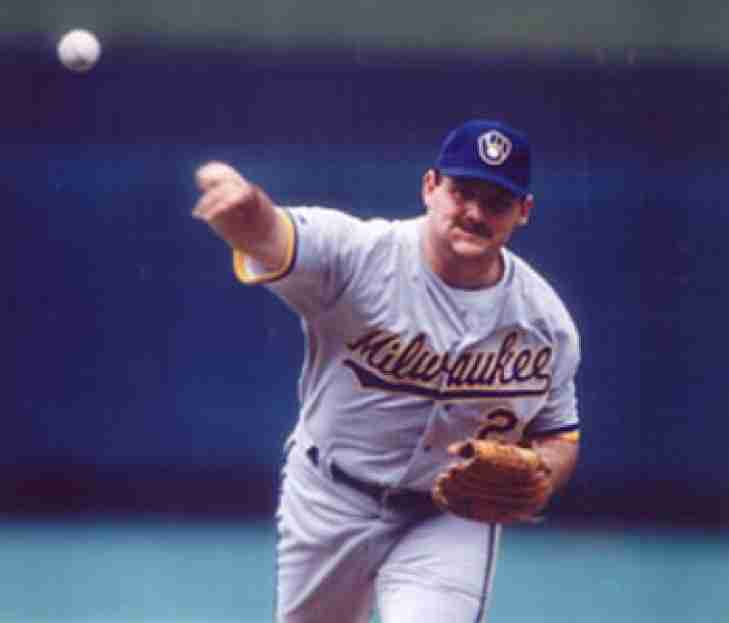
Chris Bosio debuted for Milwaukee in 1986 as a second-round draft pick. His path from Sacramento Junior College to the County Stadium mound was marked by a consistent, deliberate progression. Although he started as a reliever, his high-leverage ability soon earned him a promotion to the rotation.
Following a tough debut year, Bosio achieved unprecedented efficiency in 1989, delivering a standout season with a 15-10 record and a remarkable 2.95 ERA. At this peak, he demonstrated complete mastery over his pitching arsenal, leading his team in wins and pitching 234.2 innings, including eight complete games. His performance established him as a key pillar of the rotation, placing him in the league's top ten for ERA and cementing his reputation as a pitcher capable of handling high-pressure innings with focused precision.
In the 1992 season, he achieved a career-high 16-6 record and reached a level of control that few in the American League could match. During this year, he led the league in BB/9 with 1.7, demonstrating a specialized ability to target the strike zone and induce weak contact from hitters. He was highly efficient, ending the year with a 1.15 WHIP and ranking in the top five for FIP at 3.11, showing that his success was based on strong fundamentals rather than luck.
Bosio left the Brewers in 1992 as a free agent. Bosio compiled a 67-62 record, a 3.76 ERA, and 749 strikeouts for the Blue Brew Crew.
25. Sixto Lezcano
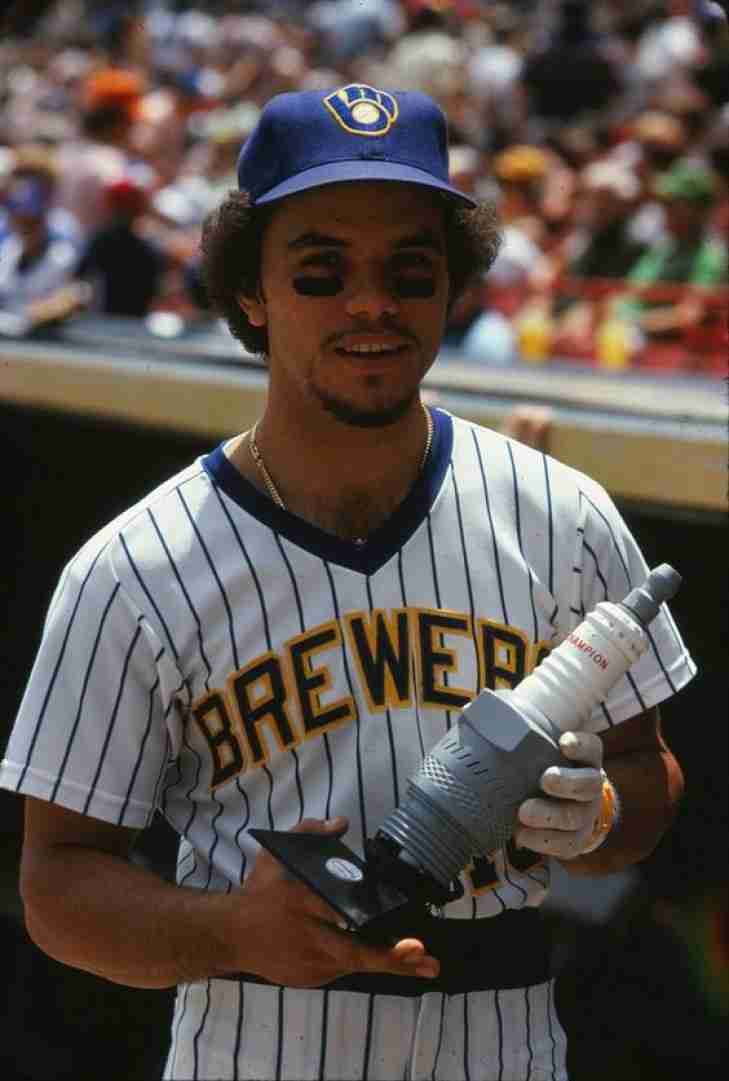
A 20-year-old phenom from Puerto Rico, Sixto Lezano, came to Wisconsin possessing one of the most feared throwing arms in the American League. While he was a cornerstone of the "Bambi’s Bombers" era.
Lezcano became the only player in Major League history to hit a grand slam on two different Opening Days (1978 and 1980), showcasing a knack for big moments. This helped the Brewers emerge as an offensive force. Notably in 1978, he led the league in outfielder assists, demonstrating a strong right-field arm that thwarted many rallies.
During the 1979 season, he had a standout year, batting a career-high .321 with 28 home runs and 101 RBIs. He posted a .987 OPS, earned a Gold Glove, and finished 15th MVP voting. As a key member of a legendary outfield with Gorman Thomas and Ben Oglivie, he was the most well-rounded contributor, helping the Brewers' first winning seasons and showcasing their talent development.
Lezcano was the centerpiece of a historic trade with the St. Louis Cardinals that brought future Hall of Famer Rollie Fingers, Ted Simmons, and Pete Vuckovich to Milwaukee. He left the 414 with a statistical footprint that includes 102 home runs and 749 hits.
28. Bill Wegman
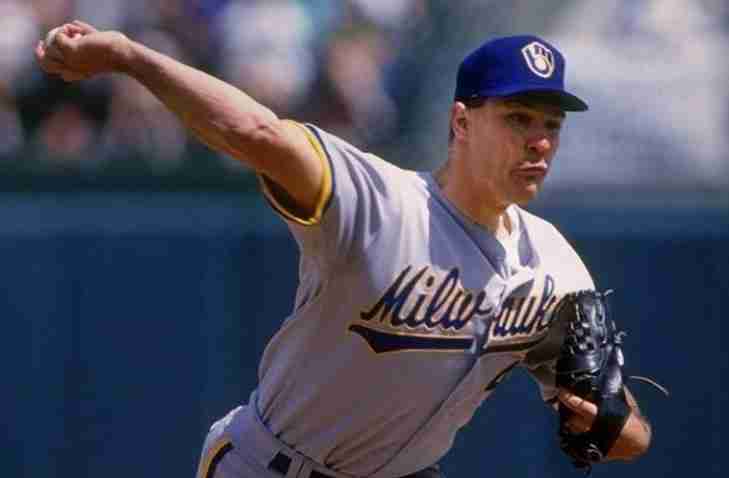
Bill Wegman, a Cincinnati native, arrived in Milwaukee as a fifth-round pick in 1981. He became a true franchise ‘lifer,' known for his control and cerebral style rather than high velocity, wearing a Brewers uniform for 11 seasons.
After a brief 1985 stint, Wegman reached peak efficiency in the late 80s, pitching 200+ innings in 1987 and 1988. He demonstrated an excellent command of the strike zone, finishing in the top ten for BB/9 five times. While his win-loss record reflected team ups and downs, he was known for eating innings and preventing home runs, with a career-high 261.2 innings in 1992.
During the 1991 season, he authored a remarkable campaign, posting a 15-7 record with a 2.84 ERA, the third-best in the American League. He led the league in WHIP (1.117) and finished with seven complete games. His emotional peak was winning the Hutch Award, given to the player who best exemplifies "fighting spirit and competitive desire."
He retired after playing all 11 of his major league years for the Brewers, and Wegman compiled an 81-90 record, a 4.16 ERA, and 696 strikeouts.
24. Jonathan Lucroy
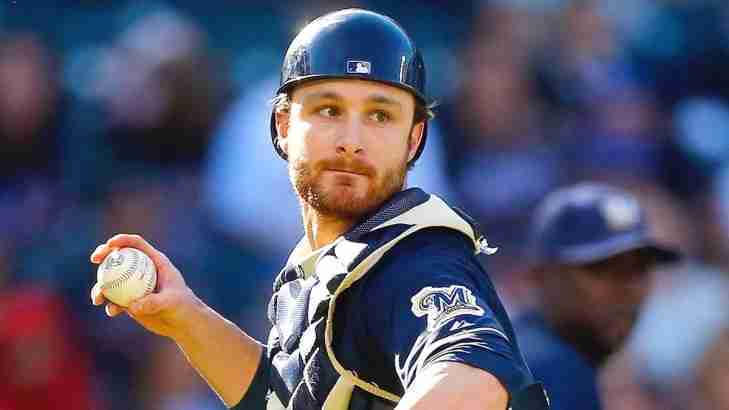
Jonathan Lucroy debuted in Milwaukee in 2010 as a third-round pick and quickly became known as one of the most intelligent and skilled catchers in the league. Although he started as a dependable contact hitter, he was especially renowned for his defensive skills, particularly in pitch framing, which made him the cornerstone of the Brewers' pitching staff.
After securing his starting job in 2010, Lucroy reached a peak of efficiency during the historic 2011 season, leading a pitching staff with five starters hitting double digits. He demonstrated complete control behind the plate, but his bat began to set him apart. By 2012, he was batting .320, becoming a key part of a lineup with multiple MVPs.
During the 2014 season, he authored a remarkable campaign, leading the National League with 53 doubles and establishing a new Major League Baseball record for the most doubles in a single season by a primary catcher (46). He was a consistent presence at the All-Star festivities, including serving as a starter in the Midsummer Classic, and completed a historic fourth-place finish in the National League MVP voting. His contributions were equally significant defensively, where he registered a 2.0 Defensive bWAR and received the Fielding Bible Award, solidifying his reputation as the premier dual-threat catcher in the senior circuit.
With the organization pivoting toward a rebuild, the Brewers finalized a trade that sent Lucroy and Jeremy Jeffress to the Texas Rangers in exchange for a package of prospects, including Lewis Brinson and Luis Ortiz. With Milwaukee, Lucroy had 806 Hits, batted .284, and belted 79 Home Runs.
11. Jim Gantner
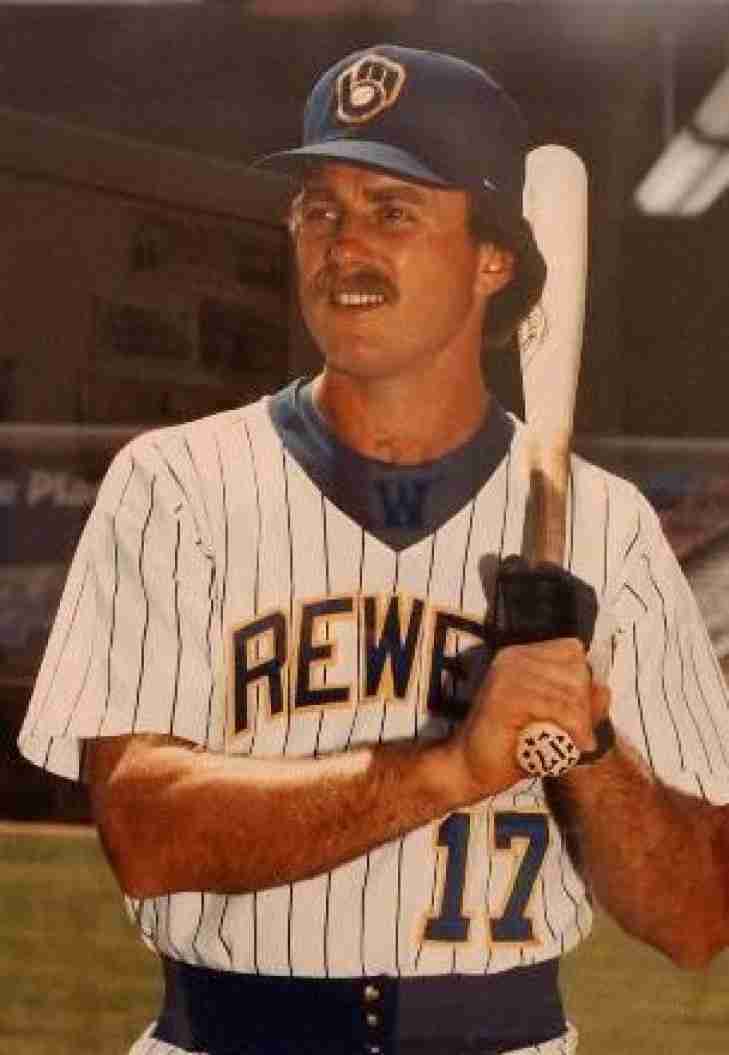
A 12th-round draft pick in 1974, Jim Gantner was a local kid from Fond du Lac who would eventually personify the grit of the franchise. Though he lacked Hall of Fame star power, he became the ultimate "Lifer," spending all 17 seasons with the Brewers.
12. Ben Oglivie
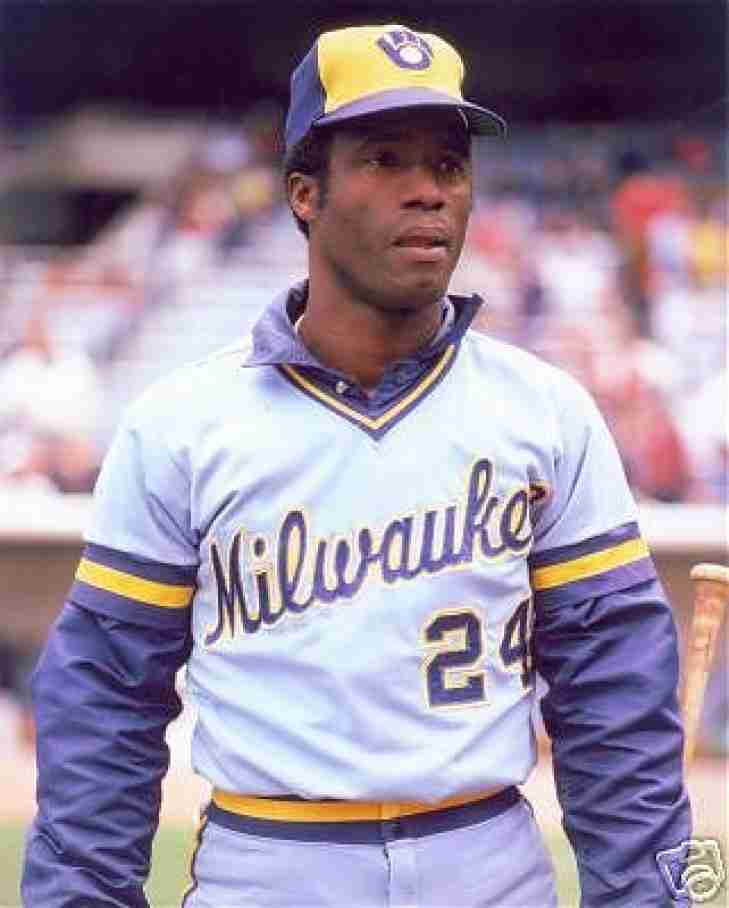
From Panama, Ben Oglivie joined the Brewers in late 1977 as part of a trade with the Detroit Tigers, a move that placed a thoughtful, cerebral power hitter into the heart of Milwaukee's emerging order.
In his debut year at the club in 1978, Oglivie showcased his value with a .303 batting average and 142 hits. In 1979, he stepped up further by hitting 29 home runs, demonstrating that his slim build packed unexpected power. This period cemented his role as a reliable professional who could support a lineup alongside rising stars such as Robin Yount and Paul Molitor, offering the veteran leadership essential for a successful team.
During the 1980 campaign, he demonstrated a season of exceptional efficiency. He showcased a complete mastery of American League pitching by hitting a career-high 41 home runs, making him the first non-American-born player to lead the AL in that category. He combined this power with 118 RBIs and earned his first of three consecutive All-Star selections, along with a Silver Slugger Award. At this peak, he was a strategic force in the middle of the lineup, famously capable of hitting both for average and power, delivering clutch production that kept the Brewers competitive in the race for the title.
Despite consistently hitting double-digit home runs into the mid-1980s, his standout season was in 1982, when he hit 34 homers and drove in 102 RBIs, aiding the American League pennant victory. He finished his career with Milwaukee after 1986, leaving a record of 176 home runs and 1,144 hits. His career demonstrates that perseverance and professionalism can lead to the top of the leaderboards, ultimately earning him a permanent place on the Brewers Wall of Honor.
10. George Scott
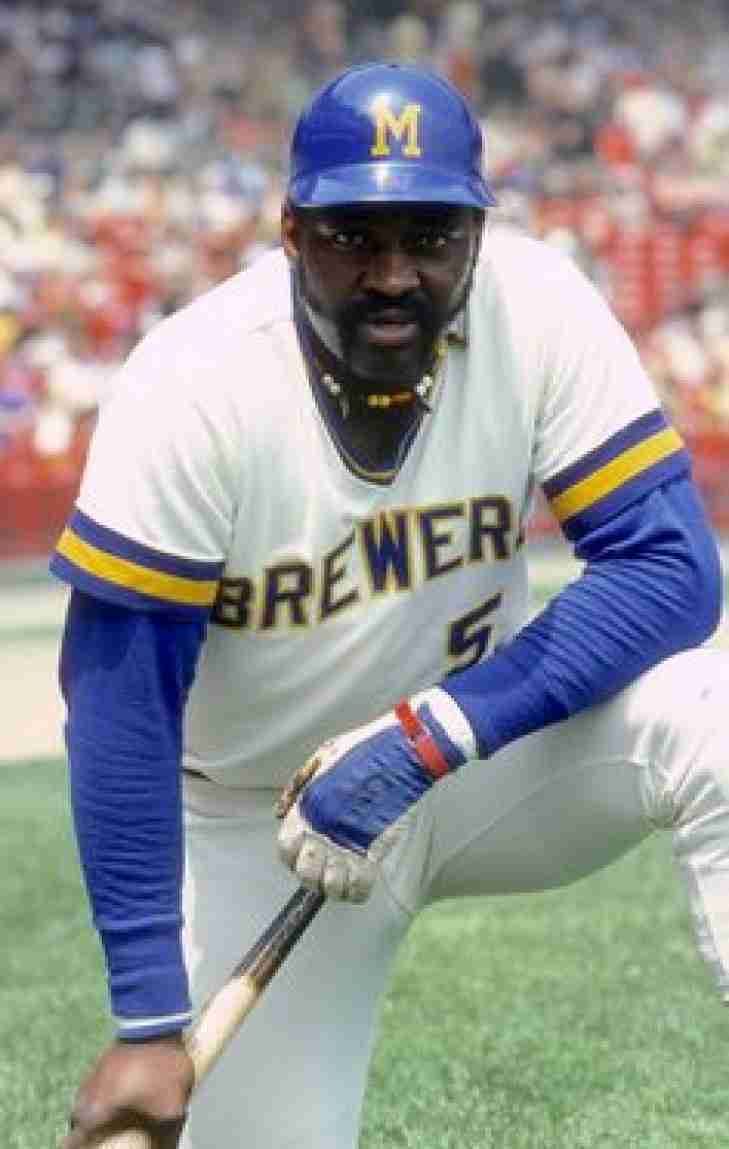
George Scott arrived in Milwaukee in late 1971 as part of a ten-player trade with the Red Sox, bringing a charismatic, powerful first baseman to the Brewers. Nicknamed "Boomer" for his power, Scott quickly became the team's offensive and defensive leader.
Scott showcased a glove that was nearly a vacuum at first base, earning a Gold Glove each season he played for the Brewers (1972–1976). His defense was stellar, and his bat was also strong; he had over 150 hits and 20 home runs in his debut season. This period established him as an elite two-way player who earned MVP votes each year, providing the Brewers with star power for their roster.
During the 1975 season, he led a decorated franchise campaign, mastering AL pitching by hitting 36 home runs and 109 RBIs, earning an All-Star and ranking eighth in MVP voting. He called his home runs “taters," a famous nickname for his power., and a term still used today.
After the 1976 season, he was traded back to the Boston Red Sox in a deal that brought future franchise icon Cecil Cooper to the Brewers. With Milwaukee, Scott had 851 hits, 115 home runs, and 5 Gold Glove Awards.
9. Ben Sheets
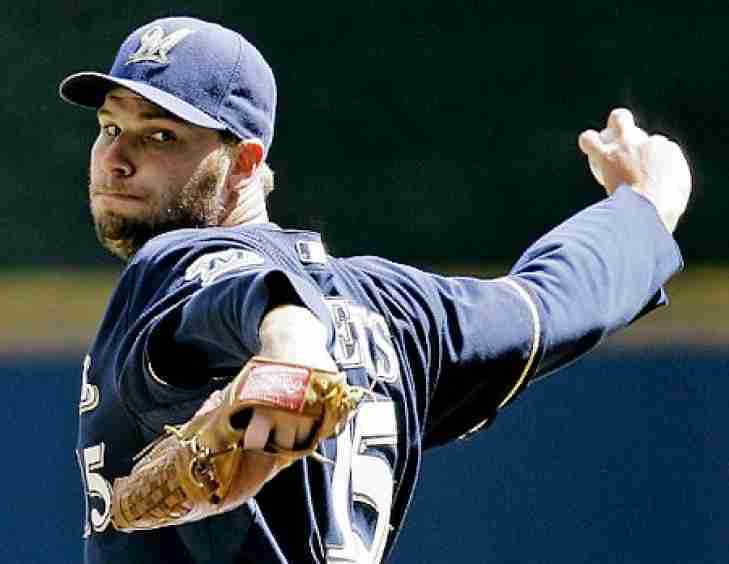
Ben Sheets arrived in Milwaukee as the tenth overall selection in the 1999 draft, but he earned national fame before ever throwing a pitch at Miller Park. After dominating the 2000 Sydney Olympics, where he tossed a three-hit shutout against Cuba to secure the first gold medal in U.S. Olympic baseball history, he made his debut in 2001.
In 2001, Sheets demonstrated he belonged at the highest level, earning an All-Star selection as a rookie and finishing the year with 11 wins. While the Brewers struggled as a club during the early 2000s, he remained a professional mainstay, logging over 200 innings in 2002 and 2003 and establishing himself as a solid power pitcher.
Sheets peaked in 2004, with a highly efficient season. He controlled the strike zone, striking out 264 batters and walking 32. Despite a 12-14 record due to poor run support, his 2.70 ERA and league-leading 8.25 strikeout-to-walk ratio earned him eighth in Cy Young voting. That year, on May 16, he struck out 18 Braves, setting a team record and solidifying his elite status.
Following his 2004 campaign, Sheets faced mound struggles and injuries but had bright spots. He earned his fourth All-Star in 2008, starting the Midsummer Classic for the NL, while dealing with shoulder and elbow issues. He helped the Brewers reach their first postseason in 26 years in 2008, but his arm gave out before playoffs. He underwent Tommy John Surgery and missed the 2009 season, but when he returned, he did so with the Oakland Athletics.
Sheets compiled an 86-83 record, a 3.72 ERA, and 1,206 strikeouts for Milwaukee.
8. Don Money
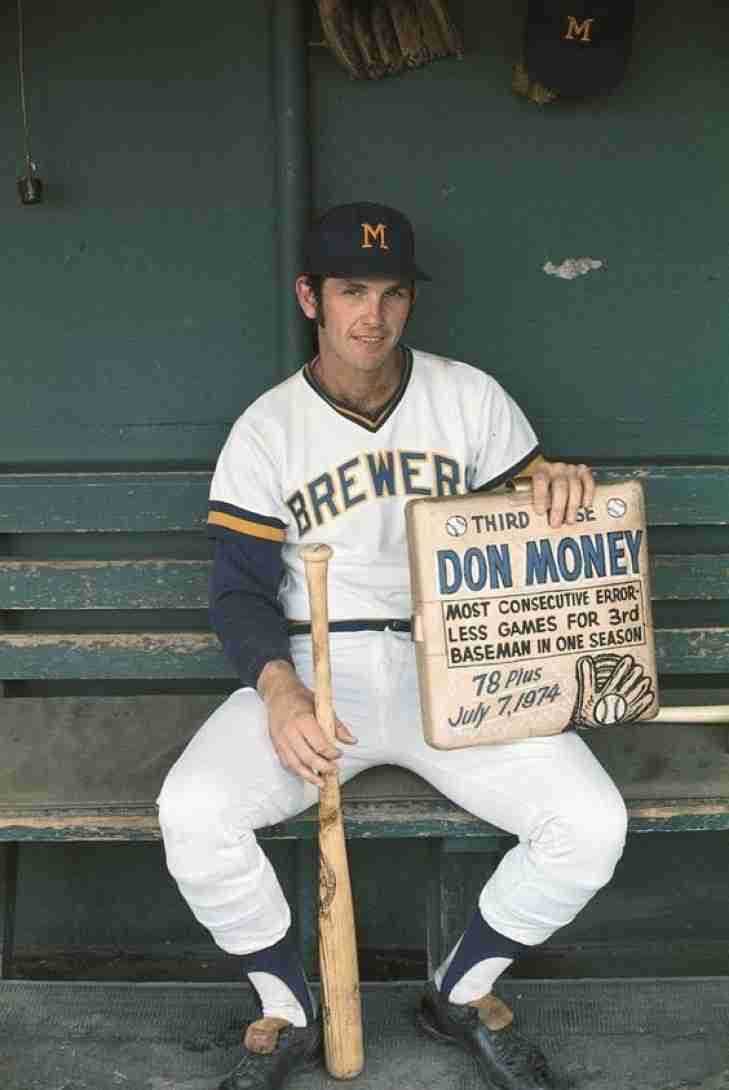
In 1973, Don Money joined the Brewers through a seven-player deal with the Phillies, significantly enhancing their infield stability. Known as "Brooks" for his ability to emulate Brooks Robinson's defensive skills at third base, Money became the franchise’s first real star during its early years. Over eleven seasons with the team, he served as a versatile and strategic player, smoothly transitioning between second, third, and first base, while maintaining a reliable and professional presence at the top of the batting order.
In his first season with the club in 1973, Money topped the American League in fielding percentage at third base, setting a major league record by going 88 consecutive games without an error. Though he was a skilled defender, he also made a significant impact offensively, leading the league in at-bats in 1974 and earning his first of four All-Star honors.
Money hit his offensive peak between 1977 and 1978, producing some of the most outstanding seasons ever by a second baseman for the team. In 1977, he achieved a career-high power year, hitting 25 home runs and driving in 83 RBIs. The next year, in 1978, he batted .293 and became the first Brewer to be voted as a starting player in the All-Star Game.
The final years of his tenure saw him transition into a vital bench piece and designated hitter as the team reached its ultimate summit. He was a member of the 1982 "Harvey's Wallbangers" squad that captured the American League pennant, contributing key hits during the World Series against St. Louis.
Retiring after the 1983 season, Money left Milwaukee with 1,168 hits, 134 home runs, and a .270 batting average.
7. Prince Fielder
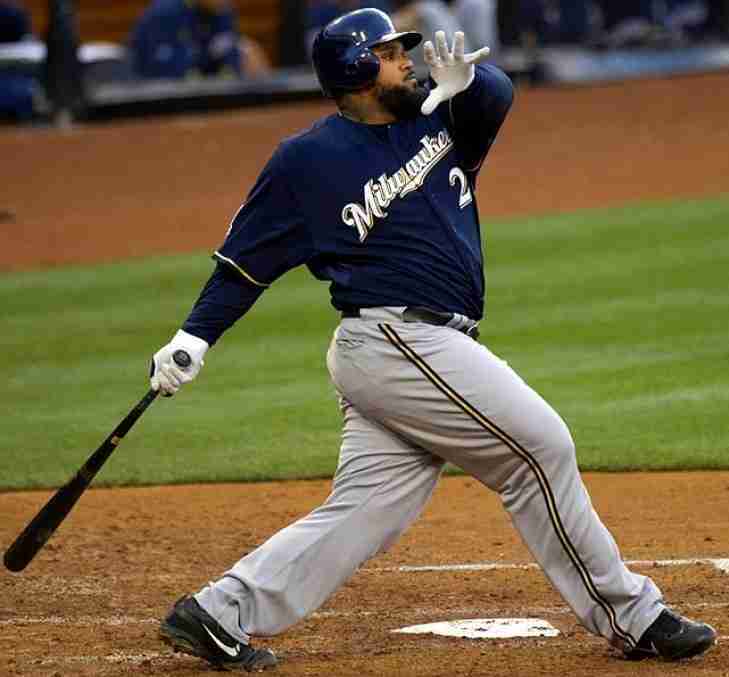
A highly touted first-round pick in 2002, Prince Fielder was a physically imposing left-handed slugger who had spent his childhood taking batting practice in big league stadiums alongside his father, Cecil. Debuting in 2005, he quickly became the centerpiece of a young, explosive core that aimed to bring winning baseball back to the shores of Lake Michigan.
In 2007, his second full season, Fielder blasted 50 home runs, making him the youngest player in baseball history to reach that plateau and surpassing the franchise record previously held by Gorman Thomas. This early stretch served as the formal introduction to a player who paired elite strength with a surprising technical discipline at the plate, earning him his first of three Silver Slugger Awards and a third-place finish in the MVP voting. Basically, like father, like son!
In 2009 and 2011, Fielder established himself as a top power hitter. In 2009, he led the National League with 141 RBIs and was the first Brewer to win the Home Run Derby. In 2011, he hit 38 home runs and drove in 120 runs, securing his spot as a perennial All-Star. His high offensive level included an on-base percentage over .400 in three seasons.
Between 2006 and 2011, he was a fixture in the middle of the diamond, famously playing in 162 games in three seasons. While mainly known for power, he showed versatility with a .299 batting average as a Brewer, proving he's a complete hitter rather than a one-dimensional slugger. His stats include 230 home runs and 656 RBIs, reflecting a high-volume contribution during the team's most successful era.
After helping the Brewers reach the 2011 NLCS, he departed in free agency for the Detroit Tigers. Fielder was inducted into the Brewers Wall of Honor in 2018 and the Walk of Fame in 2022.
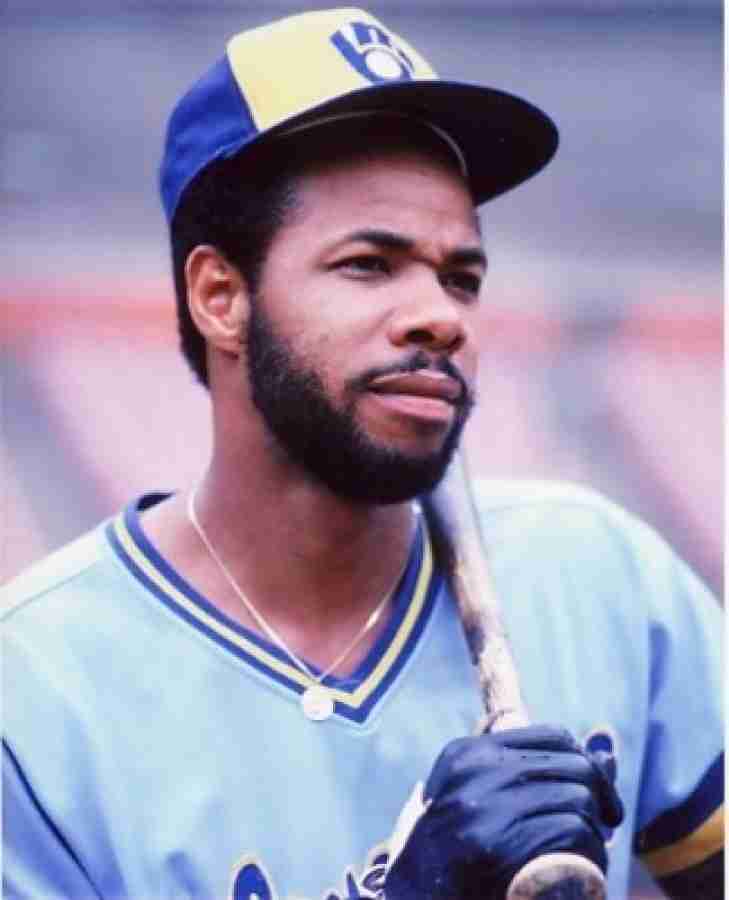
4. Cecil Cooper
6. Teddy Higuera
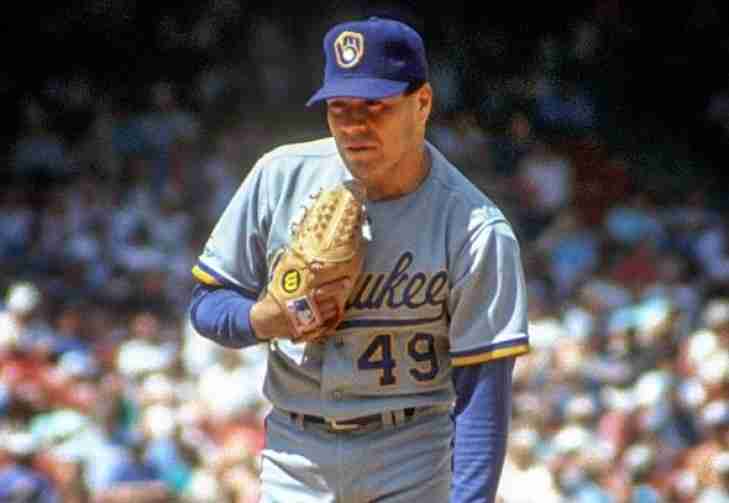
Teddy Higuera arrived in Milwaukee in 1985 as a skilled left-hander from Mexico with a deceptive delivery and high-velocity pitches, quickly overwhelming American League lineups. His major league career was cut short by injuries, but he delivered a brilliant pitching run, one of the franchise's best.
Higuera wasted no time providing quality starts for the Brewers, finishing as the runner-up for the 1985 Rookie of the Year. Higuera demonstrated a high frequency of keeping hitters off-balance, recording 15 wins and a 3.90 ERA. He showed the organization he was a premier talent by following that debut with an even more impressive 1986 campaign, in which he earned an All-Star selection and became the first Mexican pitcher in history to record a 20-win season.
In 1986 and 1987, he was arguably the most efficient pitcher in the American League. In 1986, he led all AL pitchers in bWAR (9.4) and narrowly lost out on the Cy Young Award to Roger Clemens. He remained a professional mainstay in 1987, winning 18 games and recording 240 strikeouts, a figure that set a new franchise record at the time.
His 1988 season marked a peak as he led the American League with a 0.999 WHIP and posted elite numbers, striking out 192 batters with a 3.13 ERA. Despite heavy early workload, injuries from shoulder and back issues limited his availability. He endured multiple surgeries, battling back to the mound but couldn't recapture his initial dominance.
He was forced to retire after the 1994 season. He had a career 94-64 record and 1,061 strikeouts. He proved that true greatness is found in the quality of the peak, a journey that earned him a spot on the Brewers Wall of Honor.
3. Ryan Braun
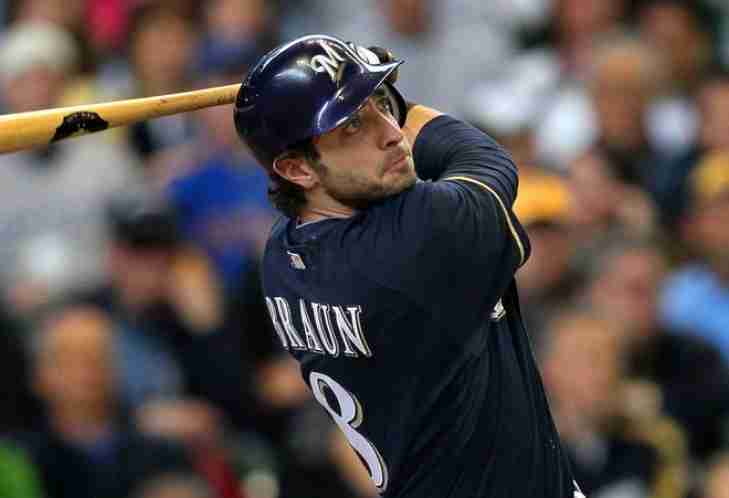
Ryan Braun arrived in Milwaukee in 2007 as a high-caliber prospect with a "five-tool" label that he spent the next fourteen seasons largely validating. While his defensive work at third base and later left field was often characterized as average, his offensive impact was immediate and staggering.
Braun won the 2007 Rookie of the Year Award while setting a rookie record for slugging percentage (.634). He quickly proved to be a professional mainstay, earning the first of five consecutive Silver Slugger Awards and becoming a perennial fixture at the All-Star Game. This early stretch served as the formal introduction to a player who could impact the game with both a specialized batting average and the speed to record 216 stolen bases over his career.
Between 2008 and 2010, Braun remained a professional mainstay, earning three consecutive All-Star selections and three Silver Slugger Awards. He showed the organization he was a premier run producer by averaging over 30 home runs and 100 RBIs during this three-year stretch, notably hitting a dramatic go-ahead home run on the final day of the 2008 season to clinch the Brewers' first playoff berth in 26 years. His ability to hit for both average and power made him a perennial fixture in the top ten of the MVP voting well before he reached his ultimate peak.
Braun reached a ceiling of individual production during the 2011 campaign, in a season that saw him lead the Brewers to a division title. That summer, he showcased high-frequency efficiency in capturing the National League MVP, batting .332 with 33 home runs and 33 stolen bases. He followed that performance with a 2012 season where he led the league in home runs (41) and runs scored (108), recording a second consecutive slugging title.
His career featured a traumatic, localized scandal that permanently altered the perception of his legacy. In 2011, Braun tested positive for PEDs and famously avoided suspension by discrediting the sample collector, Dino Laurenzi Jr., with accusations of bias. However, he was later implicated in the Biogenesis investigation, ultimately admitting to wrongdoing and serving a 65-game suspension in 2013. While this period remains a stain on his career, he showed the organization specialized resilience by returning to a high level of play, earning a sixth All-Star selection in 2015 and remaining the team’s most reliable power source.
He officially retired after the 2020 season, walking away as the all-time franchise leader in home runs (352) and currently ranks second only to Robin Yount in several major offensive categories, including RBIs (1,154) and extra-base hits. He remained a professional mainstay until his final at-bat in 2020, recording 1,963 hits and a career .296 batting average. While the controversies of his peak may hinder his path to Cooperstown, his induction into the Brewers Walk of Fame in 2024 served as the final punctuation to his career.
2. Paul Molitor
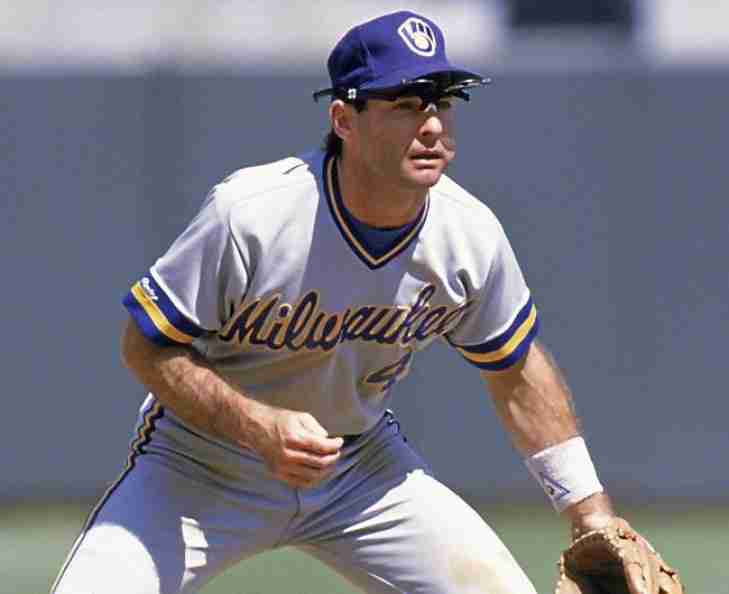
Paul Molitor arrived in Milwaukee in 1978, a first-round pick who skipped the minor leagues almost entirely to become the catalytic "Ignitor" of the Brew Crew. While he shared the clubhouse with larger-than-life power hitters, he provided a brand of scientific, high-frequency hitting that made him one of the most complete offensive forces in baseball history.
In 1979, his first full season, Molitor demonstrated a high rate of finding gaps, batting .322, and recording 188 hits. He quickly proved to be a professional mainstay who could impact the game with his legs as much as his bat, reaching the 30-stolen base mark in his debut campaign, a feat he would repeat seven more times while wearing the Milwaukee pinstripes. This early stretch established him as the league's premier table-setter, providing a high-quality floor for a lineup that would soon become the most feared in the Junior Circuit.
During the 1982 "Harvey’s Wallbangers" era, Molitor led the American League in runs scored (136). He showcased a historic mastery on the game's biggest stage, setting a World Series record with five hits in Game 1 against the Cardinals and finishing the Fall Classic with a .355 average. While injuries frequently tested his durability in the mid-80s, he returned to reach a historic peak of efficiency in 1987. That summer, he authored a 39-game hitting streak, the longest in the American League since Joe DiMaggio, while batting a career-high .353 and capturing the first of his four Silver Slugger Awards.
His tenure featured a remarkable accumulation of stats that placed him at the very top of the organization's leaderboards. Between 1978 and 1992, he was a steady source of run production, leading the league in runs three times and hits once. He left behind a statistical footprint in Milwaukee that remains the definitive benchmark for speed and contact, departing as the all-time franchise leader in stolen bases (412) and triples (86). The tactical value of his bat was such that he recorded 2,281 hits and a .303 batting average as a Brewer.
It was a bittersweet departure following the 1992 season, an exit driven by a stark disconnect between the player’s loyalty and the front office’s financial strategy. Despite Molitor's stated desire to remain a "Lifer" in Milwaukee, the cost-conscious Brewers offered him a one-year deal that included a significant pay cut. This opened the door for the defending-champion Toronto Blue Jays, who offered a three-year, $13 million contract that the Brewers were unwilling to match.
The longevity of his excellence left a mark, finalized in 1999 when the organization retired his number 4. He earned a first-ballot induction into the Baseball Hall of Fame in 2004.
