

165. Schoolboy Rowe
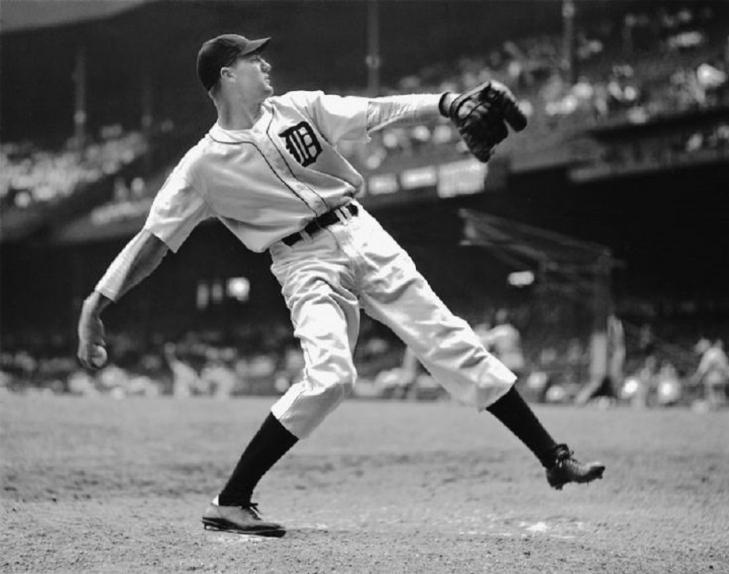
Lynwood Thomas "Schoolboy" Rowe was a Texas boy through and through, and when he joined the Detroit Tigers in 1933, the Michigan fans loved the superstitious Pitcher.
Rowe had his best year early, as in his second season, he posted a 24-8 record and led the American League in SO/BB (1.84). Rowe was fourth in MVP voting, and he helped the Tigers win the American League Pennant, though they lost to the Cardinals. The year after, Rowe was an All-Star, won the SO/BB Title again, and, more importantly, he helped Detroit win the World Series.
The remainder of Rowe’s career was marked by ups and downs; he was hurt for most of 1937 and 1938 and rebounded with a 16-3 record in 1940. His '42 year was split between Detroit and Brooklyn, and he joined the Phillies in 1943, where he won 14 Games before going into the military for World War II.
He came back and was an All-Star again in 1947, before retiring in 1949 with a 158-101 record.
29. Schoolboy Rowe
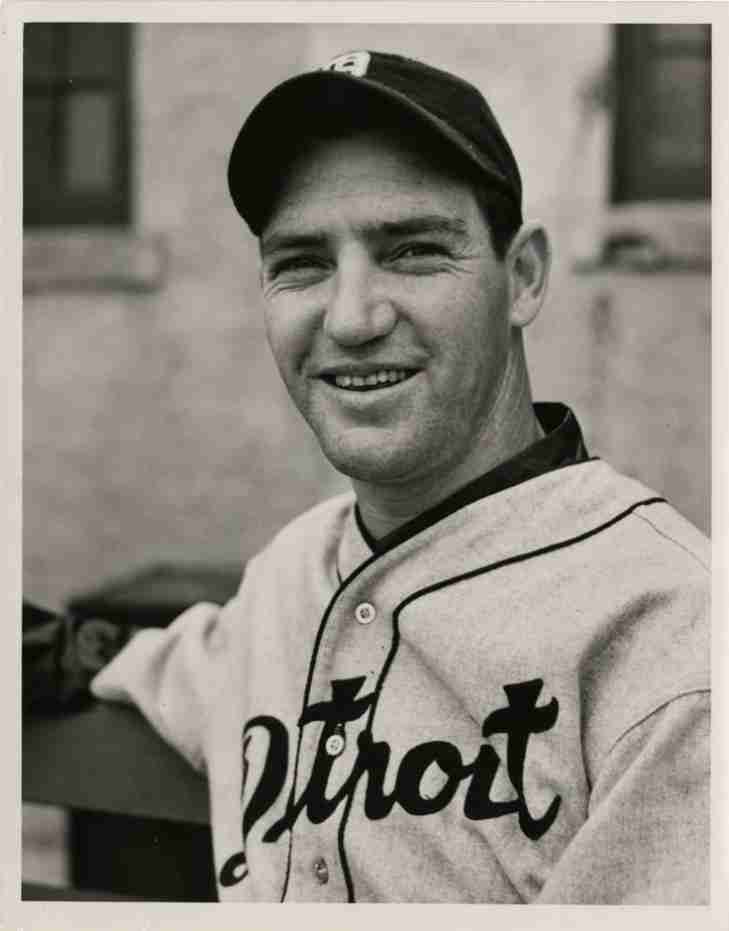
Lynwood "Schoolboy" Rowe arrived in Detroit as a towering right-hander with a high-velocity fastball and a persona that captivated the Motor City. Standing 6'4" and possessing a specialized blend of southern charm and competitive fire, he became a national sensation during the heart of the Great Depression.
Rowe’s emergence in Detroit reached a definitive breakout during the historic 1934 campaign. After showing promise as a rookie, he secured his place as a frontline starter by winning 16 consecutive games, an American League record at the time. This performance signaled a transition from a young prospect to a premier outlier who specialized in dominating the strike zone. He showed the organization that he was a foundational piece of the staff, finishing fourth in the MVP voting and leading the Tigers to their first pennant in a quarter-century. He possessed a focused intensity that allowed him to thrive under pressure, famously asking his fiancée over the radio, "How’m I doin', Edna?"—a line that became a catchphrase for a generation of fans.
The core of his time in Detroit was defined by elite efficiency and a reputation for big-game production. In 1935, he reached a career peak for all-around value, winning 19 games and leading the American League in strikeouts-to-walks ratio for the second consecutive season. He provided the dependable, day-to-day production that helped the Tigers secure their first-ever World Series title that fall. He was a statistical force during this stretch, earning two All-Star selections and routinely surpassing 200 innings pitched. Despite a heavy physical toll on his arm that led to a mid-career plateau, he remained a model of resilience, eventually recording 105 wins and over 600 strikeouts in a Detroit uniform.
During the 1942 season. The Tigers eventually sold their veteran ace to the Brooklyn Dodgers.
