

144. Mel Harder
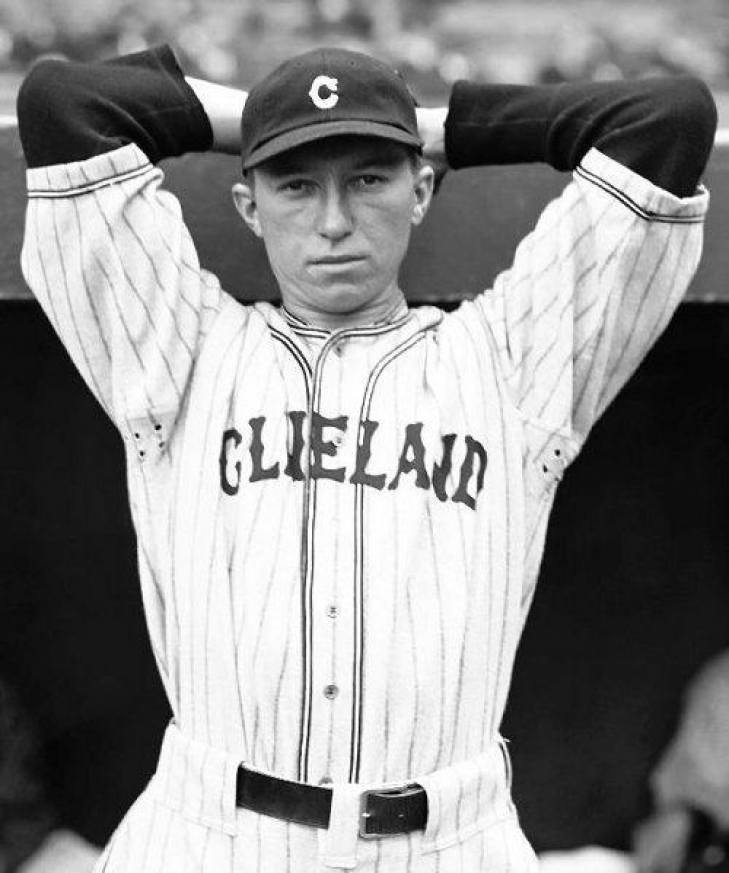
A Cleveland Indian for his entire career, Mel Harder debuted for the Tribe in 1928, where he was used in relief in his first two seasons when he was on their main roster and not in the minors.
The Nebraskan would be part of the Indians' rotation for a decade, and the control pitcher would win the ERA Title in 1933 and was first in BB/9 in 1935. The four-time All-Star finished in the top ten in BB/9 eight times, WHIP six times, and ERA six times. Seven times he was in the top ten in SO/BB, which was very impressive, considering he had only one 100 Strikeout season. From 1932 to 1939, he never had fewer than 15 Wins in a year.
While Harder’s skills began to erode in the 1940s, he lasted until 1947. Although the Indians never made the playoffs while he was there, Harder is one of the best hurlers in franchise history. He retired with 223 Wins against 186 Losses.
12. Mel Harder
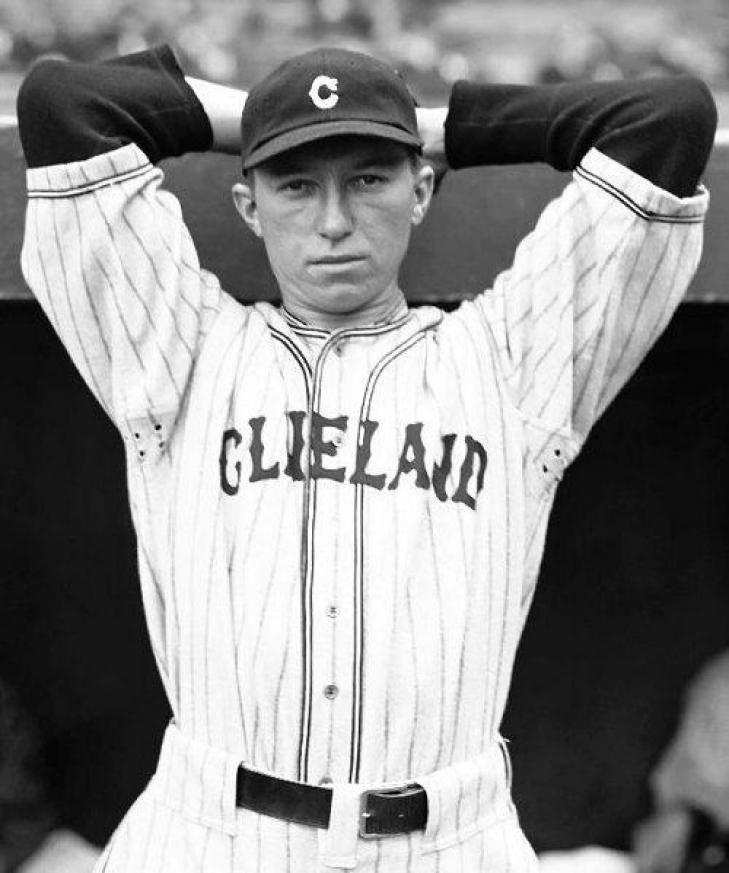
Harder’s journey in Cleveland began in 1928, and after a brief maturation period in the bullpen, he emerged as the definitive lifer of the rotation. He was the ultimate tactical technician, relying on a sharp curveball and a sinker that lived on the edges of the plate. He arrived as a young prospect from Nebraska and quickly evolved into a statistical titan, winning the American League ERA title in 1933. He was a four-time All-Star who provided a level of stability that few in the league could match, rattling off eight consecutive seasons with at least 15 victories during the heart of the 1930s.
The true genius of his game was found in his refusal to give away free passes. Harder was an efficiency machine, leading the league in fewest walks per nine innings in 1935 and finishing in the top ten in that category eight times over his career. Perhaps most impressively, he was a perennial leader in strikeout-to-walk ratio, a feat he achieved through pure location and sequencing rather than raw power, as he only eclipsed the 100-strikeout mark once. He was a master of run suppression who finished in the top ten in WHIP and ERA six times each, proving that in the "Live-ball" era, command was the ultimate equalizer.
Reliability and longevity were the hallmarks of his identity. Harder held a spot on the Cleveland roster for 20 consecutive seasons, a record of service that underscored his importance to the franchise. Even as his physical tools began to erode in the 1940s, his veteran savvy allowed him to remain a productive contributor until his retirement in 1947. He concluded his long journey with 223 wins, a total that remains near the absolute top of the franchise leaderboard. Whether he was navigating the power-heavy lineups of the 30s or helping a young Bob Feller find his footing, he was the steady pulse of the clubhouse.
The chapter of his playing days may have closed without a postseason appearance, but his impact on Cleveland baseball was impossible to ignore. He transitioned seamlessly into a legendary coaching career with the club, but his work on the mound had already secured his immortality. He left the game as a statistical pillar and a symbol of professional excellence.
In recognition of his twenty years of elite service, the organization named Harder to the inaugural class of the Cleveland Indians Hall of Fame in 1951.
