

191. Lon Warneke
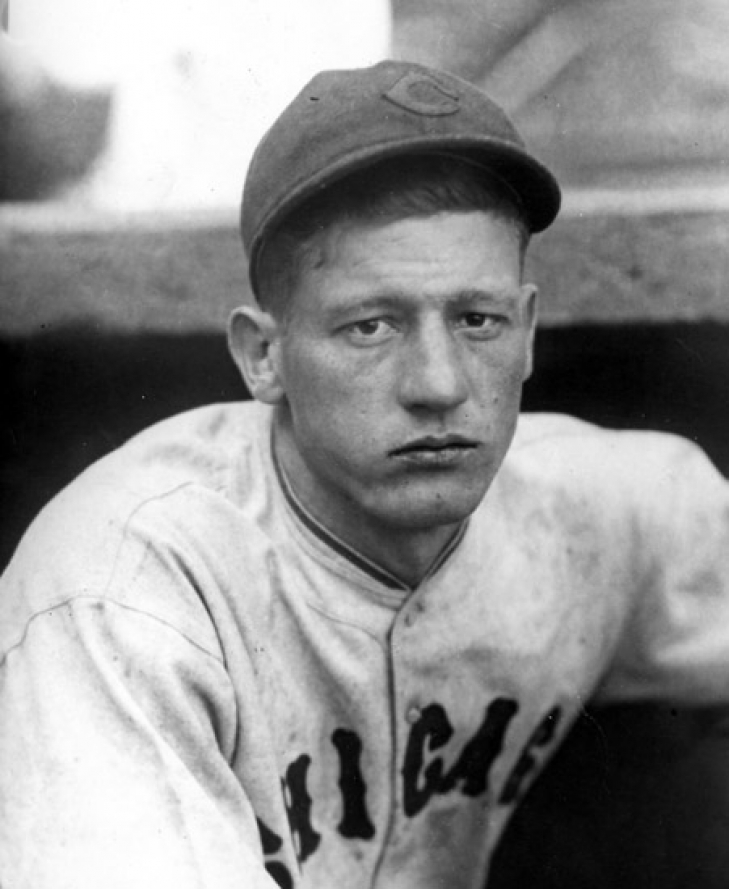
Lon Warneke played his entire career in the National League, splitting his run with rivals Chicago and St. Louis.
Warneke had one game in 1930 and 20 in 1931 for the Cubs, and while some scouts viewed him as a future star, they were likely surprised by what he accomplished in 1932. That year, “The Arkansas Hummingbird” led the NL in Wins (22), ERA (2.37), and he was second in MVP voting. He helped the Cubs win the Pennant, though they would lose the World Series to the New York Yankees.
Warneke proved he was not a one-year wonder: he went to three All-Star Games with Chicago and had three more top-20 MVP finishes, along with two more 20-win seasons. The Cubs angered their fans when they traded him to their sworn enemy, St. Louis, after the 1936 season.
Warneke played for the Redbirds for five and a half years, earning another two All-Star nods, and he always posted a winning record. That half-year was 1942, when he was dealt back to the Cubs, playing for them (save for a year in the military) until 1945. He left the game with a record of 192-121
30. Lon Warneke
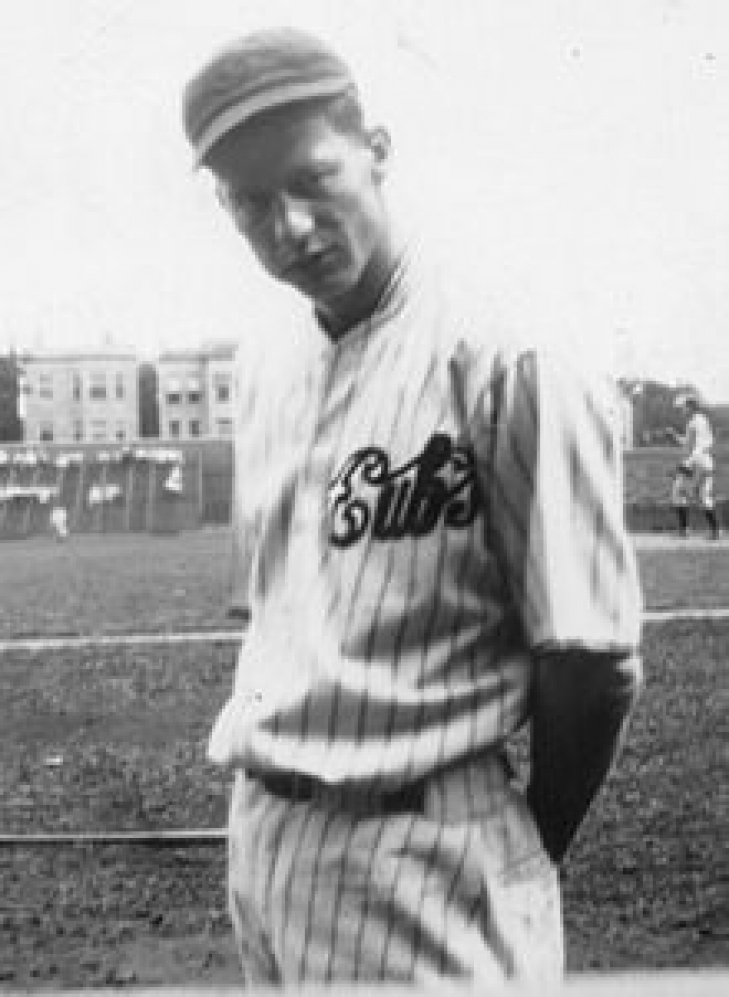
Chicago's rotation found its unlikely anchor in 1932 thanks to a keen observation from manager Rogers Hornsby. Noticing that Lon Warneke was staring at his own feet during his delivery rather than the hitter, Hornsby demanded a correction that transformed an ineffective "also-ran" into a league-wide phenomenon. The results were instantaneous and historic; in that breakout 1932 campaign, Warneke led the National League with 22 wins, a 2.37 ERA, and a 6.9 bWAR. He arrived as a struggling prospect and finished the season as the MVP runner-up, serving as the primary engine for a Cubs team that captured the National League pennant.
A period of sustained excellence followed that initial surge, as Warneke proved 1932 was no fluke. He rattled off three All-Star selections in four years and notched two more 20-win seasons, establishing himself as a model of durability in an era defined by high-scoring offenses. He had a rare combination of control and stamina, consistently placing him among the league leaders in innings pitched and complete games. He wasn't just a volume producer; he was a strategic master who used his newfound focus to navigate the most dangerous lineups of the decade.
The fans at Wrigley Field developed a deep connection with the humble right-hander, which made the news of his trade to the St. Louis Cardinals after the 1936 season particularly jarring. The move sparked significant backlash from the Chicago faithful, who had come to view Warneke as the face of the pitching staff. While he spent five productive seasons in Missouri, the allure of the North Side remained, and the organization eventually corrected its course by purchasing his contract back during the 1942 campaign.
Returning to the club to finish his career, Warneke provided a veteran presence that bridged the gap between two eras of Cubs baseball. He concluded his time in Chicago with 109 wins, a total that reflects both his early-career peak and his late-career resilience.
