

154. Hippo Vaughn
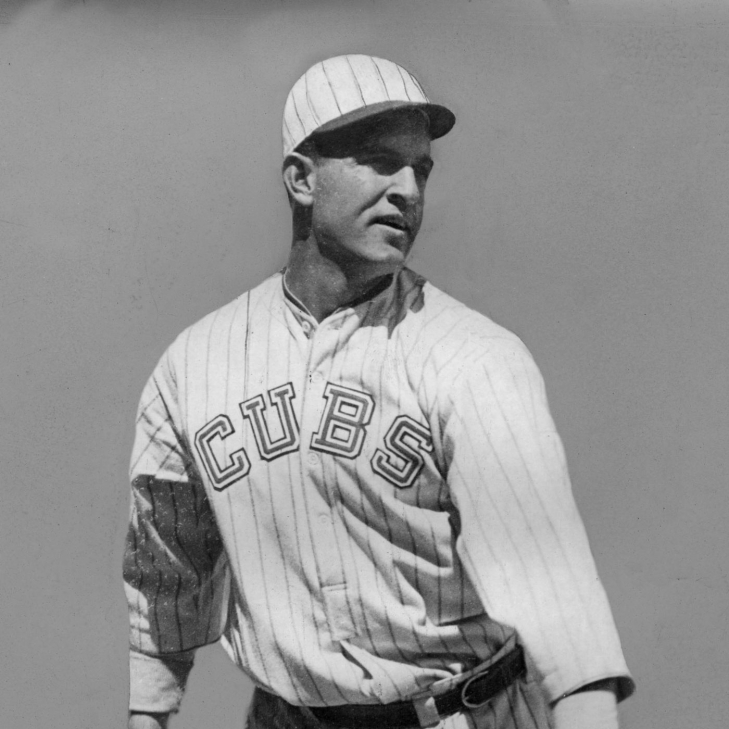
James Leslie “Hippo” Vaughn appeared in two games for the New York Highlanders (later to be the Yankees) in 1908, and after a full year in the minors, he had a promising 1910 campaign with a 13-11 record and an ERA of 1.83. It wasn’t quite the springboard to greatness, as he struggled over the next three seasons, going back and forth from the minors, and bouncing to the Washington Senators and then the Chicago Cubs. In the Windy City, he would live up to that potential that New York fans saw in 1910.
From 1914 to 1920, Vaughn was one of the best left-handers in the National League, and there were times when he certainly was. In that seven-year run, Vaughn was a 20 Game winner five times, was always in the top five in Strikeouts, and was in the top five in bWAR for Pitchers in five seasons. Had there been a Pitcher of the Year, Vaughn would have captured it in 1918, as that season he won the ERA Title (1.74), Wins (22), WHIP (1.006), SO/BB (1.947), ERA+ (159), and FIP (2.25).
Vaughn’s skills eroded significantly in 1921, and he was out of the Majors the year after. He retired with a healthy record of 178-137.
12. Hippo Vaughn
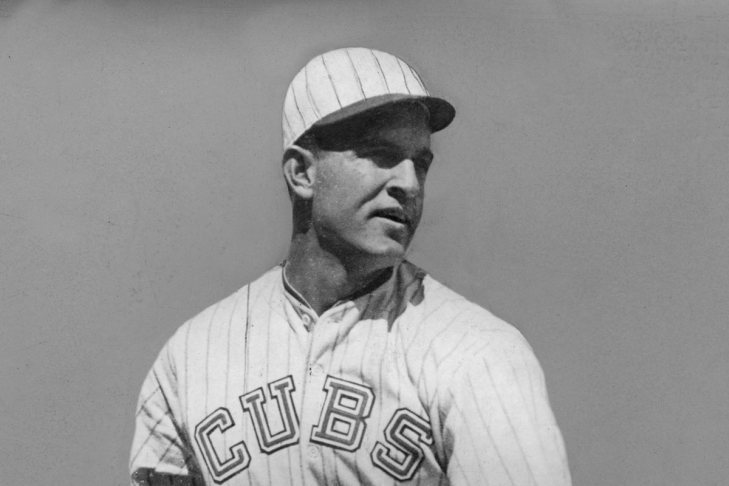
Before he arrived in Chicago in 1913, James “Hippo” Vaughn was the definition of a baseball nomad. He had bounced through the minors and struggled to stick with the Yankees or Senators, looking like a massive talent that simply couldn't find its rhythm. But when he stepped onto the mound at West Side Park, something clicked. The journeyman vanished, and in his place stood the most formidable left-hander in the senior circuit. By 1914, he was a 21-win powerhouse, beginning a run where his sheer bulk and deceptive speed became the nightmare of every hitter from New York to St. Louis.
The climax of Hippo’s Chicago story arrived in 1918, a season where he didn't just lead the league, he suffocated it. In a display of mound mastery that remains a benchmark for Cubs hurlers, Vaughn captured the Triple Crown of pitching, leading the National League in Wins (18), ERA (1.74), and Strikeouts (148). He was the undisputed engine of a Cubs team that marched to the pennant, and while the World Series against Boston ended in heartbreak, Vaughn was blameless. He turned in a heroic 1.00 ERA over three starts in that Fall Classic, proving that when the stakes were highest, the big man was immovable.
However, the run with the team ended abruptly. After two more seasons of elite production in 1919 and 1920, the wheels came off in 1921. Following a string of poor performances and a reported clash with management, Vaughn was unceremoniously released. But his story didn't end with a quiet retirement; driven by a pure, unyielding love for the game, he spent the next 15 years pitching in the minor leagues, a legendary figure of the bushes who simply refused to put the ball down.
Vaughn left Chicago with a legacy built on five 20-win seasons and a 1918 campaign that stands as one of the greatest single-season pitching performances in franchise history. When the Cubs finally looked back at their roots to inaugurate their Hall of Fame in 2021, the big left-hander was an automatic choice for the first class. He arrived as a wandering journeyman and left as a Triple Crown immortal, the man who carried a dynasty on his broad shoulders.
