

212. George Mullin
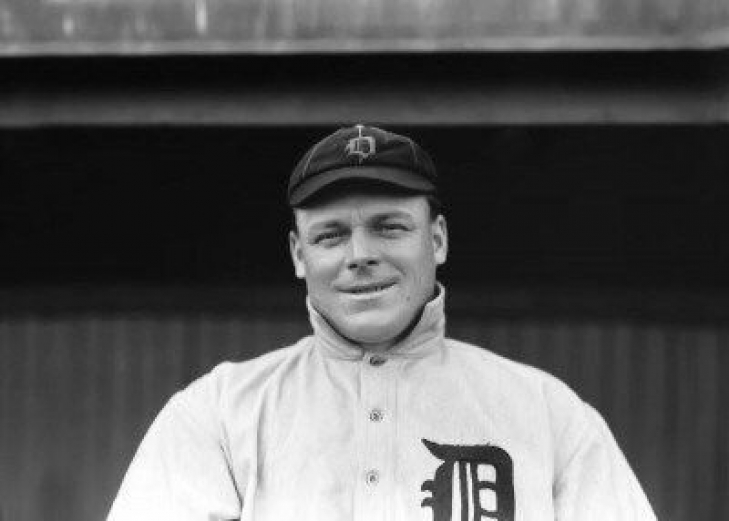
George Mullin spent the first 11 years and change of his career with the Detroit Tigers, and while he is not one of the most well-known hurlers in Major League history, he was a major cog in the machine that was the Detroit Tigers in the late 1900s.
From 1905 to 1910, Mullin went five for six in terms of 20-Win seasons, leading the American League in Wins in 1909 with 29. The Tigers won the American League three years in a row (1907-09), and while he and Detroit could not win the Fall Classic, Mullin had a 1.86 ERA in his seven Playoff Games.
Mullin finished his pro career with two years in the Federal League. Overall, the right-hander had a career record of 228-196 with 1,482 Strikeouts.
20. George Mullin
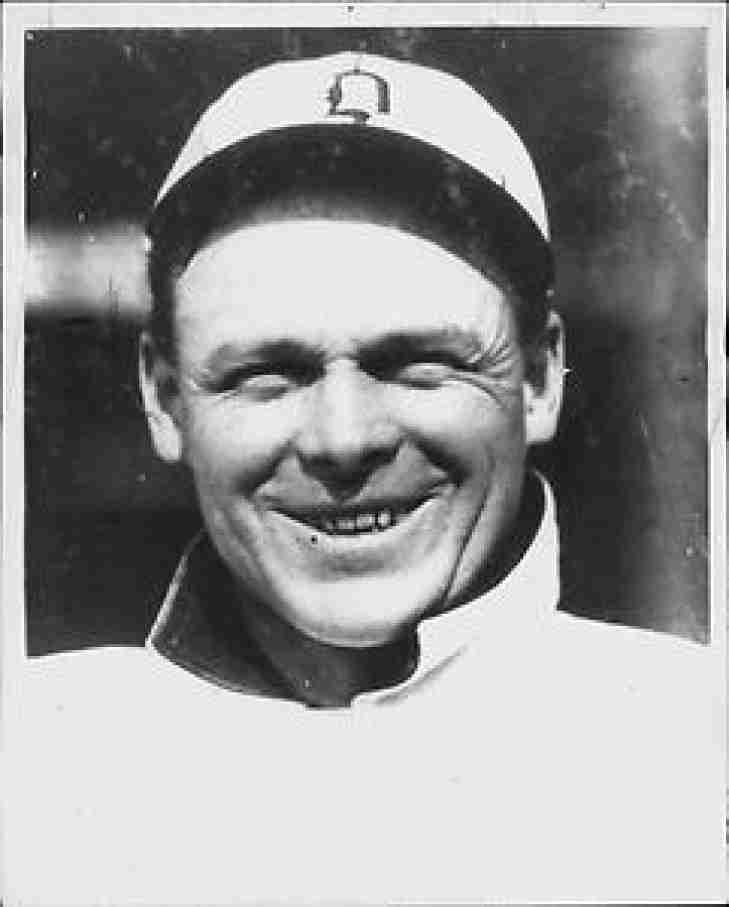
George Mullin was the immovable object at the center of the first great Detroit Tigers dynasty. A thick-set right-hander with a legendary appetite and an even greater capacity for work, Mullin was the engine that allowed Ty Cobb and Sam Crawford to chase pennants. While he was often a statistical outlier for his lack of control, frequently leading the league in walks, he compensated with a specialized durability that has never been matched in franchise history.
Mullin’s ascent in Detroit began in 1902, and he immediately showed his ability as a workhorse. In just his third season, he reached a staggering level of volume, pitching 403.1 innings, a single-season Tigers record that will likely never be challenged. He was a model of specialized resilience, frequently exceeding 20 wins and 300 innings as he anchored the rotation through the turn of the century. He wasn't a tactical artist; he was a power-pitching workhorse who dared hitters to beat him, a style that saw him lead the American League in walks four times but also kept him at the top of the leaderboards for complete games.
Everything culminated in a three-year run of American League dominance from 1907 to 1909. During this window, Mullin reached a definitive professional zenith, serving as the primary starter for three consecutive pennant-winning squads. In 1909, he led the league with 29 wins and a .784 winning percentage, providing the steady-state reliability required to fend off the rest of the AL. While the Tigers famously failed to secure a World Series title during this era, Mullin reached a professional high point in October; over six starts in the Fall Classic, he maintained a microscopic 1.86 ERA and a 3-3 record, proving his focused intensity could survive the highest stakes.
The final chapters of his Detroit residency showcased a rare, multi-dimensional athleticism. Mullin wasn't just a specialized arm; he was one of the most dangerous hitting pitchers in the game’s history. He finished his Tigers tenure with 372 hits and a .261 batting average, often being called upon to pinch-hit in high-leverage moments. He possessed a specialized power at the plate that complemented his 209 career wins, and he eventually left the organization in 1913 as the franchise leader in both wins and innings pitched.
