

16. Gene Tenace
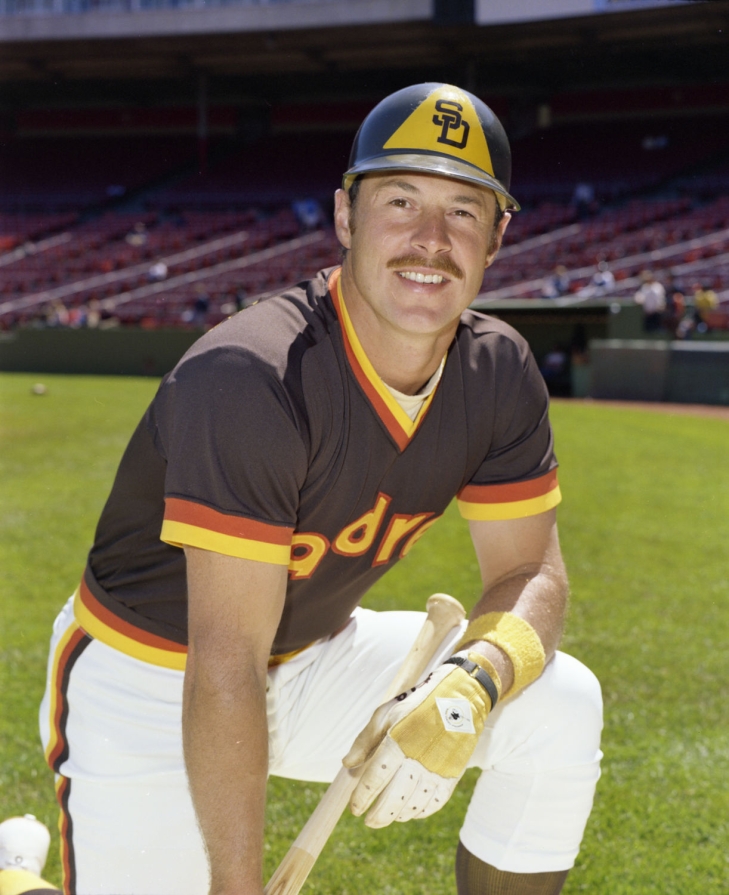
Looking back at the early innovators of modern baseball metrics, a tough, right-handed catcher from Pennsylvania emerges as a key pioneer in on-base efficiency. Gene Tenace had already established a postseason legacy as a crucial contributor to the Oakland Athletics' three consecutive championships from 1972 to 1974. However, as free agency disrupted that historic Oakland team, Tenace decided to remain in California, signing a lucrative deal to join the San Diego Padres before the 1977 season.
To be fair, Tenace was never a feared, high-average contact hitter in the traditional sense. He maintained a modest .240 batting average over his career with the Padres and didn't compile huge hit totals. Instead, he excelled at turning the basic act of drawing a walk into a showcase of spatial awareness and strike-zone discipline.
In his 1977 debut season, Tenace showcased exceptional patience, bewildering National League pitchers and drawing a league-high 125 walks. This impressive number of free passes contributed to a remarkable .415 on-base percentage, which is especially striking given that he hit only .233 that summer.
This hardware-certified authority deeply committed to discipline was no temporary success; it became his daily habit. Tenace consistently exceeded 100 walks each summer during his first three seasons in San Diego, with 101 in 1978 and 105 in 1979. Over his four seasons with the Friars, he maintained an on-base percentage never below .392, even though he only surpassed a .250 batting average once. Defensively, his value to the pitching staff was absolutely incalculable; splitting time between catcher and first base, his preparation and high-intensity game-calling settled a young rotation and provided a steady hand for the entire defense.
Dealt to the Cardinals after the 1980 Season, Tenace had a .403 OBP with San Diego, a number higher than what he did in Oakland (.374). Amazingly, he had more Walks (423) than Hits (384) as a Padre, but as Moneyball tells you, “he gets on base."
187. Gene Tenace
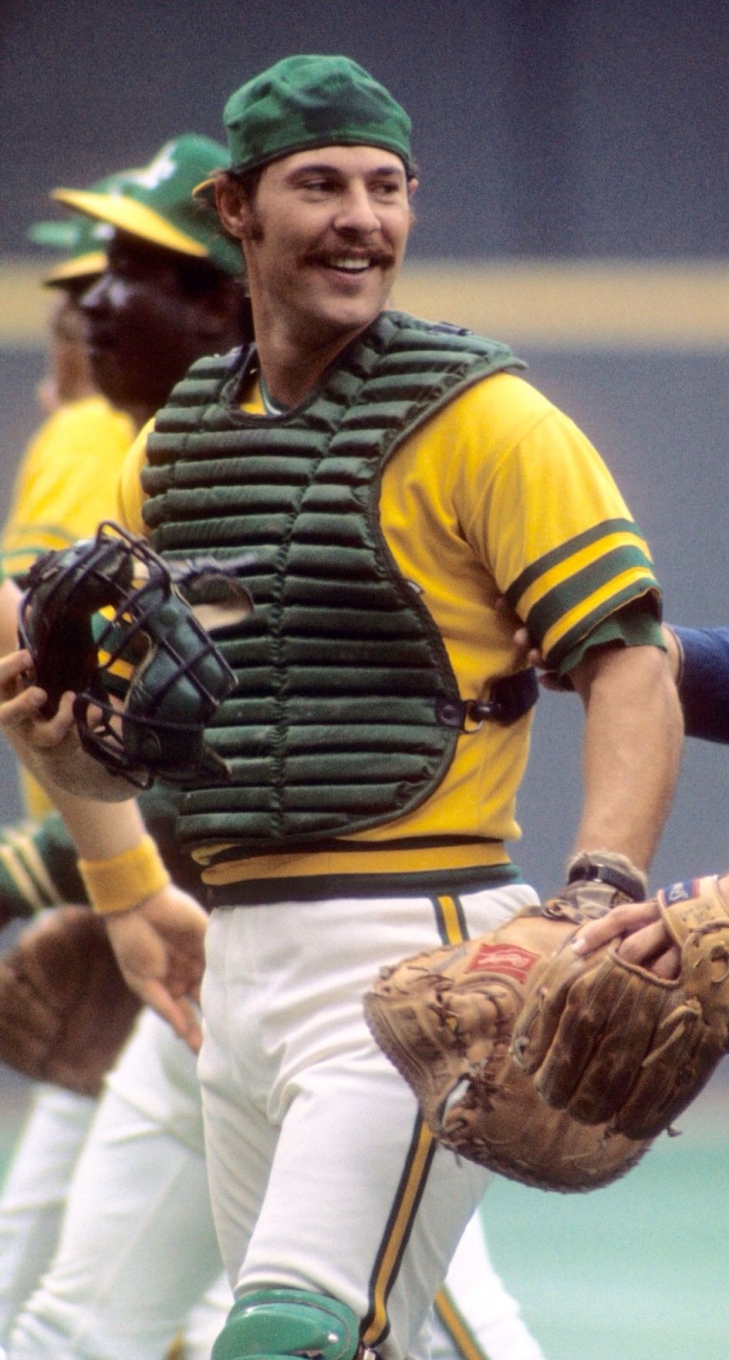
Prior to winning the World Series MVP in 1972, you could argue that Gene Tenace was one of its most unlikely recipients. The Catcher made his first appearance in the Majors in 1969 for Oakland, but he was mostly a backup. Late in the ’72 season, Tenace was promoted to a starter, and he belted four Home Runs in World Series.
42. Gene Tenace
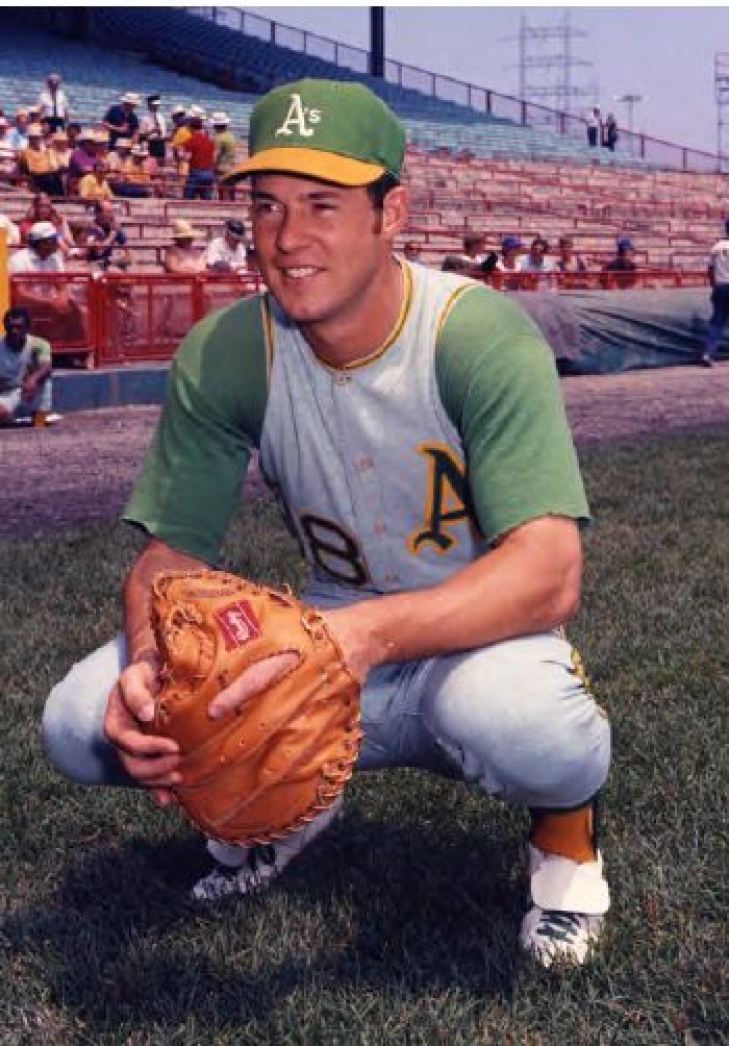
During his early years with the Oakland Athletics, Gene Tenace's distinctive offensive skills were largely neglected by conventional baseball evaluations. Selected in the second round of the 1965 draft, the resilient catcher made his debut in 1969 but initially spent several seasons in a part-time capacity, listed low on the depth chart. To contemporary observers, his modest batting averages indicated limited potential. However, Tenace possessed an exceptionally advanced and innovative approach to hitting—one that would eventually achieve national recognition on the sport's most prominent platform.
His permanent entry into baseball folklore occurred during the 1972 postseason. When manager Dick Williams included him in the starting lineup for the Fall Classic against the formidable Cincinnati Reds, Tenace delivered an exceptional display of high-pressure hitting. He single-handedly propelled the Oakland offense, becoming the first player in Major League Baseball history to hit home runs in each of his first two career World Series at-bats. He concluded that historic seven-game series with an impressive .348 batting average, four home runs, and nine RBIs, thereby earning the 1972 World Series Most Valuable Player award and securing the franchise's inaugural global championship on the West Coast.
That unforgettable October performance permanently changed his position within the organization, securing his role as the undisputed everyday backstop for the duration of the "Mustache Gang" era. Over the subsequent four individual seasons, Tenace contributed significantly to the lineup, achieving at least 22 home runs in each of these seasons.
Nevertheless, his true offensive brilliance was exemplified by his renowned, meticulous approach to the strike zone. Although conventional box scores frequently criticized his modest .240 batting average while playing for Oakland, Tenace regarded a walk as if it were a extra-base hit. Between 1973 and 1975, he demonstrated exceptional plate discipline, drawing at least 100 walks in three successive summers—including a league-leading 110 walks during the 1974 season. This unwavering capacity to generate offensive opportunities culminated in an impressive .374 on-base percentage, serving as a crucial catalyst for the consecutive World Series victories in 1973 and 1974.
His exceptional capacity to influence the game without dependence on conventional base hits earned him well-earned national recognition in 1975, when he achieved his inaugural career All-Star selection. He continued to serve as a notably resilient, low-variance asset for the small-market franchise, expertly transitioning between catcher and first base to maintain his potent batting presence in the daily lineup.
Nevertheless, the swift advent of the free-agent era ultimately necessitated an unavoidable separation. After the 1976 season, with the historic championship core disintegrating due to financial pressures, Tenace exercised his right to explore the open market, departing from the East Bay to secure a lucrative agreement with the San Diego Padres.
With the Athletics, Tenace accumulated 603 hits, 121 home runs, and a mountain of 548 walks.
