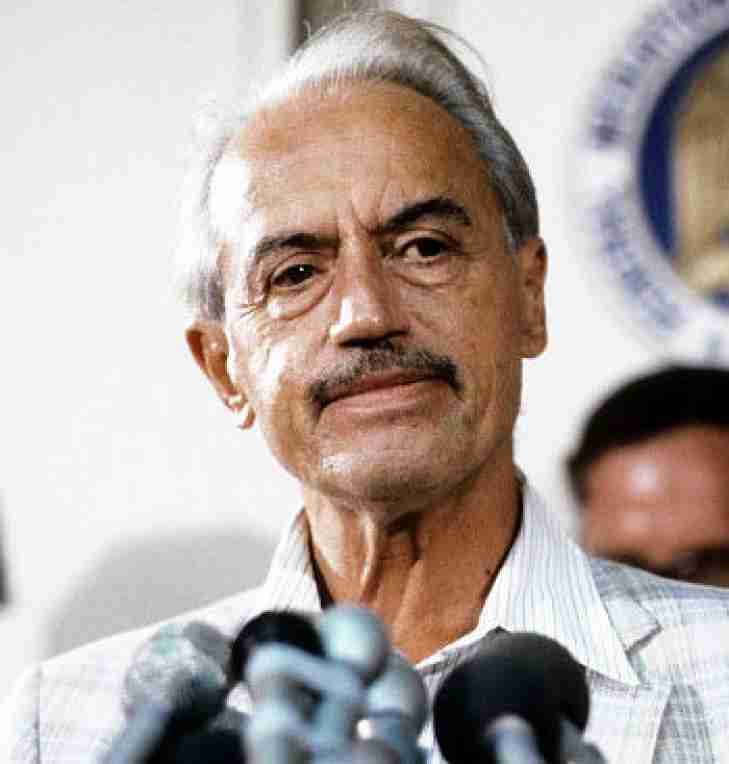

108. Curt Flood
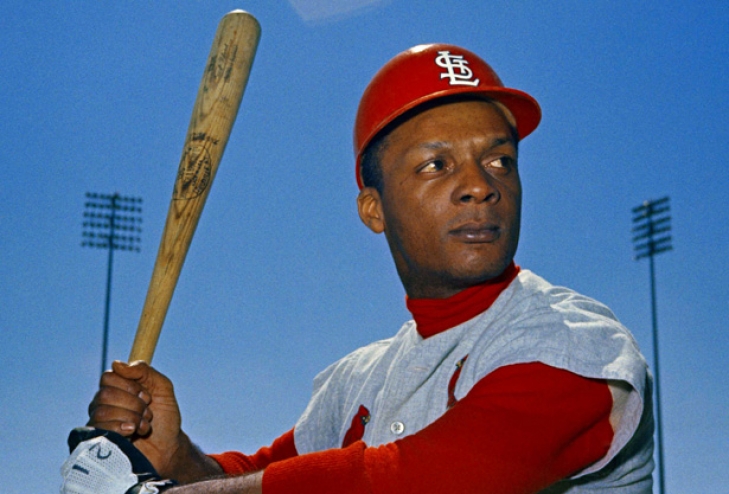
In terms of actual importance in Baseball, Curt Flood is in the top ten, if not the top five, in the game.
When Flood challenged the reserve clause in Baseball, objecting to a trade to the Philadelphia Phillies. It led to a lawsuit, and Flood sat out for an extended period, ultimately ending his career. It also led to Free Agency, and every time a baseball player signs a big contract, they should get down on their knees and thank the baseball gods for Curt Flood, who never financially benefited from what he stood for.
As a player, Flood was a star with an excellent St. Louis Cardinals team in the 1960s that won the 1964 and 1967 World Series championships. Flood was an outstanding defensive Outfielder who won seven Gold Gloves. Offensively, Flood batted over .300 six times and led the National League in Hits in 1964. The three-time All-Star was also first in Singles three times.
The trade mentioned above to Philadelphia happened in 1970 when he was 32. He played only a few more games with the Washington Senators in 1971, but his career was over. Flood left with 1,861 Hits, and one of the most important legacies in Baseball.
The Buck Stops Here -- African Americans Who Belong in Sports Halls of Fame
The Buck Stops Here -- Hall of Fame News -- Season 1 Episode 8

Members of Congress pushing for Curt Flood to be a HOFer
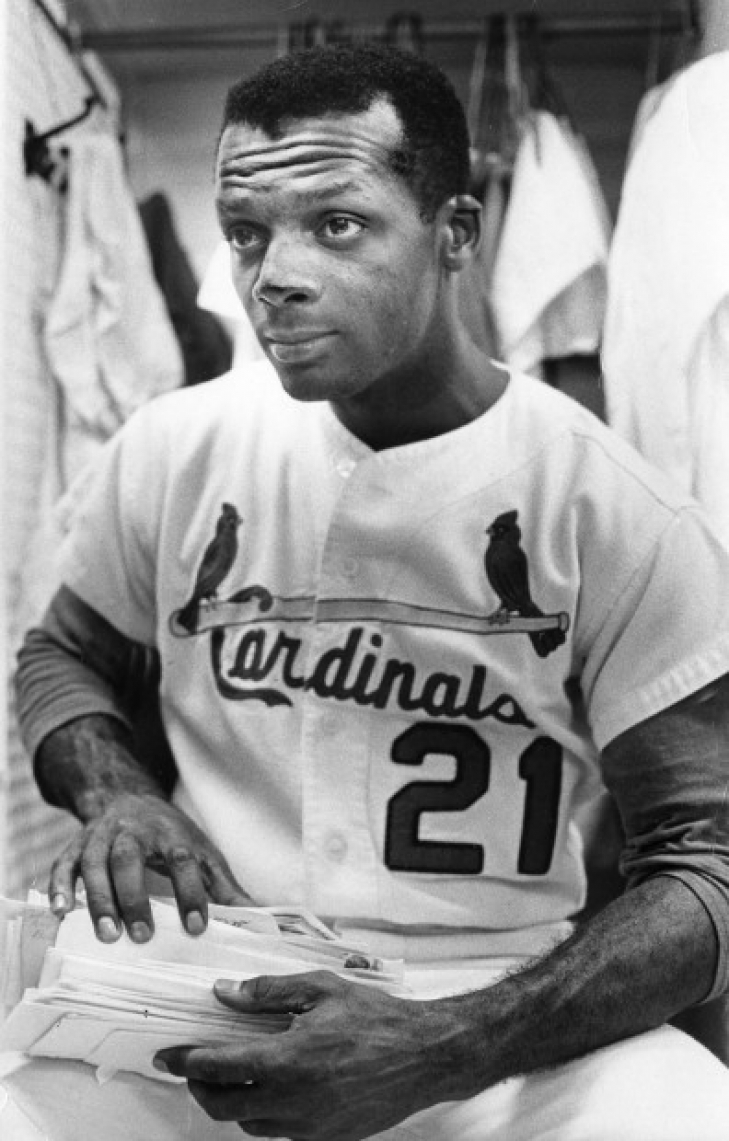
While politics and sports don’t often mix, it does occur, especially when the topic of Halls of Fame come up.
102 members of the U.S. Congress have sent a letter to the Baseball Hall of Fame, extolling the candidacy of Curt Flood, who could be nominated by the Veteran’s “Golden Days” Committee this December.
As a player, Flood was a three-time All-Star, seven-time Gold Glove recipient, and he would help the St. Louis Cardinals win two World Series Championships. What made Flood more recognized is that in 1969 he challenged the reserve clause in Major League Baseball.
Flood had asked the Cardinals for a pay raise, which was denied. At that time, players were completely under the control of their respective team, and Flood was traded to the Philadelphia Phillies. Flood refused to report.
With the backing of the Player’s Union, the case went to the Supreme Court, which Flood would lose 5-3. Although Flood retired, the cause continued, and it was the catalyst that resulted in Free Agency becoming a part of the Majors in December of 1975.
Flood’s areer was short because of his principles, although it was not like he did not receive prior consideration for the Hall of Fame. He was on the ballot for fifteen years, and peaked at 15.1% in 1996, his final year on the ballot.
What this means for Flood’s Cooperstown chances are anyone’s guess, but as always, we will be paying attention!
16. Curt Flood
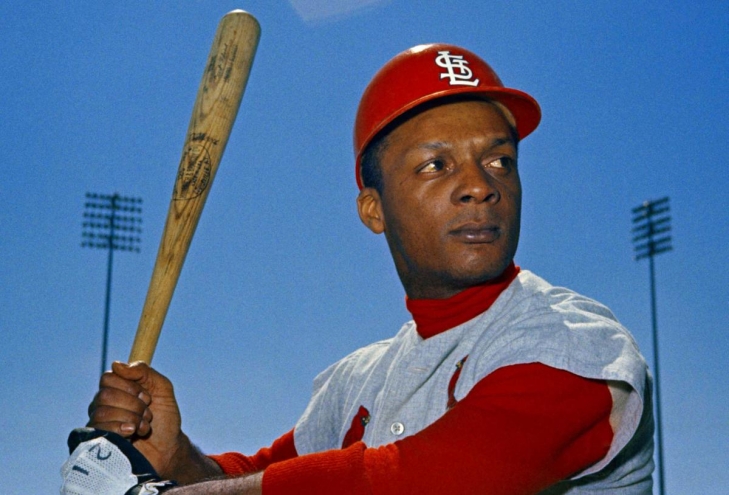
Curt Flood, acquired from the Cincinnati Reds in late 1957, was a remarkable player. At 5’9'' and 165 pounds, he transformed outfield defense on the Senior Circuit by blending impressive lateral speed with perfect timing. During his 12 seasons in eastern Missouri, he did more than catch flies; he defined an era of elite outfield coverage, setting a high standard of durability that earned him seven consecutive National League Gold Glove Awards from 1963 to 1969.
Flood’s masterclass defense on the grass was his signature move, but his offensive game quietly transformed from a low-order afterthought into a top-tier threat. He made contact and worked pitchers into a disciplined routine. His breakout season came during a remarkable 1964 regular season, earning awards. That summer, he showcased an exceptional hitting display, leading the National League with 211 hits and maintaining a strong .311 batting average.
His exceptional skill in setting the table propelled the Cardinals to a remarkable National League pennant and ultimately led to a seven-game victory over the New York Yankees in the Fall Classic, securing his sole career All-Star selection. He consistently upheld that elite contact profile throughout the decade, achieving six separate seasons with a batting average exceeding .300—highlighted by a remarkable .335 average to win another world title in 1967, and an outstanding 1968 season where he finished fourth in the National League MVP voting.
Despite his impressive statistical achievements, his departure from St. Louis marked one of the most dramatic and culture-shifting moments in global sports history. After the 1969 season, the team management suddenly decided to trade their beloved co-captain along with other players to the Philadelphia Phillies. Flood, however, refused to accept the trade. He was deeply upset with a system that treated players as commodities, so he chose to sit out the entire 1970 season. During that time, he also filed a groundbreaking federal antitrust lawsuit against Major League Baseball to challenge the unfair
Although he courageously fought the system all the way to the United States Supreme Court in 1972, the court eventually ruled against him. This decision essentially kept him out of the major leagues for most of his career, except for a brief 13-game appearance with the expansion Washington Senators near the end of his playing days. Flood gave up his prime athletic years and a career filled with honors in pursuit of a strong systemic principle.
Throughout his time in St. Louis, he achieved impressive milestones, with exactly 1,853 hits, 264 doubles, and 834 runs in 1,601 games, supported by a solid 42.3 franchise position bWAR. Though a legal challenge ended his career, his sacrifices sparked a historic ripple effect, opening the door to today's modern free agency and the financial benefits athletes now enjoy. In 2015, the organization proudly set the record straight, and the Red Ribbon Committee honored his significant contributions by inducting Curt Flood into the St. Louis Cardinals Hall of Fame in a heartfelt ceremony.
Modern Baseball Committee (1970 – 1987): The 2018 Election