

190. Buddy Myer
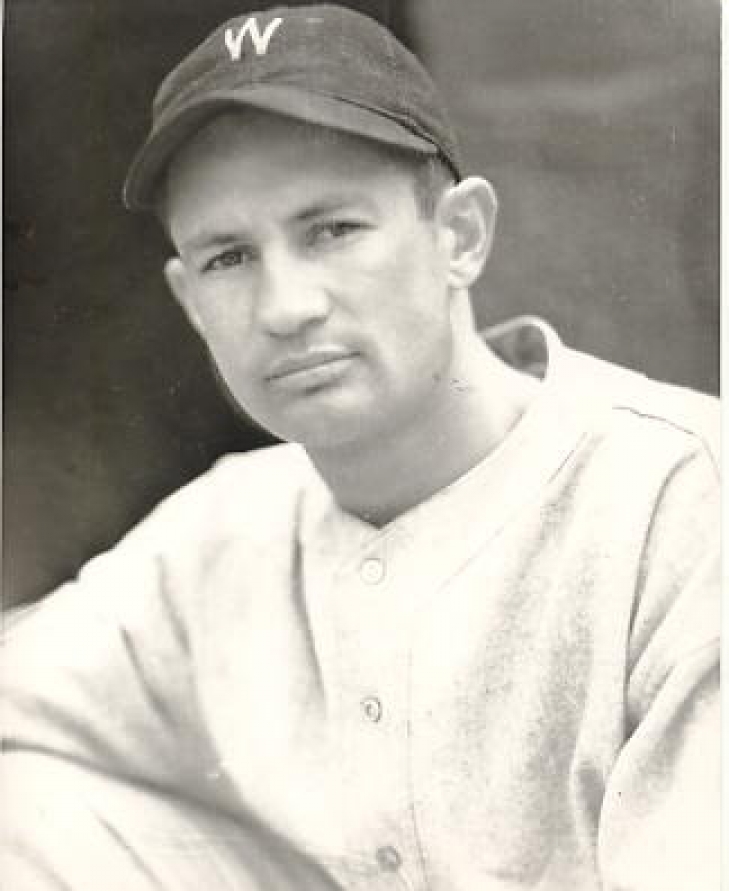
Buddy Myer was referred to as the "cocky little Second Baseman," though that was not meant as a compliment, and was usually used by opponents or opponents' fans after Myer did well.
According to his peers, Myer was one of those super-nice guys, but once on the field, he was one of the most tenacious players in diamond history. He first cracked the Majors with Washington in 1925, where, as a rookie, he was part of their American League pennant win. He would take over as their starting Shortstop the year after, batting .304, which would be the Infielder's first of eight .300 years. The Senators inexplicably traded Myer to Boston during the 1927 season, and in 1928, he led the AL in Stolen Bases. Washington reacquired Myer in the offseason, and they never let him go again.
Myer later helped the Senators win the Pennant in 1933, though they would lose to the New York Giants. It was a tumultuous year for Myer, who got involved in a bloody brawl with Ben Chapman, who made anti-Semitic remarks toward Myer. This was par for the course for Chapman, who later tormented Jackie Robinson with racial slurs when he was the Phillies Manager.
Myer would later go to two All-Star Games and win the Batting Title in 1935. That year, he finished fourth in MVP voting. Myer played until 1941 and left the game with 2,131 Hits and a lifetime Batting Average of .303.
12. Buddy Myer
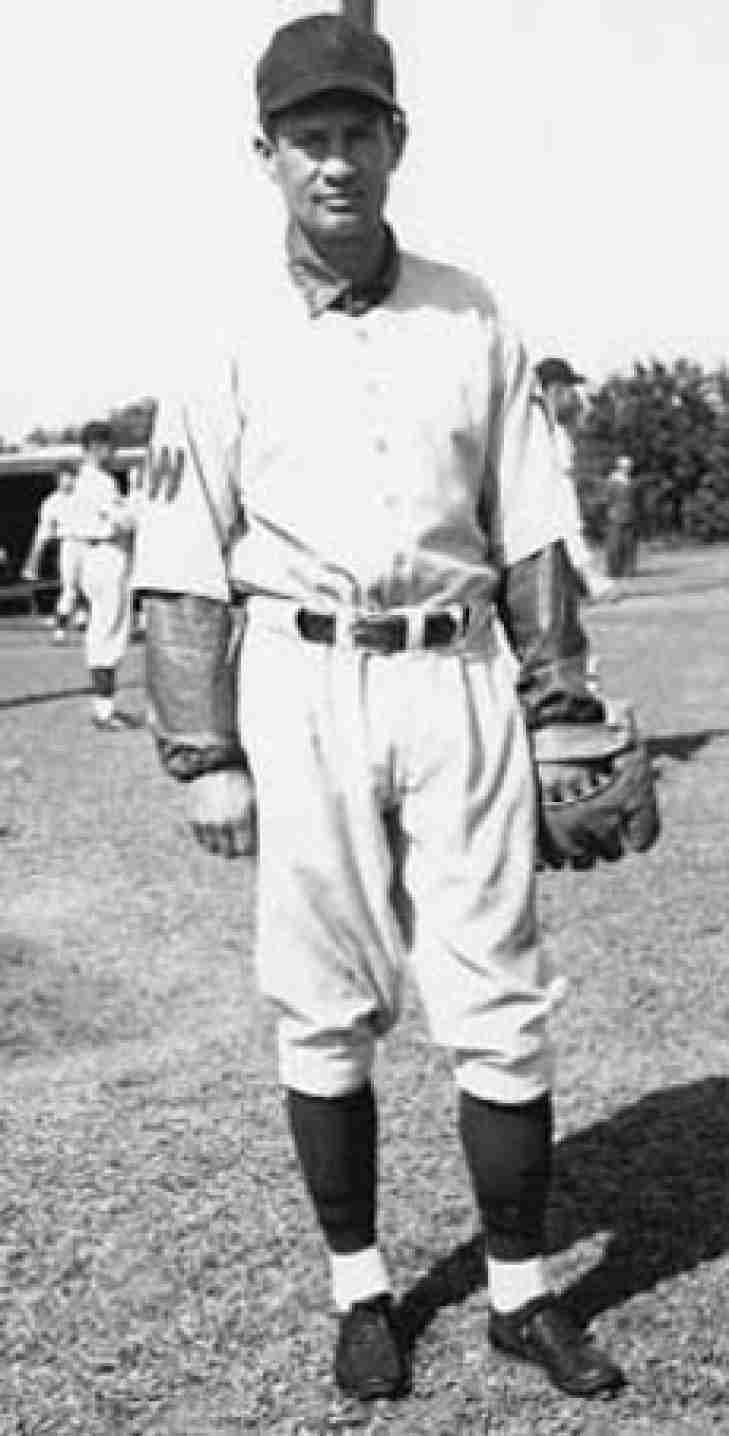
Save for a couple of productive seasons with the Boston Red Sox early in his career, Buddy Myer was a career member of the Washington Senators, the team he began and ended his career with.
The slick-fielding Myer was traded to the Boston Red Sox, and in his brief stay in Massachusetts, his stock rose so much so that the Senators traded five players to get him back before the 1929 season. Myer became more consistent, moving from shortstop to second base and dominating the middle infield. He controlled the strike zone, with a career-high 102 walks in 1934, showing that his ability to reach base was key for the Senators' offense.
Any story about Myer has to include his historic display of resilience during the 1933 season. Myer was at the center of one of baseball's most violent brawls after being spiked and subjected to antisemitic taunts by Ben Chapman of the Yankees. Despite the targeted abuse and the fact that he was raised Baptist, though he never felt it necessary to publicly correct assumptions about his heritage, Myer remained focused on the field. He helped lead the Senators to the 1933 American League Pennant, delivering a steady performance in the World Series in their loss to the New York Giants.
In the 1935 season, he produced a remarkable performance that remains one of the greatest hitting displays in team history. On the final day, he went 4-for-5, finishing with a .349 average and winning the American League Batting Title by a narrow margin over Joe Vosmik. That year, he placed fourth in MVP voting, with 215 hits, 100 RBIs, and led the league in double plays turned by a second baseman. This outstanding season earned him his first of two All-Star selections, solidifying his reputation as a top player in the Junior Circuit.
Myer played until 1941, leaving behind 1,828 hits, 735 RBIs, and a .303 batting average.
