

155. Bobby Veach
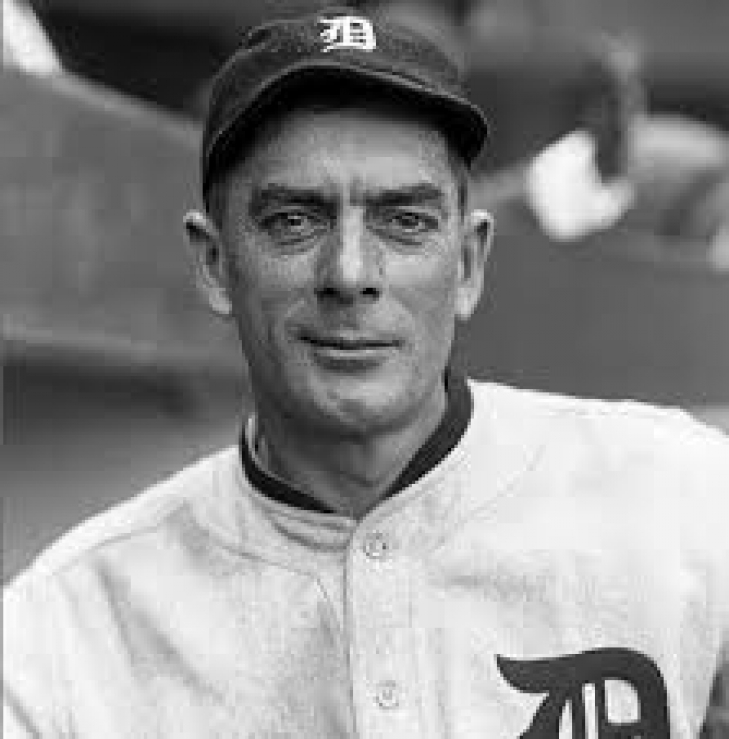
Bobby Veach played most of his career with the Detroit Tigers, where he showed off a good bat and good speed.
17. Bobby Veach
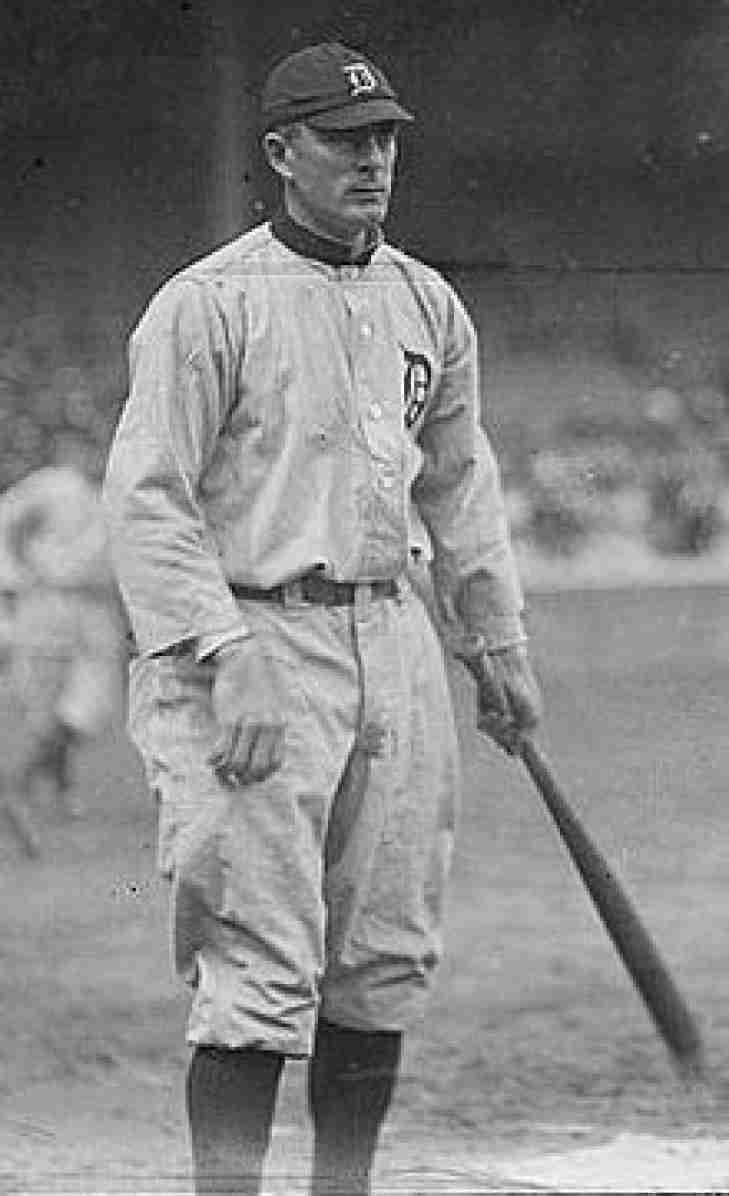
Bobby Veach had the singular misfortune of being an elite ballplayer who spent his entire prime in the physical and historical shadow of three Hall of Fame legends. While he patrolled left field for the Detroit Tigers, the other two spots in the grass were occupied by Ty Cobb and either Sam Crawford or Harry Heilmann. Because he wasn't a "character" like Cobb or a refined technician, Veach was often dismissed as a mere product of his environment, a "cleanup hitter" who just happened to be standing there when Cobb and Crawford crossed the plate. But a look at the linear progression of his career reveals a player who was arguably the most consistent run-producer in the American League for a decade.
Veach’s arrival in Detroit in late 1912 was an immediate spark; he hit .342 in a 23-game audition, convincing the Tigers they had finally found a permanent solution for left field. By 1915, he had reached his first major campaign, leading the American League in both doubles (40) and RBIs (112), tying his teammate Crawford for the latter. It was the birth of what sportswriters called the "$100,000 Outfield." While Cobb and Crawford played "inside baseball”, choking up and bunting, Veach was a specialized power threat who swung from the heels, a style that made him a statistical outlier in the height of the Deadball Era.
The center of his career was a relentless run of high-frequency production. He secured back-to-back RBI titles in 1917 and 1918, proving he was more than just a supporting actor for Cobb. In 1919, he excelled again, leading the league in hits (191), doubles (45), and triples (17) while batting a career-high .355. He was a model of specialized durability, rarely missing a game and providing above-average defense; his range factor and assist totals frequently topped the league's left fielders, showing a defensive craftsmanship that Cobb famously (and perhaps unfairly) criticized as lacking "fire."
The final years of his Detroit residency were marked by a bizarre psychological experiment. In 1921, Cobb, now the player-manager, instructed Harry Heilmann to shout insults at Veach from the dugout to "toughen up" his easygoing nature. The result was another elite plateau: Veach responded with 128 RBIs and 207 hits. However, the tension with Cobb eventually led to his exit; despite hitting .321 in 1923, he was sold to the Boston Red Sox to make room for a younger Heinie Manush. He finished his Tigers tenure with 1,859 hits and a .311 average, leaving as the only player in franchise history to lead the league in hits, doubles, triples, and RBIs who isn't currently in Cooperstown.
With the Tigers, Veach compiled 1,859 hits, 393 doubles, and three RBI titles while maintaining a .311 career average.
