

30. Harvey Kuenn
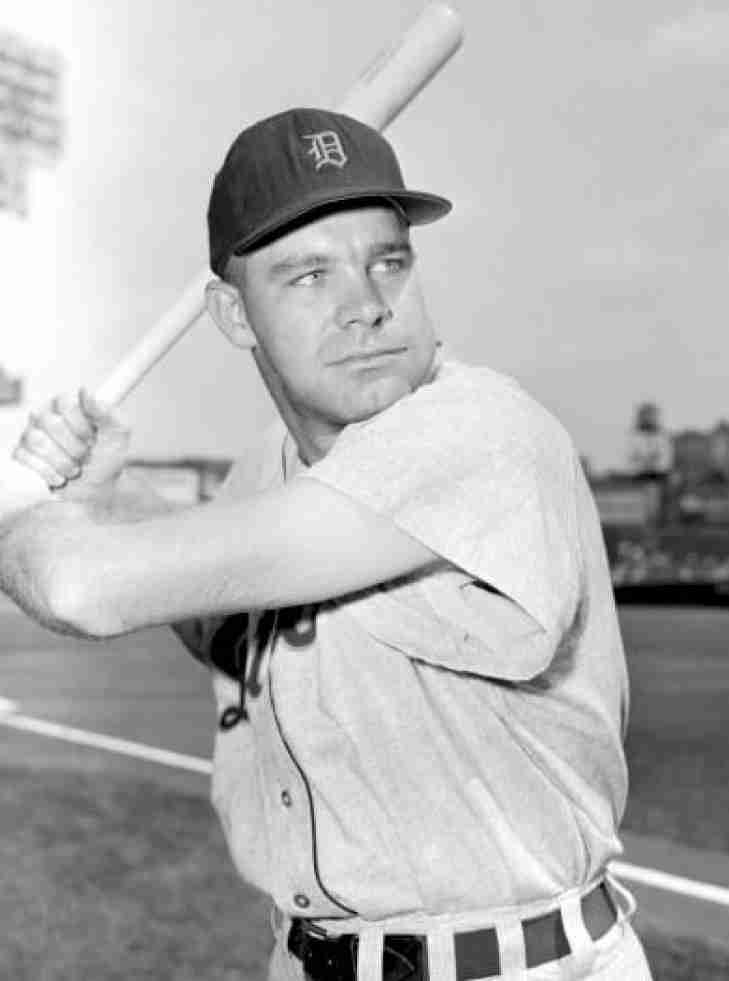
Harvey Kuenn emerged in Detroit as a natural hitting machine, a player whose bat was so advanced that he bypassed the minor leagues entirely. For eight seasons, he anchored the top of the Tigers' lineup with a specialized ability to spray line drives to all fields, becoming the most consistent contact hitter of the 1950s. While his defensive range in the outfield and at shortstop remained a liability, Kuenn provided the Motor City with a level of offensive consistency that made him a perennial fixture in the American League All-Star starting lineup.
He secured his place as a premier offensive threat by leading the American League with 209 hits, a high-frequency display of contact that earned him the Rookie of the Year award. This performance signaled a transition from a collegiate prospect to a frontline superstar who specialized in the art of the base hit. He showed the organization that he was a foundational piece of the roster, leading the league in hits for the first of four times during his Detroit tenure and providing the dependable, day-to-day production that made him the most feared leadoff man in the game.
Between 1953 and 1959, Kuenn was a statistical force who earned seven consecutive All-Star selections in a Tigers uniform. He reached a career peak during the 1959 season, when he captured the American League batting title with a .353 average and led the league in hits and doubles simultaneously. Despite his offensive dominance, his overall value was hindered by a lack of defensive polish, a factor that often overshadowed his brilliance at the plate. He remained a model of resilience, eventually recording 1,372 hits in just eight seasons with the club.
The shifting needs of the roster led to one of the most famous trades in baseball history following his batting title season. In 1960, the Tigers traded their reigning batting champion to the Cleveland Indians for Rocky Colavito, an exit that shocked the Detroit faithful.
104. Harvey Kuenn
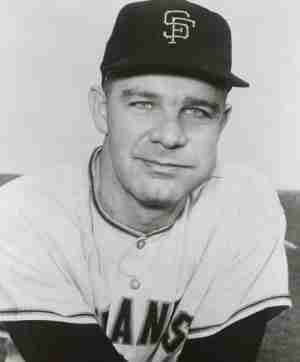
From 1953 to 1960, there were few in the majors who were as good a line drive hitter as Harvey Kuenn. From that time period, he won the American League Rookie of the Year Award and won a Batting Title. Considering that during the 50’s he only batted under .300 once, it was easy to see how, even on average Detroit Tigers teams, he could still make eight All-Star teams.
Kuenn led the league in hits four times, and it seemed like he got those hits in every part of the field possible. In the ’50s, he was the game’s most consistent hitter, with a swing so effortless it looked natural. These skills would serve him well as a hitting coach and manager later in his career.
As good as Kuenn was, he was largely ineffective after 1963, and with his great batting eye failing, he had little else to contribute, as he was not known for his fielding prowess or his power. Still, the numbers he put up for Detroit over an eight-year period were good enough to get him a really solid look from the Hall.
