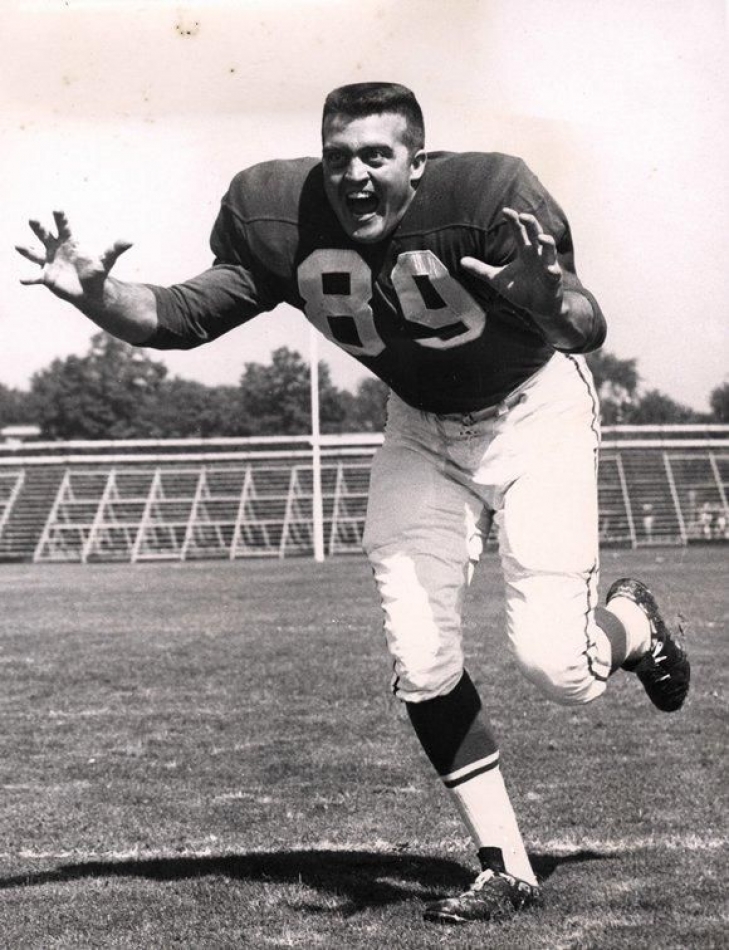
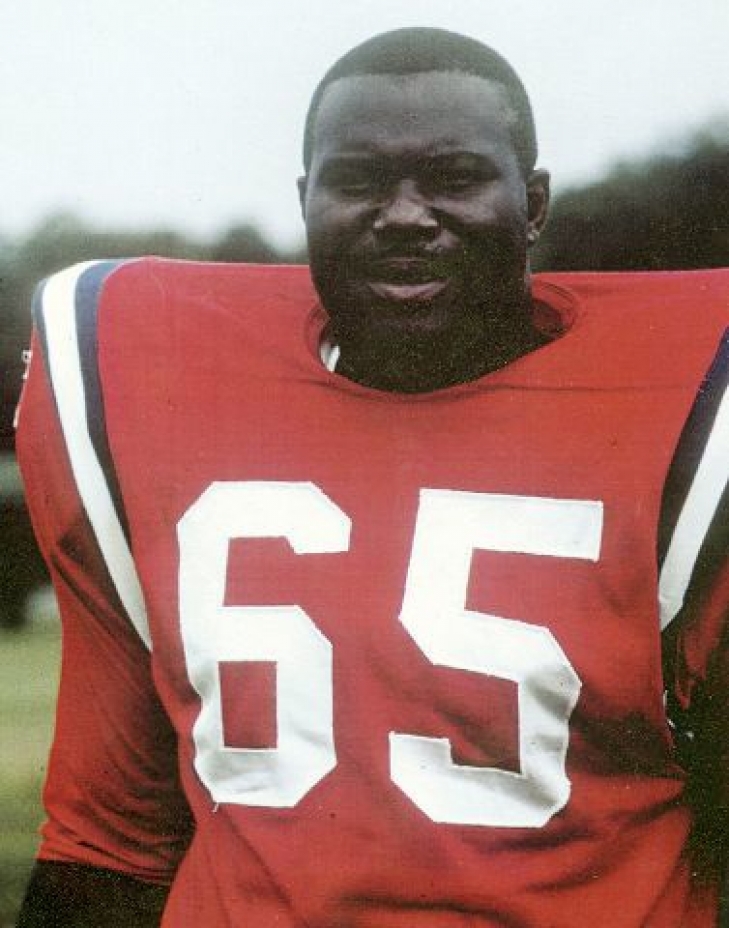
Gino Cappelletti’s path to the Patriots looked more like a series of dead ends than a professional career. After leaving Minnesota in 1955, he bounced through semi-pro ball, a stint in the military, a failed tryout in Canada, and more semi-pro work. By the time the AFL launched in 1960, he was already in his mid-twenties and essentially starting over. The Boston Patriots took a chance on him as an original member, and somehow the guy who had been out of real football for years became the most versatile weapon the franchise has ever had.
He lined up everywhere. One week he caught passes as a wide receiver; the next he kicked field goals, and on occasion he even dropped back into the defensive secondary. The production showed up immediately. In 1961, he caught 45 passes for 768 yards and eight touchdowns while also leading the AFL in scoring with 147 points. That combination of receiving and kicking set the tone for the rest of the decade. Defenses never quite knew what to prepare for, because Cappelletti could hurt them in multiple ways on the same drive.
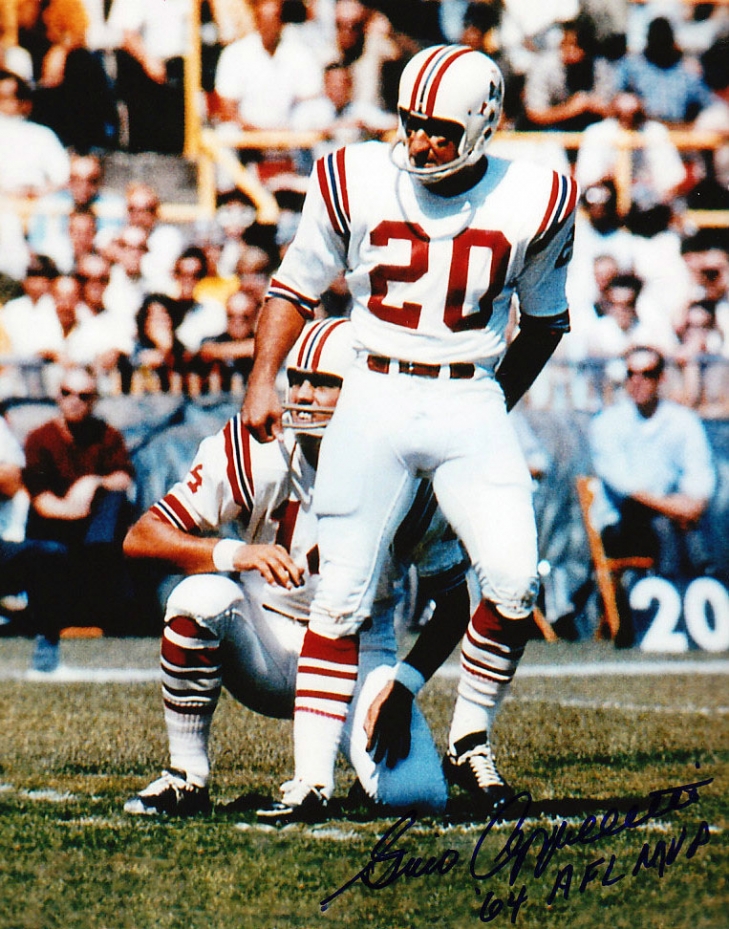
The peak arrived in 1964. Cappelletti led the AFL in scoring again with 155 points, caught 49 passes for 865 yards and seven scores, and earned Player of the Year honors from both the AP and UPI. He led the league in field goals multiple times and posted several seasons with more than 600 receiving yards. Five AFL All-Star selections followed. The Swiss Army knife description was not marketing; it was simply accurate. When the Patriots needed points, Cappelletti usually put them on the board, whether through the air or off the tee.
He stayed with the team through the 1970 season, retiring in 1971 after eleven years. With the Patriots, he finished with 4,589 receiving yards, 42 touchdowns, 176 field goals, and 1,130 total points. He did so while also recording four interceptions and serving as a reliable two-way contributor in an era when roster spots were limited. The AFL’s all-time leading scorer at the time of his retirement had somehow resurrected a career that looked finished half a decade earlier.
The Patriots retired his number 20. In 1992, fans elected him to the franchise Hall of Fame. The player who arrived after years of semi-pro and military service left as the ultimate utility weapon in team history, a reminder that the right opportunity at the right time can turn a wandering career into something lasting.