Menu
A+ A A-
Darryl Tahirali

Darryl Tahirali

If I Had a Vote in the 2023 Baseball Hall of Fame Election
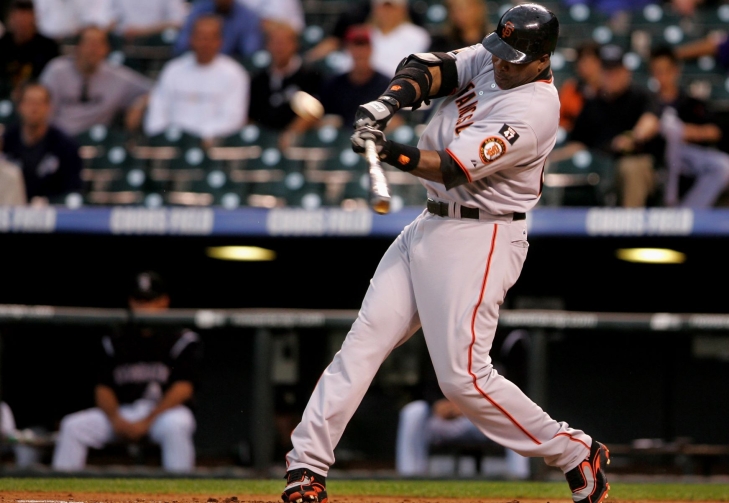
Days from the January 24, 2023, announcement by the National Baseball Hall of Fame of candidates who may have been elected by the Baseball Writers' Association of America (BBWAA), the burning question is not who those candidates, if any, will be. Instead, the burning question is: What morality are BBWAA voters going to legislate for the Hall of Saints this year?

For more than a decade, the controversy over performance-enhancing drugs (PED) has consumed discussion about who should or should not be elected to the Hall, capped by the late Hall of Famer Joe Morgan's now-infamous 2017 missive to voters about keeping the PED Penitents out of Cooperstown. But although the PED predicament remains—among the returning candidates on the 2023 BBWAA ballot are Manny Ramirez and Álex Rodriguez—voters are now finding other performance flaws in candidates to deny them entrance to the Hallowed Hall.
Baseball Hall of Fame 2023: Contemporary Baseball Era Committee

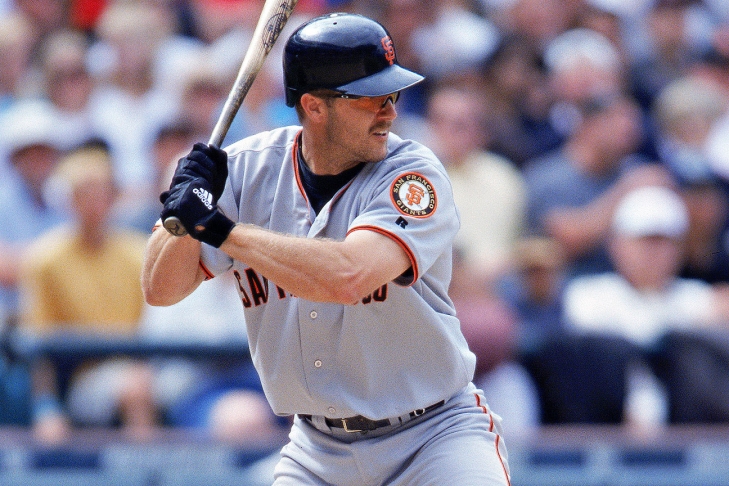
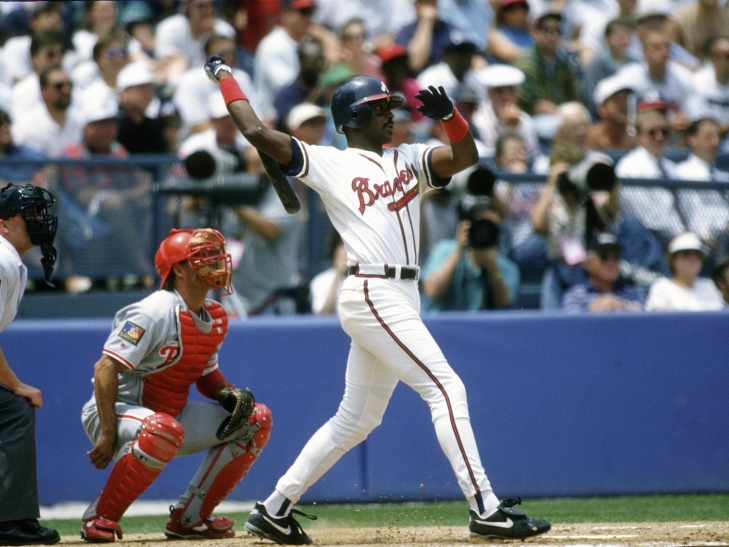
By paring the number of candidates to be considered by the Contemporary Baseball Era Committee to a lean-and-mean eight, and if trends by recent iterations of the National Baseball Hall of Fame Veterans Committee continue, the odds look very good for Fred McGriff to be making an induction speech in Cooperstown, New York, in July 2023 when the committee announces its results during the baseball winter meetings to be held on December 4, 2022.

Why should McGriff start preparing his induction speech? Because the Screening Committee that selected the eight players whose careers began after 1980 to be considered by the Contemporary Baseball Era Committee of the Hall of Saints—sorry, make that the Hall of Fame—have gamed the ballot to, in essence, eliminate half of its candidates right off the bat, leaving the slugging first baseman as the most viable candidate for consideration ahead of, in order of descending likelihood, Don Mattingly, Dale Murphy, and Albert Belle.

The Negro Leagues Are Not the "Major Leagues"

In December 2020, Major League Baseball Commissioner Rob Manfred announced that the Negro Leagues from the first half of the 20th century were now officially recognized as having Major League status, "correcting a long-time oversight in the game's history." Officially recognized were seven separate Negro Leagues that operated between 1920 and 1948.

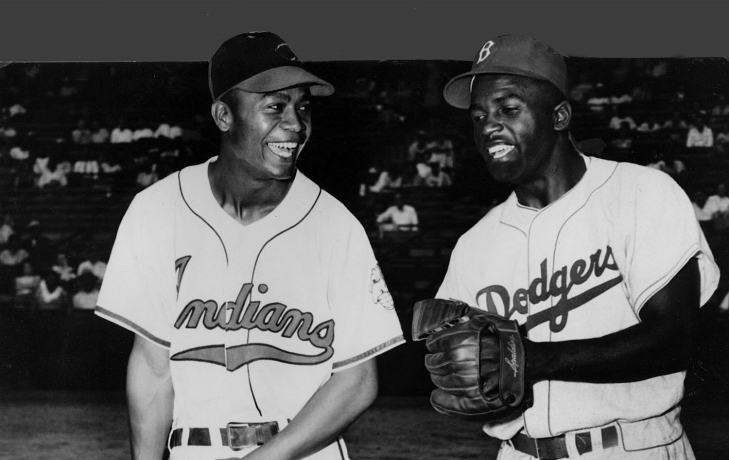
Coinciding with measures taken by Cleveland's Major League franchise to wean itself from stereotypes derogatory to Native Americans, which resulted in the dumping of the "Chief Wahoo" logo in 2019 and, more significantly, the dumping of "Indians" as the team's nickname in favor of "Guardians" in 2022, the inclusion of the Negro Leagues into MLB would seem to be an enlightened step forward, wouldn't it?

Not so fast. Were it not for segregation, the Negro Leagues would not have existed, at least not as the top tier of professional baseball for African-American players, because those players would have been playing in the Majors in the first place. This discrimination based on race was part of the "separate but equal" doctrine, also known as "Jim Crow," that was explicitly enforced in the Deep South but also tacitly acknowledged in many other parts of the United States.

If I Had a Vote in the 2022 Baseball Hall of Fame Election

On a ballot packed with qualified candidates for the National Baseball Hall of Fame, is it possible that none of them will be elected this year?

If that happens, as it did last year, it would be the third time in the last decade that the qualified voters of the Baseball Writers' Association of America (BBWAA) have thrown a shutout at the Hall of Fame. This is an odd paradox considering that after the Big Zilch of 2013, the BBWAA in subsequent years went on to elect 22 players across the next seven ballots, with the various guises of the veterans committee voting in another five players (and six non-players) during that seven-year span. (In 2013, the veterans committee did elect three candidates to the Hall.)

Last year, Curt Schilling, who had garnered 70 percent of the vote on the previous ballot, seemed to be a lock for election. Instead, he stalled with a negligible increase in support, then threw a social-media Trumper tantrum declaring that he wanted to be removed from this year's ballot. The Hall of Fame quickly responded that it would not do so.