The much anticipated Super Bowl LVI is just around the corner. As we countdown to the biggest event of the football season, fans, observers, and punters are all on the lookout for vital information regarding the event.
If you like to place bets on the Super Bowl, then 2022 Super Bowl Predictions will be of much help. Also, information from relevant sites and tipsters will aid you in making informed bets.
This article will provide those updates and details that should keep everyone abreast ahead of the big matchday.
What Is The Date, Location, And Venue For This Year's Super Bowl?
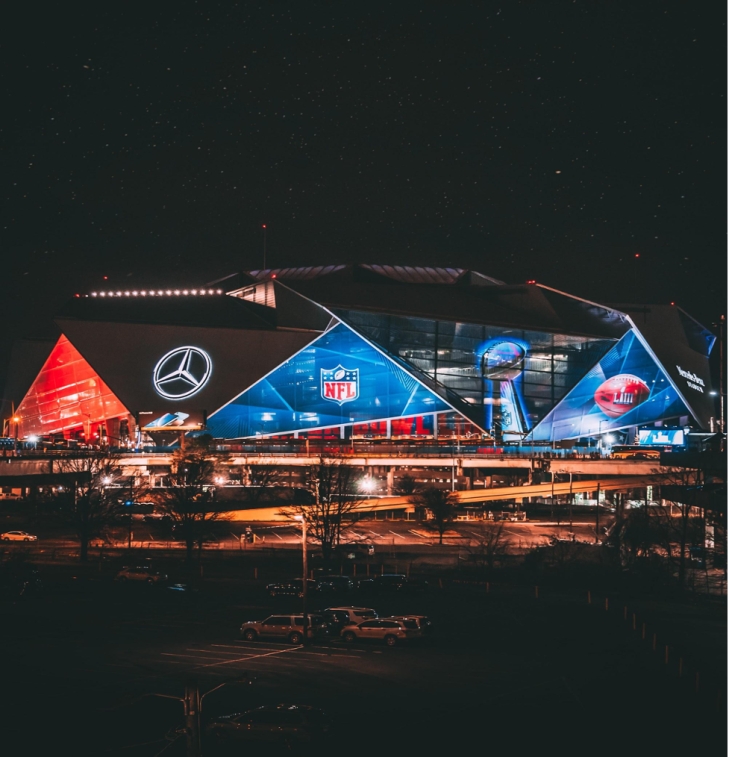
This year, the Super Bowl LVI will take place at the SoFi stadium in Inglewood, Los Angeles. The Super Bowl LVI will be held on February 13, kick-off at 6:30 PM ET.
The game will have the Los Angeles Rams going up against the Cincinnati Bengals. It's a great encounter for the LA Rams as they will be hosting a Super Bowl match in their home stadium just like the Tampa Bay Buccaneers did last year.
Also, like the Buccaneers were crowned last year in their home stadium, the Rams will get an opportunity to repeat the same feat. That's if they defeat the Bengals, which is no easy task.
How Did Both Teams Make It To The Super Bowl?
The Los Angeles side earned the No. 4 seed in the NFC playoffs after concluding a 12-5 regular season and NFC West title. After that, the Rams defeated the Arizona Cardinals 34-11, then the Buccaneers 30-27. Then, they made a stunning comeback from behind a 17-7 scoreline to beat the San Francisco 49ers at a final scoreline of 20-17 to make it to this year's Super Bowl.
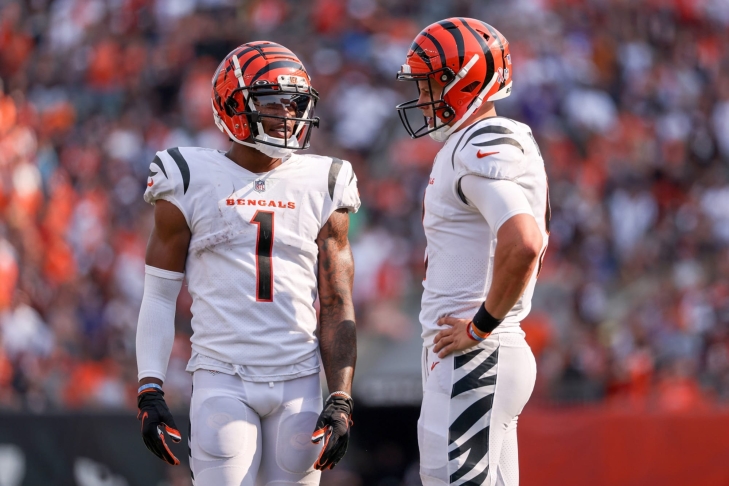
The Cincinnati Bengals also earned the No. 4 seed in the AFC playoffs. They achieved this after recording a 10-7 win in the regular season and winning the AFC North title. They defeated the Las Vegas Raiders in the opening round 26-19, their first post-season win in 31 years.
Then they defeated the Tennessee Titans 19-16. After that, they also made an amazing comeback from behind a 21-3 lead to beat the Kansas City Chiefs at a final scoreline of 27-24 to qualify for the Super Bowl LVI.
What Stars Will Perform In The Super Bowl LVI Halftime Show?
As this year's Super Bowl will take place in Inglewood, Los Angeles, it's only fitting that it features three superstars who grew up nearby in the game's halftime show. These three superstars are no other persons than the Long Beach native, Snoop Dogg and Compton natives, Dr Dre, and Kendrick Lamar.
These three superstars will be gracing the Pepsi Super Bowl halftime show with two other superstars; Eminem and Mary J. Blige. It'll be the first time these five stars will be performing together, and it'll happen on the improvised stage at the SoFi stadium. This show looks promising and could be one of the most interesting Super Bowl halftime shows in record history.
How To Watch The Super Bowl LVI
For one, you can head to the SoFi stadium to watch this year's Super Bowl. However, if you can't go to the stadium, you can watch the match on NBC, as the channel will be televising this year's Super Bowl. NBC will televise this match in the middle of another event – the Winter Olympics. The Super Bowl LVI is also available for live streaming on Peacock, NBCSports.com, and NBC sports app.
A Look Into The Betting Odds Of This Year's Super Bowl
Initially, the Los Angeles Rams were 3.5-point favorites to win over the Cincinnati Bengals with an over/under of 50 points, according to FanDuel Sportsbook. However, after about 12 hours of betting on the Super Bowl market spread, the market consensus has the LA Rams at a 4.5-point favorite and the over/under totals tickling down from the initial 50 points to as low as 48.5 points.
As for the outright winner odds, a popular market for casual Super Bowl bettors, the LA Rams had opening odds between -190 and -200 on the Moneyline. However, this went as low as about -185 after several hours. On the other hand, the Bengals Moneyline will be another popular bet option recreational bettors love to explore for a larger payout since they are betting on the underdog. The Bengals to win outright has been as big as +165.
Conclusion
From all indications, the Super Bowl LVI promises to be a fun-fest. Fans of both the LA Rams and the Bengals have been talking tough, as it should be. We wish all players and fans the best of luck in the season-ending event, and may the better team win!
Meta Description
The Super Bowl is one of the most important events in the sports calendar. Here are the things to know as we countdown to the Super Bowl LVI.