Menu
A+ A A-
Site Admin

Site Admin

34. Silver King

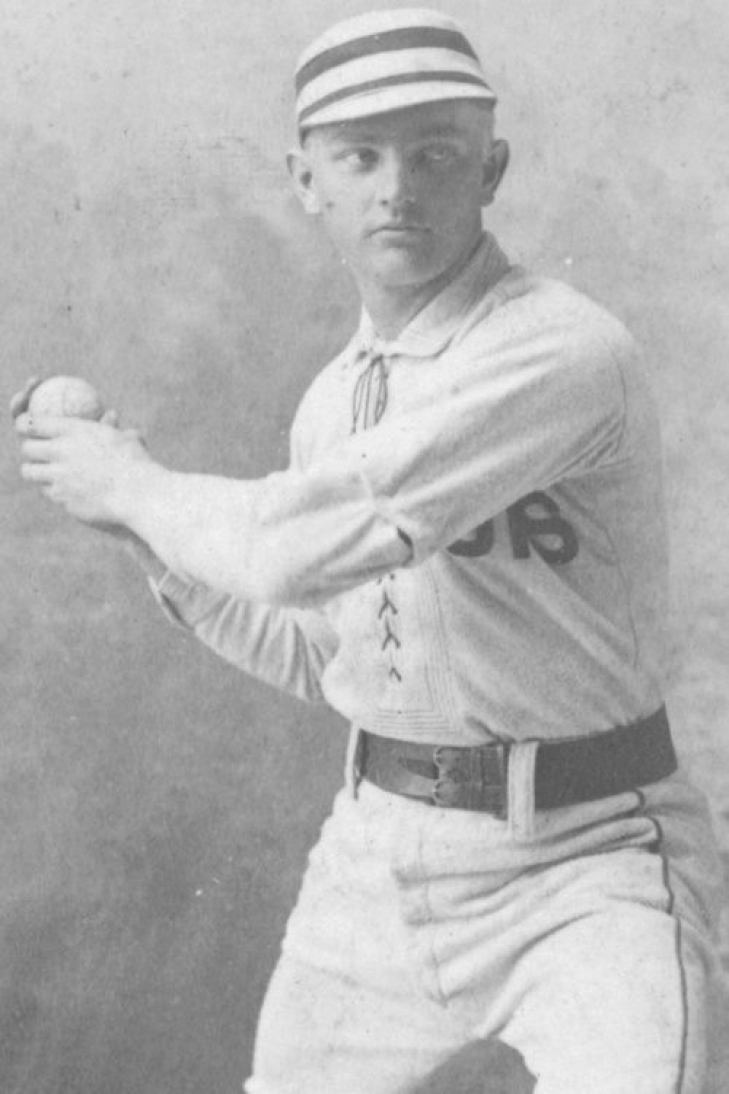
The 19th-century American Association was a highly experimental and turbulent era of professional baseball, and few players took full advantage of its unique opportunities like Charles Frederick Koenig. Known by the theatrical nickname "Silver King," this strong right-hander had an unconventional pitching style that baffled hitters of his time. He threw the ball with a sweeping sidearm motion, skipping the windup, creating a fast, deceptive delivery that helped him dominate the league. Although he only played three summers with the St. Louis Browns, his intense pitching style and peak performance are remembered as some of the most remarkable in early baseball history.

King’s 1987 campaign in St. Louis laid a strong foundation, as he endured 44 starts to amass an impressive 34–10 record, leading Chris von der Ahe's team to a league pennant. Yet, no standard baseball metrics could have prepared the sport for the extraordinary personal performance he was about to deliver the next summer.

The 1888 campaign is one of the most dominant single-season performances ever, showcasing extraordinary endurance. King appeared on the mound 66 times, with 64 complete games, significantly impacting league competitiveness. He led the American Association in nearly every key pitching category, posting a 45–20 record and a low 1.63 ERA over 584.2 innings. His advanced metrics were equally impressive: a 2.38 FIP, a 0.874 WHIP, and a 3.39 strikeout-to-walk ratio, exemplifying incredible efficiency.

He maintained that elite performance peak during the 1889 season, posting a high-volume effort of 33–18 with a 3.14 ERA over 453 innings. Realizing his strongest bargaining position, King moved to the new Players' League in 1890, achieving another impressive 30-win season with the Chicago Pirates before continuing his major-league career with teams in Pittsburgh, New York, and Cincinnati.

King completed his brief but breathtaking three-year St. Louis residency, compiling an astonishing 112–48 record and finishing 153 of his 157 starts with a sharp 2.26 ERA over 1,418.1 innings.
26. Tip O'Neill

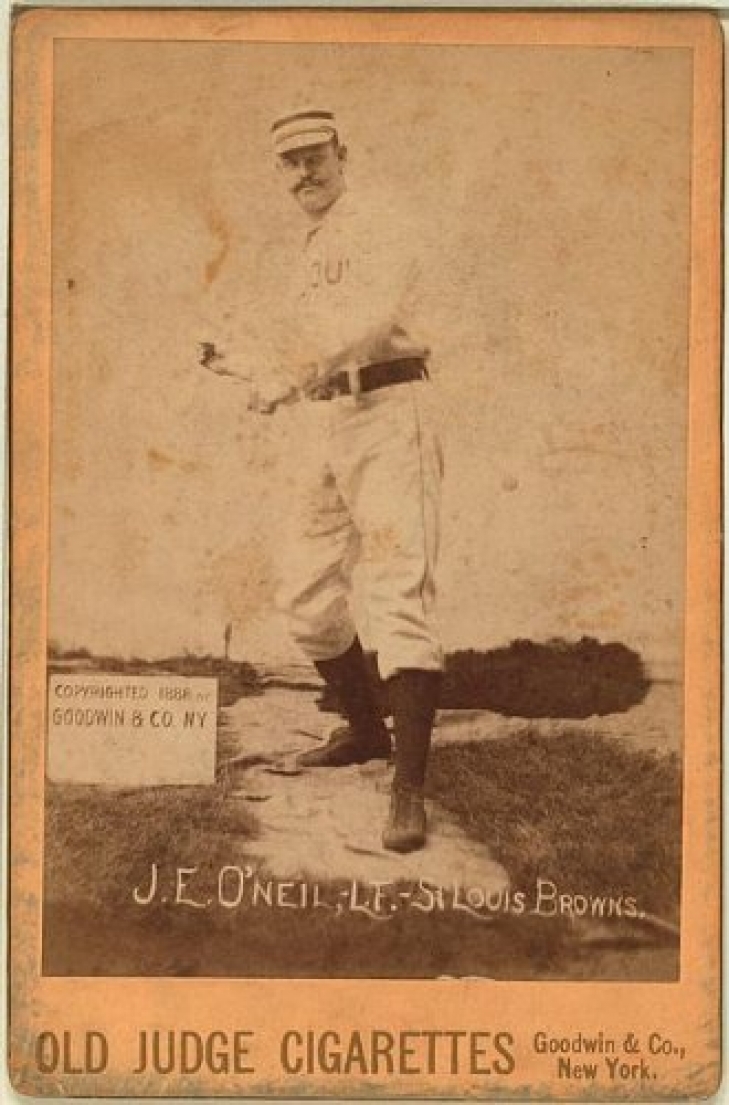
Arguably the first really good player to come from Canada, Tip O’Neill was a star for the St. Louis Browns (renamed the Cardinals) in the mid 1880’s and was a large factor in the team winning four American Association Pennants and the 1886 World Series.

21. Marty Marion

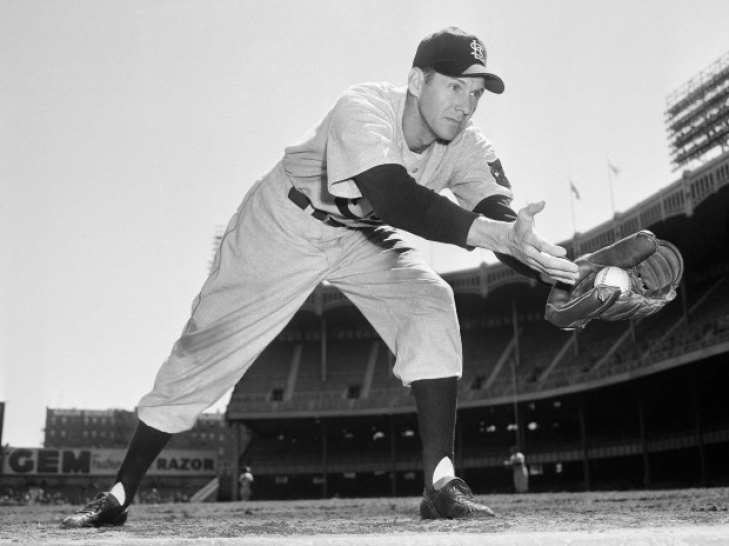
To grasp the extent of the St. Louis Cardinals' dominance in the 1940s, one needs to focus on the heart of their defense—shortstop Marty Marion. Standing at 6-foot-2 and Lanky, Marion redefined defensive play. Unlike most middle infielders of his time, who were stocky, his unusually long arms, broad wingspan, and extensive lateral coverage made him seem more like an inescapable defensive force on the field. It wasn't long before both opposing managers and teammates gave him a fitting nickname: "The Octopus."

While his peers boasted powerful bats, Marion primarily built the St. Louis dynasty through his exceptional glove work. He led the National League in Defensive bWAR three times and was a top contender with five runner-up finishes. Even decades after his final pitch, he ranks consistently in the top twenty all-time for defensive value in major league history. Although his career batting average of .263 and 36 home runs during his time with St. Louis seem modest today, they were quite impressive for a top shortstop of that era. His skill at hitting gaps for doubles and performing situational sacrifices made him a reliable presence in the lineup's lower end.

Marion’s career was profoundly shaped by WWII. A childhood leg fracture left him with a lasting disability, disqualifying him from military service. While many baseball stars headed off to fight, Marion remained a key pre-war figure in the majors. His exceptional fielding peaked in 1944, where he used his remarkable range to dominate offensively and led the team to 105 wins. His outstanding performance earned him the 1944 National League MVP, despite his limited batting. Marion wasn't just a regular-season marvel. He served as the defensive backbone of three World Series championship rosters (1942, 1944, and 1946), making him one of the winningest and most impactful core players in franchise history.

Marion’s impact in St. Louis went beyond his playing years, as he briefly managed the team during the 1951 transition season before ending his career with the St. Louis Browns. Over his impressive 11-year tenure with the Cardinals, he amassed 1,402 hits, 257 doubles, and was selected to the All-Star team eight times.

Marion was inducted into the Cardinals Hall of Fame in the first year of its existence in 2014.