Menu
A+ A A-
Site Admin

Site Admin

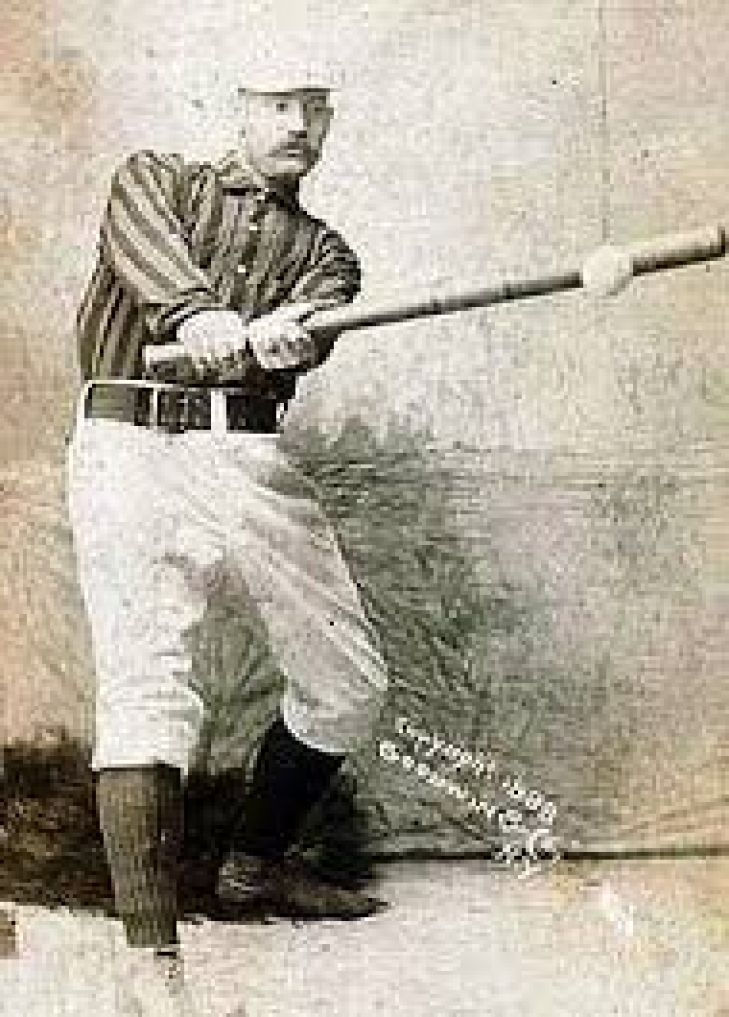
32. George Gore

Chicago’s lineup in the 1880s derived its high-voltage energy from the man they called "Piano Legs." Gore brought a rare combination of lower-body strength and track-star speed to the top of the order, maturing instantly into the most disciplined hitter of the era. His breakout 19th-century residency reached an early crescendo in 1880, a season in which he captured a unique triple crown of efficiency, leading the National League in batting average (.341), on-base percentage (.399), and slugging percentage (.463). He arrived as a young outfielder and immediately became the engine of a dynasty.

Traditional production remained his calling card as the White Stockings captured five pennants during his seven-season stay. Gore was a master of the free passes, leading the league in walks three times and consistently ranking among the top ten in batting average. His ability to reach base and create havoc was the primary reason Chicago dominated the early National League landscape. He wasn't just a slap hitter; he possessed enough gap power to lead the league in runs scored twice, finishing his Chicago tenure with a stellar .315 batting average and a reputation as the premier table-setter of the 1880s.

His Chicago legacy was complicated by his relationship with Cap Anson. The legendary player-manager was a notorious disciplinarian who publicly alleged that Gore was "lazy" and prone to extracurricular distractions. Anson’s critiques suggested that Gore’s immense natural talent should have yielded even greater historical totals, creating a narrative of a superstar who played at only 90 percent of his true capability. Despite these internal frictions, Gore remained a high-leverage fixture in the lineup, proving that even a "relaxed" version of his talent was superior to almost every other player in the league.

Following the 1886 season, the organization moved on from their star center fielder, leading to a second chapter in New York. He left Chicago as a cornerstone of the franchise’s most successful run in its early history, a man whose legs and bat had powered the city to five championships.
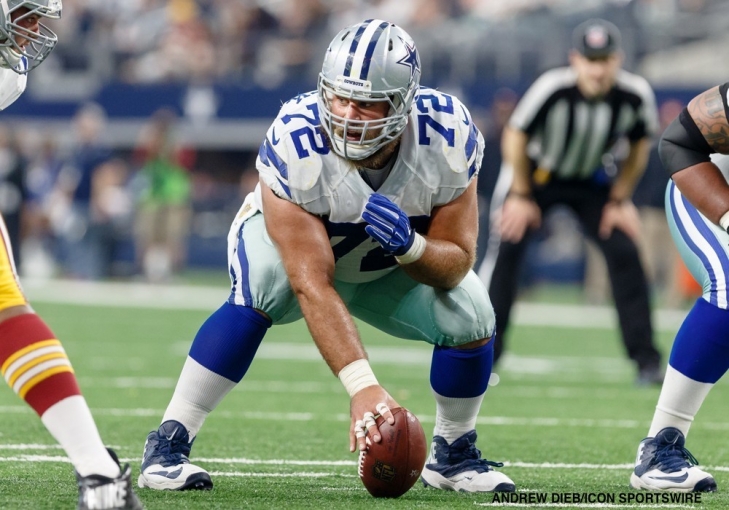
31. Claude Passeau

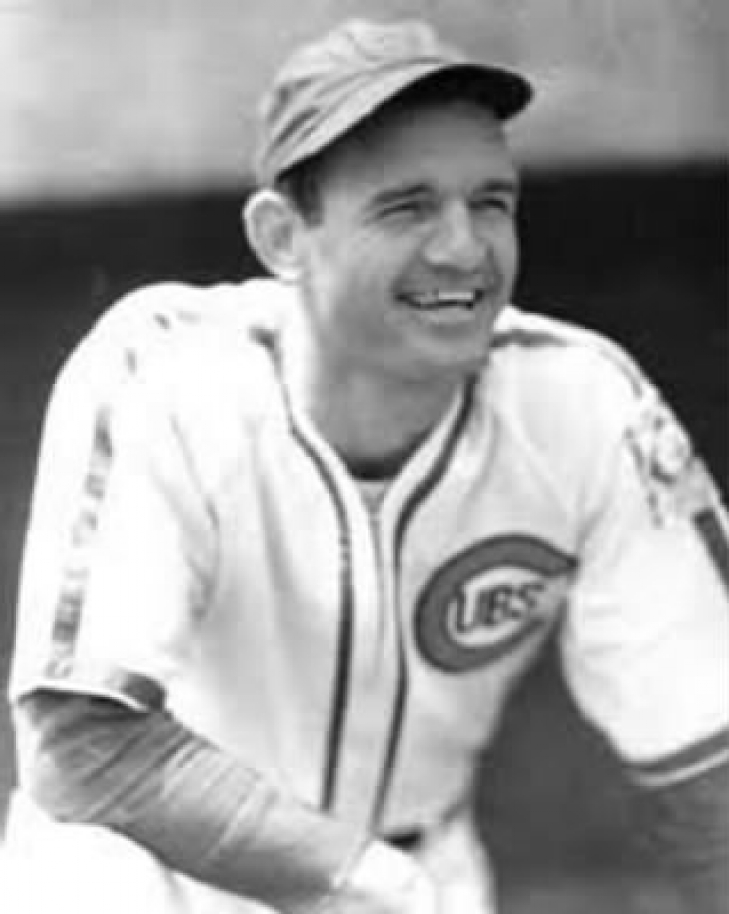
A trade with the Phillies early in the 1939 season brought Passeau to Wrigley Field, where he immediately found the footing that had eluded him in Philadelphia. He shed the "journeyman" label almost instantly, maturing into a frontline starter who commanded the strike zone with an aggressive, veteran poise. His first full year in Chicago was a revelation; in 1940, he joined the elite 20-win club, helping define the first half of the decade for the franchise.

Consistent excellence became his trademark as the residency progressed, earning him five All-Star selections during a six-year window. Passeau was the rare arm who maintained a high level even as the league’s roster landscape shifted during the war years. While his win totals were a testament to his durability, his ability to suppress runs in the most critical situations was best reflected. He was a high-leverage specialist in a starter’s role, a pitcher who the organization could trust to stop a losing streak or secure a pennant.

The defining moment of his Cubs history occurred during the 1945 World Series against the Detroit Tigers. In Game 3, Passeau authored a performance for the ages, tossing a dominant one-hit shutout that remains one of the most efficient outings in Fall Classic history. He retired the first 14 batters he faced and only allowed a single hit to Rudy York in the second inning, a display of total control that put the Cubs within reach of a title. This masterpiece cemented his legacy as a big-game titan, a player who rose to the occasion when the stakes were at their absolute peak.

Chicago remained his home for the remainder of his major league career, and he concluded his residency with 124 wins in a Cubs uniform.

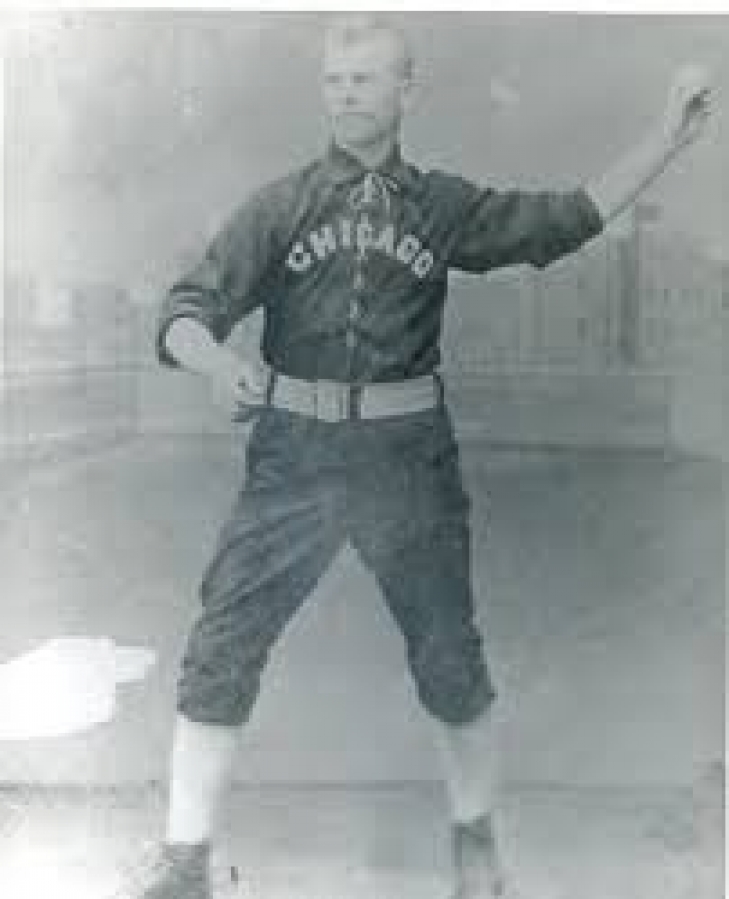
22. Jimmy Ryan

When Jimmy Ryan arrived in Chicago in 1885, he joined a White Stockings squad that was the class of the National League. He didn't take long to find his footing, quickly establishing himself as a refined hitter who could do more than just slap the ball. In an era where home run power was a rare commodity, Ryan possessed a surprising sting in his bat. His residency in Chicago was defined by an ability to adapt as the game’s rules and distances evolved, serving as the steady link between the legendary era of Cap Anson and the burgeoning talent of the late 1890s.

The high-water mark of his tenure arrived in 1888, a season in which Ryan essentially owned the offensive categories of the National League. He paced the circuit in hits, doubles, and home runs—a rare "power-speed" trifecta for the time. While he was often overshadowed by the larger-than-life personalities of his teammates, Ryan was a tactical nightmare for pitchers, finishing in the top eight in OPS six different times. He wasn't a superstar in the modern sense, but he was a "solid contributor" who played at a high level for a remarkably long time, batting .308 during his lengthy stay in Chicago.

Beyond his bat, Ryan was a versatile asset in the grass. He was a primary outfielder but possessed the arm strength and athleticism to fill in on the mound when called upon, a testament to the iron man expectations of the 19th-century game. He collected 2,084 of his 2,513 career hits in a Chicago uniform, and survived multiple name changes for the franchise, from White Stockings to Colts to Orphans, remaining the one constant in an ever-shifting dugout.

The final walk toward the exit came after the 1900 season, as the "Old Guard" of the franchise finally began to disperse. Ryan played a few final seasons elsewhere, but his identity was forever tied to the West Side grounds. His 2,500-hit club status remains an elite benchmark that few in the history of the sport have reached, yet he stayed largely under the radar for a century.

Jimmy Ryan’s legacy received a long-overdue restoration in 2021 when the Cubs named him to their inaugural franchise Hall of Fame class.