- Published in Top 50 San Francisco Giants
18. George Davis
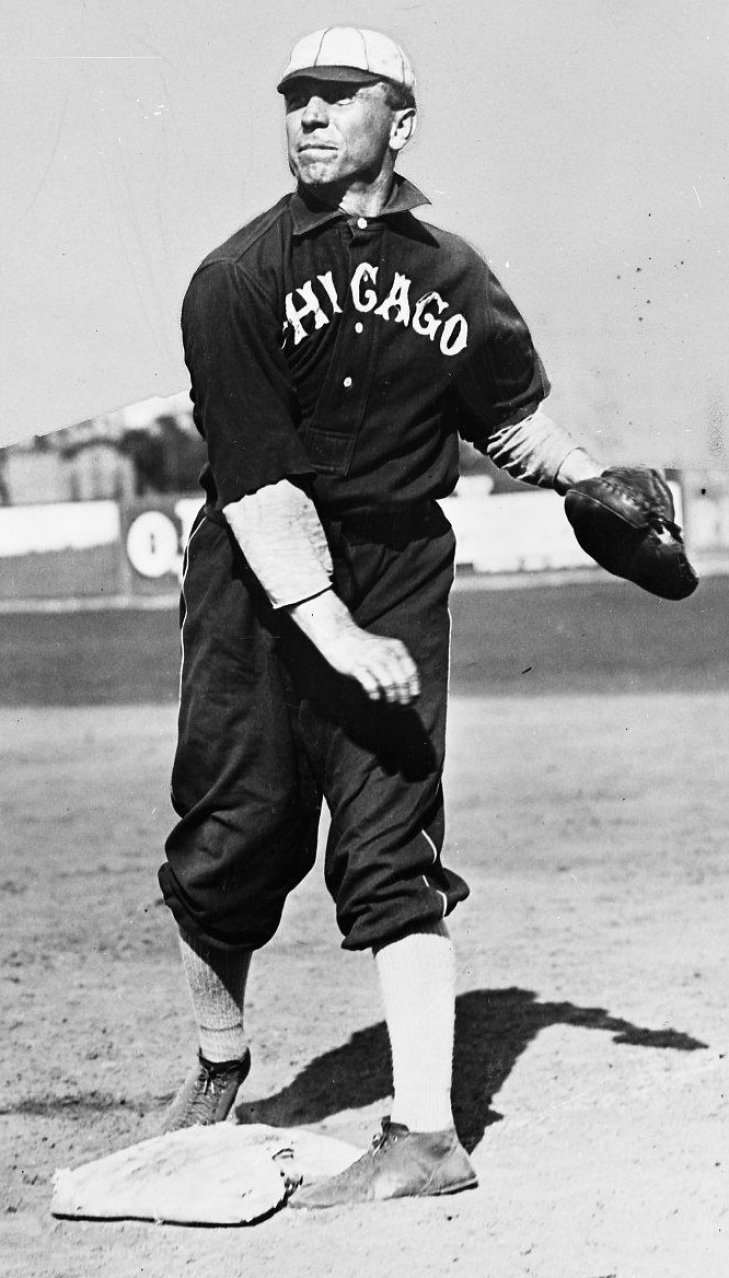
Tracing the foundational pillars of the San Francisco franchise back to its origins in Manhattan reveals that discerning historians focus on the rare, multi-dimensional catalysts who effortlessly dominated the sport during its initial significant structural transition. George Stacey Davis did not merely excel in defensive play across the diamond; he operated as one of the most formidable, high-efficiency switch-hitters of the 19th century. Acquired from the Cleveland Spiders through a strategic pre-season trade in March 1893, this exceptionally cerebral infielder arrived in New York at a pivotal moment when the sport underwent a radical transformation in its dimensions. When the league permanently moved the pitcher’s rubber to the modern distance of 60 feet, 6 inches, Davis effectively utilized the additional reaction time to commence a remarkable, decade-long tenure that culminated in establishing himself as an elite frontline superstar.
His impressive 1893 campaign in a New York uniform was a remarkable showcase of his talent and determination. Taking advantage of the larger field dimensions, Davis made run production a daily goal, smashing 33 doubles, 11 triples, and a career-high 11 home runs while driving in 119 runs. He consistently overwhelmed National League pitchers, hitting a bright .355 and slugging an impressive .531 over 132 games — a stunning display of his exceptional left- and right-handed hitting skills that perfectly suited the Polo Grounds.
Davis was far from just having a brief moment of success. Instead, he kept up that high-volume authority with steady, reliable performance over the next eight summers. During this time, he achieved an amazing streak of nine consecutive seasons batting well above the .300 mark. His versatile glove work was truly invaluable, offering great flexibility for the whole team. He could easily shift between third base, the outfield, and shortstop, and eventually made shortstop his regular position, earning a reputation as one of the best defensive players of his era.
Davis's 1897 season was truly outstanding, marking the pinnacle of his career. As the team's manager and star player, he delivered an incredible performance that year, leading the National League with a career-high 135 RBIs, batting an impressive .353, and stealing 65 bases. His speed and aggressive play on the bases made him a constant threat, often forcing opposing pitchers and catchers to rethink their strategies. It was a remarkable display of talent and leadership that fans and teammates alike admired.
As the century turned, a promotional war between the National League and the upstart American League made his residency chaotic. Frustrated by salary caps, the veteran star moved to the Chicago White Sox before 1902. He made a dramatic attempt to return to the Giants in 1903, but after four games, legal disputes pushed him back to Chicago, ending his days in Manhattan.
With New York, Davis had 1,432 hits, 241 doubles, 90 triples, and 867 runs batted in, paired with 357 stolen bases and a brilliant, combined .332 batting average in 1,114 games. Davis was inducted into the Baseball Hall of Fame in 1998 by the Veterans Committee.