- Published in Top 50 Cleveland Guardians
8. Earl Averill
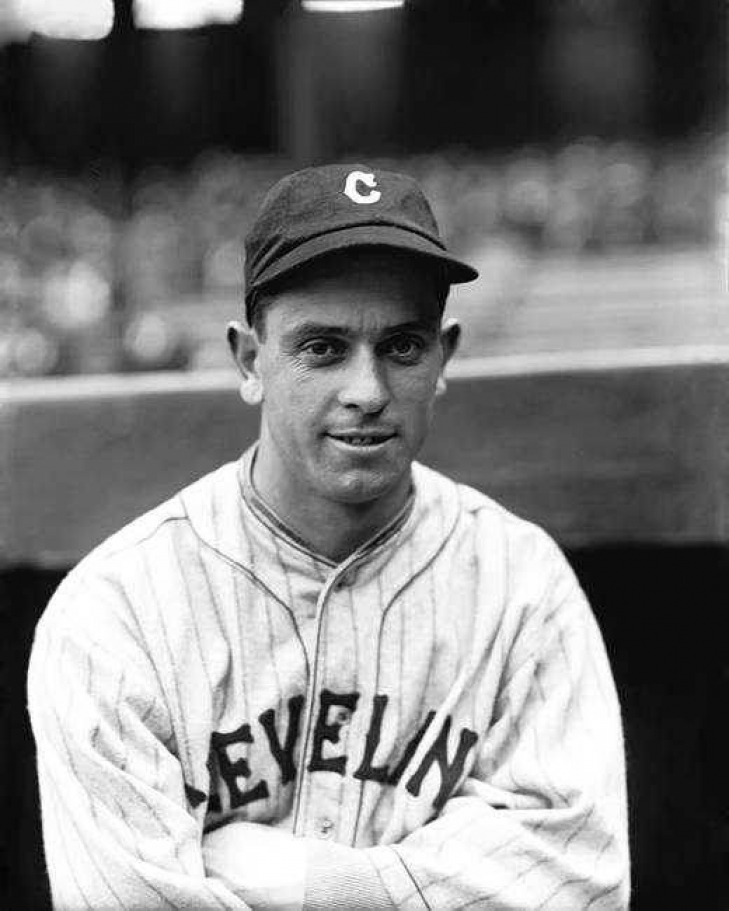
Cleveland’s decision to call up a 27-year-old rookie in 1929 might have raised eyebrows elsewhere, but Averill silenced the skeptics with his very first swing, launching a home run that signaled the arrival of a finished superstar. That debut season, a .332 average paired with 18 home runs, set the tone for a decade of relentless production. He anchored center field with a poise that suggested he had been playing at League Park for years, quickly maturing into the franchise's most potent offensive weapon.
The statistical pinnacle of his residency arrived in 1936, a season that remains a monument to pure hitting. While he had already established a baseline of excellence by batting over .300 in each of his first six years, this campaign was a true outlier. Averill terrorized American League pitching, hitting .378 and leading the league with 232 hits and 15 triples. As a six-time All-Star, he provided skills that few contemporaries could match, combining raw power with a clinical ability to find the gaps.
Traditional production remained his calling card throughout the decade, a consistency that kept the Indians in the hunt year after year. Averill surpassed the 20-home run mark five times and concluded his Cleveland tenure with 226 long balls and 1,084 RBIs. His final franchise slash line of .322/.399/.542 stands as a testament to his run-producing abilities. While a lack of defensive polish, often characterized by a high error count in the outfield, might have capped his ceiling on the all-time rankings, his bat was so vital that it rendered any fielding deficiencies a distant secondary concern.
A decade of dominance eventually came to an end in 1939, when the organization traded the aging icon to the Detroit Tigers. Averill left Cleveland as a pillar of the community, having authored a statistical resume that spoke to a year-over-year excellence few have replicated. He proved that the age on a player's birth certificate matters far less than the intensity they bring to every single plate appearance.
Recognition on the national stage finally arrived in 1975 when the Veterans Committee ushered Averill into the Baseball Hall of Fame. Cleveland responded with a gesture that cemented his legacy, retiring his number 3.