Menu
A+ A A-
Committee Chairman

Committee Chairman

Kirk Buchner, "The Committee Chairman", is the owner and operator of the site.  Kirk can be contacted at [email protected] .

47. Chuck Allen

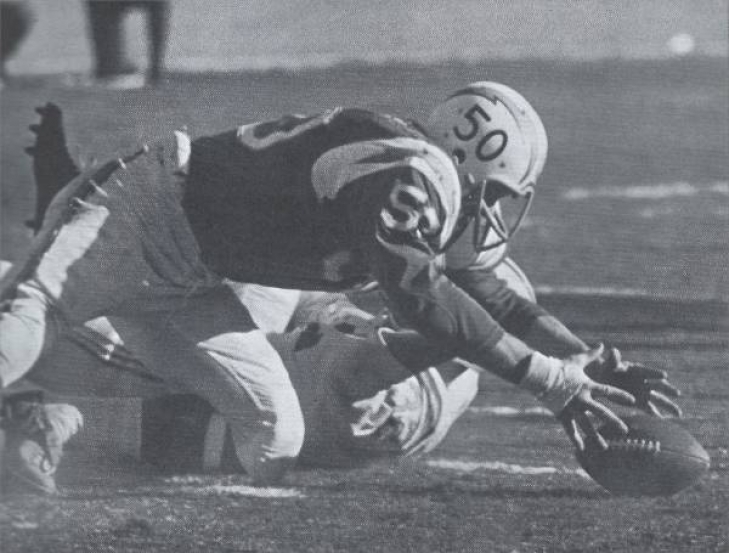
In the second year of the Chargers’ existence, Washington Linebacker, Chuck Allen was a very late Draft Pick (28thRound), so for him just to make the team was a bit of a long shot.  Allen would accomplish a lot more than that.

46. Vincent Jackson

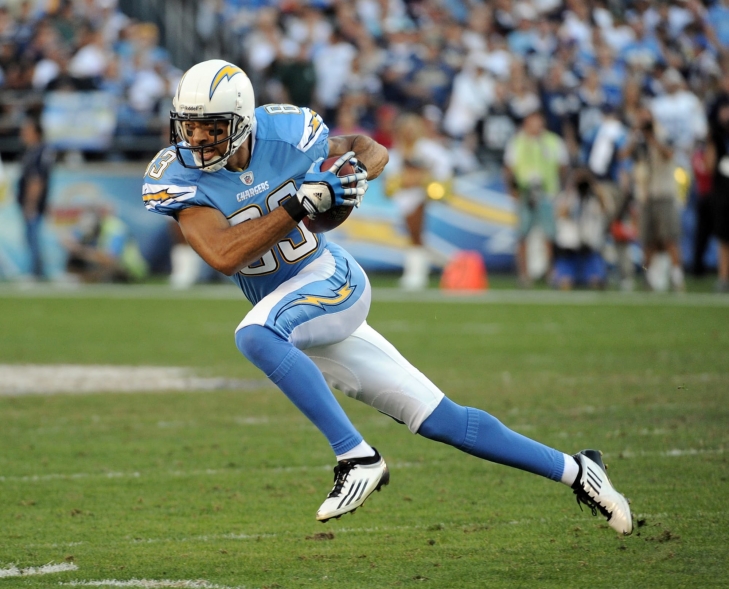
Vincent Jackson’s NFL start was slow after the Chargers took the Northern Colorado wide receiver in the second round of the 2005 draft. Injuries limited him to eight games as a rookie, and he barely saw the field, but he gradually earned more snaps and became a serious threat opposite the more established receivers on the roster. By 2008, he posted his first 1,000-yard season (1,098 yards and seven touchdowns), followed by another in 2009 (1,167 yards and nine scores), while earning his first Pro Bowl nod. He was a big, physical target who could win contested catches downfield and run intermediate routes, giving Philip Rivers a reliable option when the offense needed a vertical threat.

A contract dispute and subsequent suspension limited him to just five games in 2010, cutting short what looked like another strong year. He returned in 2011 and put up a third 1,000-yard season (1,106 yards and nine touchdowns) while earning a second Pro Bowl selection with the Chargers. The production was consistent when he was available, but the 2010 holdout left lingering frustration. After that season, he left for the Tampa Bay Buccaneers in free agency.

Across his seven years with the Chargers, he finished with 4,754 receiving yards and 37 touchdowns. He never earned a Chargers Hall of Fame induction, but the second-round pick who developed into a multi-year 1,000-yard receiver remains one of the franchise's most productive outside threats in the Rivers era.

45. Dave Kocourek

Dave Kocourek’s pro career began in 1959 with a brief stop in the CFL with the Winnipeg Blue Bombers before he landed with the Los Angeles Chargers in the AFL’s first year. He quickly became one of the more productive offensive pieces on Sid Gillman’s early teams, lining up as a flanker and later settling in at tight end. He was a reliable target who could stretch the field and also contribute as a blocker, and from 1961 through 1964 he earned AFL All-Star recognition each season. In 1961, he led the team with 55 catches for 1,055 yards, and he remained a consistent option in the passing game even as the Chargers moved to San Diego and built one of the more explosive offenses in the league.

He was part of the 1963 squad that won the AFL Championship, and he collected four Second-Team All-AFL selections across his time with the team. Kocourek’s size and receiving ability made him a difficult matchup in an era when tight ends were still evolving into more than blockers, and he held up as a starter through the Chargers’ strongest early years. 

After the 1965 season, he joined the Miami Dolphins, although his most productive years were already behind him. During his six seasons with the Chargers, he recorded approximately 3,720 receiving yards and 21 touchdowns. He later played briefly for the Raiders, earning a second championship ring, but most of his contributions came in San Diego. He was named to the AFL All-Time Second Team and is remembered as one of the early Chargers who helped establish the franchise’s offensive identity in the 1960s.

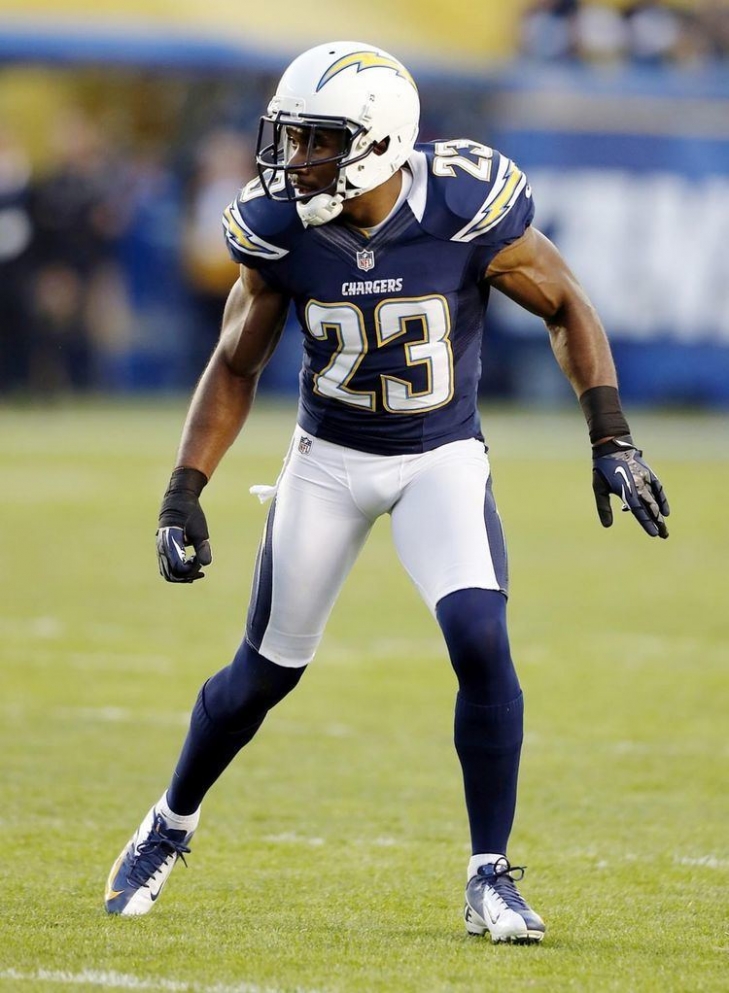
44. Quentin Jammer

When the Chargers took Quentin Jammer fifth overall out of Texas in the 2002 draft, they made him the highest-selected defensive back in the class, banking on a physical, long-armed corner who had locked down receivers in college. Other players taken later (including Ed Reed) earned bigger individual hardware, but Jammer gave San Diego a durable starter who rarely came off the field. He earned All-Rookie recognition and settled in as the starting left cornerback for most of his time with the team, using his size and physicality at the line to disrupt routes even as the rules of the era limited how much contact corners could make downfield.

He was never a pure ball-hawk—interceptions came in modest bunches rather than in bunches of six or seven—but he was consistently around the football and rarely missed games. He was particularly effective in run support and against shorter routes, where his willingness to come up and hit made him more than a pure cover corner. Quarterbacks did not always avoid him, but he held up well enough over a long stretch that the Chargers kept him as a foundational piece of the secondary through multiple coaching staffs.

After the 2012 season he left for the Denver Broncos, where he played one final year. In his 11 seasons with the Chargers, he played in 172 games, starting 161, and recorded 21 interceptions and roughly 720 combined tackles. He never earned a Pro Bowl nod, but his availability and steady production made him one of the more reliable cornerbacks the franchise had in the 2000s.

He was later named to the Chargers’ 50th-anniversary team, a nod to the fifth-overall pick who held down left corner for more than a decade and gave the defense a physical, durable presence on the outside.