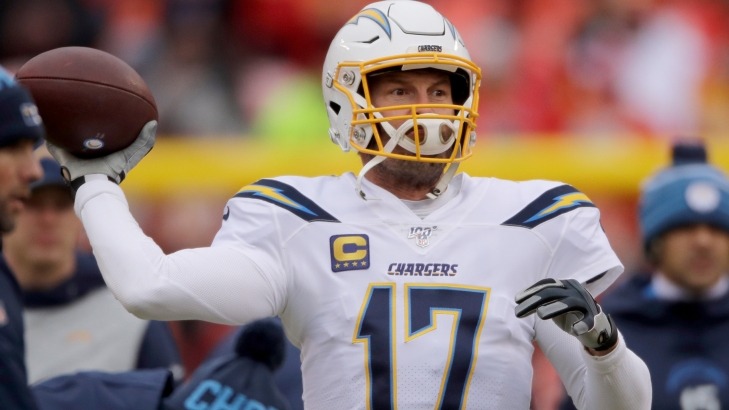
Philip Rivers was not the quarterback the San Diego Chargers originally set out to acquire. Holding the first overall pick in the 2004 NFL Draft, the franchise desperately wanted Eli Manning out of Ole Miss, but Peyton's younger brother made it clear he wouldn’t sign if the Bolts selected him. The situation ultimately became a massive win for San Diego: the front office orchestrated a draft-day trade with the New York Giants, acquiring North Carolina State's fiery star Philip Rivers—selected fourth overall—along with a draft-capital haul that helped lay the foundation for a dominant roster.
After spending his first two professional seasons learning from the sideline as Drew Brees’ backup, Rivers took over as the full-time starting quarterback in 2006 when Brees was allowed to sign with New Orleans. While Rivers may not have always commanded the same media spotlight as high-profile contemporaries like Tom Brady or Peyton Manning, he established himself as one of the league’s elite and most fiercely competitive signal-callers, proving to be a model of ironclad durability and consistent execution.
From the moment he earned the starting job in 2006 until his final season with the franchise in 2019, Rivers launched an incredible 14-year run of stability, earning eight Pro Bowl selections and topping the 4,000-yard passing mark in 11 different seasons. What made Rivers so remarkably dynamic in Southern California was his ability to lead the NFL in entirely different passing categories across different years—topping the league in touchdown passes in 2008 (34), passing yards in 2010 (4,710), and completions in 2015 (437).
When he was not leading the league outright, Rivers was virtually guaranteed to sit among the top five at his position across almost every efficiency and volume metric. Over his iconic run with the Bolts, he compiled:
- Six top-five seasons in completions
- Seven top-five seasons in passing yards
- Five top-five seasons in passing touchdowns
- Five top-five seasons in passer rating
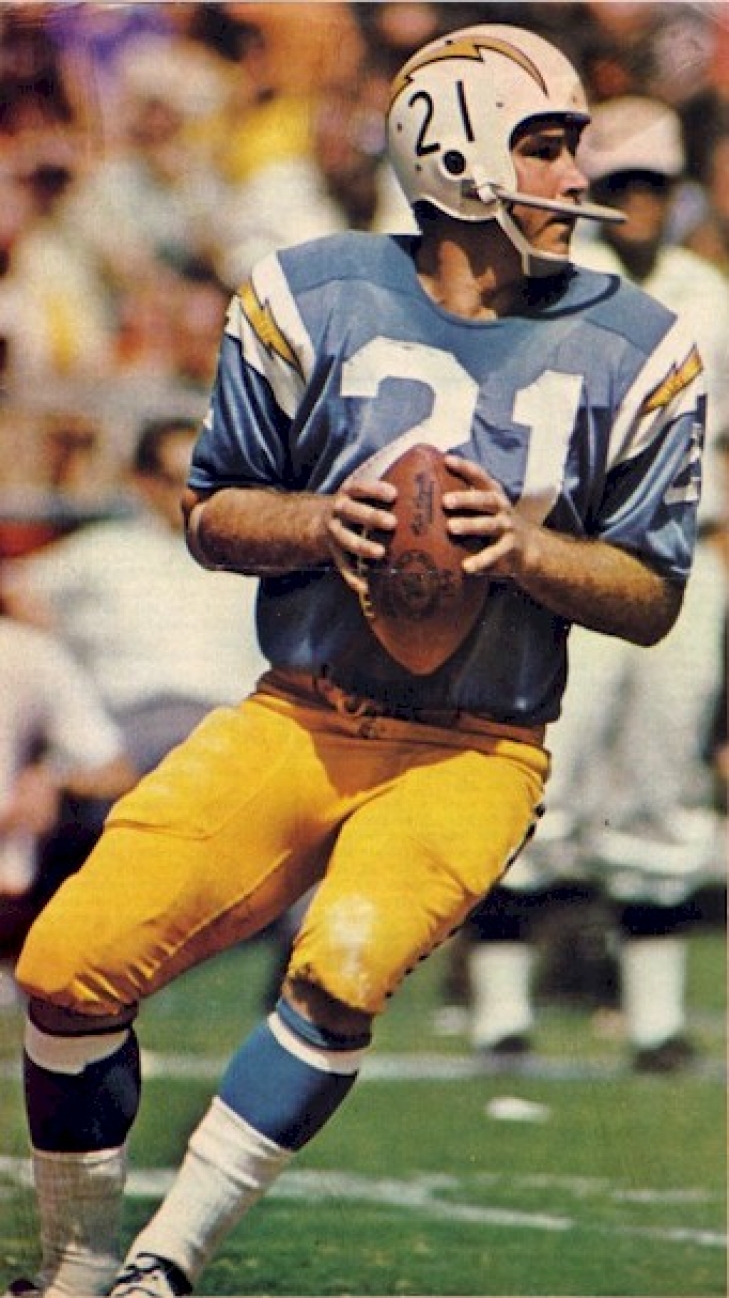
Rivers steadily surpassed every major franchise passing record previously held by Hall of Famer Dan Fouts, including career completions, passing yards, and passing touchdowns. Though he was never able to deliver that elusive Super Bowl appearance to the fan base—often falling short in heartbreaking postseason battles—the faithful in San Diego and Los Angeles always knew the position was in elite, capable hands every single Sunday.
Rivers concluded his legendary Chargers tenure following the 2019 season, leaving behind a 123–101 regular-season starting record, 59,271 passing yards, and an exceptional 397-to-198 touchdown-to-interception ratio. While Dan Fouts holds a slightly higher legendary status in team history on many lists, the case for Rivers as the greatest quarterback in franchise history is undeniable—and one that was nearly made right here!
With the Bolts, Rivers had a 64.4% completion percentage, 59,271 passing yards, 397 passing touchdowns, and 198 interceptions.