Expansion. Expansion. Expansion.
Over recent years, we have expanded our list of those to consider for the Rock and Roll Hall of Fame from 100 to 250, and now it is 500 plus.
We did the same to those to consider for the WWE Hall, as it began it at 100 and it is now at 400.
Last year, we expanded the hockey list to 300. Now, we are ready to that for our baseball list.
The new entries are:
#80. Tommy Bond. Bond was a sidearm pitcher in the 1800s, who is second all-time in BB/9 and SO/BB. He won 234 Games.
#90. Babe Adams. Adams won two World Series Championships with Pittsburgh, and the control pitcher had a career record of 194-139.
#93. Mickey Lolich. Lolich led Detroit to a World Series Championship in 1968, winning the World Series MVP. He was a three-time All-Star who won 217 Games.
#97. Harry Stovey. Stovey won two Slugging Titles in the 1880s, and was also a five-time leader in Home Runs. He had 509 Stolen Bases.
#100. Dwight Gooden. Gooden was the 1984 National League Rookie of the Year in 1984, and he won that league’s MVP in 1985. A World Series Champion with the Mets in 1986, he had 2,293 career Strikeouts.
#101. Bobby Matthews. Matthews was one of the more successful Pitchers in the 1800s, and he won 297 Games.
#104. Johnny Sain. Sain was a very popular Pitcher in Boston, where he was a three-time All-Star as a Brave and was named The Sporting News National League Pitcher of the Year in 1948.
#107. Mel Harder. Harder played his entire career with Cleveland and was a four-time All-Star. The hurler won 223 Games over his career.
#110. Fred Lynn. Lynn made history by winning the AL Rookie of the Year and MVP in the same season (1975). He was a nine-time All-Star.
#118. Bobo Newsom. Newsom was a beloved character who won 211 Games and was a three-time All-Star. He also had 2,082 Strikeouts, and a World Series Ring with the Yankees.
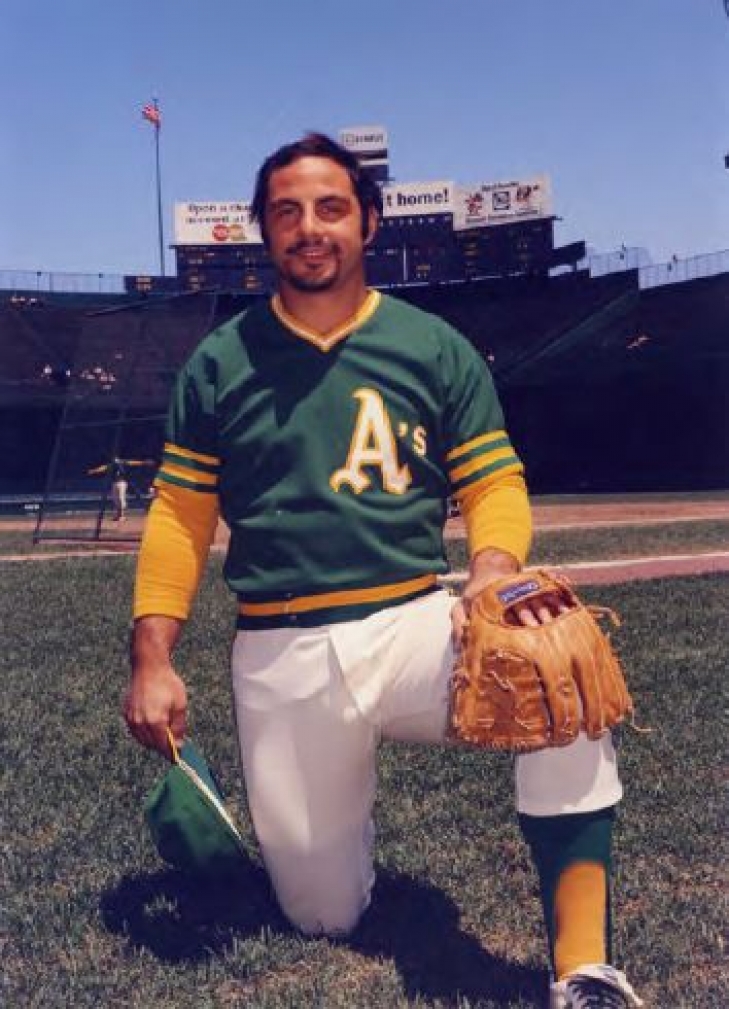
#119. Sal Bando. Bando was the runner-up for the 1971 AL MVP and a member of the three straight World Series Championship Oakland A’s of the 1970s. He was also a four-time All-Star.
#120. John Olerud. Olerud was a two-time All-Star, and a two-time World Series winner with Toronto. He won the AL Batting Title in 1993.
#121. Bob Johnson. Johnson was a seven-time All-Star who played most of his career with the Philadelphia Athletics. He twice led the NL in Power/Speed #.
#122. Buddy Bell. Bell was a five-time All-Star who split his peak career with Cleveland and Texas. He was a six-time Gold Glove winner.
#123. Vida Blue. Blue was the American League MVP and Cy Young winner in 1971, and was part of their three consecutive World Series wins from 1972 to 1974. He won 209 Games with 2,175 Strikeouts.
#124. Tommy Bridges. Bridges was a six-time All-Star and two-time World Series winning Pitcher who played his entire career with Detroit.
#125. Eddie Cicotte. Cicotte won the World Series with the Chicago White Sox in 1917, was part of the “Black Sox” scandal of 1919. Cicotte was the team’s ace.
#126. George Foster. Foster was a two-time World Series winner with Cincinnati who won the 1977 NL MVP. He belted 348 Home Runs.
#127. Mickey Vernon. Vernon was a seven-time All-Star who led the AL in Doubles three times and won two Batting Titles.
#128. Nomar Garciaparra. Garciaparra was at one time one of the most popular players in Baseball, and he was a six-time All-Star, five of which as a Red Sox.
#129. Jack Glasscock. Glasscock was one of the best defensive players in the 1880s, and he led his league in Defensive bWAR three times.
#130. Bert Campaneris. Campaneris was one of the most versatile players in baseball history and was a six-time All-Star and six-time leader in Stolen Bases. He also helped Oakland win three World Series Championships.
#131. Dolph Camilli. Camilli won the 1941 National League MVP and was a two-time All-Star as a Brooklyn Dodger.
#132. Don Newcombe. Newcombe was the 1949 Rookie of the Year, and the longtime Dodger won the NL MVP and Cy Young in 1956, which was the same year he led Brooklyn to a World Series win. He was a four-time All-Star.
#133. Jack Quinn. Quinn, who played until 50, won two World Series Championships with the Philadelphia Athletics and won 247 Games over his long career.
#134. Cliff Lee. Lee was a four-time All-Star who won the AL Cy Young in 2008 when he played for Cleveland.
#135. Vern Stephens. Stephens was an eight-time All-Star who won the AL Home Run Title in 1946. He finished in the top ten in MVP voting six times.
#136. Dutch Leonard. Leonard was best known for his time with the Washington Senators who went to five All-Star Games and won 191 Games.
#137. Jim Whitney. Whitney led the NL in Wins in 1881 and is in the top twenty all-time in BB/9 and SO/BB.
#138. Al Dark. Dark was a three-time All-Star Infielder who won a World Series Championship with the New York Giants in 1954.
#139. Fernando Valenzuela. Valenzuela won the Cy Young as a rookie in 1981, and he was a World Series Champion that year. The six-time All-Star had over 2,000 Strikeouts.
#140. Wilbur Wood. Wood was a three-time All-Star who The Sporting News named the American League Pitcher of the Year in 1972.
#141. Dolf Luque. Luque won 194 Games in a career that was spent mostly with Cincinnati, a team he won two World Series Rings with.
#142. Sam McDowell. McDowell was named the AL Pitcher of the Year by the Sporting News when he was with Cleveland. The six-time All-Star is in the top twenty-five all-time in H/9 and SO/9.
#143. Phil Cavarretta. Cavarretta played most of his career with the Cubs where the four-time All-Star won the NL MVP in 1945.
#144. Jorge Posada. Posada was a Yankee for his entire career where he won Four World Series Rings, five Silver Sluggers and was a five-time All-Star.
#145. Charlie Keller. Keller played most of his career with the Yankees, and was a five-time All-Star and three-time World Series Champion.
#146. Paul Derringer. Derringer went to six All-Star Games and was a World Series winner for both St. Louis and Cincinnati. The Pitcher accumulated 223 Wins over his career.
#147. Jack Clark. Clark was a four-time All-Star who won two Silver Sluggers.
#148. Firpo Marberry. Marberry led the AL twice in WHIP and in Saves seven times. He helped Washington win the World Series in 1924.
#149. Willie Davis. Davis was twice an All-Star who won two World Series Titles with the Dodgers. He also won three Gold Gloves and had 2,561 Hits.
#150. Ron Cey. Cey twice led the NL in Triples and was a two-time All-Star. He won the World Series in 1981, and was the MVP of the Series.
#151. Silver King. King won 203 Games and twice led his league in bWAR for Pitchers.
#152. Elston Howard. Howard won the AL MVP in 1963, was a six-time All-Star and was a four-time World Series Champion with the Yankees.
#153. Rocky Colavito. Colavito was a six-time All-Star who won the AL Home Run Title in 1959. He is one of the most popular players in Cleveland history and had 374 career Home Runs.
#154. Ted Kluszewski. Kluszewski led the NL in Home Runs and RBIs in 1954 and was a four-time All-Star.
#155. Smokey Joe Wood. Wood won three World Series Championships (two with Boston and one with Cleveland) and is in the all-time top ten in ERA and FIP.
#156. Curt Flood. Flood is best known for challenging the reserve clause in Baseball, which led to Free Agency in the sport. He won two World Series Rings with St. Louis and was a seven-time Gold Glove winner and three-time All-Star Game participant.
#157. David Wells. Wells was a three-time All-Star who helped the Yankees won the 1998 World Series. He led the AL in BB/9 four times and compiled 2,201 Strikeouts.
#158. Tommy Henrich. Henrich was a five-time All-Star who played his entire career with the New York Yankees. With New York, Henrich won five World Series Titles and led the AL in Triples twice.
#159. Lon Warneke. Warneke was a five-time All-Star who led the NL in ERA in 1932. He was the runner-up for the MVP that year.
#160. Pete Browning. Browning won three Batting Titles (AA twice and PL once) and was one of the best contact hitters of the 1880s. He has a lifetime Batting Average of .341.
#161. Matt Williams. Williams went to five All-Star Games, and won four Silver Sluggers and four Gold Gloves. The Infielder and long-time San Francisco Giant would win a World Series late in his career with Arizona.
#162. Camilo Pascual. Pascual was a five-time All-Star who twice led the AL in bWAR for Pitchers.
#163. Hippo Vaughn. Vaughn won 178 Games in the Majors and he led the NL in bWAR for Pitchers in 1918.
#164. Jose Canseco. Canseco won the AL MVP in 1988 and was a six-time All-Star and four-time Silver Slugger. The two-time Home Run leader had 462 career Home Runs.
#165. Robin Ventura. Ventura was an All-Star twice and a six-time Gold Glove winner. He led the AL in Defensive bWAR in 1998, and is in the all-time top twenty in Total Zone Runs.
#166. Kevin Appier. Appier was best known for his time in Kansas City but the one-time All-Star won a World Series Ring with Anaheim. He won 169 Games with 1,994 Strikeouts.
#167. Lew Burdette. Burdette won 203 Games, was a two-time All-Star and was the World Series MVP when his Milwaukee Braves won the World Series in 1957.
#168. Cesar Cedeno. Cedeno played most of his career with Houston where he was four-time All-Star and five-time Gold Glove winner. He stole 550 Bases.
#169. Dizzy Trout. Trout won 170 Games and was a World Series Champion with Detroit in 1945. He was a two-time All-Star and led the AL in bWAR for Pitchers in 1944.
#170. Bobby Veach. Veach played most of his career with Detroit and had a lifetime Batting Average of .310 with 2,063 Hits.
#171. Gene Tenace. Tenace was a one-time All-Star Catcher who won four World Series Rings, three with Oakland and one with St. Louis. He was the World Series MVP in Oakland’s 1972 Championship.
#172. Rudy York. York was an All-Star seven times who won the AL Home Run Title in 1943. He helped Detroit win the World Series in 1945.
#173. Eddie Rommell. Rommell won 171 Games and led the AL in Wins twice. He played his entire career with the Philadelphia Athletics, where he won the 1929 World Series.
#174. Dennis Martinez. Martinez was a four-time All-Star who won 245 Games with 2,149 Strikeouts.
#175. George Uhle. Uhle won 200 Games and won the World Series with Cleveland in 1920.
#176. Frank McCormick. McCormick won the NL MVP in 1940 in the same year he led the Reds to a World Series win. He went to nine All-Star Games.
#177. Claude Passeau. Passeau went to five All-Star Games and led the NL in bWAR for Pitchers in 1940.
#178. Jimmy Key. Key was a two-time World Series winner (one with Toronto and one with New York (AL)) who had 186 Wins.
#179. Nap Rucker. Rucker only won 134 Games, but led the NL twice in bWAR for Pitchers in a career spent completely in Brooklyn.
#180. Schoolboy Rowe. Rowe was a three-time All-Star who won a World Series Ring with Detroit in 1935. He won 158 Games.
#181. Mark Grace. Grace had 2,445 Hits, a .309 Batting Average and was a three-time All-Star, and won four Gold Gloves. Playing most of his career with the Cubs, he won a World Series late in his career with Arizona.
#182. Buddy Myer. Myer batted .303 with 2,131 Hits and won the AL Batting Title in 1935. He was also a two-time All-Star.
#183. Harry Davis. Davis won four Home Run Titles in the deadball era and he helped the Philadelphia Athletics win three World Series Titles. He is also a three-time AL leader in Doubles.
#184. Frank Viola. Viola led Minnesota to a World Series win in 1987, and was the AL Cy Young winner the next season. He won 176 Games over his career.
#185. Cy Williams. Williams was a four-time NL leader in Home Runs, three of which, when he was with the Philadelphia Phillies in the 1920s.
#186. Jose Cruz. Cruz was with Houston for most of his career, and was a two-time All-Star with 2,251 Hits.
#187. Bill Nicholson. Nicholson was a five-time All-Star who won two NL Home Run Titles in the 1940s.
#188. Willie Wilson. Wilson played most of his career with Kansas City where he was a World Series Champion and two-time All-Star. He was also won two Silver Sluggers, one Gold Glove and had 668 Stolen Bases.
#189. Mark Langston. Langston was an All-Star four times and threw for 2,464 Strikeouts.
#190. Noodles Hahn. Hahn led the NL in Strikeouts in his first three years and won at least 20 Games five times.
#191. Jim Fregosi. Fregosi was one of the first stars in Angels history and was an All-Star six times.
#192. Darryl Strawberry. Strawberry won four World Series Rings (one with the Mets and three with the Yankees), and the slugger was a two-time Silver Slugger and NL Home Run leader in 1988. He had 335 Home Runs.
#193. Brett Butler. Butler amassed 2,357 Hits, 558 Stolen Bases, and was an All-Star in 1991.
#194. Jack Powell. Powell was a workhorse in the 1900s, who may have had a losing record (245-255), but had a 2.97 lifetime ERA.
#195. Steve Rogers. Rogers was a five-time All-Star who led the NL in bWAR for Pitchers in 1982. He won 158 Games.
#196. Chuck Knoblauch. Knoblauch was a four-time All-Star, who was part of one World Series win in Minnesota and three with the New York Yankees. He is also a former AL Rookie of the Year.
#197. Joe Judge. Judge was the heart of the Washington Senators team that win the 1924 World Series.
#198. Jimmy Sheckard. Sheckard helped the Cubs win two World Series Championships (1907 & 1908), and had 2,084 Hits over his career.
#199. Mort Cooper. Cooper was a four-time All-Star who aided St. Louis to two World Series wins in the 1940s. He had a career record of 128-75.
#200. Torii Hunter. Hunter was a five-time All-Star with two Silver Sluggers and nine Gold Gloves. He had 353 Home Runs.
#201. Dixie Walker. Walker was a five-time All-Star and led the NL in RBIs in 1945, and won the Batting Title in 1944. He had 2,064 Hits with a lifetime Batting Average of .306.
#202. Chet Lemon. Lemon was a three-time All-Star who was part of Detroit’s 1984 World Series winning team.
#203. Gavvy Cravath. Gravath was a six-time Home Run champion in the 1910s, and while it was only 119 Home Runs, it was impressive for the time.
#204. Bob Shawkey. Shawkey won 195 Games, most of which with the New York Yankees. He helped New York win two World Series Championships.
#205. Herman Long. Long played mostly in the 1890s, accumulating 2,128 Hits with 537 Stolen Bases.
#206. Toby Harrah. Harrah was a four-time All-Star with 1,956 career Hits.
#207. Kenny Rogers. Rogers was a four-time All-Star who won a World Series with the Yankees in 1996. He also won 219 Games and five Gold Gloves.
#208. Bill Madlock. Madlock won four Batting Titles, was a three-time All-Star and won a World Series with Pittsburgh in 1979. He has 2,008 Hits with a Batting Average in .305.
#209. Charlie Root. Root played most of his career with the Cubs, and won 201 Games.
#210. Bobby Shantz. Shantz won the AL MVP and The Sporting News Pitcher of the Year in 1952. Winning 119 Games, Shantz was also a three-time All-Star and eight-time Gold Glove winner.
#211. Andres Galarraga. Galarraga was a five-time All-star, two-time Silver, two-time Gold Glove winner who won the NL Batting Title in 1993. He had 2,333 Hits and 399 Home Runs.
#212. Jack Fournier. Fournier won the NL Home Run Title in 1924 and had 1,631 Hits with a career Batting Average of .313.
#213. Wally Schang. Schang had 1,506 Hits and the Catcher was part of four World Series Championships, two with the Philadelphia Athletics and two with the Boston Red Sox.
#214. Harry Breechen. Breechen was a two-time All-Star and two-time World Series winner with the Cardinals in the 1940s. He won 132 Games.
#215. Jake Daubert. Daubert won the NL MVP in 1913 when he played in for Brooklyn, and six years later he was a World Series winner with Cincinnati. He had 2,336 Hits with a .303 Batting Average.
#216. Theodore Breitenstein. Breitenstein was one of the top Pitchers of the 1890s. mostly with St. Louis.
#217. Doc White. White played most of his career with the Chicago White Sox, and he overall won 189 Games.
#218. Jack Stivetts. Stivetts won 203 Games in a career that was spent mostly in the 1890s, though his best season was in 1889 with the St. Louis Browns.
#219. Eddie Stanky. Stanky was a three-time All-Star at infield who was a two-time leader in the NL in On Base Percentage. The longtime Dodger had a lifetime OBP of .410.
#220. Virgil Trucks. Trucks was a two-time All-Star who won a World Series with Detroit in 1945. He won 177 Games with 1,534 Strikeouts.
#221. Tony Fernandez. Fernandez was a five-time All-Star and four-time Gold Glove winner, and the Shortstop had 2,276 Hits.
#222. Andy Messersmith. Messersmith was a four-time All-Star who won 130 Games with 1,625 Strikeouts and an ERA of 2.86.
#223. Cecil Cooper. Cooper went to five All-Star Games, and was a three-time Silver Slugger and two-time Gold Glove winner. He would accumulate 2,192 Hits and 241 Home Runs.
#224. Dom DiMaggio. DiMaggio played his entire career with the Red Sox where he was a seven-time All-Star.
#225. Brian Giles. Giles had 1,897 Hits, 297 Home Runs, and was an All-Star twice.
#226. Bob Friend. Friend was a three-time All-Star with a World Series Championship in 1961 with Pittsburgh.
#227. Jesse Tannehill. Tannehill recorded 197 Wins in a career mostly in the 1900s.
#228. Tony Phillips. Phillips had 2,023 Hits and was a World Series winner with Oakland in 1989. He led the AL in Walks twice.
#229. Wally Berger. Berger was a four-time All-Star who batted .300 with 242 Home Runs.
#230. Ellis Burks. Burks was a two-time All-Star who also won two Silver Sluggers and a Gold Glove. He had 2,107 Hits with 352 Home Runs.
#231. George Gore. Gore won the NL Batting Title in 1880 and won two World Series Titles in the late 1880s with the Giants.
#232. Sparky Lyle. Lyle was a three-time All-Star who won the AL Cy Young in 1977. That year, he was the closer for the Yankees who won the World Series and did so the season after. He had 238 Saves.
#233. Harvey Haddix. Haddix was a three-time All-Star who aided Pittsburgh in their 1961 World Series win. He won 136 Games with 1,575 Strikeouts.
#234 Pedro Guerrero. Guerrero was a five-time All-Star who also won a Silver Slugger in 1982. The year before, he was the World Series MVP in the Dodgers 1981 World Series win.
#235 Javier Vazquez. Vazquez was a one-time All-Star who won 165 Games with 2,536 Strikeouts.
#236. Davey Lopes. Lopes was a four-time All-Star who led the NL in Stolen Bases. He also won one Gold Glove and had 155 Home Runs and 557 Stolen Bases.
#237. Gil McDougald. McDougald was the 1951 AL Rookie of the Year, and was a five-time All-Star. Spending his entire career with the Yankees, he won five World Series Rings.
#238. Hank Gowdy. Gowdy was a World Series Champion with the Boston Braves in 1914, and was in the top ten in Defensive bWAR five times.
#239. Ken Williams. Williams was the AL Home Run leader in 1922, and is still in the top 100 all-time in Batting Average, On Base Percentage and Slugging Percentage.
#240. George Mullin. Mullin led the AL in Wins in 1909, and overall would record 228 Wins.
#241. Bill White. White went to five All-Star Games, and was a seven-time Gold Glove winner. He helped St. Louis win the 1964 World Series.
#242. Del Pratt. Pratt led the AL in Power-Speed # twice and Defensive bWAR once. He had 1,996 career Hits.
#243. Brad Radke. Radke was an All-Star once with 148 career Wins.
#244. Hardy Richardson. Richardson was a World Series Champion in 1887 with the Detroit Wolverines and had 1,688 Hits with a lifetime Batting Average of .299.
#245. Jim Perry. Perry won the AL Cy Young in 1971, and was a three-time All-Star. He won 215 Games with 1,575 Strikeouts.
#246. Bill Hutchinson. Hutchinson was a three-time leader in Wins in the 1890s and had 182 Wins in total.
#247. Devon White. White won seven Gold Gloves, was a three-time All-Star and won three World Series, two with Toronto and one with Florida.
#248. Ed Konetchy. Konetchy led the NL in Doubles in 1911, and had 2,150 Hits.
#249. Deacon Phillippe. Phillippe won the World Series in 1909 with Pittsburgh, and he led the NL in WHIP in 1903. He had 189 Wins with a 2.59 ERA.
#250. Lave Cross. Cross was known for his defensive versatility, but did amass 1,378 RBIs.
#251. Willie McGee. McGee was the NL MVP in 1985, and was a two-time Batting Champion. He won one Silver Slugger, three Gold Gloves and was a four-time All-Star who won a World Series with St. Louis in 1982.
#252. Magglio Ordonez. Ordonez was a six-time All-Star, three-time Silver Slugger and won the AL Batting Title in 2007.
#253. Babe Herman. Herman led the NL in Triples in 1932 and has a lifetime Slash Line of .324/.383/.532.
#254. Al Rosen. Rosen was the AL MVP in 1953, and was a four-time All-Star in a career spent entirely with Cleveland.
#255. Larry Gardner. Gardner won four World Series over his career, three with Boston and one with Cleveland, and collected 1,931 Hits.
#256. Roger Peckinpaugh. Peckinpaugh was the AL MVP in 1925, the year after he helped Washington win the World Series.
#257. Guy Hecker. Hecker was a rare dual threat who led the AA in ERA in 1884 and the AA Batting Title in 1886. He won 175 Games.
#258. George Scott. Scott went to three All-Star Games, won eight Gold Gloves and won the AL Home Run Title in 1975.
#259. Al Orth. Orth won 204 Games and led the AL in bWAR for Pitchers in 1909.
#260. Dick Groat. Groat was the NL MVP in 1960 and was a five-time All-Star. He won two World Series, one with Pittsburgh and one with St. Louis and had 2,138 Hits.
#261. Paul O’Neill. O’Neill was a five-time All-Star who won the AL Batting Title in 1994. He won five World Series Titles, one with Cincinnati and four with the Yankees.
#262. Mark Belanger. Belanger won eight Gold Gloves, led the AL in Defensive bWAR six times and Total Zone Runs three times. He was an All-Star once and won the World Series with Baltimore in 1970.
#263. Chris Carpenter. Carpenter was a three-time All-Star and won the NL Cy Young in 2005. He won 144 Games and two World Series Rings with St. Louis.
#264. Ed Morris. Morris won 171 Games, and in 1885, he led the AA in bWAR for Pitchers.
#265. Art Fletcher. Fletcher led the NL in Defensive bWAR three years in a row (1917-19) and is 12th all-time in that category.
#266. Bob Welch. Welch won the AL Cy Young in 1990 and was a two-time All-Star. He won 211 Games, with 1,969 Strikeouts, and he won two World Series Rings, one with Los Angeles and one with Oakland.
#267. Mike Tiernan. Tiernan won two World Series Titles with the New York Giants (1888 & 1889), and led the NL in OPS twice. He had 428 career Stolen Bases with a .311 Batting Average.
#268. David Justice. Justice was a three-time All-Star and two-time Silver Slugger who won a World Series with Atlanta and another with the Yankees.
#269. Larry French. French was only an All-Star once but won 197 Games.
#270. Jimmy Ryan. Ryan led the NL in Slugging Percentage in 1888 and had 2,513 Hits with a Batting Average of .308.
#271. Darrell Porter. Porter was a four-time All-Star at Catcher and was the World Series MVP in St. Louis’s 1982 World Series win.
#272. Jose Rijo. Rijo led the NL in Strikeouts in 1993, and was the World Series MVP in 1990 when the Reds won the World Series.
#273. Will White. White won 229 Games and would finish first in that category twice in the AA in the early 1880s. His 2.09 lifetime ERA is among the top twenty all-time.
#274. Jon Matlack. Matlack was the 1973 NL Rookie of the Year and was a three-time All-Star Pitcher.
#275. Ken Singleton. Singleton was a three-time All-Star who won a World Series late in his career with Baltimore in 1983. He was the runner-up for the AL MVP in 1979.
#276. Mike Garcia. Garcia was a three-time All-Star who won 142 Games.
#277. Lefty O’Doul. O’Doul was a two-time Batting Champion who won a World Series with the Giants in 1933.
#278. Lenny Dykstra. Dykstra was a three-time All-Star, who also won a Silver Slugger in 1993. He won a World Series Championship with the Mets in 1986.
#279. Jim Sundberg. Sundberg was a three-time All-Star, six-time Gold Glove winner, and a World Series Champion with Kansas City. He is in the top twenty all-time in Defensive bWAR.
#280. Brian Downing. Downing was an All-Star once and had 2,089 Hits and 275 Home Runs.
#281. Gary Gaetti. Gaetti was a two-time All-Star, who also won one Silver Slugger and four Gold Gloves. He would help Minnesota win the 1987 World Series.
#282. Mel Stottlemyre. Stottlemyre was a five-time All-Star and the Pitcher was a 20-Game winner three times.
#283. Curt Simmons. Simmons pitched his way to three All-Star Games, and was a World Series Champion for St. Louis in 1964.
#284. Placido Polanco. Polanco was twice an All-Star, and was also a one-time Silver Slugger and three-time Gold Glove recipient. He had 2,142 Hits with a Batting Average of .297.
#285. Sadie McMahon. McMahon led the AA in Wins twice in the early 1890s and he had 173 career Wins.
#286. Milt Pappas. Pappas was a two-time All-Star who won 209 Games.
#287. Moises Alou. Alou was a six-time All-Star with two Silver Sluggers. Alou won the World Series with Florida in 1997 and had 2,134 Hits with 332 Home Runs and a .303 Batting Average.
#288. Roy White. White was an All-Star twice who helped the Yankees win two World Series Titles in the 1970s. He finished in the top ten in Power-Speed # seven times.
#289. Lindy McDaniel. McDaniel was a three-time NL leader in Saves and two-time leader in Win Probability Added. He had 174 Saves.
#290. Gus Weyhing. Weyhing won 264 Games with 1,667 Strikeouts in a career spent mostly in the 1890s.
#291. Frank White. White played all of his career with Kansas City where he was a five-time All-Star, one-time Silver Slugger, eight-time Gold Glove winner and World Series Champion in 1985. White had 2,006 career Hits.
#292. Amos Otis. Otis played most of his career with the Royals and was a five-time All-Star and three-time Gold Glove winner. He also led the AL in Doubles twice, Stolen Bases once, and had 2,020 Hits.
#293. Preacher Roe. Roe was a five-time All-Star who was the NL 1951 TSN Pitcher of the Year. He won 127 Games.
#294. Fred Tenney. Tenney had 2,231 Hits with a Batting Average of .294. He played mostly for the Boston Braves in the 1890s and 1900s.
#295. Steve Finley. Finley was a two-time All-Star who won a World Series with Arizona. He had 304 Home Runs.
#296. John Franco. Franco was a four-time All-Star and a three-time NL leader in Saves. He recorded 424 Saves over his career.
#297. Dan Haren. Haren was a three-time All-Star who won 153 Games.
#298. Augie Galan. Galan was a three-time All-Star and was twice the NL leader in Stolen Bases. He had 1,706 Hits.
#299. Red Lucas. Lucas won 157 Games, collected 404 Hits and led the NL in WHIP in 1929.
#300. Jim Gilliam. Gilliam was a two-time All-Star who won four World Series Titles with the Dodgers. He was also the 1953 NL Rookie of the Year.
You know what we want you to do!
Take a look at the new entries and cast your votes and offer your opinions.
As always, we thank you for your support.