

- Published in Top 50 Houston Astros
50. Bob Knepper
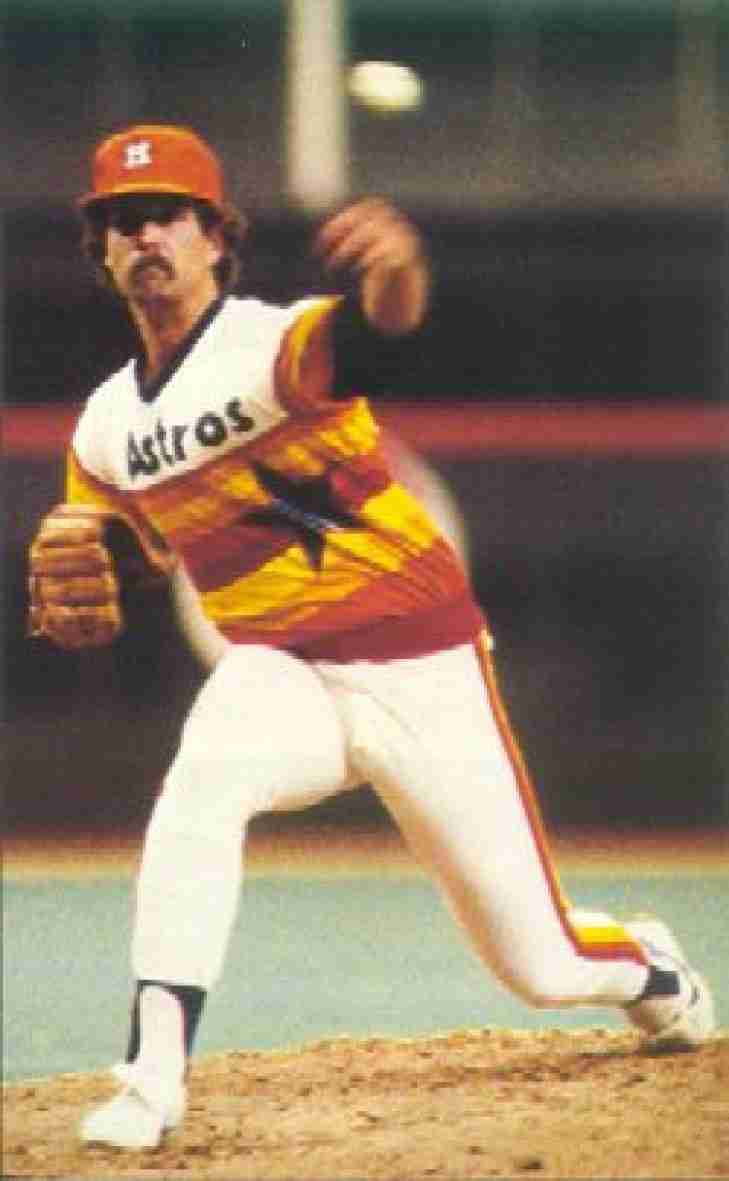
Bob Knepper arrived in the Houston organization via a trade with the San Francisco Giants in late 1980, a left-hander whose high-ceiling talent had once saddled him with some of the heaviest expectations in the sport. While Knepper did not match those expectations, his nine-year run as an Astro was solid.
During the 1981 strike-shortened season, he finally flashed the potential that once earned him those lofty Koufax comparisons. That summer, he demonstrated a specialized ability to suppress runs, leading the National League with a 1.060 WHIP and recording a career-best 2.18 ERA. He showed the organization he was a foundational professional by earning the 1981 NL Comeback Player of the Year award and helping the staff to an NLDS appearance.
Between 1982 and 1985, Knepper made at least 30 starts in three of those four seasons, highlighted by a 15-win campaign in 1984, where he logged 224 innings. The 1986 campaign represented the peak of individual recognition and postseason drama for Knepper. That summer, he recorded 17 wins and tied for the National League lead with five shutouts, earning a spot on the All-Star team. He showed the organization he was a foundational winner by tossing a gem in Game 3 of the 1986 NLCS, though he is equally remembered for the high-leverage heartbreak of Game 6 against the Mets.
Knepper’s skills eroded after 1986, and he was released midway through the 1989 season. With Houston, Knepper had a 93-100 record, 946 strikeouts, and 31 complete games.