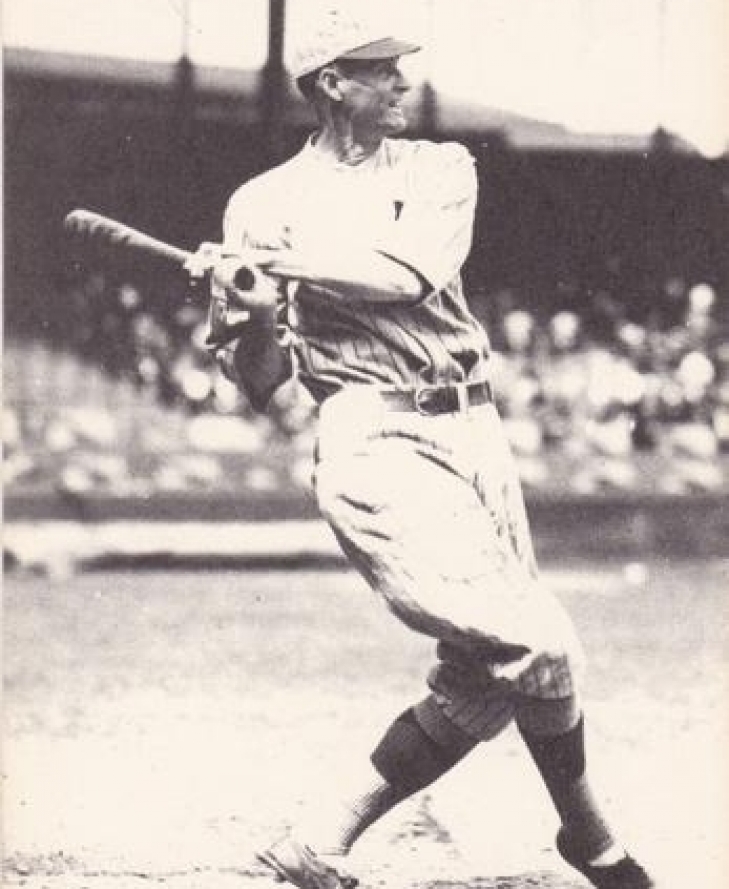
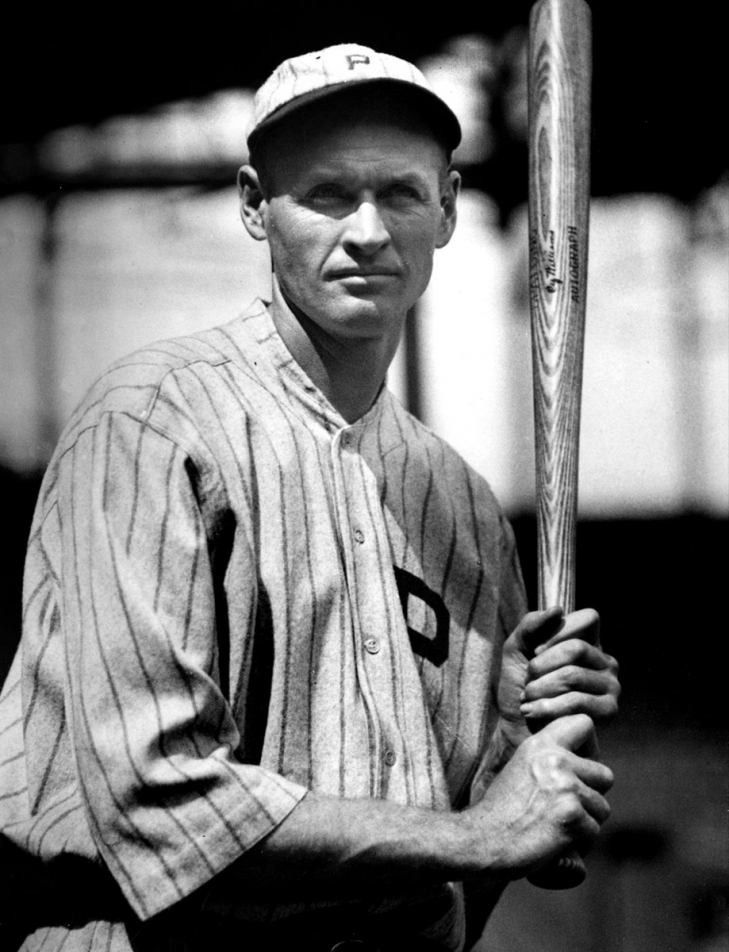
Within the extensive archives of baseball trades, some exchanges become increasingly imbalanced with each winter. Before the 1918 season, the Chicago Cubs executed a veteran trade, sending 30-year-old outfielder Fred "Cy" Williams to the Philadelphia Phillies in return for Dode Paskert. Paskert immediately experienced a sharp decline in performance at age 36 in Chicago, while Williams was only beginning to enter the most important phases of his career. He had already demonstrated his ability to excel during the dead-ball era, winning a National League home run title with 12 homers in 1916. Moving to the hitter-friendly Baker Bowl helped the left-handed batter develop his skills further and lay the foundation for his future success.
The offensive evolution didn’t happen overnight. As the sport shifted its tactical focus to the longball in the early 1920s, Williams adapted his approach to fit the new pace. During the 1920 season, he earned his second career home run title by hitting 15 home runs.
Most importantly, that summer was his first time batting over .300 in an individual season. This achievement was not a one-time feat; Williams surpassed that elite contact-hitting mark five more times while playing for Philadelphia, disproving the idea that he was only a power hitter.
As his physical prime aligned with the live-ball era, Williams posted impressive modern power stats. He earned two more senior circuit home run titles, hitting a league-high 41 home runs in 1923 and adding 30 in 1927 to secure his fourth career crown. Between 1922 and 1926, he became a consistent force of extra-base hits, recording five straight summers with a slugging percentage well above .500.
When he ultimately left the diamond after the 1930 schedule, he held the esteemed title of the National League's all-time career home run leader. This achievement, a significant milestone in baseball history, cemented his status as an elite pioneer of the modern power game, even though it was eventually surpassed by future players.
He accumulated 1,553 hits, 280 doubles, 217 home runs, and a superb .306 career batting average as a Phillie, and the club enshrined Williams into their Baseball Wall of Fame in 1985.