Menu
A+ A A-

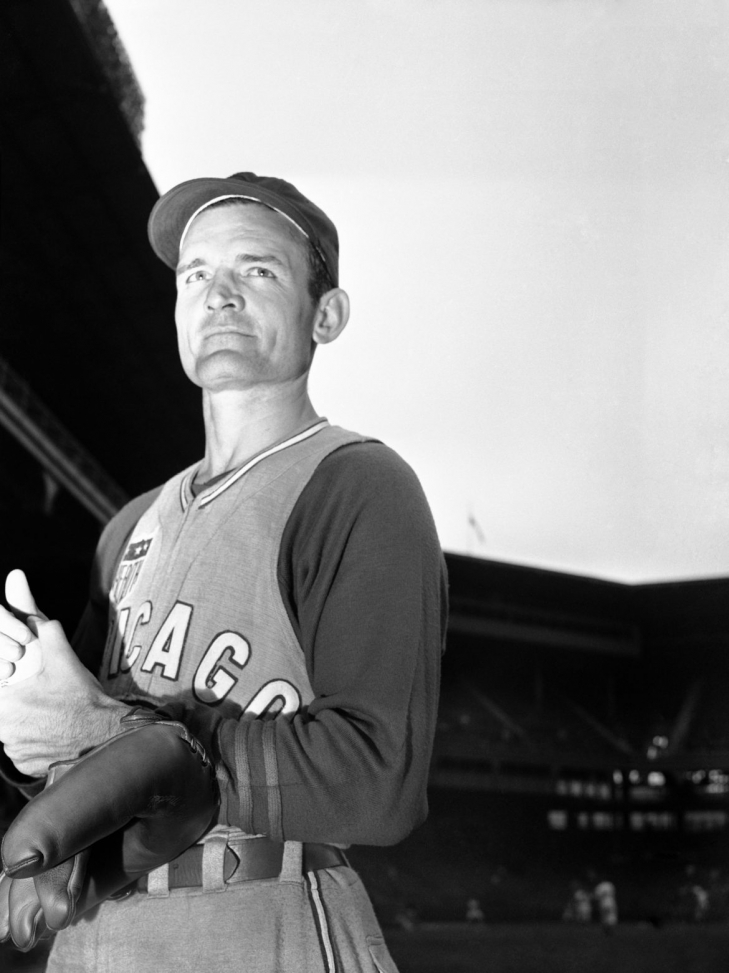
205. Claude Passeau

Claude Passeau appeared in one game in 1935 for the Pittsburgh Pirates, and the three innings he had shown nothing that would make you think he would be a future All-Star.

Passeau won a regular role with the Philadelphia Phillies, where he lost more games than he won, but he was a serviceable Pitcher and worthy of a Major League roster spot, and his advanced metrics were very good.

During the 1939 season, Passeau was traded to the Chicago Cubs, and his fortunes changed.  Passeau was second that season in bWAR for Pitchers (6.0) and eighth in ERA (3.28), and in 1940, his first full year as a Cub, he was first in bWAR for Pitchers (6.9) and second in ERA (2.50).  He won 20 Games that year and was named an All-Star five of the next six years; except for the last year of that run (1946), he always had at least 14 Wins and had four years with a sub-3 ERA.   

Passeau was a vital cog in the Cubs team that won the 1945 National League Pennant. In the World Series, he pitched a one-hitter, but the Cubs lost the series to the Detroit Tigers.
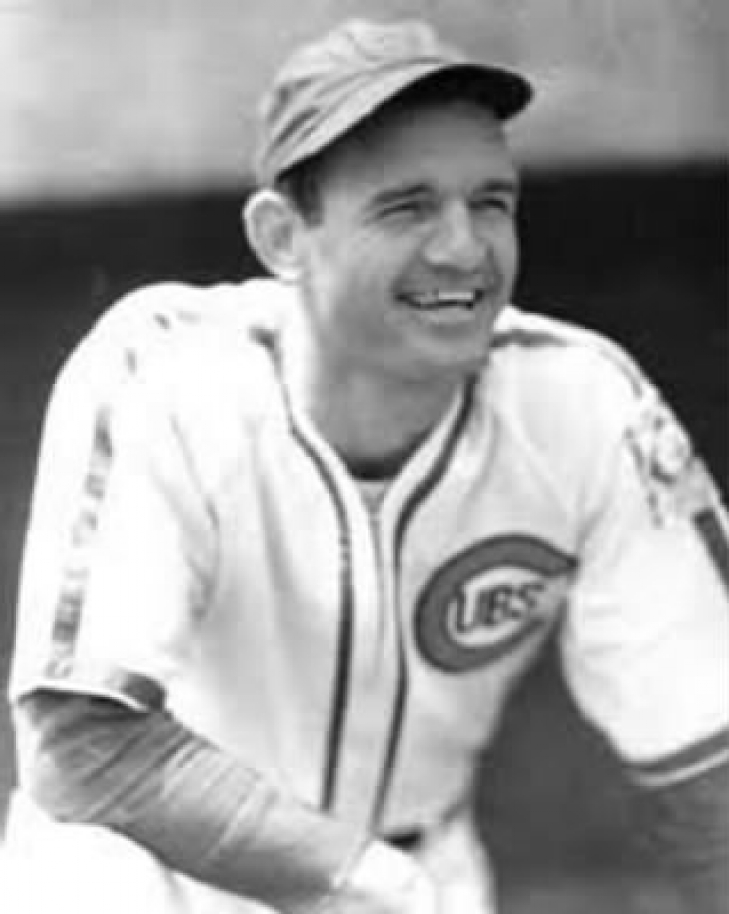
31. Claude Passeau

A trade with the Phillies early in the 1939 season brought Passeau to Wrigley Field, where he immediately found the footing that had eluded him in Philadelphia. He shed the "journeyman" label almost instantly, maturing into a frontline starter who commanded the strike zone with an aggressive, veteran poise. His first full year in Chicago was a revelation; in 1940, he joined the elite 20-win club, helping define the first half of the decade for the franchise.

Consistent excellence became his trademark as the residency progressed, earning him five All-Star selections during a six-year window. Passeau was the rare arm who maintained a high level even as the league’s roster landscape shifted during the war years. While his win totals were a testament to his durability, his ability to suppress runs in the most critical situations was best reflected. He was a high-leverage specialist in a starter’s role, a pitcher who the organization could trust to stop a losing streak or secure a pennant.

The defining moment of his Cubs history occurred during the 1945 World Series against the Detroit Tigers. In Game 3, Passeau authored a performance for the ages, tossing a dominant one-hit shutout that remains one of the most efficient outings in Fall Classic history. He retired the first 14 batters he faced and only allowed a single hit to Rudy York in the second inning, a display of total control that put the Cubs within reach of a title. This masterpiece cemented his legacy as a big-game titan, a player who rose to the occasion when the stakes were at their absolute peak.

Chicago remained his home for the remainder of his major league career, and he concluded his residency with 124 wins in a Cubs uniform.

Subscribe to this RSS feed