Menu
A+ A A-

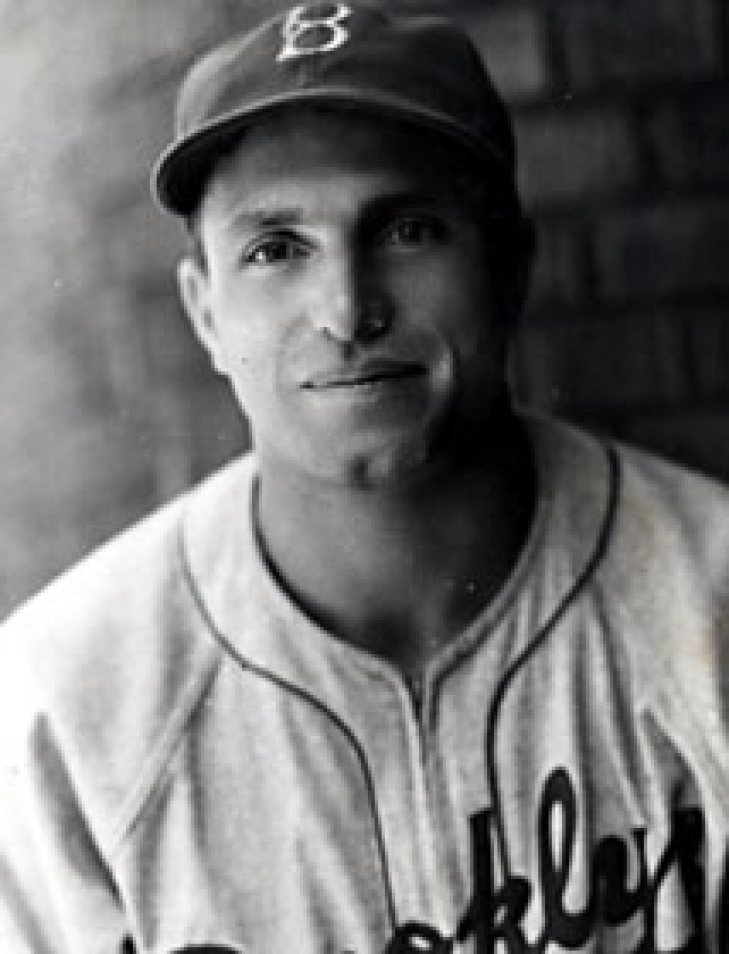
16. Nap Rucker

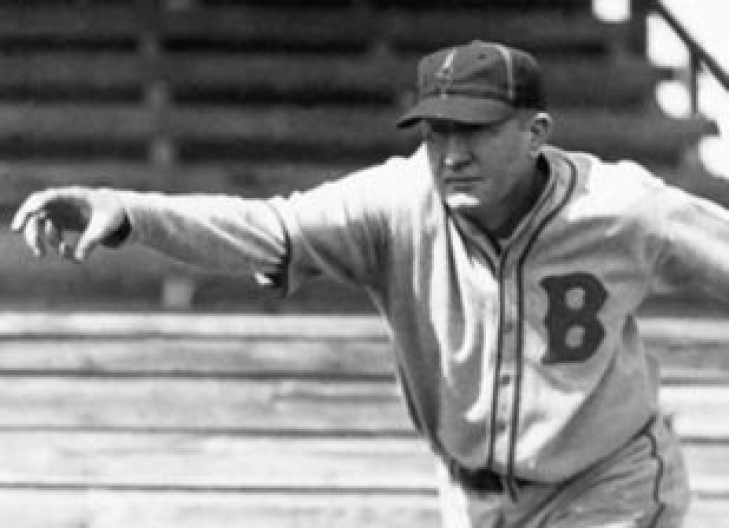
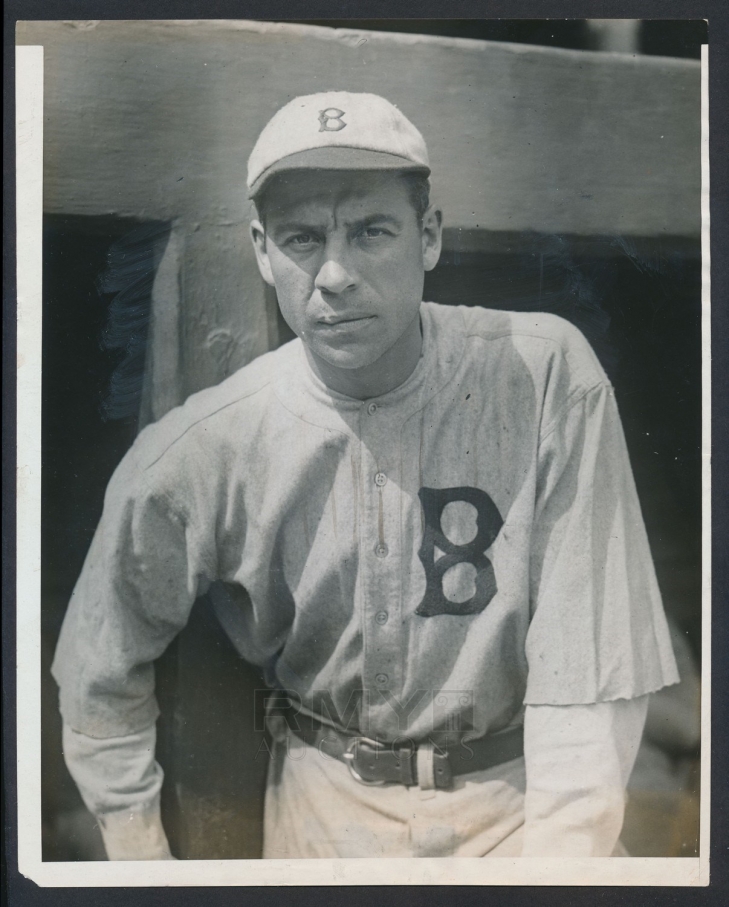
Nap Rucker played an even ten seasons with Brooklyn (1907-16), back when the franchise had intriguing team names like the Superbas and the Robins.

Rucker only had a career record of .500 (134-134), but it was not until 1915 that he played on a winning team.  In his first seven seasons, Rucker's ERA was below 3.00, and he was always in the top ten in bWAR for Pitchers in those seasons.  Rucker was at the top of that leaderboard in 1911 and 1912.  

Considered to be one of the fastest pitchers of his day, Rucker was again in the top ten in Strikeouts in those first seven seasons, and while he was prone to fits of wildness, he still managed to place in the top ten in WHIP four times.

Rucker's last three seasons were mostly ineffective from arm fatigue, and he was out of the Majors by age 31.  As good as Rucker was, it could be argued that it was wasted for bad Brooklyn teams, but he gave fans a great reason to come out to the park.

8. Zack Wheat

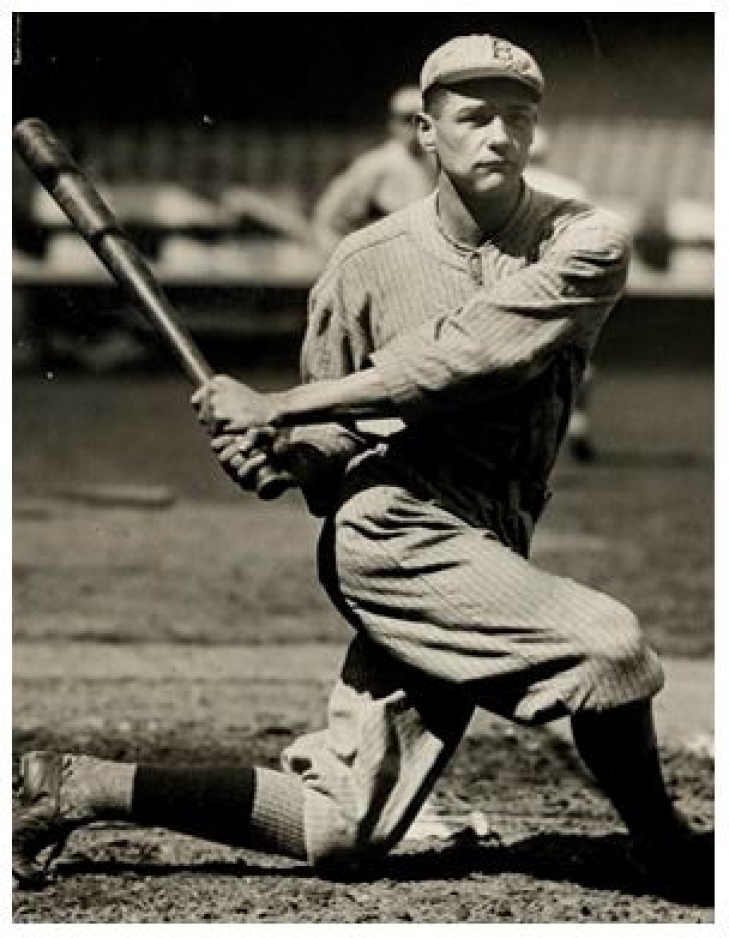
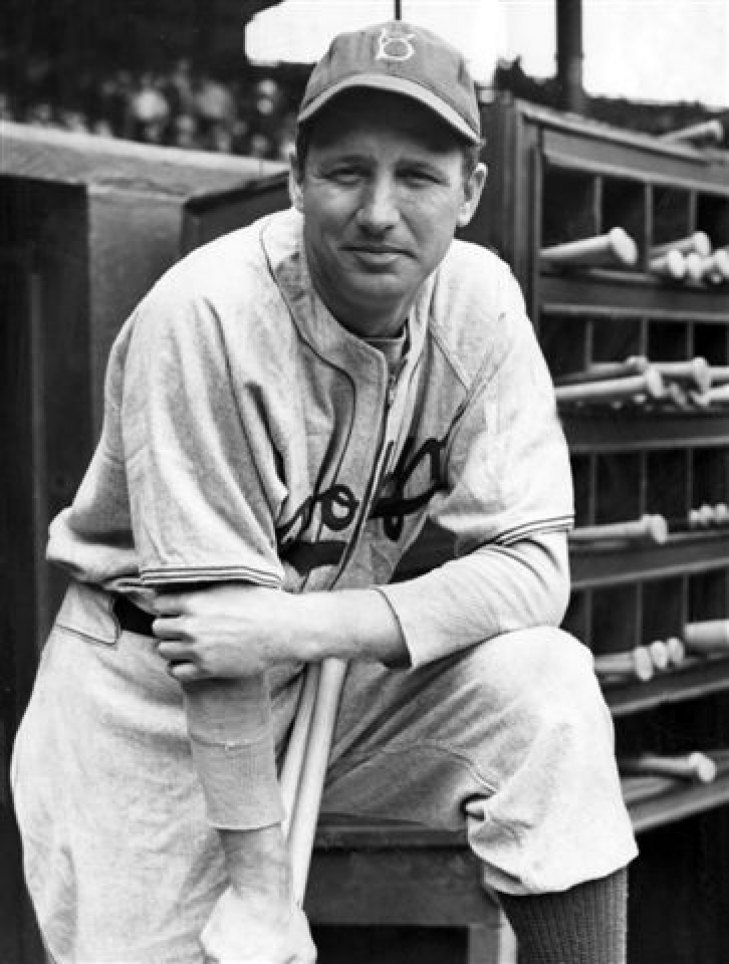
Zack Wheat was one of the top players for Brooklyn in the dead ball era, playing all but his last season in the Majors for Brooklyn.

Playing in the Outfield, Wheat first appeared for Brooklyn in 1909, becoming their starting Leftfielder the year after. Collecting 2,804 of his 2,884 Hits with the Dodgers, Wheat batted .317 for the team and was also a solid defensive player. Wheat regularly batted over .300, winning the 1918 Batting Title, and was the Slugging Champion in 1916.  

Had Wheat played decades later in the Dodgers heyday, he would be more remembered in the baseball zeitgeist.

Wheat entered the Baseball Hall of Fame in 1959 through the Veteran’s Committee.

7. Pee Wee Reese

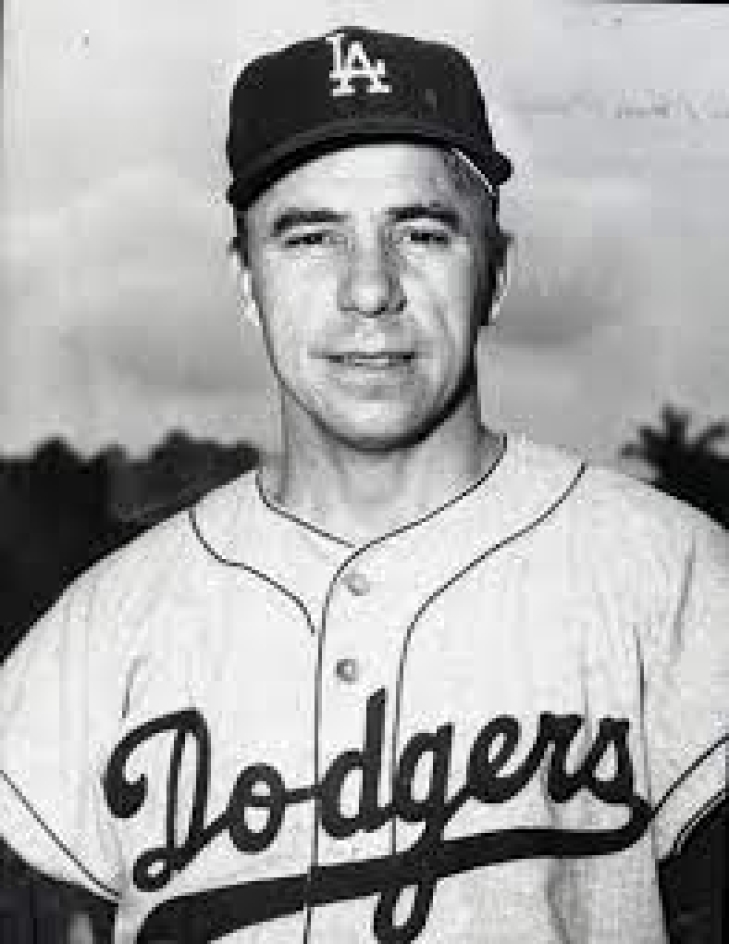
Pee Wee Reese arrived in Brooklyn in 1940 via a franchise-altering trade with the Red Sox, a transaction necessitated by a legendary logjam in Boston. Hall of Fame shortstop Joe Cronin was serving as the Red Sox player-manager at the time and, unwilling to yield his spot on the dirt to a rookie, suggested the young prospect be moved. While his moniker suggested a small stature, Reese quickly developed into a giant of the organization, providing a brand of steady, high-IQ baseball that anchored the most celebrated era in Brooklyn’s history.

The first part of his tenure was defined by a rapid ascent to defensive elite status, securing his first All-Star nod in 1942 while leading the National League in defensive bWAR. Like many of his contemporaries, he paused his playing days to serve in the military during World War II, but he returned in 1946 with a more refined approach at the plate and his range at shortstop fully intact. This return to the dirt was about more than just sport; he famously became a primary ally for Jackie Robinson, refusing to sign a petition against his teammate and publicly embracing him during a time of immense social tension. This display of humanity helped stabilize the clubhouse and set the stage for a decade of sustained excellence.

Reese began his peak during the 1949 campaign, a season in which he finished fifth in the MVP voting and led the league in runs scored (132). While he lacked the thunderous power of Duke Snider, he was a master of the "small ball" era, combining a high-frequency ability to draw walks with a specialized knack for situational hitting. He remained a perennial All-Star through 1954, batting consistently in the .260 to .270 range and proving to be a high-quality threat on the basepaths. His value was reflected in eight top-ten MVP finishes, a testament to his reputation as the glue holding the Dodgers' championship aspirations together.

His tenure featured a defensive mastery that remained the standard for shortstops of the 1940s and 50s. Between 1946 and 1956, he was a fixture in the middle of the infield, recording 232 stolen bases and proving to be one of the most durable players of his generation. The steady nature of his game allowed him to quietly amass a 68.2 bWAR with the franchise, a figure that currently stands as the highest for any position player in Dodgers history. He provided a reliable floor for a team that reached seven World Series during his stay, ensuring that the "Six" hole was a vacuum for opposing hitters.

His veteran guidance finally helped the franchise secure its elusive 1955 World Series title over the Yankees. While age began to limit his offensive volume in the subsequent years, he remained a professional mainstay through the team's move to Los Angeles in 1958. He left behind a statistical footprint that includes 2,170 hits and 1,210 walks. He remained a beloved icon long after his retirement, eventually being inducted into the Baseball Hall of Fame in 1984, the same year the Dodgers retired his number 1.

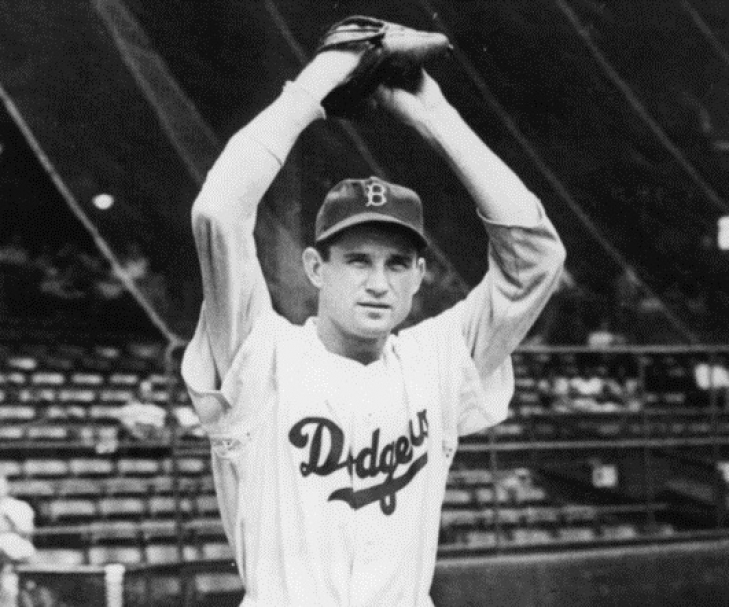
6. Dazzy Vance

The incredible MLB career of Dazzy Vance began in Brooklyn in 1922 as a 31-year-old rookie, a veteran of the minor league grind who finally found his footing at an age when most of his contemporaries were considering retirement. Despite his late start, he immediately established himself as the premier flamethrower of his era, possessing a high-velocity fastball that looked entirely alien to hitters in the early live-ball years.

After bouncing around for nearly a decade, Vance showed the organization he was a professional mainstay by leading the National League in strikeouts during his first full season in 1922. This breakout marked the formal introduction of a period of dominance that saw him lead the league in strikeouts for seven consecutive years. His ability to blow the ball past hitters during a decade defined by high batting averages made him a unique outlier, providing a high-quality floor for a Brooklyn team that frequently struggled to stay in the pennant race.

Vance reached a remarkable ceiling of individual production during the 1924 campaign, a season that remains one of the greatest in the history of the position. That summer, he led the National League in wins (28), ERA (2.16), and strikeouts (262), capturing the elusive Pitching Triple Crown. He earned the 1924 National League MVP for his efforts, becoming the first player in franchise history to win the award. His value was further highlighted by his technical control; despite his reputation as a power pitcher, he consistently led the league in strikeout-to-walk ratio, proving he was much more than just a wild thrower.

He followed his MVP season with another league-leading 22 wins in 1925. Between 1922 and 1930, he won three ERA titles and remained the standard-bearer for strikeouts in the National League. While the Brooklyn teams of this era were often inconsistent, Vance was a steady workhorse who routinely eclipsed 250 innings pitched, using a specialized, high-leg kick and a tattered long-sleeve undershirt to further distract hitters. He remained a premier arm deep into his thirties, a feat of durability that allowed him to amass a staggering 190 wins for the organization.

In a final Brooklyn act, he led the league in ERA one last time in 1930, at the age of 39. Even as his velocity began to naturally wane, his mastery of the strike zone and veteran savvy kept him among the league's elite.  Vance was traded to the St. Louis Cardinals in 1933, and he left behind 1,918 strikeouts in Brooklyn.

He was inducted into the Baseball Hall of Fame in 1955, the same year the "Boys of Summer" finally brought a title to Brooklyn.

3. Jackie Robinson

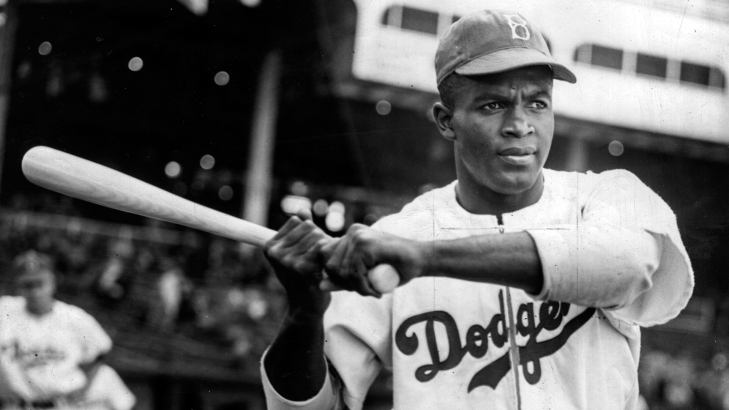
Jackie Robinson arrived in Brooklyn in 1947 as the hand-picked pioneer of Branch Rickey, a 28-year-old rookie carrying the weight of a fractured nation on his shoulders. While his arrival was a seismic social event, he quickly established that his presence was justified by elite, multi-dimensional talent. For ten seasons in a Dodger uniform, he provided a brand of high-stakes play that blended a crisp batting average with aggressive baserunning, standing as a foundational cornerstone for the most successful era in the franchise's Brooklyn history.

The initial chapter of his tenure was a masterclass in mental and physical fortitude. Debuting at an age when many players are already in their prime, Robinson navigated a barrage of racial hostility while maintaining a professional focus that secured him the inaugural Major League Baseball Rookie of the Year Award. He batted .297 and led the National League with 29 stolen bases in 1947, immediately proving that his five-tool skillset could translate to the highest level. This entry into the league served as a harbinger of a peak that would see him become one of the most versatile and feared offensive threats in the game.

Robinson reached a remarkable ceiling in individual production during the 1949 campaign, a season in which he led the National League with a .342 batting average and 37 stolen bases. He earned the National League MVP that year, becoming the first Black player to receive the honor while recording career highs in hits (203) and RBIs (124). His impact extended beyond the box score; he was a disruptive force on the paths, famously rattling pitchers with an ability to steal home that kept opponents in a constant state of unease. This brilliance anchored a lineup that reached the World Series, further solidifying his status as a premier superstar.

Between 1947 and 1953, he never finished a season with a batting average below .296, consistently recording an on-base percentage over .400. He was a defensive standout who made over 140 starts at four different positions, first base, second base, third base, and left field, providing a flexibility that allowed the Dodgers to maximize their roster depth. This steady production and reliability translated into a 61.8 bWAR, a mark that currently ranks as the third-highest in franchise history.

The later stages of his career featured a shift toward a leadership role as injuries and age began to limit his explosive speed. While his power numbers remained steady, his value became increasingly tied to his presence in a clubhouse that was hungry for a championship. Everything culminated in the 1955 season, where his veteran guidance helped lead the "Boys of Summer" to their first World Series title over the New York Yankees. Though his individual stats were in decline, his grit was on full display during Game 1 when he famously stole home, an iconic moment that ignited the Dodgers' path to a championship.

The trajectory of his playing days concluded following the 1956 season when the club attempted to trade him to the rival New York Giants. Rather than donning the uniform of his greatest enemy, Robinson opted to retire and pursue business opportunities, ensuring his entire major league journey occurred in Dodger Blue. He left behind a statistical footprint that includes 1,518 hits and a career .311 batting average, figures that reflect a Hall of Fame career condensed into just one decade. He remained a foundational figure in American history long after his final at-bat, becoming a first-ballot Hall of Famer in 1962.

The longevity of his career was limited by the era's prejudices, yet the mark he left in Brooklyn remains the most significant in the sport's history. Departing with six All-Star selections and a legacy that transcends the game, his number 42 was eventually retired across all of Major League Baseball as a permanent tribute.

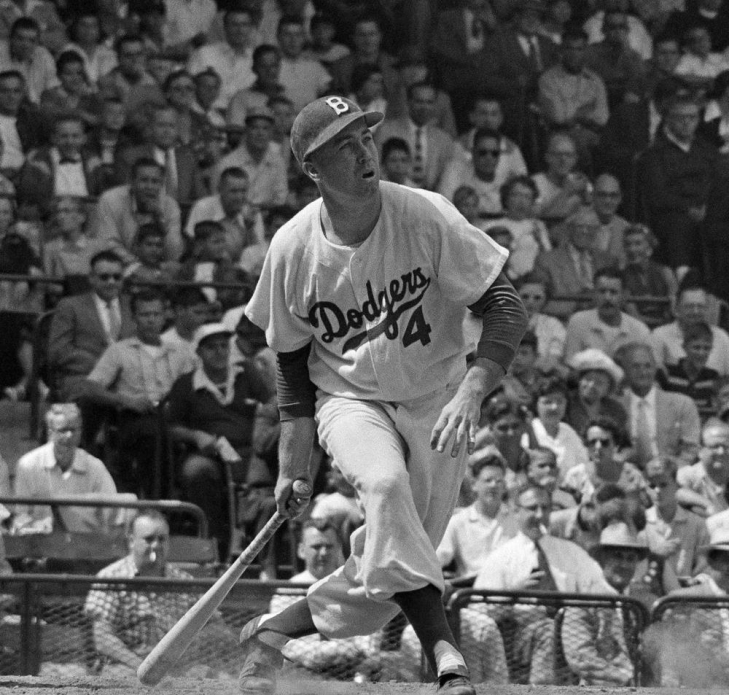
5. Duke Snider

A raw, high-upside talent from Compton, Duke Snider was a local California kid who would eventually become the definitive power source for the legendary "Boys of Summer." While he navigated the immense pressure of batting third in a lineup filled with future Hall of Famers, he quickly established that his left-handed stroke was the primary engine of the franchise’s offensive output.

The initial chapter of his tenure was defined by a steady ascent alongside fellow pioneer Jackie Robinson, securing a permanent spot in the starting outfield by 1949. Though he faced early criticism for his strikeout totals and a late-season slump during the 1951 pennant race, Snider maintained a professional focus that transformed him into one of the most feared hitters of the decade. By 1953, he had harnessed his power to an elite degree, beginning a historic run of four consecutive seasons with at least 40 home runs. This steady production made him the only player in the 1950s to reach that plateau in four straight years, providing a high-quality baseline of power that few in the sport could rival.

Snider reached a remarkable ceiling of individual production between 1953 and 1956, a stretch that solidified his place in the "Willie, Mickey, and the Duke" debate of New York center fielders. During this peak, he captured the 1955 RBI title with 136 runs driven in, leading the Dodgers to their first and only World Series championship in Brooklyn. He followed that by winning the 1956 home run crown with 43 blasts while also leading the National League in walks and on-base percentage. His impact was reflected in his perennial All-Star selections and five separate top-ten finishes in the MVP voting, proving he was the central gear in the most potent offense of the era.

His tenure was further defined by a mastery of the spotlight during the Fall Classic, where he consistently raised his game. He set a specialized record by hitting four home runs in two different World Series (1952 and 1955), a feat of postseason power that anchored the middle of the order when the stakes were highest. Whether he was robbing hitters of extra bases with his athleticism in center field or driving the ball into the Bedford Avenue structures, he provided a versatility that allowed the Dodgers to dominate the National League. This reliability translated into 1,995 hits and a career .300 batting average during his time in the organization.

The later stages of his career featured a shift toward a leadership role as the franchise transitioned to Los Angeles in 1958. While the dimensions of the Los Angeles Memorial Coliseum and nagging injuries began to limit his offensive volume, his veteran presence remained a value to the clubhouse. He remained a high-quality contributor during the 1959 championship run, helping the club secure its first title on the West Coast as a respected elder statesman.

His Dodgers run ended when his contract was sold to the New York Mets in 1963.  As a Dodger, he had 389 home runs and 1,271 RBIs and was finally inducted in 1980. He remained an icon of the franchise long after his retirement, seeing his number 4 raised to the rafters the same year he entered Cooperstown.

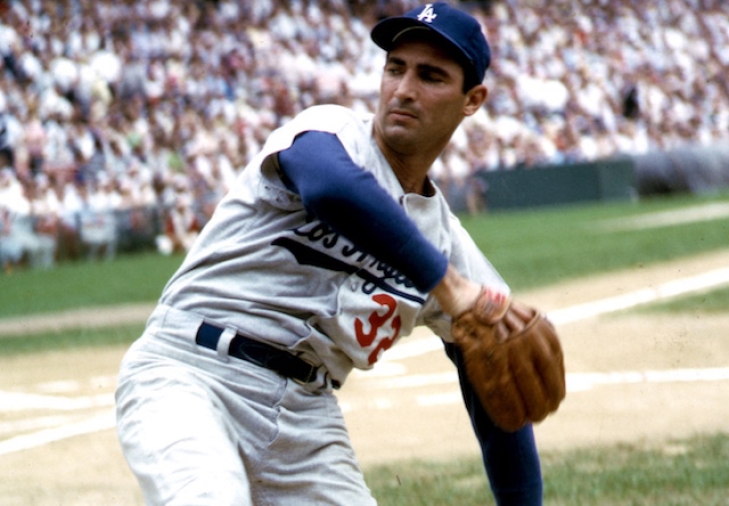
2. Sandy Koufax

Sandy Koufax arrived in Brooklyn in late 1954 as a "Bonus Baby," a local product from the University of Cincinnati with a fastball that crackled but a compass that often failed him. Because of the rules at the time, his signing bonus forced him directly onto the major league roster, bypassing the seasoning of the minor leagues. For the first six years of his career, he delivered a brand of erratic brilliance, standing as a tantalizing talent who frequently walked as many batters as he struck out.

The early portion of his tenure was defined by a frustrating struggle with control that nearly led him to walk away from the sport. Between 1955 and 1960, he posted a 36-40 record with a 4.10 ERA, marks that reflected a pitcher who would often lose sight of the plate by rearing back too far in his delivery. He showed the organization he was a professional mainstay during the team's 1959 championship run, but it wasn't until a legendary spring training conversation with Catcher Norm Sherry in 1961 that he began to harness his power. By simply easing his effort to improve his accuracy, he transformed from a wild thrower into the most feared southpaw in baseball history.

The advice paid off.  That season, Koufax had a breakout year, leading the National League with 269 strikeouts and a 3.00 FIP. He followed that performance with a 1962 season where he won the first of five consecutive ERA titles, posting a stellar 2.54 mark and his first career no-hitter. This steady ascent served as the formal introduction to a period of dominance that arguably remains the greatest four-year stretch ever produced by a pitcher. From 1963 to 1966, he operated at a level of individual recognition that saw him secure three Cy Young Awards and the 1963 National League MVP.

His postseason resume added a layer of legendary status to his career, particularly during the 1963 and 1965 World Series. He proved to be a high-caliber winner by posting a 0.95 career ERA in the Fall Classic, famously winning World Series MVP honors twice. Whether it was striking out 15 Yankees in the 1963 opener or tossing a three-hit shutout on two days' rest to clinch the 1965 title, he became the primary engine behind the franchise's golden era. His value was never more apparent than when he reached for the resin bag in October, turning the biggest stage in sports into his own personal gallery.

The trajectory of his career was tragically cut short by traumatic arthritis in his left elbow, forcing a retirement that stunned the sporting world. He walked away in 1966 following a 27-win season, opting to preserve his long-term health rather than risk permanent injury. He left behind a statistical footprint in Los Angeles that includes 165 wins and 2,396 strikeouts, figures that would have been significantly higher had his body not betrayed him at age 30. He remained a professional icon even in retirement, becoming the youngest player ever inducted into the Hall of Fame at age 36.

The longevity of his peak may have been brief, but the height of that peak left a mark in Blue Heaven that serves as a permanent benchmark for excellence. Departing with four no-hitters, including a perfect game, his status as a foundational pillar of the franchise is beyond question. He carried himself with a quiet dignity that matched his on-mound ferocity, a journey that saw his number 32 retired in 1972 as a tribute to a man who, for six years, was simply unhittable.

With the Dodgers, Koufax compiled 165 wins, 2,396 strikeouts, and three Cy Young Awards.

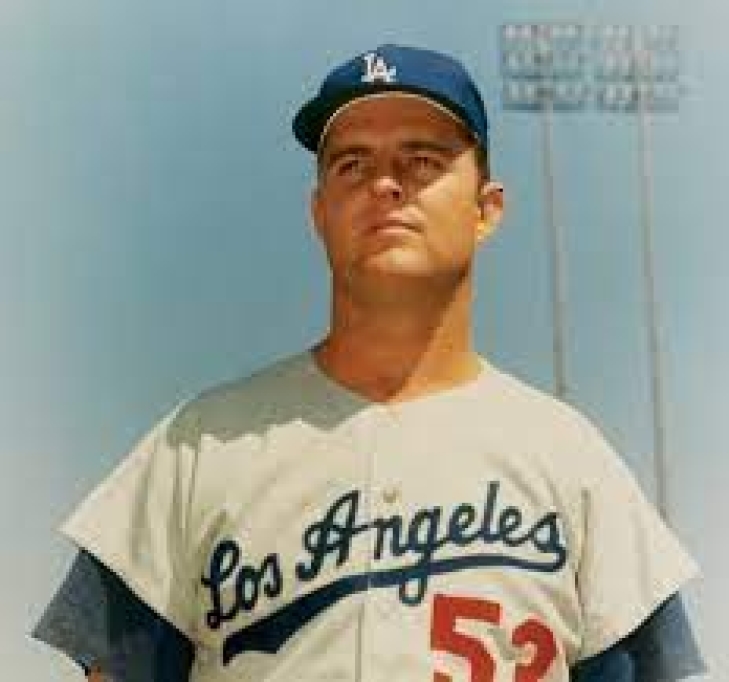
4. Don Drysdale

Don Drysdale arrived in Brooklyn in 1956 as a towering presence from Van Nuys, a local product who traded a promising basketball future for a seat on the Dodgers' flight to Los Angeles. While he spent much of the 1960s as a formidable counterpart to Sandy Koufax, he carved out a legacy defined by an aggressive, sidearm delivery and a refusal to yield even an inch of the inner half of the plate.

The initial chapter of his tenure saw him secure a rotation spot at just 20 years old, navigating the pressure of a championship-caliber clubhouse with veteran poise. He earned a World Series ring as a rookie in 1956 and solidified his status as a permanent fixture by the time the club moved to Southern California in 1958. By 1959, he had become a premier arm in the National League, earning his first All-Star selection and helping the Dodgers capture their first title in Los Angeles. This early success established a baseline of reliability that would allow the franchise to build a pitching-centric dynasty over the next decade.

Drysdale reached a peak of individual recognition during the 1962 campaign, a season where he emerged from the pack as the game's elite right-hander. That summer, he led the National League in wins (25), innings pitched (314.1), and strikeouts (232), a performance that earned him both the Cy Young Award and Major League Player of the Year honors. He followed this with a dominant 1963, anchoring the staff alongside Koufax to sweep the Yankees in the World Series. His ability to chew up massive amounts of innings, averaging over 300 frames a year during the early sixties, gave the Dodgers a steady floor of excellence that few rotations in history could match.

The middle of the decade featured a continued run of hardware and high-stakes success, including another World Series championship in 1965. Between 1961 and 1965, he was an annual fixture at the All-Star Game, providing a fierce competitiveness that perfectly complemented the quiet dominance of his southpaw teammate. While his strikeout totals were often overshadowed by the "Left Arm of God," his command and willingness to challenge hitters inside made him one of the most intimidating pitchers of his era. He remained a high-quality starter as the decade progressed, rarely missing a turn and consistently keeping his ERA below the league average.

Everything culminated in a historic swan song during the 1968 season, where he authored one of the most legendary streaks in baseball history. That summer, he set a then-Major League record by tossing 58.2 consecutive scoreless innings, a stretch that included six straight shutouts. It was a masterpiece of control and mental toughness that reminded the league he was still a top-tier threat even as he entered his thirties. Though he walked away from the game just a year later due to shoulder issues, that scoreless streak remains the definitive punctuation mark on a career built on stubborn excellence.

He retired with 209 wins, a 2.95 ERA, and 2,486 strikeouts, figures that represent a lifelong commitment to the same organization. He remained a professional icon long after his final pitch, eventually being inducted into the Baseball Hall of Fame in 1984, the same year the Dodgers raised his number 53 to the rafters.

286. Preacher Roe

Preacher Roe played a whopping 2.2 Innings for the St. Louis Cardinals in 1938, and he went back to the minors for the next five years before being traded to the Pittsburgh Pirates organization.  The Pirates called him up, and at age 28 in the World War II depleted Majors, he had his second chance.  

223. Babe Herman

Babe Herman made his first appearance in the Majors with the Brooklyn Robins, and it was there that he established himself as one of the better power hitters in the National League.

Herman played for the Robins for six seasons, and he batted over .300 in five of them, including a .393 season in 1931, which remains a franchise record.  That season, he had career-highs in Home Runs (35), Runs Batted In (130), and Slugging Percentage (.678).  Herman would later lead the NL in Triples (19) in a season with the Cincinnati Reds, and he also played for the Chicago Cubs and Detroit Tigers.  He had a career Slash Line of .324/.383/.532, which was very good, though it was countered with a lack of defensive skills.

275. Eddie Stanky

There is a trope in all sports where athletes have been described as making the most of their limited athletic skills.  Eddie Stanky certainly fits this bill.

145. Jimmy Sheckard

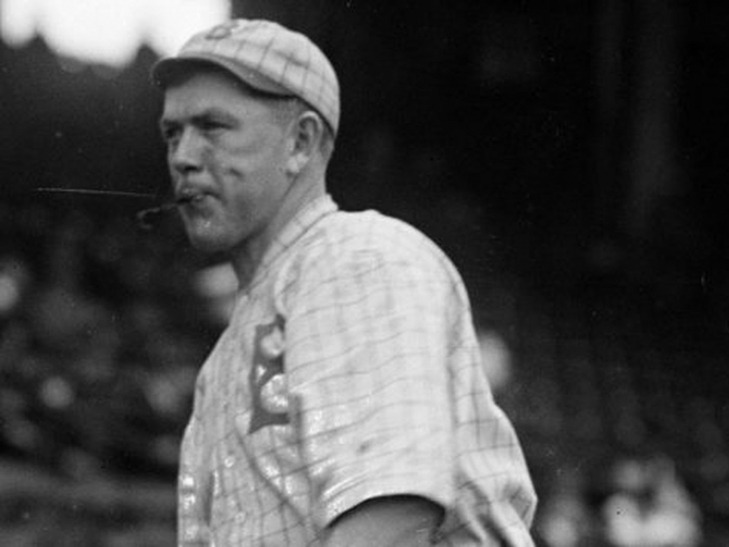
Jimmy Sheckard spent most of his career with either the Brooklyn Dodgers or the Chicago Cubs, and while they were both high-profile teams, He is one of the most undervalued players in history.

The Outfielder proved to be a good hitter throughout his career, batting at least .300 twice.  In 1901, as a Brooklyn Superba, he led the National League in Triples (19) and Slugging Percentage (.534), and two years later, Sheckard’s nine Home Runs were enough to lead the NL.

Sheckard later played for the Cubs, where he helped Chicago win four National League Pennants, two of which they won.  The speedy Outfielder also had a keen batting eye, leading the NL in Walks in 1911 and 1912, and he was first in OBP in 1911 (.434).  Sheckard swiped 465 bases over his career and tallied 2,084 Hits.  

179. Jake Daubert

A 15-year veteran of the Majors, Jake Daubert played for two different teams in his Major League career, the Brooklyn Superbas/Robins and the Cincinnati Reds.

Playing at First Base, Daubert was a starter as a rookie in 1910.  After a promising rookie year, Daubert would bat .300 ten times, including two Batting Titles (Robin, 1913 & 1914), and won the MVP award in the latter year.  Brooklyn traded Daubert to Cincinnati in 1919, where he helped the Reds win the World Series during the infamous "Black Sox Scandal."

Daubert would have 2,336 Hits with a lifetime Batting Average of .303.

209. Jack Fournier

Jack Fournier was a Manager’s enigma.  He could hit well, but his fielding was so bad that in the era before the Designated Hitter, the talented batsmen would have spells where he could not make the Majors.

Fournier first made the Majors in 1912 when he broke in with the Chicago White Sox.  Fournier led the American League in Slugging in 1915 (.491), and he batted .322 with a .311 mark the year before.  Despite that, he was relegated to a platoon with Jack Ness in 1916, and he began to slump, making him expendable.  He was waived and returned to the minors.  The New York Yankees gave him a shot in 1918, but they released him after feeling his defense was subpar.

He returned to the bigs with St. Louis in 1920, where he batted over .300 in 1920 and 1921, and in 1923, his first year in Brooklyn, he began a three-year streak where he batted at least .334, had an OBP of .411, a Slugging Percentage well over .500, and 20 HR/100 RBI years.  Fournier won the National League. Home Run Title in 1924 (27), and he had a league-leading 86 Walks in 1925.  

Fournier played until 1927, retiring with 1,631 Hits and an exemplary Slash Line of .313/.392/.483.

184. Dixie Walker

Fred "Dixie" Walker was in the New York Yankees organization for a few years, but he struggled to stay in their lineup.  The Yanks waived him, and the White Sox picked him up during the 1936 Season, and the year after, he had his breakthrough campaign in the Majors.

With the ChiSox, Walker led the AL in Triples (16) in 1937, and he batted .302.  Walker was then traded to the Detroit Tigers and later the Brooklyn Dodgers, where he became a star.

The Outfielder went to five consecutive All-Star Games (1943-47), with the middle three years earning Walker top-ten MVP finishes.  His best season was in 1944, winning the Batting Title with a .357 average, and in 1945, he was atop the National League leaderboard in Runs Batted In (124). 

Walker’s legacy is tarnished by his staunch opposition to Jackie Robinson's joining the team and to baseball's integration.  He was traded to the Pittsburgh Pirates after the 1947 season (the year of integration), and he finished his career two seasons later with 2,064 Hits and a career Batting Average of .306.

234. Nap Rucker

Nap Rucker played an even ten seasons with Brooklyn (1907-16), back when the franchise had intriguing team names like the Superbas and the Robins.

86. Don Newcombe

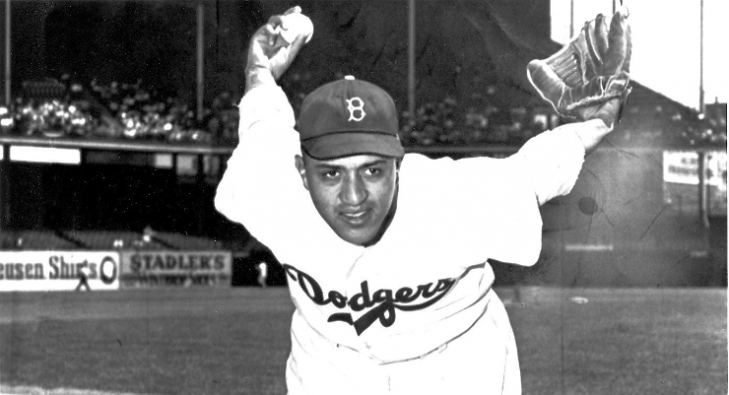
Don Newcombe was more than a great Pitcher, as he was a trailblazer in terms of African Americans in baseball.

After a brief time with Newark in the Negro Leagues, he was signed by the Los Angeles Dodgers.  After a few seasons in their minor league system, Newcombe was called up for the 1949 season, making him the third black pitcher to be in the Majors.  Newcombe proved his worth instantly, winning the Rookie of the Year with a 17-8 record and an All-Star Game trip.  Newcombe was again an All-Star in 1950 and 1951, posting 19-11 and 20-9 seasons, respectively, but he would be forced to leave the game temporarily.

Newcombe was drafted into the U.S. military and served in Korea for 2 years.  He came back in 1954 and had a mediocre year, but he came back with a vengeance.  Newcombe went 20-5 in 1955, and he helped the Dodgers win their only World Series in Brooklyn.  The following year, he went 27-7, leading the NL in Wins and WHIP (0.989), and he won both the Cy Young and MVP, making him the first player to do that in the same season.

That 1956 season was why he made it on the Baseball Hall of Fame ballot for 15 years.  He never had anything close to an All-Star season again, and he played until 1960, finishing up with stints in Cincinnati and Cleveland.  He retired with a 149-90 record.

159. Dolph Camilli

Dolph Camilli came up with the Chicago Cubs, and they arguably gave up on him as he was prone to strikeouts, and he was traded to the Philadelphia Phillies.  With Philly, he still struck out a lot but was developing a strong power game.  In 1935, through 1937, the First Baseman would have at least 25 Home Runs, and in the latter two years, he would bat over .310.  In that last season, Camilli would have a league-leading On Base Percentage (.446).

In what would be a surprise move, the Brooklyn Dodgers traded for him, and he would help the "Bums" become contenders.  Camilli was an All-Star in both 1939 and 1941, and while he still whiffed a lot, he remained a power threat and a strong contender to walk.  In 1941, he would lead the National League in Home Runs (34) and Runs Batted In (120), and won the MVP.  He continued to play for a few more seasons, but age and injury caught up to him. 

Camilli would go deep 239 times over his career and received MVP votes in seven seasons.

Subscribe to this RSS feed