- Published in Top 50 Atlanta Braves
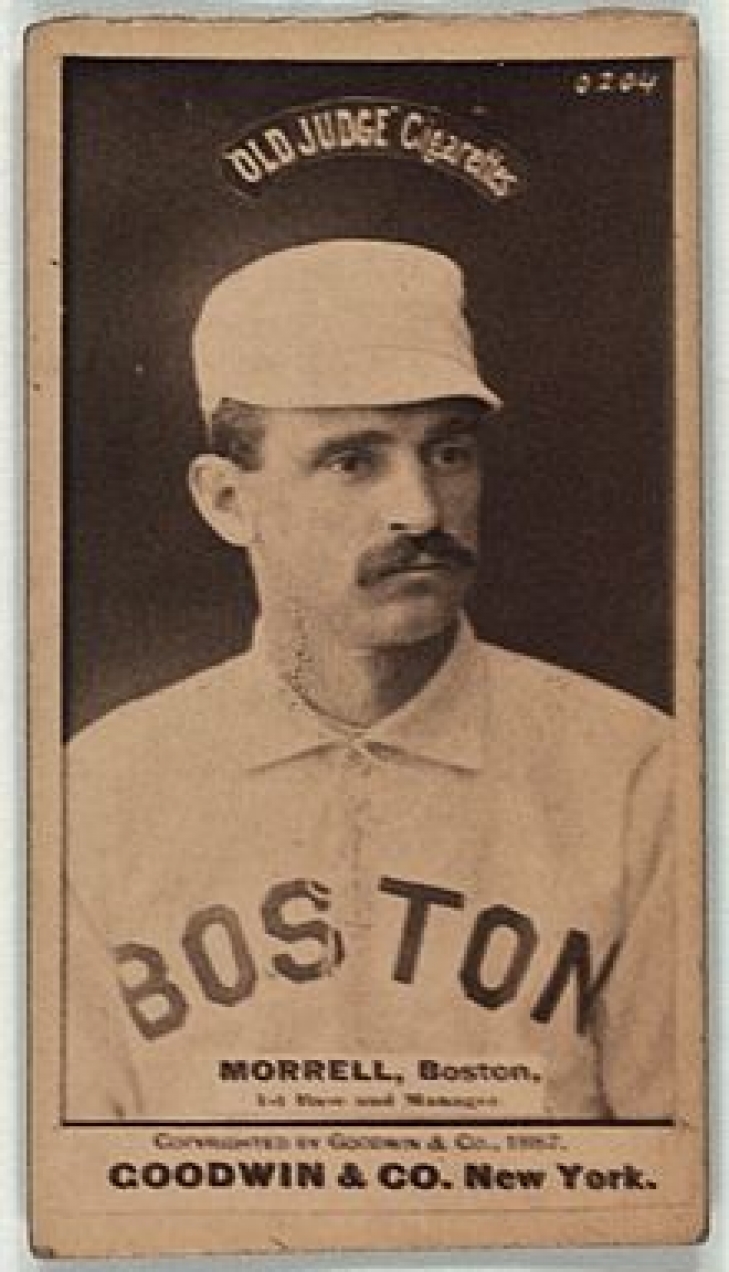
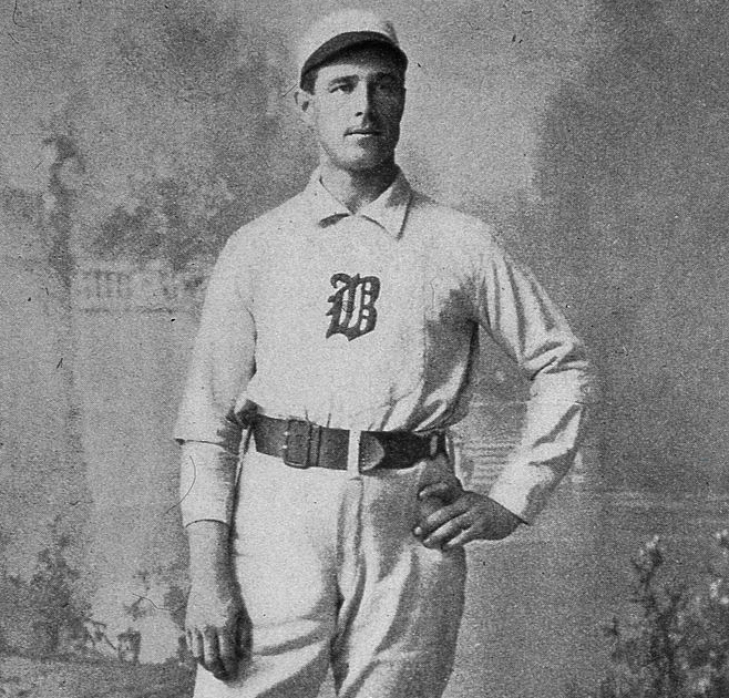
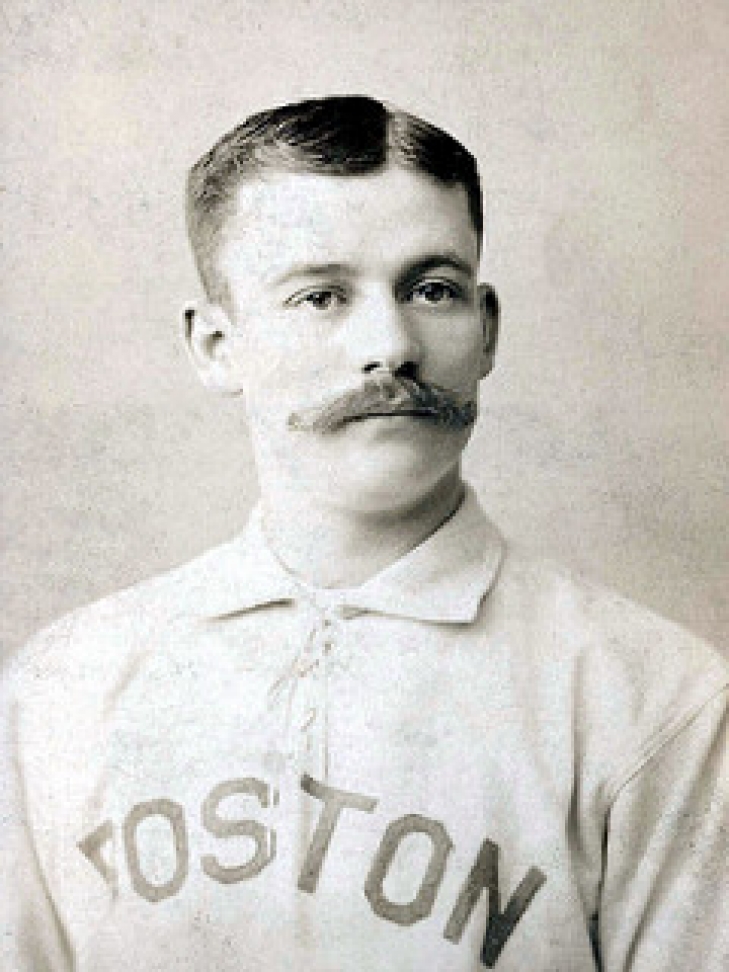
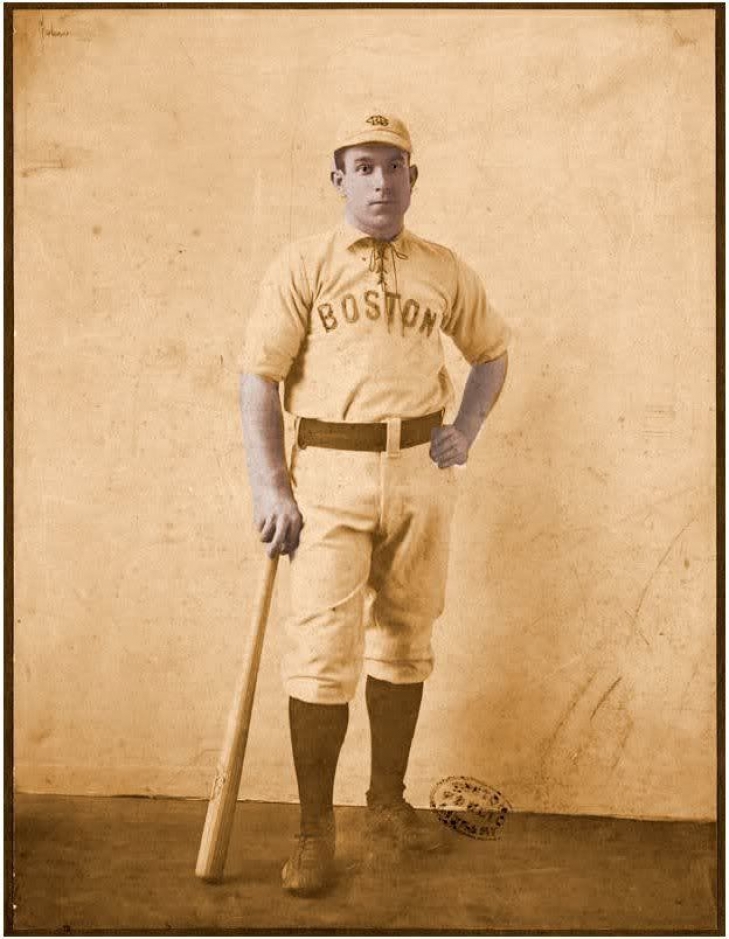
We go back to the 1800’s for our next selection with John Morrill, who was a competent hitter who had 1,247 Hits for the Beaneaters, but it was his versatility on defense that made him exceptionally valuable. Morrill played Second Base, Third Base, First Base, Shortstop, and Outfield over his career, and regardless of the position, he did it very well. Morrill was not a star in his time, but he was one of the first players of note whose incredible value did not always show up on a stat sheet.
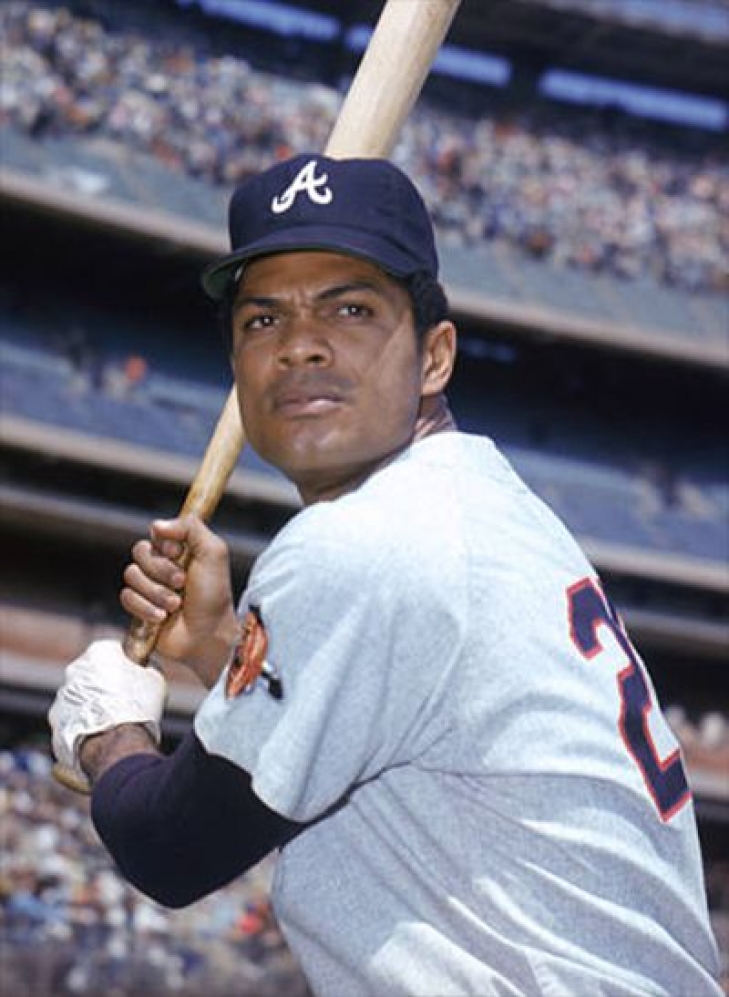
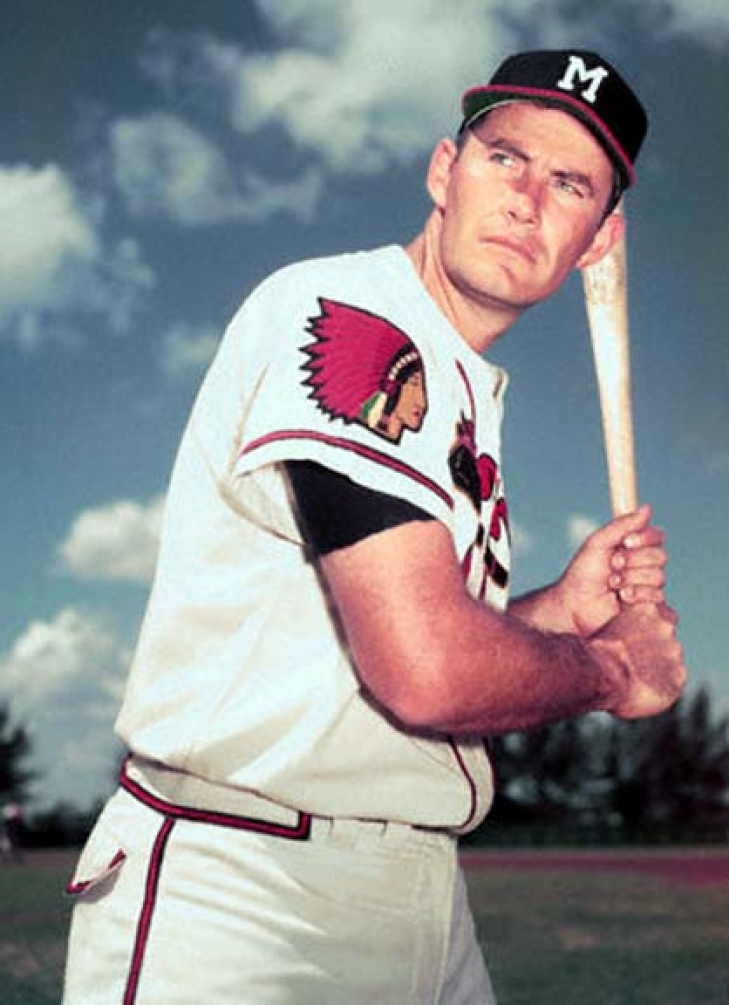
Felipe Alou is arguably better known in baseball as a manager, having helmed the Montreal Expos for years and been named Manager of the Year in 1994, but he was also a former player who accumulated over 2,000 hits in his career.
Alou came up through the Giants, where he would be named an All-Star in 1962, and he would arrive in Milwaukee as part of a seven-player trade after the 1963 season. The Outfielder played for the Braves for six years, where he had the best run of his career. In 1966, he would lead the National League in Hits (218) and Runs Scored (122), both of which were career highs. He would also set personal bests with 31 Home Runs, a .327 Batting Average, and a .533 Slugging Average, all of which would land him a fifth-place finish in MVP voting. Alou would again lead the NL in Hits in 1968, this time with 210 Hits and a .317 Batting Average.
Twice an All-Star as a Brave, Alou’s six seasons would see him bat .295 with 989 Hits.
Jimmy Collins did a lot of things beautifully on the baseball diamond that may not be considered sexy, but they went unnoticed, and he generated a Hall of Fame career out of it, which included five seasons with the Boston Beaneaters.
After debuting for Boston in 1895, he was loaned to Louisville, only to return before the 1896 Season. Collins would win the starting Third Base job, and he was considered to be one of the better defensive players at that position, which he showed by leading the NL in Defensive bWAR in 1899 and was in the top five as a Boston Beaneater three other times. He was also very capable with the bat, an expert bunter, and led the NL in Home Runs (albeit with only 15) in 1898. That year, he was seventh in Batting Average and second in Slugging Percentage. His overall numbers with the team would see him generate 821 Hits with a .309 Batting Average. His run with the Beaneaters ended when he jumped to the Boston Americans of the American League in 1901.
Collins would enter the Baseball Hall of Fame in 1945 when he was chosen by the Old Timers Committee.
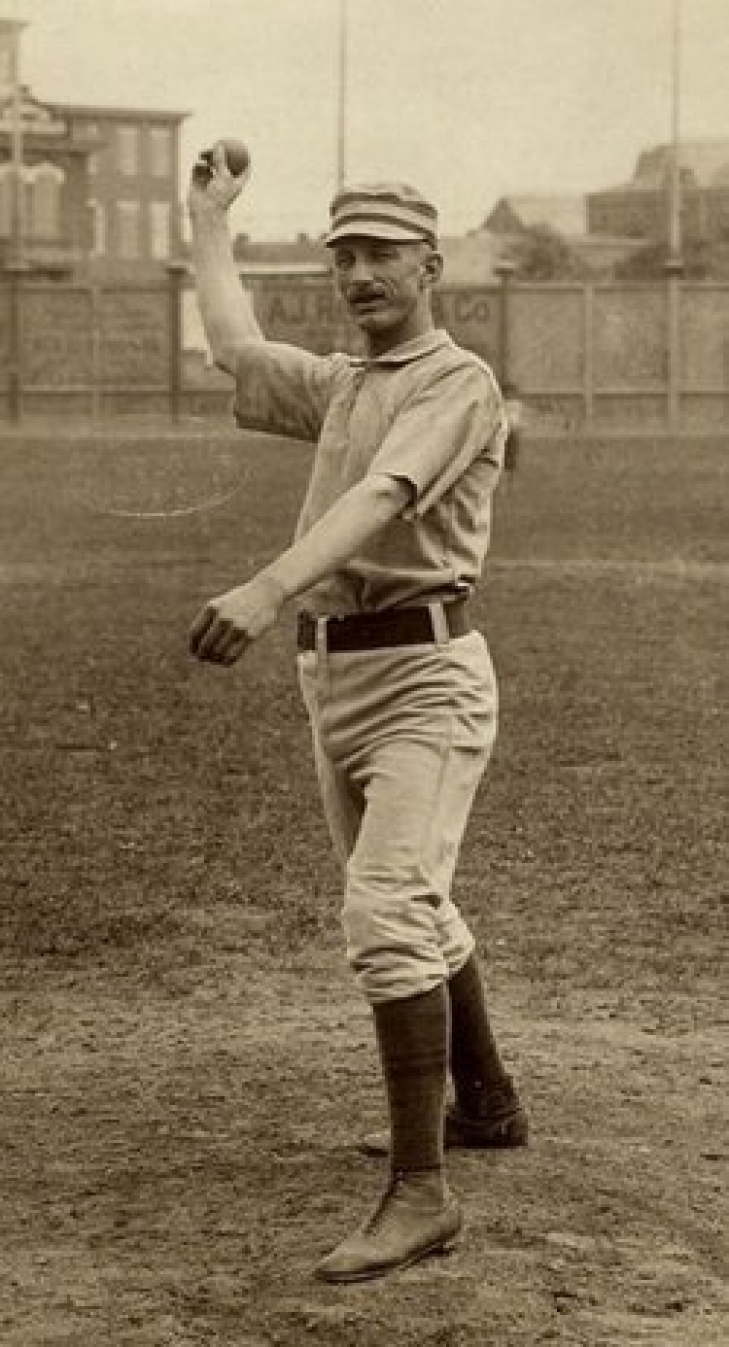
Charlie Buffinton began his career with the Boston Red Stockings in 1882, and in the following year, when the team renamed themselves the Beanaters, Buffinton became a star Pitcher, where he would win 20 Games each year from 1883 to 1885. The sinkerball specialist had an incredible 1884 campaign, going 48-16 with a 2.15 ERA and finishing third overall in bWAR among pitchers. It should also be noted that Buffinton was a good hitter, batting .255 for Boston over his career. Boston thought Buffinton was done after a bad 1886 season, and they sold him to the Philadelphia Quakers, where he rebounded and went on to win 233 Games.
Specifically, as a Beaneater, Buffinton went 104-70 with 911 Strikeouts.
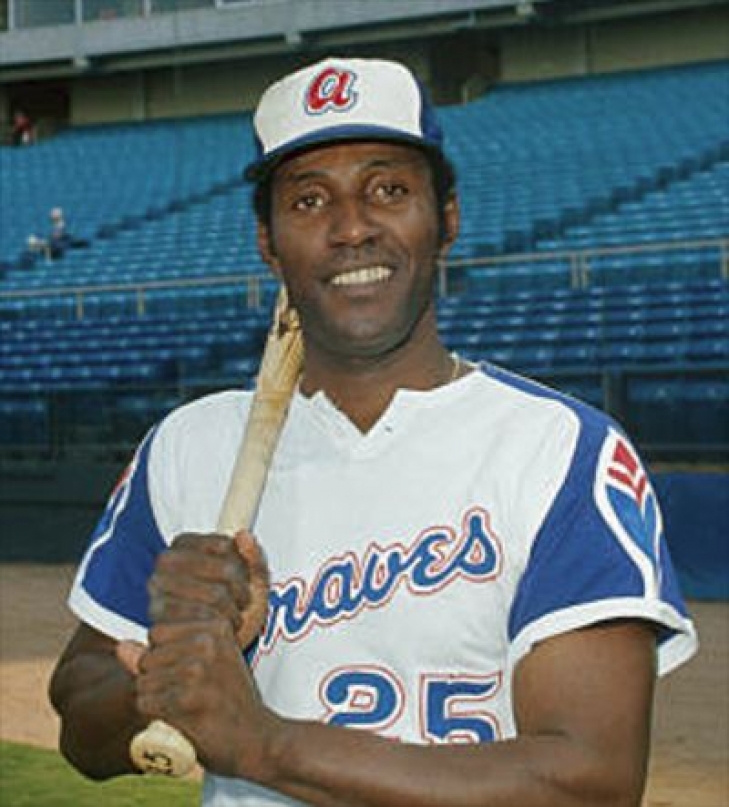
Rico Carty may have been popular, but he was not necessarily lucky. While a member of the Atlanta Braves, Carty would miss two complete seasons, 1968 due to tuberculosis and 1971 due to a severe knee injury. In that time frame, Carty put forth an incredible 1970 season, leading the National League in Batting Average (.366) and On Base Percentage (.454), and posting career power highs of 25 Home Runs and 101 Runs Batted In. Carty was so good that he was voted an All-Star that year, despite having to be a write-in candidate, making him the first to accomplish that! Carty’s overall numbers as a Brave would see him play 828 Games with a Slash Line of .317/.388/.496.
Billy Nash was with the Boston Beaneaters for ten of his fifteen seasons over two five-year stints (1885-89 & 1891-95), and the Third Baseman proved to be a dependable player in both runs. Nash was a better-than-average defensive player at the hot corner, and he was decent with his offense. Six times, he had 140 or more Hits (though he never hit 150) and produced well in the clutch with five years of at least 90 Runs Batted In, and he was in the top seven in that statistic six times. Nash’s career with the Beaneaters would see him accumulate 1,285 Hits with a Slash Line of .281/.368/389.
The starting Catcher for the Atlanta Braves for nine seasons, Javy Lopez was considered one of the better Catchers in the National League during most of that time. Early in his career, Lopez helped Atlanta win the 1995 World Series, and the following season, he was the NLCS MVP, though the Braves did not win the Fall Classic that year. The Puerto Rican would be a three-time All-Star and was a good-hitting Catcher who would have five 20 Home Run seasons, the best of which is his last campaign in Atlanta (2003), where he blasted 43 Home Runs with a .328 Batting Average. He would be a fifth-place finisher in MVP voting that year. Lopez would accumulate 1,148 Hits with 214 Home Runs and a .287 Batting Average as an Atlanta Brave.
The Braves chose Lopez for their Hall of Fame in 2014.
We return to the potent Milwaukee Braves team of the 1950’s, where we have Joe Adcock, a slugger who went yard for the franchise 239 times, including a 38 dinger season in 1956.
Adcock arrived in Milwaukee in a complex four-team trade, which he benefited from, as he was not playing at his natural First Base position, as Cincinnati had Ted Kluszewski. Adcock’s power always seemed to come at unique times. He had a four Home Run game in 1954, and it was Adcock who hit a Home Run (which he didn’t get credit for due to Hank Aaron’s baserunning error, but there was a runner ahead who scored) to end Harvey Haddix’s legendary game where he pitched 12 perfect innings. Adcock would thrice finish the season with MVP votes, and he had 1,206 Hits with a .285 Batting Average. He was also instrumental in the 1957 World Series Championship. It is also worth noting that Adcock didn’t want to play at First Base because he preferred it, he was also really good at it. He would finish first in Range Factor per Game and Fielding Percentage three and four times, respectively, as a Brave among all National League First Basemen.
Billy Hamilton arrived in Boston at age 30, and although his best years were behind him, he was still a very good, fast player who changed games with his speed. In the six years he was with the Beaneaters, he hit the 100 Runs Scored mark in four of them, with two of them exceeding 150. In 1897, his 152 Runs were enough to lead the National League. In the past, Hamilton led the NL in Stolen Bases four times (plus one in the AA). He didn’t have the same speed with Boston, but he still swiped bases 274 times. His batting eye was still excellent as he led the NL in Walks his first two seasons as a Beaneater, and he had two OBP titles. His Boston numbers would see him collect 885 Hits with a .339 Batting Average and an incredible On Base Percentage of .456.
Hamilton was inducted into the Baseball Hall of Fame in 1961 by the Veterans Committee.
Prior to joining the Boston Braves, Bob Elliott was already a proven commodity in professional baseball, having been a three-time All-Star for the Pittsburgh Pirates. His first season in Boston would be his best, as in 1947 he posted a career-high .317 Batting Average with 22 Home Runs and 113 RBI.
As a Boston Brave, Bob Elliott was nicknamed “Mr. Team,” a moniker that reflects how selfless and excellent a teammate he was and why his value to the Braves extended beyond his stat line. The Third Baseman continued his strong performance in Boston, being named an All-Star again in 1948 while helping the Braves win the National League Pennant as their clean-up hitter. He was with the Braves for three more seasons, and in his five years in Boston, he had 101 Home Runs with a Slash Line of .295/.398/485.
In 1914, the Boston Braves would win their first World Series Championship. Dick Rudolph went 2-0 in that series with a 0.50 ERA over 18 Innings. Safe to say if there was a World Series MVP, he would have won it, right?
Prior to joining the Braves, Rudolph had a cup of coffee with the New York Giants, and after plying his trade in the minors, he received another opportunity with the Boston Braves. In his first season in Boston, he went 14-13, and he fit in like a glove. The following year was the season of his postseason triumph, during which he went 26-10 in the regular season and finished 7th in MVP voting. He would win 22 and 19 Games in the two years that followed, but his efficiency would decline in the years after, and he would be officially released in 1927 after years of playing.
His overall career with the Braves would see him go 121-108 with five top ten finishes in bWAR for Pitchers.
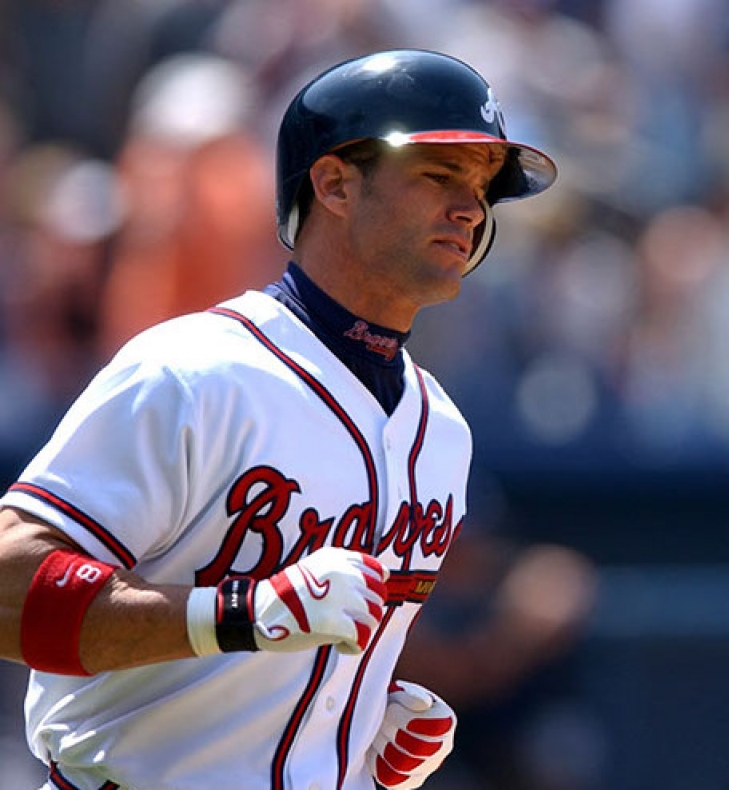
David Justice, at one time, was one of the most recognized sluggers in baseball. A star for the high-profile Atlanta Braves, Justice was the star hitter for the perennially playoff-bound team. He was named one of People’s Magazine’s Most Beautiful People (1994) and was married to Halle Barry. The last two might be interesting, but they don’t help propel him to this rank, do they?
Justice was named the National League Rookie of the Year in 1990, where he helped the Braves reach the World Series the following two seasons. All three of his first full campaigns (1990-92) would see him hit 20 or more Home Runs, but he increased that in 1993 with 40 Home Runs and a career-high 120 Runs Batted In. He would be named to his first of two All-Stars and was also a Silver Slugger for the first time. The strike-shortened 1994 season would also see him return to the All-Star Game. Justice would remain in Atlanta until he was traded to Cleveland before the 1997 season. As a Brave, he hammered 160 Home Runs with a Slash Line of .275/.374/.499.
Atlanta elected Justice to their Hall of Fame in 2007.
We have another member of the 1957 World Series Championship team, Del Crandall, who would represent Milwaukee in eight All-Star Games. Crandall lost a couple of years early due to serving his country during the Korean War, but upon his return stateside, he established himself as one of the best defensive Catchers in baseball and an elite pitch caller whom pitchers trusted implicitly. Crandall won four of the first Gold Gloves issued to Catchers in the National League (the first was won by one person regardless of the league), and had that piece of hardware been issued before 1957, he would have probably won another four. Crandall would lead all National League Catchers in Total Zone Runs six times and Fielding Percentage four times.
Crandall was not the best hitter, but, for his defense, not many catchers were when he played. He would accumulate 1,176 Hits and 170 Home Runs as a Brave, and he would have seven seasons where he received MVP votes, his highest being a tenth-place finish in 1958.
In 2003, Crandall was the lone inductee to the Braves Hall of Fame.
There was a famous saying around the Boston Braves that waxed poetic about the late 1940’s Boston Braves:
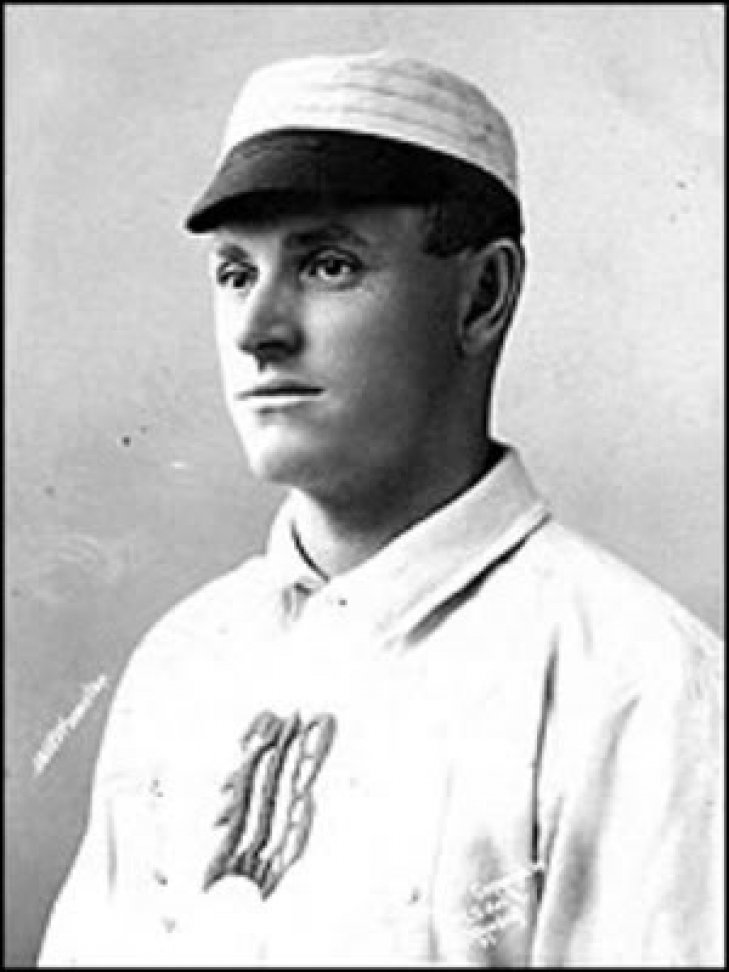
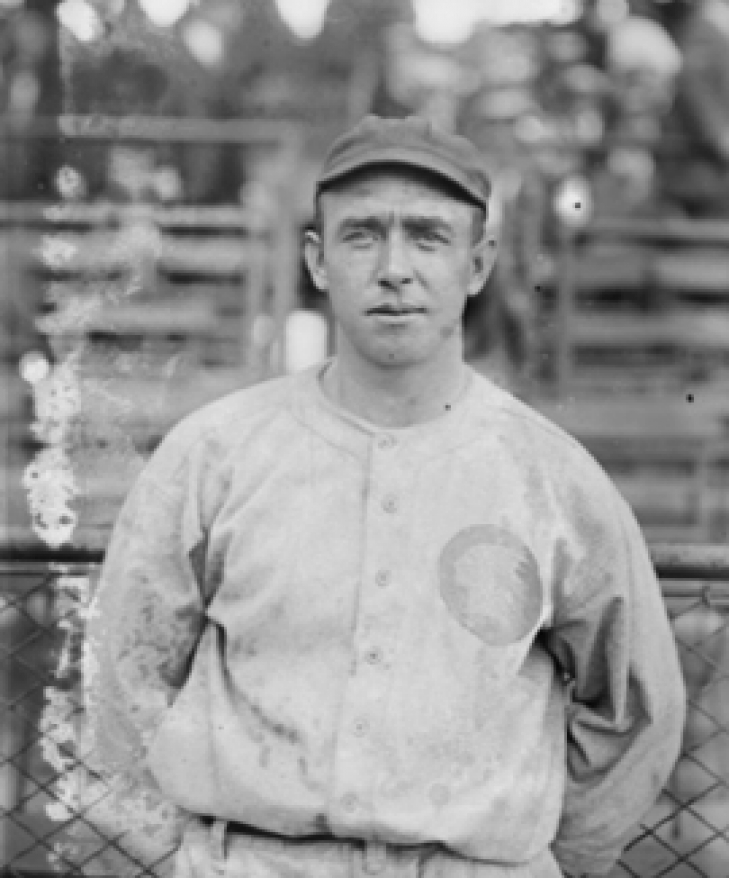
Hugh Duffy was somewhat of a maverick in early baseball as he bounced from the National League to the Federal League to the American Association and back to the National League in a four year span. It was the latter that would see him join the Boston Beaneaters, the precursor to the Atlanta Braves.
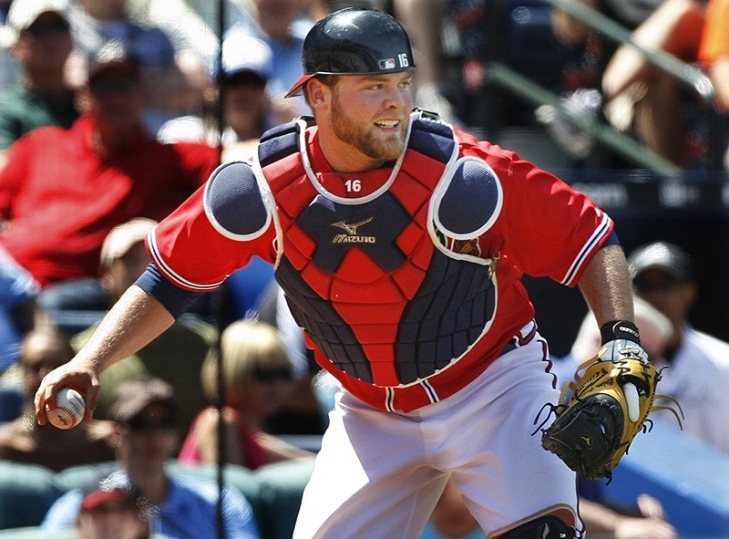
Brian McCann was one of the top hitting Catchers in the National League for a long period of time. From 2006 to 2011, McCann was named an All-Star, and in five of those years, he was also a Silver Slugger. He would show off good power with seven 20 Home Run seasons with 176 total as a Brave with 1,070 Hits for Atlanta. McCann’s defense wasn’t always the best (he allowed a lot of stolen bases), but his above-average offense more than made up for it.
McCann returned to the Braves as a Free Agent prior to the 2019 Season and played one more season before retiring.
Walter “Rabbit” Maranville was known for quite a few things: his sense of humor, his durability, and defensive skills, the latter two of which ranked him on this list of all-time Braves.
Maranville would become Boston’s full-time Shortstop in 1913, where he dazzled the Majors with his glove, and he was third in MVP voting. In 1914, he finished second in MVP voting and led them to a World Series win. While nobody was aware of Defensive bWAR (or any kind of WAR for that matter), Maranville was a two-time leader with Boston in that category and ranked in the top ten another seven times while he played in Massachusetts. Defense was his expertise, and while his offensive numbers aren’t that great, this was a 23-year veteran who would accumulate 2,605 Hits over his career, 1,696 as a Brave. Maranville was traded to the Pittsburgh Pirates before 1921, but he returned in 1929 and was still effective.
Rabbit Maranville entered the Baseball Hall of Fame in 1954 on his 14th year of eligibility. The Braves would later induct Maranville into their franchise Hall of Fame in 2014.