Menu
A+ A A-
Committee Chairman

Committee Chairman

Kirk Buchner, "The Committee Chairman", is the owner and operator of the site.  Kirk can be contacted at [email protected] .

81. Jack Glasscock

The baseball historians have been batting a kind eye to Jack Glasscock, who many have regarded as the best defensive infielder of the 1880s.

“Pebbly” Jack (he had the habit of collecting pebbles in the infield) would lead his league in Defensive bWAR three times (1883, 1885 & 1889), and though there were no sabremetricians back then, the casual fan knew that he was a level above most of the other players with his defensive skills.

Glasscock played for eight different teams, many of which are no longer in existence, which does not help keep his name alive.  The West Virginian may always have been known for his defense, but he would surprisingly show exemplary offense in the late 1880s.  He finished second in Batting Average in 1889, and won the Batting Title in 1890, and in both seasons, he was atop the National League leaderboard in Hits.

He would accumulate 2,041 Hits over his career, and a BWAR that puts him higher than many Hall of Fame infielders.

149. Nomar Garciaparra

There was a time when Nomar Garciaparra owned the city of Boston.  The “Nomah" chants rocked Fenway, and he was, at one point, one of the most well-known baseball players around in the game.

Playing at Shortstop, Garciaparra debuted in 1996 for 22 Games, which was not enough to exceed rookie limits, but more than enough to turn heads and win him the starting job the next year.  We mention this because Nomar would win the Rookie of the Year in 1997, and the hearts of Boston.  It would be his first of six All-Star Games, and first of four consecutive .300 Seasons.  The Californian would win the Batting Title in 1999 and 2000 with seasons of .357 and .372, respectively.  The Red Sox couldn't best their division rivals (New York), but the AL East's big star was Garciaparra. 

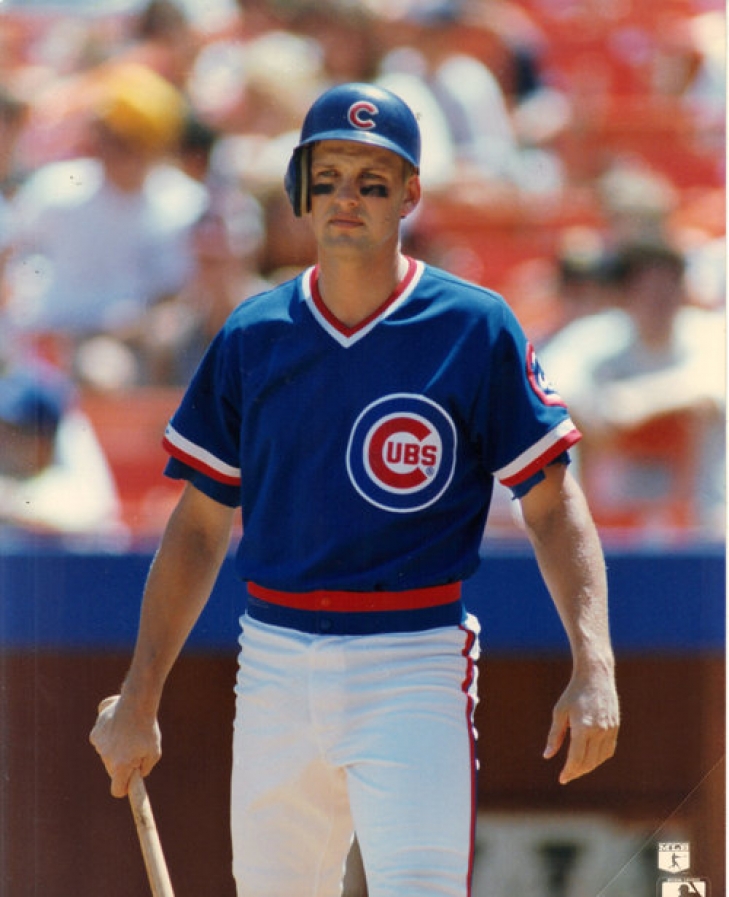
A wrist injury sidelined him for most of the 2001 season, and it is believed to have been the catalyst for turning his career around for the worse.  He still batted over .300 in 2002 and 2003, but he wasn't the same.  Injuries piled up, and he would continue to play for the Chicago Cubs, Los Angeles Dodgers, and Oakland Athletics.

The magic may not have returned, but he did have the magic.  Not many players can say that.

171. Mickey Vernon

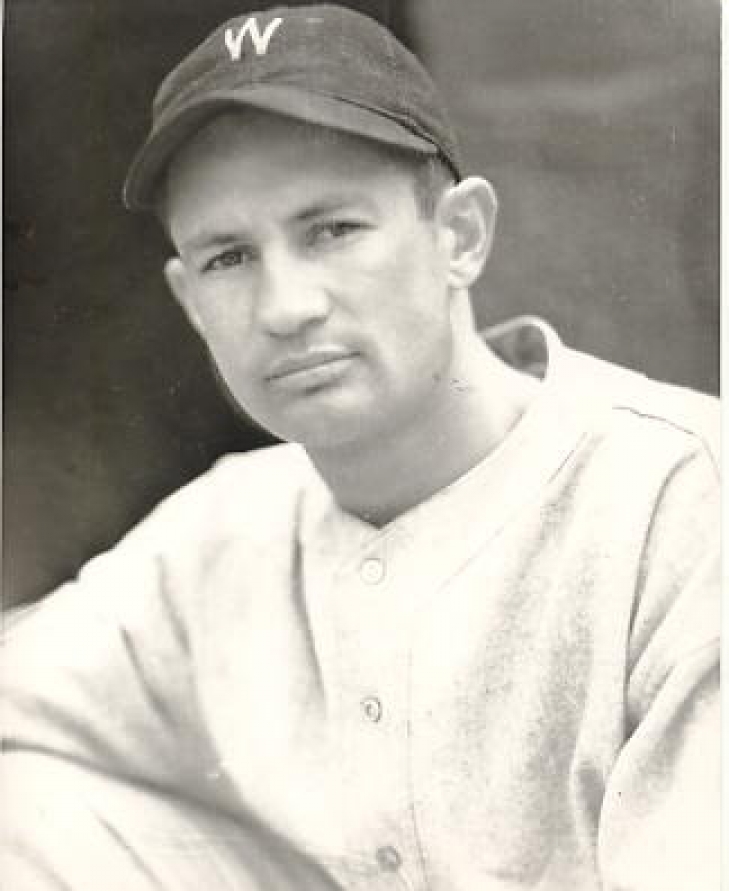
Mickey Vernon arrived in the Majors in 1939 with the Washington Senators, and he was entrenched as their starting First Baseman in 1941.  Vernon would do well in the early 40s, with three straight 145-plus Hit seasons before World War II, and he would miss 1944 and 1945.  When he returned, he would take his place in the upper tier of First Basemen.

The popular player would be named an All-Star in 1946, leading the American League in Doubles (51) and Batting Average (.353), and he would place fifth in MVP voting.  Vernon was an All-Star again in 1948 and would join the Cleveland Indians for a year and a half before returning to Washington.  The 1950s saw Vernon go to four consecutive All-Star Games (1953-056), and he won his second Batting Title in 1953.  He also would top the leaderboard in Doubles in the AL in both '53 and 1954, both of which were top ten finishes in MVP voting.

Vernon would play two years with the Boston Red Sox (1956-57), another with Cleveland, and one more with the Milwaukee Braves.

In his final season in baseball (1960), he was a member of the Pittsburgh Pirates, who won the World Series.  He didn’t play in that series, but it was a nice end to an excellent career that would see him accrue 2,495 Hits.

107. George Foster

A vital part of the Big Red Machine that had the most success of any other team in the National League, George Foster debuted in 1969 (with San Francisco); George Foster broke through in 1975 with a 23-home-run year.  Helping the Reds win the World Series that year, Foster won the RBI Title in 1976 with 29 Home Runs and a .306 Batting Average.  This would usher in the first of five All-Star Games, and four in the next five years.  Foster again helped them win the World Series, and he was second in MVP voting.

The Reds did not win the World Series again in the 1970s, but Foster would have better years ahead.  In 1977, he would smack 52 Home Runs, an incredible tally for the 1970s.  Foster also led the National League in Runs Batted In (149), Runs Scored (124), Slugging Percentage (.631), and OPS (1.013).  To the surprise of nobody, he won the MVP.  Foster won his second Home Run Title (40) and third RBI Title (120) in 1978, and in 1981, he was third in MVP voting with 22 Home Runs and a .519 Slugging Percentage in that strike-shortened year.  That was his last season on the Ohio River, as he was traded to the New York Mets, where he played for four years and had a brief stop with the Chicago White Sox before retiring in 1986.

Foster would smack 348 Home Runs, 1,239 Runs Batted In with a .480 Slugging Percentage.  He remained on the ballot for four years (1992-95).  Had he been better defensively and had a better on-base percentage, he would have been much higher on this list.