Menu
A+ A A-
Site Admin

Site Admin

  • Published in Football

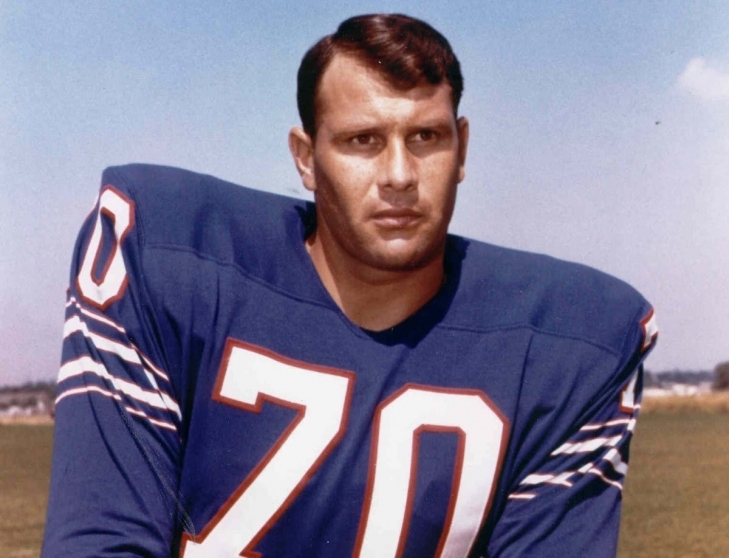
190. Tom Sestak

One of the most dominating Defensive Tackles of the AFL, Tom Sestak, joined the Buffalo Bills of the American Football League in 1962, where he quickly became the team's defensive anchor.  Sestak was an AFL All-Star in his first four seasons, and in years two through four, he was a First Team All-Pro and was in the top ten in Approximate Value.  The Bills won the 1964 and 1965 AFL Championships, and during that timeframe, Sestak and the Buffalo defense held opponents without a rushing touchdown in 17 straight games, a record that still stands.  Knee problems would force an early retirement after the 1968 Season, but his play was strong enough to make the AFL All-Time Team.

  • Published in Football

328. George Svendsen

From the University of Minnesota, George Svendsen would play five seasons with the Green Bay Packers over two runs.

The first run ran from 1935 to 1937, during which he helped the Packers win the NFL Championship in 1936.  The Center took two years off the game, then returned to play for the Packers in 1940 and 1941.  He would be chosen for the NFL 1930's All-Decade Team.

  • Published in Football

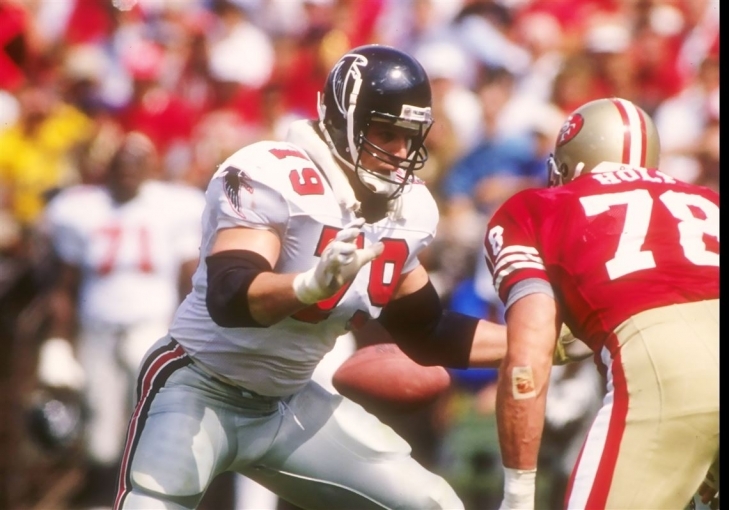
232. Bill Fralic

One of the more popular Atlanta Falcons of his day, Bill Fralic, was the second overall Draft Pick in 1985 and immediately caught the attention of the Falcons fanbase as an All-Rookie Selection.

Fralic went on to earn two First Team All-Pro selections and four Pro Bowls, and he was considered one of the top offensive guards of the late 1980s; even the legendary Dr. Z once said he was the best.  The former Pittsburgh Panther played four more seasons (three with Atlanta and one with Detroit) and was selected to the 1980's All-Decade Team.

  • Published in Football

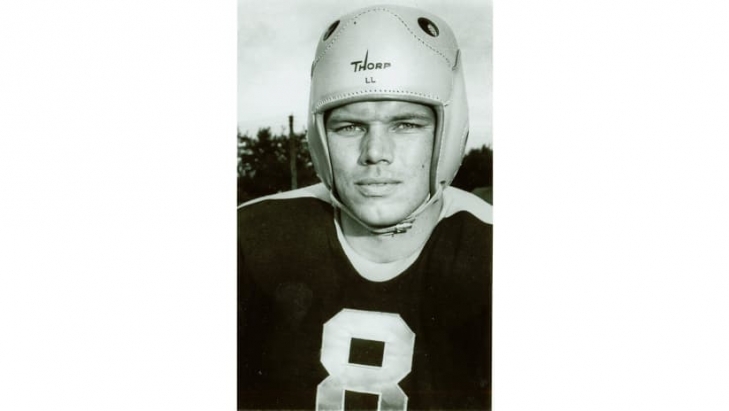
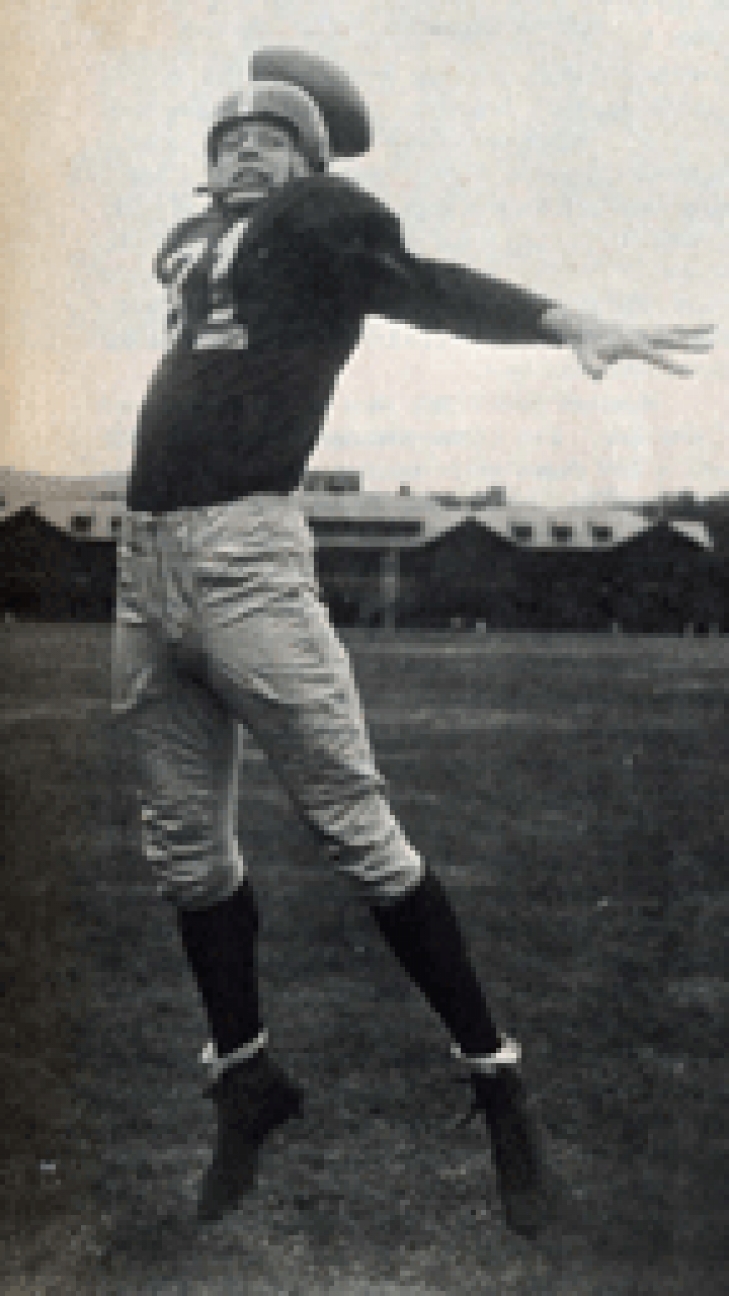
251. Spec Sanders

At first, this might seem like someone who doesn’t deserve a rank, but the more we look, the more we think he deserves a spot on this list.

Spec Sanders was chosen by the Washington Redskins as the 6th Overall Pick in the 1942 NFL Draft, but as this occurred during WWII, Sanders would serve his country in the military until the end of the war.  Afterward, Sanders joined the New York Yankees of the AAFC, and arguably became the first unquestioned offensive juggernaut of the new league.  

In 1946, he was the inaugural Rushing Champion with 709 Yards and would also finish atop the AAFC leaderboard in Rushing Touchdowns (6) and All-Purpose Yards (968).  That was good, but Sanders would shatter that in 1947, when he would have 1,432 Rushing Yards and 18 TDs on the ground.  It would take over a decade for those single-season numbers to be eclipsed, as Jim Brown would rush for 1,527 Yards in 1958, and Jim Taylor would break his rushing Touchdown record in 1962.  Sanders was also one of the better passers in those two years, and his offensive prowess in the AAFC had few, if any, equals.

Knee issues forced his early retirement, but he returned in 1950 with the New York Yanks of the NFL, and while focusing on the defensive side of the ball, he set a then-record of 13 interceptions in a season.  That would be the last year that Sanders played pro football, but for a brief career, it certainly was spectacular!

What obviously hurts Sanders in his Hall of Fame quest is that the teams he played for no longer exist, and his best run happened in a league that was absorbed in 1950.  It is next to impossible for a legacy to get past those two obstacles.