- Published in Baseball
217. Del Pratt
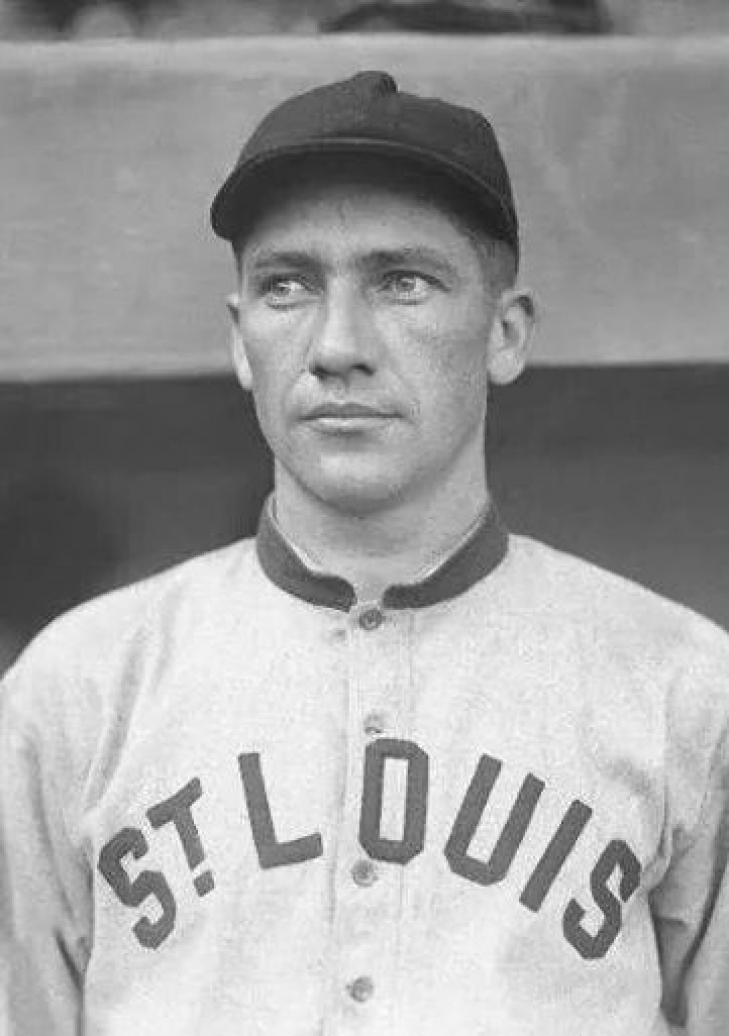
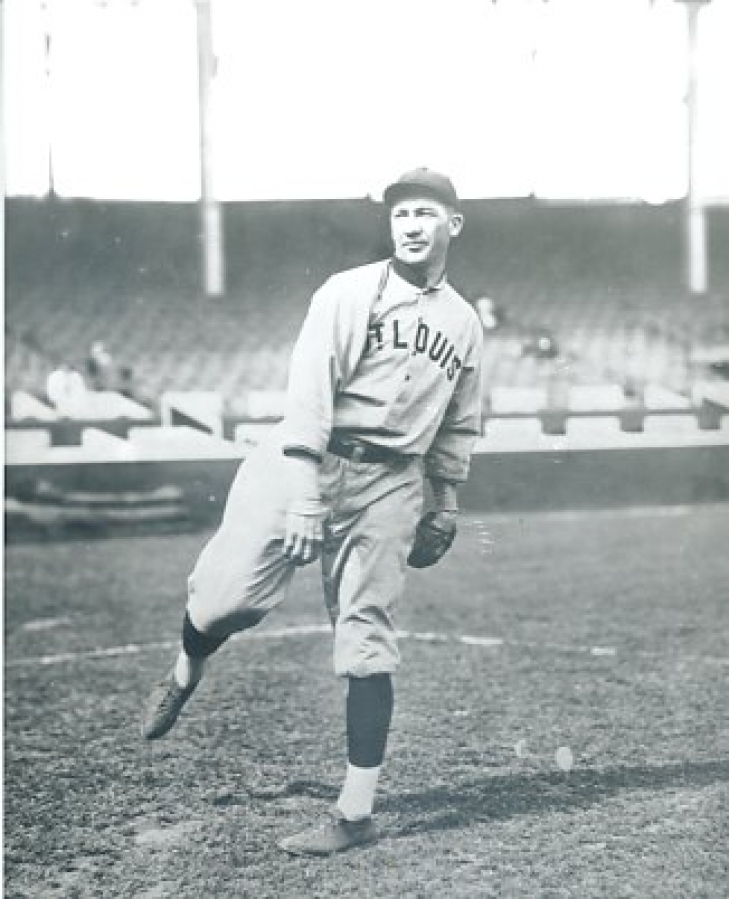
Del Pratt had a great rookie campaign in 1912, where the then St. Louis Brown had 172 Hits and a .302 Batting Average. The Second Baseman continued to do well, recording at least 159 Hits with 26 Stolen Bases and finishing first in Runs Batted In (103) in 1916. That was a good initial run, but all was not well in the city of St. Louis.
The Second Baseman had a poor 1917, and the Browns’ owner, Phil Ball, suggested that Pratt and other Browns players were deliberately playing badly with the hope of being traded. Ball suggested pay cuts for those players. Incensed that he was accused of dogging it, he and his teammate, Doc Lavan, sued Ball for slander. While the suit was eventually settled, Pratt was traded to the Yankees, which was good for both sides, as neither wanted to be around the other.
Pratt rebounded with New York, and he batted .314 in 1920. He was traded to the Boston Red Sox in 1921, where he batted .300 over his two seasons. He played two final years with the Detroit Tigers, again batting over .300 in those campaigns.
Pratt left the game four Hits shy of 2,000 with a Batting Average of .292.