

Site Admin
23. Rudy York
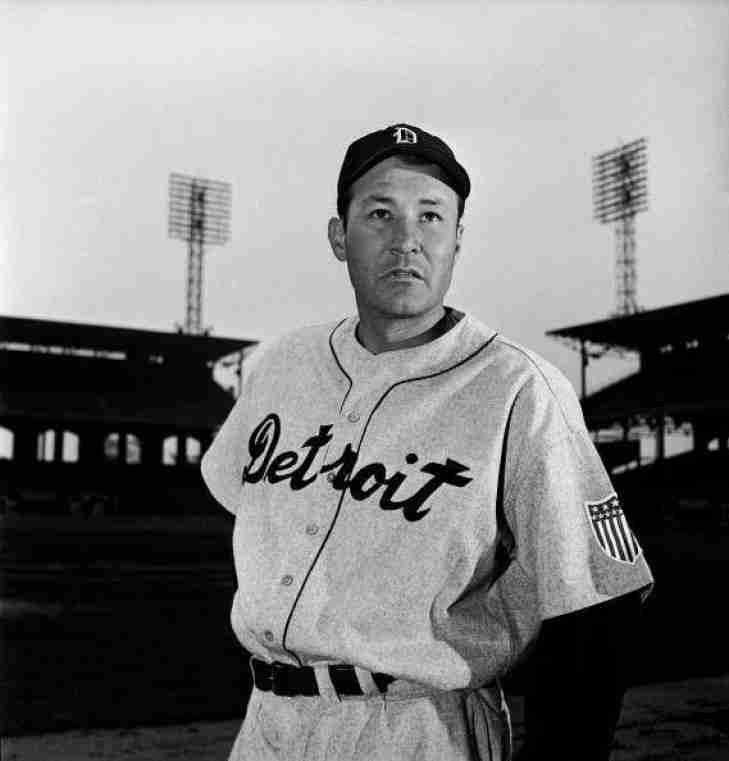
Rudy York arrived in Detroit as a defensive puzzle but an offensive powerhouse, a man whose specialized power was so undeniable the Tigers had to find a place for him on the diamond. Whether he was behind the plate or at first base, York provided a high-frequency home run threat that bridged the gap between the era of Mickey Cochrane and the post-war stars. For a decade in the Motor City, he was the middle-order muscle that kept the Tigers in the hunt, proving he could produce elite numbers regardless of whether the league's best were on the field or serving overseas.
York’s ascent in Detroit began with a historic explosion in 1937. As a rookie, he reached an unprecedented gear in August, hitting 18 home runs in a single month—a major league record that stood for eight decades. He finished his debut season with 35 homers and 101 RBIs, signaling a transition from a prospect to a franchise pillar almost instantly. He possessed a focused intensity at the plate that made him a nightmare for American League pitchers, a style that allowed him to smack at least 20 home runs in seven consecutive seasons. He wasn't just a "solid contributor"; he was a model of pure slugging who provided the run-scoring volume the Tigers built their lineup around.
In 1943, while the war had thinned some rosters, York proved his hitting was elite by leading the American League in home runs (34), RBIs (118), and slugging percentage (.527). He finished third in the MVP voting that season, an outlier who anchored a Detroit squad that remained a perennial contender. He was a seven-time All-Star, an honor that reflected how his peers regarded him as one of the era’s premier offensive forces. He showed the organization that a player could become a legend by simply being the most dangerous man in the batter's box every afternoon.
Everything culminated in the 1945 championship run. York provided a veteran-like poise for the Tigers as they chased the pennant, contributing 18 home runs and 87 RBIs during the regular season. While his individual numbers in the World Series were modest, his presence in the cleanup spot was a deterrent that helped Detroit secure the title over the Cubs. Following the 1945 season, with the war over and stars like Hank Greenberg returning to full-time action, the Tigers viewed the 32-year-old York as a trade chip whose defensive limitations outweighed his power. In January 1946, Detroit dealt him to the Boston Red Sox for shortstop Eddie Lake, a move that prioritized infield defense over York’s aging bat.
He left the club as one of the most prolific right-handed hitters to ever wear the uniform, having amassed 239 home runs and 1,317 hits.
18. Jack Morris
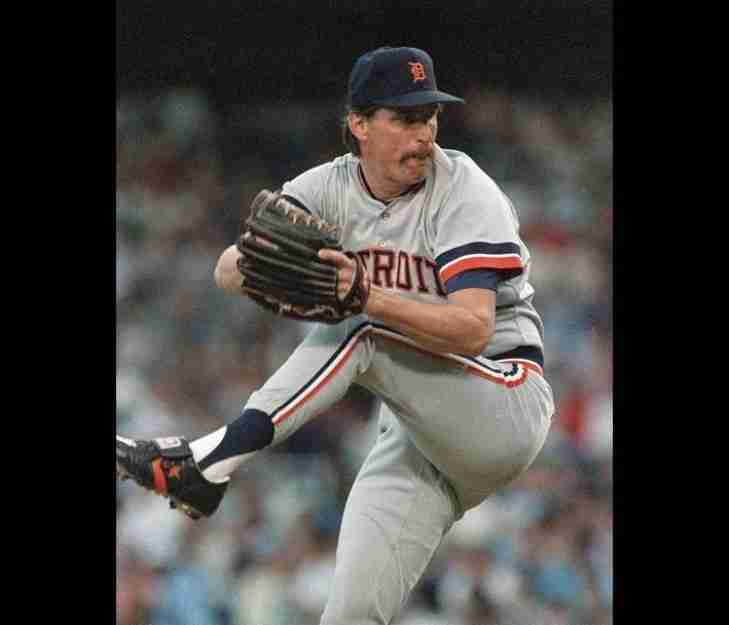
Jack Morris was the definitive workhorse of his era, a pitcher who didn't just inhabit the rotation; he owned it. For fourteen seasons in Detroit, he was the embodiment of the "big game" starter, a man whose competitiveness was as legendary as the split-fingered fastball that eventually made him the winningest pitcher of the 1980s. While he wasn't always a darling of the scouts who favored efficiency over grit, Morris possessed a specialized durability that allowed him to finish what he started, leading the league in innings and complete games while anchoring a championship staff.
Morris’ ascent in Detroit began in the late 1970s, but he arrived in 1979 when he won 17 games and established himself as the rotation’s primary outlier. By 1981, he had matured into a tactical ace, leading the American League with 14 wins in a strike-shortened season and earning his first All-Star nod. He was a model of high-frequency excellence, often categorized by his "bent-back" delivery and a focused intensity that made him a nightmare for opposing hitters. He proved that he could maintain professional poise even under the heaviest workloads, throwing over 240 innings across five seasons for the club.
Everything culminated in the historic 1984 campaign. Morris signaled his transition into a franchise pillar early that year by throwing a no-hitter against the White Sox in just his second start of the season. In the postseason, going 3-0 across the ALCS and World Series. In the Fall Classic against the Padres, he threw two complete-game victories, including the clincher in Game 5, proving to the world that he was a specialized big-game performer. He finished his Detroit residency with 198 wins, including a league-leading 20-win season in 1983 and three other seasons where he finished in the top five of the Cy Young voting.
The final chapters of his Tigers tenure saw him maintain a steady-state reliability as the veteran-like leader of the staff. While he eventually moved on to win three more rings with Minnesota and Toronto, his identity remained deeply rooted in the Motor City, where he amassed 1,980 strikeouts and 154 complete games. He was a horse who thrived on the psychological edge of the mound, a style that eventually carried him to the Hall of Fame via the Veterans Committee in 2018.
The story in Detroit reached its final punctuation later that summer when the Tigers retired his number 47, placing him forever among the icons of the franchise.
24. Donie Bush
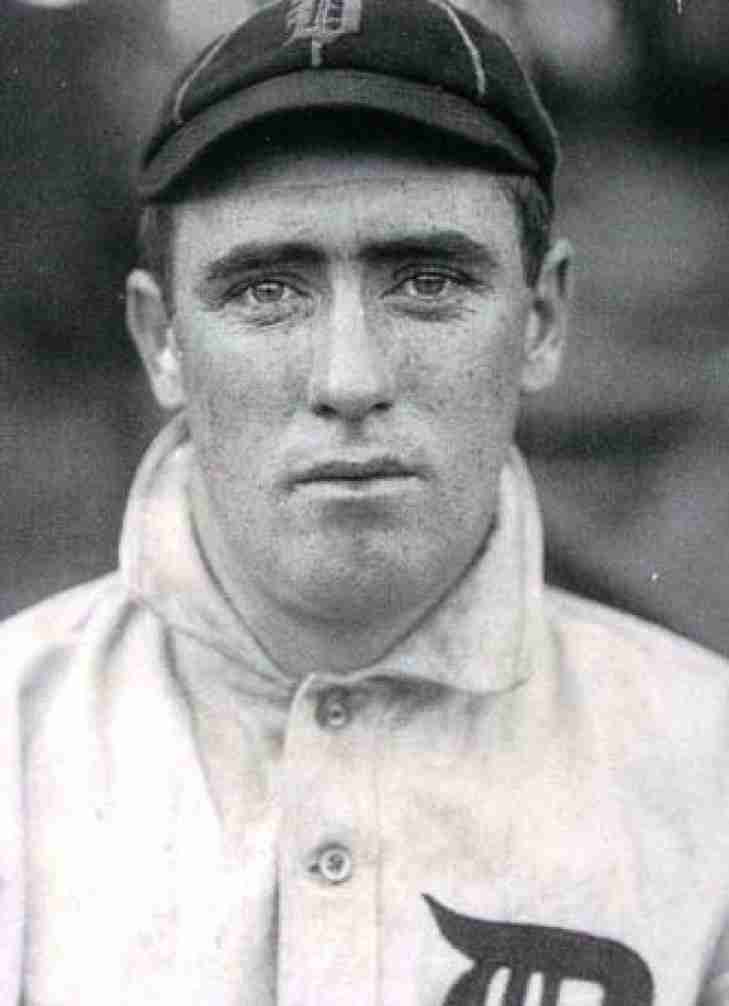
Donie Bush arrived in Detroit as a defensive specialist whose glove was as quick as his name was short. In an era where the Tigers' lineup featured the thunder of Ty Cobb and Sam Crawford, Bush provided the quiet, tactical foundation that allowed the offense to function. For fourteen seasons, he anchored the middle of the infield, proving that a player could become a franchise pillar not by overpowering the ball, but by mastering the art of the walk and the precision of the shortstop position.
Bush’s rise in Detroit began with an immediate impact on the grass in 1908. By 1909, he had secured his place as the everyday shortstop for a pennant-winning squad, proving he could handle the defensive rigors of the dead-ball era. He reached a career-defining breakout during that first full season, where he led the American League in walks with 88, a high-frequency achievement he would repeat four more times in his career. He possessed a focused intensity at the top of the order, signaling a transition from a young prospect to a premier table-setter who prioritized getting on base for the Hall of Fame bats behind him.
The core of his tenure was defined by a decade of defensive excellence and a disciplined eye. Between 1909 and 1915, Bush reached a peak for all-around value, finishing in the top ten in defensive bWAR nearly every season. While his .250 batting average was modest even for his day, his ability to draw walks made him an outlier in efficiency. He showed the organization that a player could be a primary engine for run scoring without a massive slugging percentage, routinely scoring 90 or more runs as the Tigers remained a perennial threat in the American League. He was a model of physical resilience, often playing over 150 games a year in a time when the diamond was a rugged environment.
Everything culminated in a sustained run of consistency that saw him amass 1,745 hits in a Detroit uniform. However, the game’s natural evolution and the shifting needs of the roster led to a change in direction following the 1921 season. Bush was placed on waivers and claimed by the Washington Senators, leaving the Motor City as the club's all-time leader in walks and one of its most durable infielders. He left behind a defensive bWAR of 9.9, a statistical footprint that reflected his status as the most reliable glove the Tigers had ever seen at the position.
15. Dizzy Trout
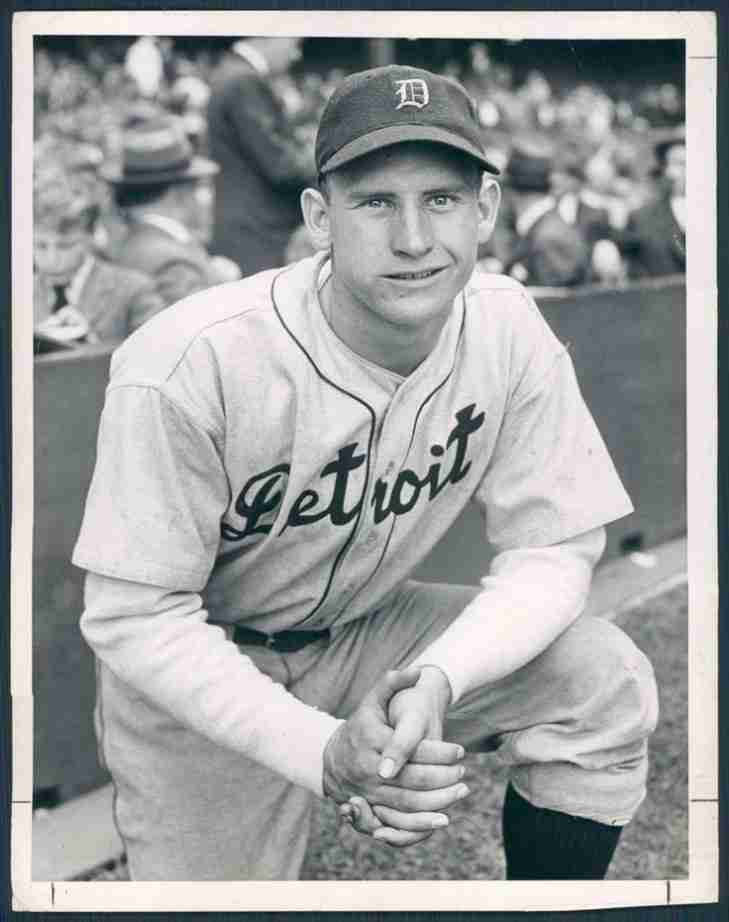
The story of "Dizzy" Trout is a fascinating narrative of a pitcher who became a titan of the American League during one of baseball's most unique eras. For fourteen seasons, Trout was a mainstay of the Detroit Tigers' rotation, evolving from a struggling young arm into one-half of the most feared pitching duo in the game. While he thrived during the depleted years of World War II, his longevity and professional resilience allowed him to remain a tactical asset for Detroit long after the stars returned from overseas.
When he debuted in 1939, he arrived with a "Dizzy Dean" persona, a loud-talking, colorful character who spent more time "clowning" than dominating. His first four seasons were defined by a losing record (33-44) and a lack of focus, even as he struggled during the Tigers' 1940 pennant run, when he was largely relegated to the bullpen and lost his only World Series start. It wasn't until 1943 that Trout finally abandoned the antics and matured into a professional, anchoring the staff with 20 wins and five shutouts, signaling his transition into a premier AL ace.
His career reached a definitive zenith in 1944, a season in which he and teammate Hal Newhouser nearly carried Detroit to the pennant by themselves. That summer, Trout led the major leagues with a 2.12 ERA and won 27 games, finishing as the runner-up for the AL MVP. He possessed a specialized durability that saw him lead the league in innings pitched (352.1), complete games (33), and shutouts (7). He was a model of specialized efficiency during this run, dominating as both a high-frequency starter and an occasional high-leverage reliever when the team needed a save.
The hallmark of his time in Detroit was his focused intensity during the 1945 World Series run. While his regular-season win total dropped to 18, he reached a professional high point in the postseason against the Chicago Cubs. Trout was a primary engine of the championship, recording a critical five-hit, complete-game victory in Game 4. He finished the Series with a 1.72 ERA and a sub-0.9 WHIP, showing that his tactical poise could survive the highest stakes. He eventually amassed 161 wins in a Detroit uniform, maintaining a steady-state effectiveness that saw him finish in the top ten in ERA as late as 1950.
His tenure with the organization ended during the 1952 season, when he was included in a massive nine-player trade to the Boston Red Sox. He departed as a World Series champion and a two-time All-Star, a man who arrived as a "clown" and left as one of the most decorated and durable arms in Tigers history.
As a Tiger, Trout compiled a 161-153 record with a 3.20 ERA and 1,199 strikeouts across fourteen seasons.