

Site Admin
21. Hooks Dauss
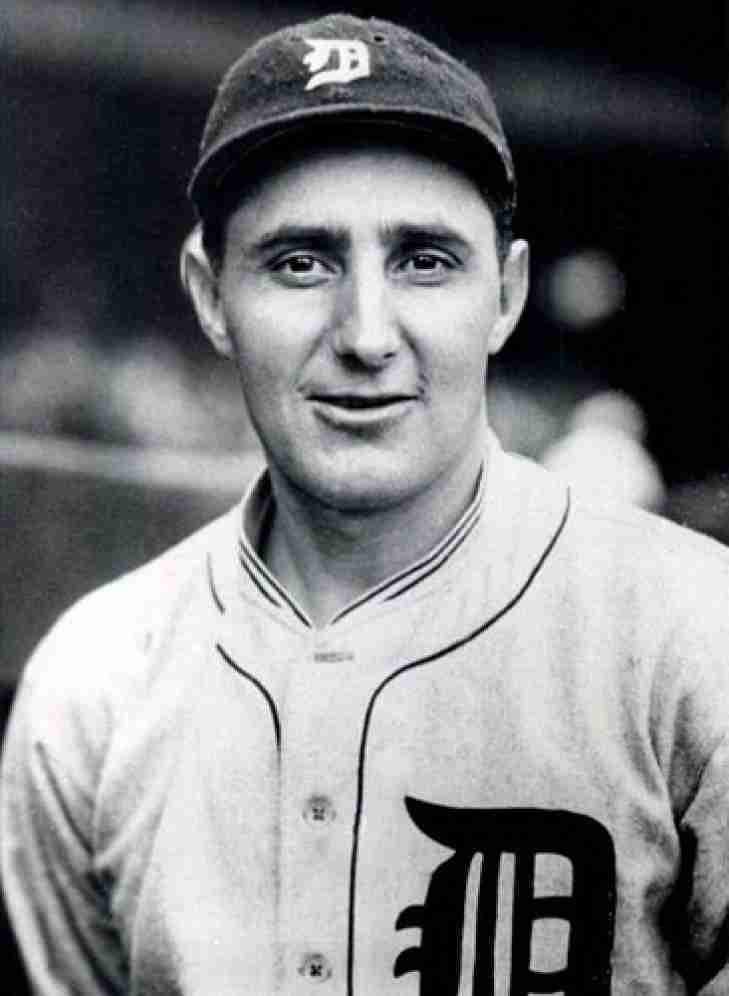
The story of "Hooks" Dauss is one of quiet, unwavering longevity in a city that usually preferred its stars loud and aggressive. Arriving in Detroit just as the first great Tigers dynasty was beginning to pivot, Dauss didn't rely on the raw velocity of his predecessors. Instead, he possessed a specialized curveball so devastating that it earned him a nickname that followed him for fifteen seasons. While he spent much of his prime pitching behind the shadow of Ty Cobb’s offensive fireworks, Dauss became the steady rock of the Detroit rotation.
Dauss began to establish his foothold in 1913, his first full year in the big leagues. At just 24 years old, he reached a high-water mark for efficiency, winning 13 games with a 2.48 ERA and proving he could maintain his composure against the best of the American League. He wasn't a tactical experiment; he was a model of specialized movement, using that patented curve to navigate a Deadball Era where hitters lived on contact. By 1915, he hit a new gear, recording the first of his three 20-win seasons and establishing himself as the primary outlier in the Tigers' staff.
The middle of his tenure was defined by a relentless presence on the mound. Between 1913 and 1923, Dauss was a model of physical resilience, exceeding 200 innings in ten different seasons. He reached a career peak in 1919 and again in 1923, crossing the 20-win plateau both times and proving that his poise could survive the transition into the high-scoring "Live Ball" era. He possessed a focused intensity that allowed him to adapt as the game around him changed, finishing in the league’s top ten in wins on five separate occasions. He showed the organization that a pitcher could become a franchise pillar by simply being the most reliable man in the clubhouse.
The final chapters of his Detroit story reached a historic crescendo in the mid-1920s. While his physical stuff began to show the natural wear of a decade-plus workload, Dauss continued to pile up the wins required to rewrite the record books. He eventually surpassed George Mullin for the most victories in Tigers history, a statistical footprint that has remained untouched for nearly a century.
With the Tigers, Dauss compiled a franchise-record 223 wins, 1,201 strikeouts, and a 3.30 ERA across fifteen seasons.
19. Jim Bunning
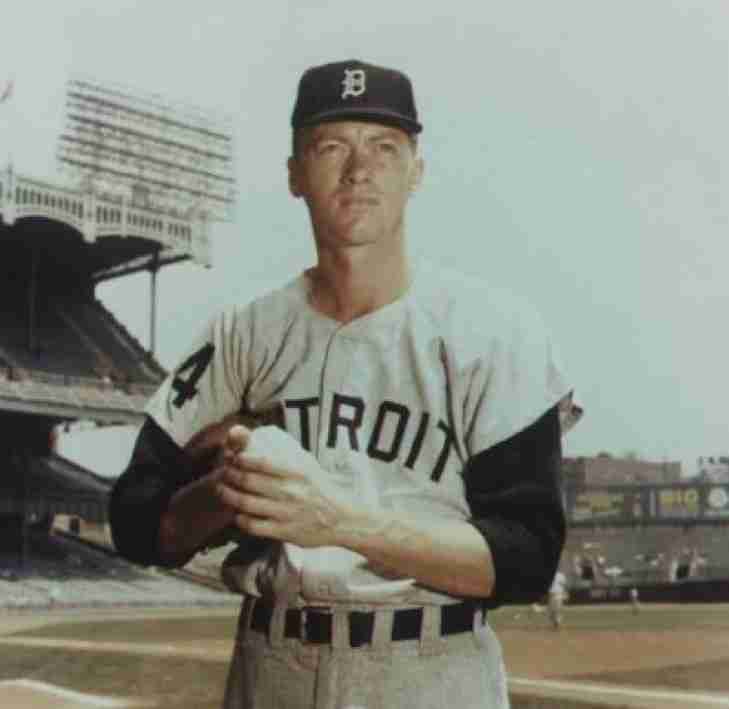
The trajectory of Jim Bunning in Detroit is a study of a specialized technician who arrived as a project and left as an elite hurler. While he is often associated with the perfect game he later threw in Philadelphia, Bunning’s professional foundation was built in the Motor City. For nine seasons, he served as the high-frequency engine of the Tigers' rotation, a sidearm-throwing right-hander whose deceptive delivery and focused intensity made him one of the most difficult matchups in the American League during the late 1950s.
Bunning’s ascent in Detroit began in earnest in 1957, a season that served as his arrival. After a few inconsistent years of seasoning, he reached a definitive level of efficiency by leading the American League with 20 wins and a 2.60 FIP. He possessed a specialized, cross-fire delivery that hid the ball until the last possible second, a style that allowed him to strike out 182 batters and earn the first of five All-Star selections with the club. He proved that a pitcher could become a franchise pillar by mastering the tactical demands of the "inner half," a steady-state approach that kept him at the top of the league's leaderboards for years.
The hallmark of his time in Detroit was a relentless run of high-frequency strikeout totals. In 1959 and 1960, he led the American League in strikeouts both seasons. During this window, he was a model of specialized durability, routinely throwing over 250 innings and maintaining a professional poise even as the Tigers struggled to find a consistent supporting cast. He famously threw a no-hitter against the Red Sox in 1958, signaling his transition into the upper echelon of the game's starters. He wasn't just a "solid contributor"; he was the arm the Tigers relied on to stop every losing streak, eventually amassing 118 wins in a Detroit uniform.
Despite the high-leverage workload, he finished his tenure with 1,406 strikeouts and a winning record in seven of his nine seasons with the club. However, the organization decided to pivot toward youth, trading Bunning to the Phillies following the 1963 season in a move that remains one of the most lopsided in franchise history. He departed as a five-time All-Star and a no-hit hero, a man who arrived as an unheralded prospect and left as a statistical titan of the mound.
The story in Detroit reached its final punctuation in 1996 when Bunning was inducted into the Baseball Hall of Fame. While he chose to wear a Phillies cap on his plaque, his legacy remains deeply rooted in the Motor City as one of the most dominant right-handers in club history.
20. George Mullin
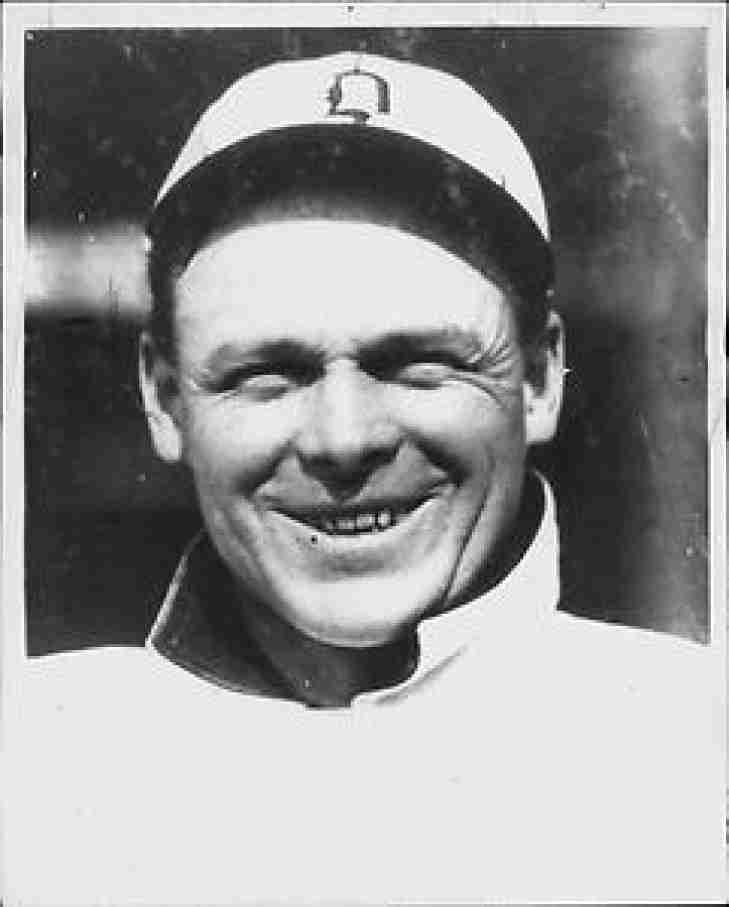
George Mullin was the immovable object at the center of the first great Detroit Tigers dynasty. A thick-set right-hander with a legendary appetite and an even greater capacity for work, Mullin was the engine that allowed Ty Cobb and Sam Crawford to chase pennants. While he was often a statistical outlier for his lack of control, frequently leading the league in walks, he compensated with a specialized durability that has never been matched in franchise history.
Mullin’s ascent in Detroit began in 1902, and he immediately showed his ability as a workhorse. In just his third season, he reached a staggering level of volume, pitching 403.1 innings, a single-season Tigers record that will likely never be challenged. He was a model of specialized resilience, frequently exceeding 20 wins and 300 innings as he anchored the rotation through the turn of the century. He wasn't a tactical artist; he was a power-pitching workhorse who dared hitters to beat him, a style that saw him lead the American League in walks four times but also kept him at the top of the leaderboards for complete games.
Everything culminated in a three-year run of American League dominance from 1907 to 1909. During this window, Mullin reached a definitive professional zenith, serving as the primary starter for three consecutive pennant-winning squads. In 1909, he led the league with 29 wins and a .784 winning percentage, providing the steady-state reliability required to fend off the rest of the AL. While the Tigers famously failed to secure a World Series title during this era, Mullin reached a professional high point in October; over six starts in the Fall Classic, he maintained a microscopic 1.86 ERA and a 3-3 record, proving his focused intensity could survive the highest stakes.
The final chapters of his Detroit residency showcased a rare, multi-dimensional athleticism. Mullin wasn't just a specialized arm; he was one of the most dangerous hitting pitchers in the game’s history. He finished his Tigers tenure with 372 hits and a .261 batting average, often being called upon to pinch-hit in high-leverage moments. He possessed a specialized power at the plate that complemented his 209 career wins, and he eventually left the organization in 1913 as the franchise leader in both wins and innings pitched.
26. Dick McAuliffe
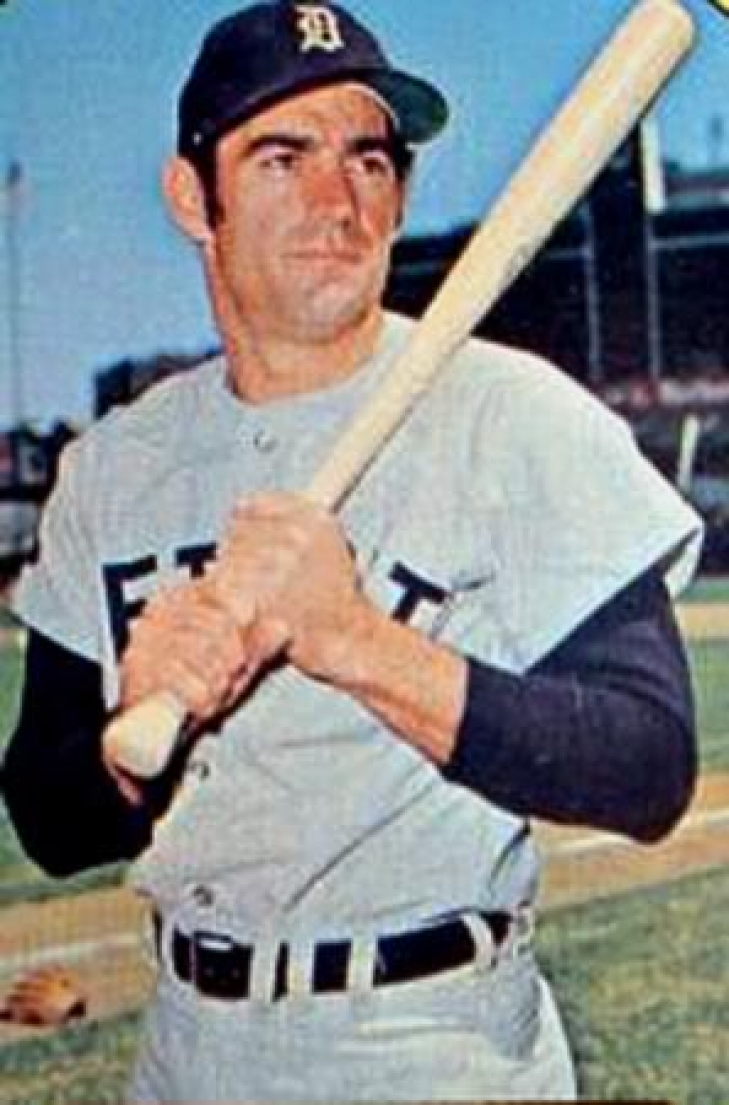
Dick McAuliffe arrived in Detroit as a gritty infielder who defied every conventional rule of the batter's box. With a wide-open, leg-kicking stance that looked more like a challenge than a technique, he became the high-energy spark plug for the most beloved era of Tigers baseball.
Dick McAuliffe arrived in Detroit as a gritty infielder who defied every conventional rule of the batter's box. With a wide-open, leg-kicking stance that looked more like a challenge than a technique, he became the high-energy spark plug for the most beloved era of Tigers baseball. For fourteen seasons, he anchored the middle of the diamond, proving that a player could become a franchise pillar through a relentless pursuit of the plate and a specialized ability to turn a walk or a hit into a run.
McAuliffe’s rise in Detroit began with a transition from a utility prospect to a frontline starter in the early sixties. He reached a career-defining breakout in 1964, hitting 24 home runs and signaling a transition from a defensive replacement to a premier offensive threat at shortstop. He possessed a focused intensity that made him a nightmare for American League pitchers, as his strange batting stance allowed him to generate surprising power from his small frame. By 1965, he had reached a new gear of consistency, earning the first of three consecutive All-Star selections and providing the dependable, day-to-day production that kept the Tigers in the hunt for a pennant.
The heart of his time in Detroit was defined by a decade of defensive versatility and a disciplined eye. While he spent time at shortstop, his move to second base solidified the Tigers' infield defense during their most successful run. He reached a career peak during the historic 1968 campaign, where he led the American League in runs scored (95) and didn't ground into a single double play the entire season.
Everything culminated in the 1968 World Series title, where McAuliffe served as the emotional lead-off man for a championship squad. However, the natural evolution of the roster and the team’s shifting needs led to a change in direction following the 1973 season. The Tigers traded their veteran infielder to the Boston Red Sox, leaving the Motor City as one of the most productive middle infielders to ever play at the corner of Michigan and Trumbull. He left behind 1,391 hits and nearly 200 homers.