

Site Admin
46. Doug DeCinces
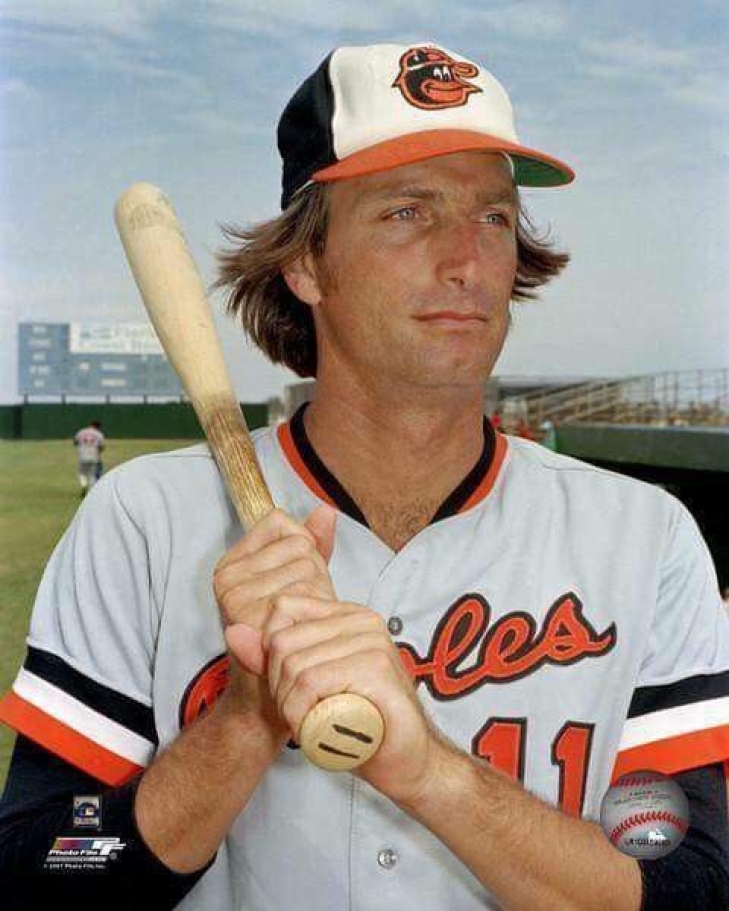
Stepping into the vacuum left by the retirement of Brooks Robinson was a task many deemed impossible, yet Doug DeCinces handled the transition with a blend of power and defensive poise that defined the Orioles' infield for nine seasons. While he spent years playing in the shadow of a legend, DeCinces emerged as one of the most productive third basemen in the American League during the late 1970s.
While traditional Gold Glove voters often overlooked him, modern advanced metrics reveal DeCinces was an elite defensive anchor. His Total Zone and dWAR figures during his Baltimore tenure confirm he was a legitimate defensive presence, often rivaling his peers in range and sure-handedness. Offensively, he provided a significant power upgrade at the position, reeled off four seasons of 16 or more home runs in Baltimore, and served as a key run-producer for the 1979 American League Champions.
His most iconic moment came in June 1979, the famous "Night of the Magic”, when his walk-off home run against Detroit ignited the phrase "Oriole Magic." Although his only All-Star appearance came later with the Angels, his foundational years in Baltimore were essential to the club's success. He left the Orioles with 738 hits, 107 home runs, and a robust .428 slugging percentage.
He was Inducted into the Orioles Hall of Fame in 2005.
38. Chris Hoiles
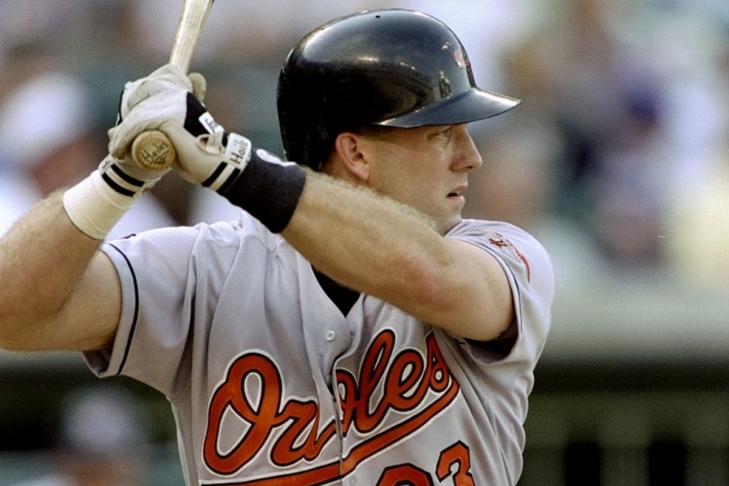
A "Lifer" who spent his entire ten-year Major League career in Baltimore, Chris Hoiles was the steady, powerful bridge between the "Oriole Magic" of the late 80s and the postseason runs of the mid-90s. While he was lauded by his pitching staff for his game-calling and veteran leadership, his statistical profile reveals him to be one of the most productive offensive catchers of his generation.
Defensively, Hoiles was the gold standard of reliability, remarkably posting a perfect 1.000 fielding percentage on four separate occasions. Offensively, he was a master of the "long ball" and plate discipline. Though he never sought to be a high-volume hit collector, he reeled off eight seasons with double-digit home runs, including two years surpassing the 20-HR mark. His 1993 campaign remains a franchise legend for catchers, as he batted .310 with 29 home runs and a massive 1.001 OPS.
Hoiles finished his career with 151 home runs and a stellar .366 on-base percentage, a testament to a disciplined eye that frustrated American League pitchers for a decade. He famously became the only catcher in MLB history to hit two ultimate grand slams (walk-off grand slams while trailing by three runs), a feat that perfectly captured his "clutch" DNA.
Inducted into the Orioles Hall of Fame in 2005, Hoiles remains a beloved figure in Baltimore lore.
40. Davey Johnson
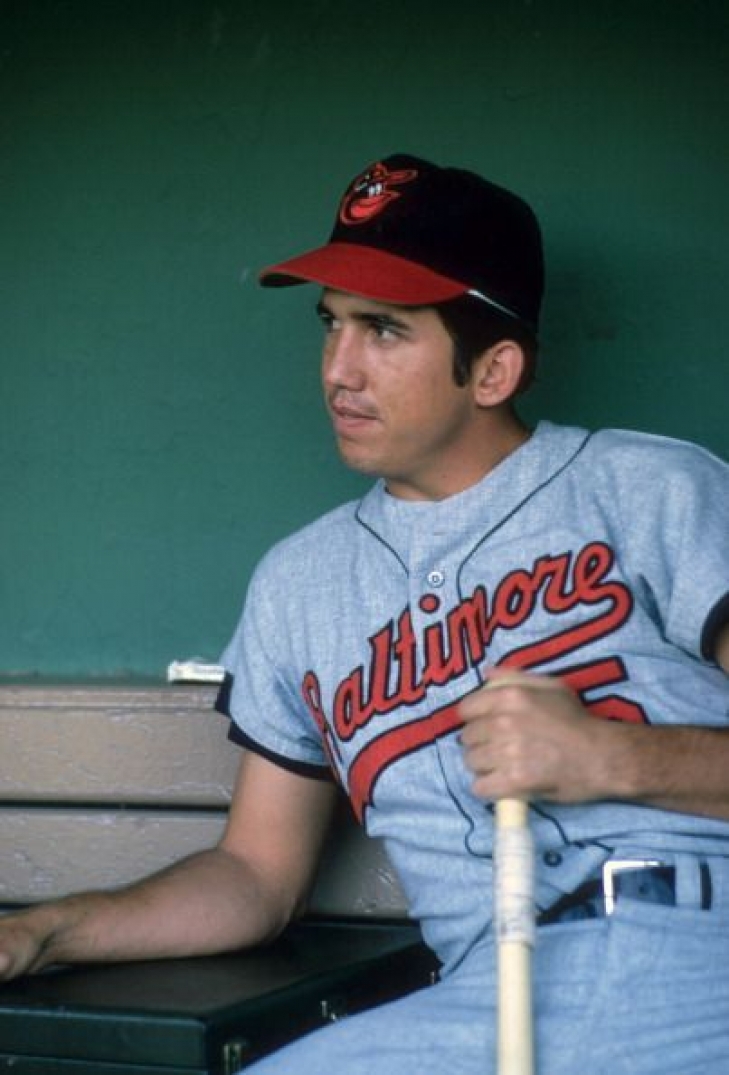
Davey Johnson arrived in Baltimore in 1965 as part of a wave of young talent that would eventually define the "Oriole Way." Though he would later be remembered as a tactical genius in the dugout, his playing career in Baltimore was marked by the same cerebral approach and defensive mastery. Alongside Brooks Robinson and Mark Belanger, Johnson formed one-third of perhaps the greatest defensive infield in baseball history.
Johnson’s impact was immediate; he finished third in the 1966 Rookie of the Year voting, proving to be the missing piece at second base for the franchise's first World Series title. While he wasn't the most feared power threat during his tenure in Baltimore, he was a master of the fundamentals. From 1969 to 1971, he secured three consecutive Gold Gloves, proving to be the vacuum that turned the Orioles' pitching staff into a juggernaut. His reliability was rewarded with three straight All-Star selections (1968–1970) during the peak of the dynasty.
Though his regular-season totals as an Oriole included 904 hits and 66 home runs, Johnson’s true value in the Project Diamond lab is measured in rings. He was a pivotal starter for the 1966 and 1970 World Series champions, famously hitting .313 with a .476 on-base percentage during the 1970 Fall Classic victory over the Cincinnati Reds.
Inducted into the Orioles Hall of Fame in 1997, Johnson’s legacy in Baltimore is two-fold: a gritty, All-Star second baseman who helped build a dynasty, and a brilliant strategist who returned to the dugout to lead the club back to the postseason in the 1990s.
44. Lefty Stewart
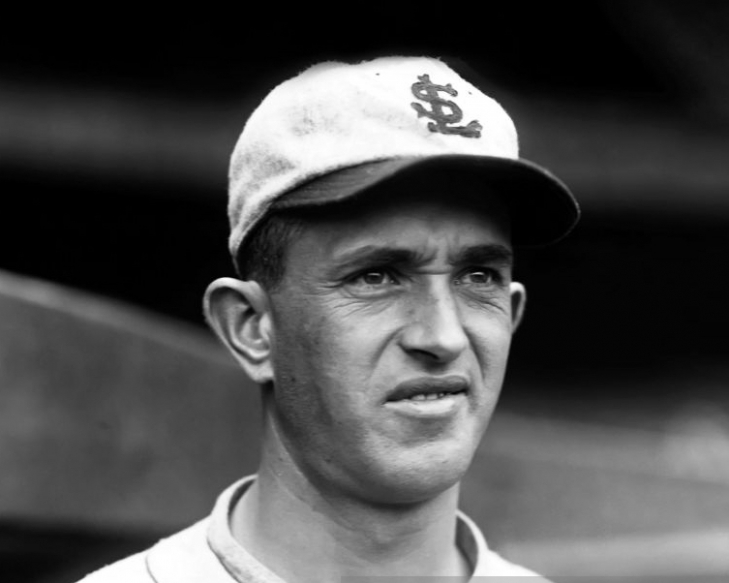
Walter Cleveland Stewart, known simply as "Lefty," was a durable left-handed mainstay who provided the St. Louis Browns with high-level stability during a period of league-wide offensive volatility. While he spent six seasons in the Browns' rotation (1927–1932), it was his final three years in St. Louis that cemented his legacy as one of the franchise's premier arms of the Depression Era.
Stewart’s 1930 campaign remains one of the most underrated individual seasons in Browns history. In a year where the league-wide ERA was sky-high, Stewart defied the trend by winning 20 games and posting a 3.45 ERA, which ranked third-best in the American League. His value was confirmed by advanced metrics, as he finished third in the AL in Pitching bWAR (7.2), trailing only Hall of Famers Lefty Grove and Wes Ferrell. Stewart was a workhorse who specialized in the complete game, providing the Browns with a competitive edge every fifth day.
His tenure in St. Louis came to an end in 1932, when he was traded to the Washington Senators, where he would immediately help his new club reach the World Series. He left the Browns with 73 wins and a reputation as a pitcher who thrived in an era dominated by hitters.