
Site Admin
13. Alex Rodriguez
Oh boy…
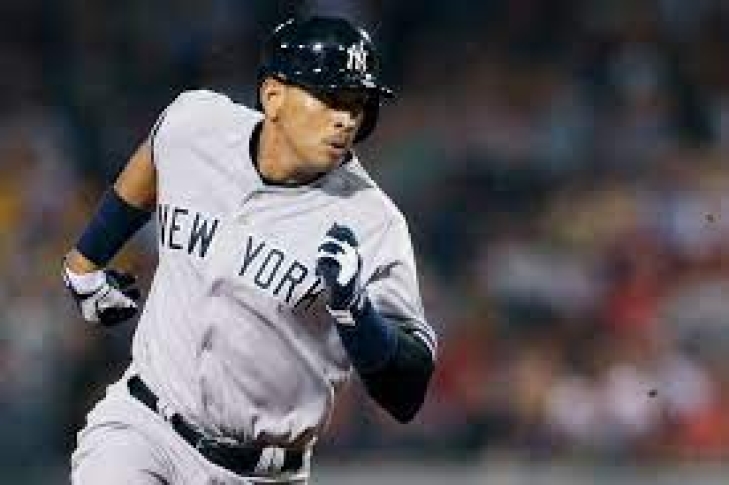
In February 2004, Alex Rodriguez’s arrival felt more like a major corporate merger than a typical baseball trade. Coming off an MVP season in Texas and carrying a historic contract, Alex Rodriguez moved to New York after Aaron Boone's off-season injury created a third-base opening. This change required a quick adjustment: although Rodriguez had won four straight Gold Gloves at shortstop, he moved to third base to keep Derek Jeter in his usual position.
His early career provided significant regular-season contributions combined with high-stakes October performances. In 2005, he earned his first MVP award while wearing pinstripes, hitting 48 home runs to surpass Joe DiMaggio’s longstanding franchise record for right-handed batters. However, subdued performances in back-to-back ALDS eliminations in 2005 and 2006 fueled a local narrative that his batting struggles intensified under pressure.
Internal tensions reached their peak and then shattered in 2007. Rodriguez had an outstanding season, batting .314 with a league-high 54 home runs and 156 RBIs, earning his second Yankees MVP. However, his on-field success was accompanied by off-field drama; he chose to opt out of his contract during the World Series, sparking tense negotiations that eventually led to a new, even more lucrative ten-year contract to stay with the Yankees.
By 2009, the focus shifted from financial issues to resilience. After major hip surgery and publicly admitting to past performance-enhancing drug use during his Texas years, Rodriguez made a mid-season comeback to lead a revamped team. Come October, he finally quieted postseason critics. He powered the offense through the ALDS and ALCS, hitting five crucial late-inning home runs and driving in important runs in the Fall Classic, earning his only championship ring.
The concluding phase of his pinstripe career became a prolonged battle of attrition. Ongoing injuries hindered his performance, and in 2013, the Biogenesis scandal broke out, leading to a historic 162-game suspension that meant he missed the entire 2014 season. He made a notable comeback with 33 home runs in 2015, but by 2016, age and conflicts with the front office ultimately caught up with him.
As his performance declined and the organization shifted toward a youth movement, the front office arranged his departure in mid-August. He played his last game in pinstripes on August 12, 2016, leaving a legacy of 351 home runs, 1,580 hits, and the memorable 2009 championship banner.
Say what you want about A-Rod, but it can’t be ignored that he was among the best of all time.
Itsy Bitsy Teenie Weenie Yellow Polka Dot Bikini
Brian Hyland
Itsy Bitsy Teenie Weenie Yellow Polka Dot Bikini
11. Ron Guidry
8. Yogi Berra
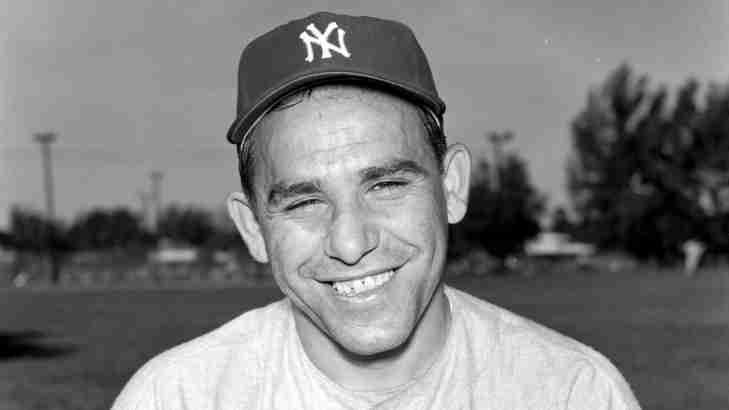
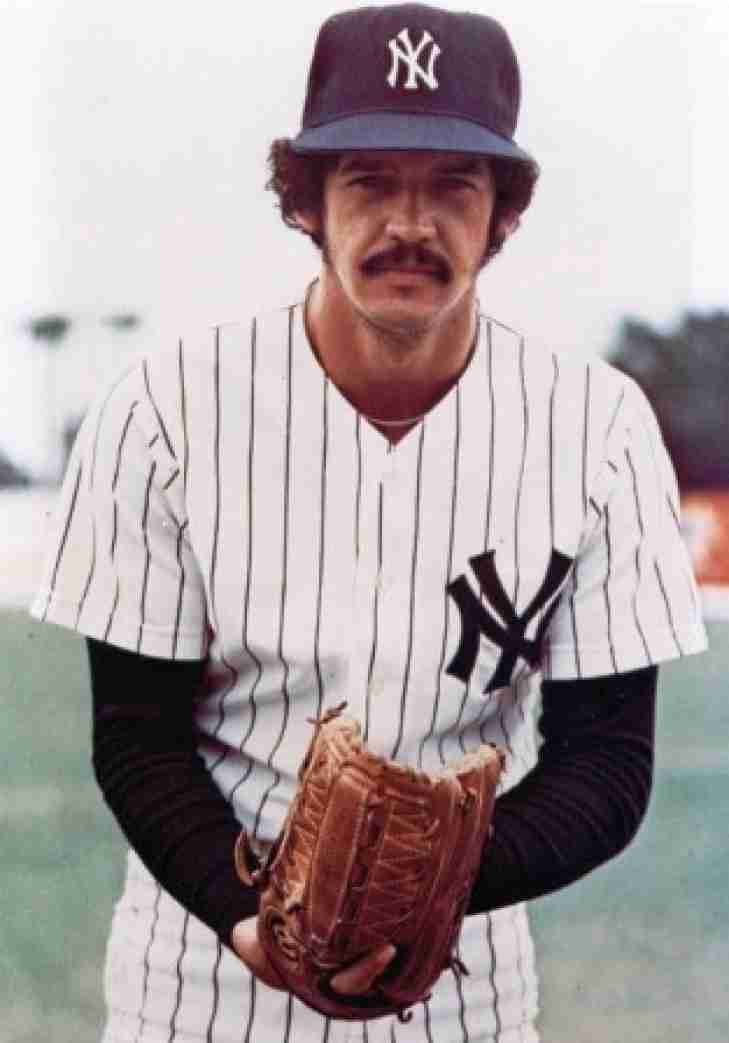
Yogi Berra, a short and stocky kid from St. Louis's Italian-American neighborhood "The Hill,” had just returned from serving in World War II. During the Normandy landings, he operated a rocket boat as a Navy seaman. His raw, unrefined athletic build led many early observers to underestimate his potential in baseball. However, behind his many paradoxical "Yogisms" that turned him into a cherished figure in American sports history, there was much more to his story.
Berra was a legendary and notoriously aggressive "bad-ball" hitter, capable of hitting pitches well out of the strike zone while rarely striking out, as evidenced by his 1950 season, when he struck out only 12 times in 597 at-bats. He reached a personal peak by winning three American League Most Valuable Player Awards (1951, 1954, and 1955) and finishing as runner-up twice. From 1950 to 1957, he maintained an exceptional level of peer recognition, never ranking lower than fourth in MVP voting, and he was a key part of the Yankee lineup as an 18-time All-Star.
While his bat dominated the middle of the card with 358 home runs and 1,430 RBIs, Berra combined this powerful offense with exceptional defensive work and skillful management of the pitching staff. He was a dedicated professional who played in both games of 117 doubleheaders, set a record with 173 career shutouts, and was instrumental in Don Larsen's legendary perfect game during the 1956 Fall Classic. His leadership laid the groundwork for the most glorious era in sports history; he participated in 14 World Series as a player, achieving a record 10 championships.
The long Bronx journey ended after the 1963 season, when he moved into management, leading the Yankees to the 1964 pennant, and he spent a brief 1965 stint with the Mets. His significant impact made his post-career recognition inevitable. In 1972, Cooperstown inducted him into the Hall of Fame, and the Yankees retired his No. 8 to Monument Park, cementing his pinstripe legacy.