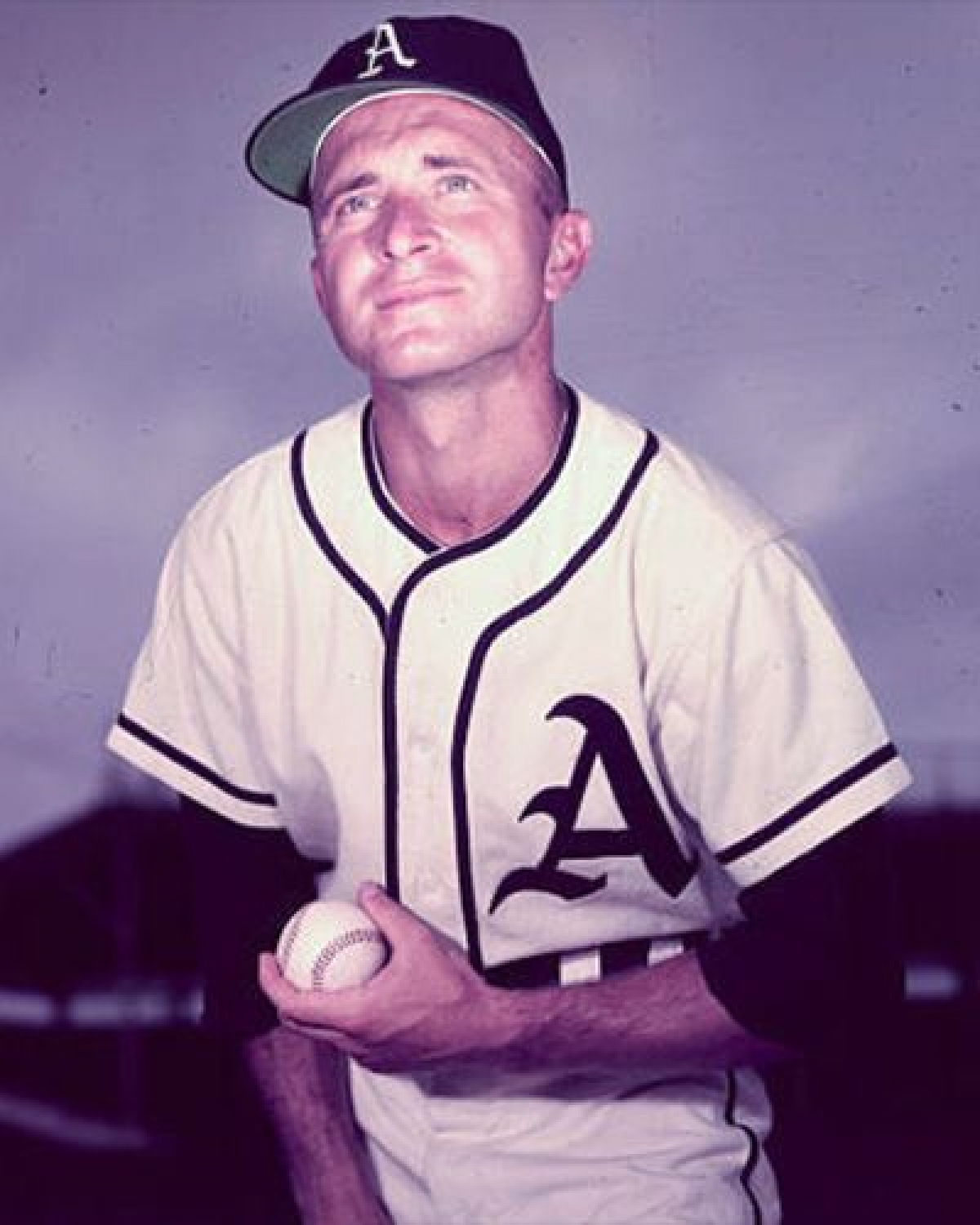
Back in the late 1940s, when Bobby Shantz was working his way through the semi-pro circuits of Pennsylvania, traditional baseball wisdom didn't see him as a future star. Scouts from major league teams mostly overlooked this little left-hander, thinking his 5-foot-6, 140-pound frame might be too small for the tough demands of a big-league starting pitcher. However, Connie Mack looked beyond his size, recognizing a quick, powerful arm and an impressive, fading changeup. The Philadelphia Athletics took a chance on him in 1948. After a few modest developmental summers, this undersized southpaw rose to unexpected heights, delivering a brief but stunning peak that captured the whole baseball world’s attention.
Shantz first discovered his frontline potential during the 1951 campaign. He amazed junior circuit hitters with his precise control and a sharp, biting curveball. His impressive performances earned him his first career All-Star selection, and he finished the season with a solid 18-12 record for a team going through changes in Philadelphia.
That breakout summer truly caught everyone's attention, but it was just the beginning of an incredible, award-winning season in 1952. Shantz became an unstoppable force on the mound, dominating the American League with an impressive 24 wins and only 7 losses. His efficiency was nothing short of spectacular, leading all of baseball with a tiny 1.048 WHIP, along with a stellar 2.0 walks per nine innings and a powerful 2.41 strikeout-to-walk ratio. The entire baseball world recognized his outstanding performance, overwhelmingly voting this small but mighty ace as the 1952 American League Most Valuable Player.
With the baseball world at his feet, tragedy unexpectedly struck the young lefty's delivery. Later in that fantastic 1952 season, Shantz suffered a serious, chronic shoulder injury that cost him his usual velocity and altered the course of his career. He spent the next four years courageously working on his mechanics and pushing through intense pain, but he simply wasn’t the same explosive pitcher anymore. From 1953 to 1956, a challenging period that included the franchise's move to Missouri, Shantz struggled with frustratingly poor records and rising ERAs. Recognizing that his days as a top starter were behind him, the financially struggling Kansas City front office finally made the tough decision to trade him to the powerful New York Yankees before the 1957 season.
With the Athletics, Shantz had a 69-65 record with a 3.80 ERA. Philadelphia later honored Shantz by placing him in their Baseball Wall of Fame in 1994.
Comments powered by CComment