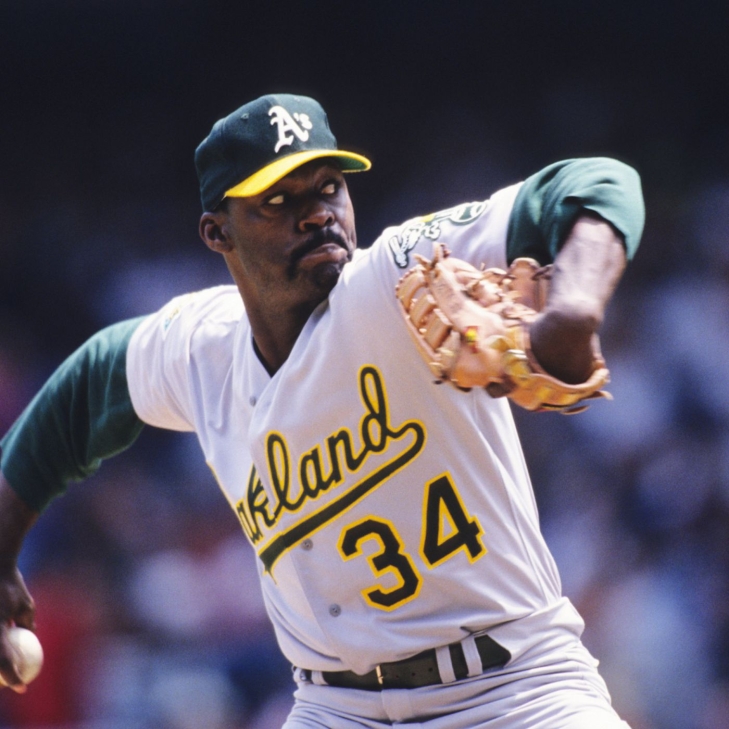
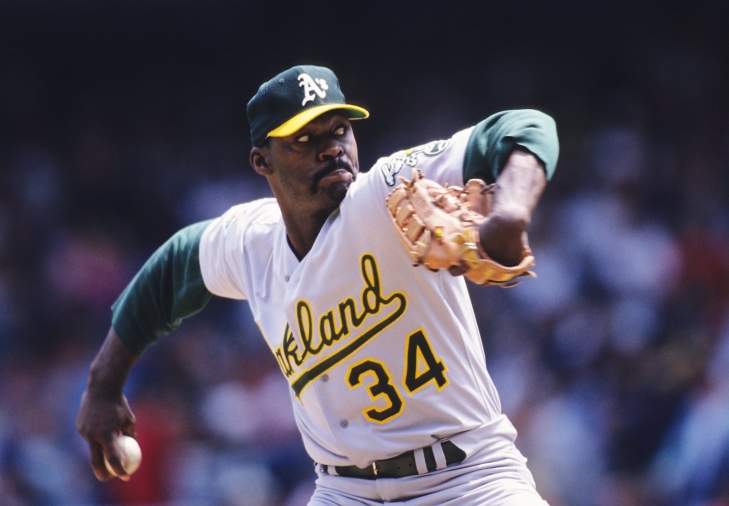
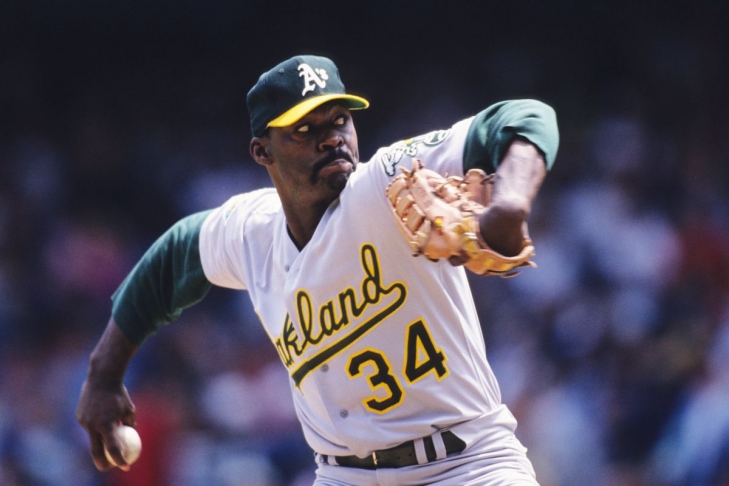
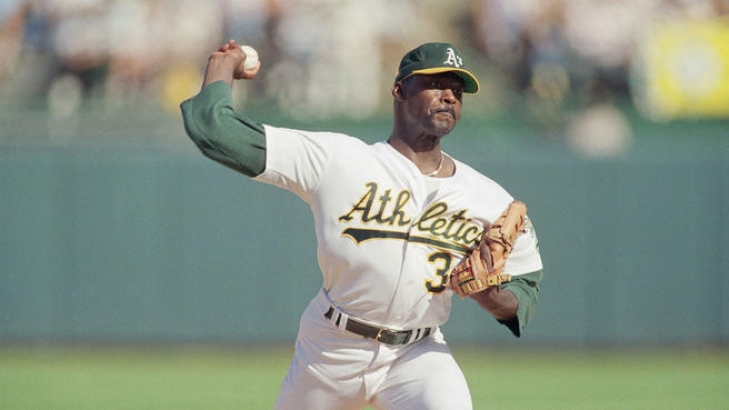
When the front office quietly signed Dave Stewart in May 1986, the transaction did not attract significant notice within the local community. He was regarded as an underperforming journeyman, having been discarded by a struggling Philadelphia Phillies organization that had explicitly released him. Nevertheless, nobody in the East Bay would overlook his potential for long. By reviving a forgotten forkball at the behest of pitching coach Dave Duncan, Stewart achieved an immediate 9-5 record during the latter part of the season, setting the stage for one of the most relentless and industrious periods in modern American League history.
What followed was a relentless four-year period of terror. From 1987 to 1990, Stewart became the team's core, achieving four straight 20-win seasons and leading the league in innings pitched twice. With a fiery fastball and a tumbling forkball, he led the rotation as the team's primary ace, effectively shutting down opposing offenses while Oakland's potent offense provided the support.
His intimidating, hyper-focused "Death Stare" from the rubber became renowned across the nation and contributed significantly to the Athletics securing three consecutive AL pennants. When the regular-season schedule concluded, Stewart elevated his performance to a legendary, high-stakes level. He demonstrated exceptional skill as the definitive clutch performer during the historic 1989 World Series against the San Francisco Giants, dominating the cross-bay rivals to earn the World Series Most Valuable Player (MVP) award and secure the world championship. Throughout that remarkable peak from 1987 to 1990, he consistently received substantial national recognition, achieving four consecutive top-four finishes in the American League Cy Young Award voting.
His iconic Northern California run ended when he signed with the Toronto Blue Jays in 1993, winning a second ALCS MVP and third championship ring, then returned to the East Bay for a final season in 1995 to finish his career.
Assessing Stewart’s position within the franchise history prompts a compelling discussion between conventional standards and contemporary evaluations. For advocates of sabermetrics, his ranking continues to be a matter of debate; advanced statistical models indicate a career-high bWAR finish of only sixth and a single top-ten ranking in seasonal WHIP, excluding him entirely from the top fifty in franchise bWAR. However, using only regular-season spreadsheets doesn't fully capture his true worth. His enormous volume of plays, key victories over top rivals, and unmatched playoff success firmly establish him as one of the franchise's greatest legends.
As an Athletic, Stewart went 119-78 with 1,152 strikeouts and was named to the first class of the Athletics Hall of Fame in 2018. The team would retire his number 34 in 2022.